Heart blockage is one of the most common reasons people land up at a cardiology clinic. For many patients and families, the first fear that comes to mind is surgery. Angioplasty. Bypass. Long recovery. High risk.
But surgery is not the only path.
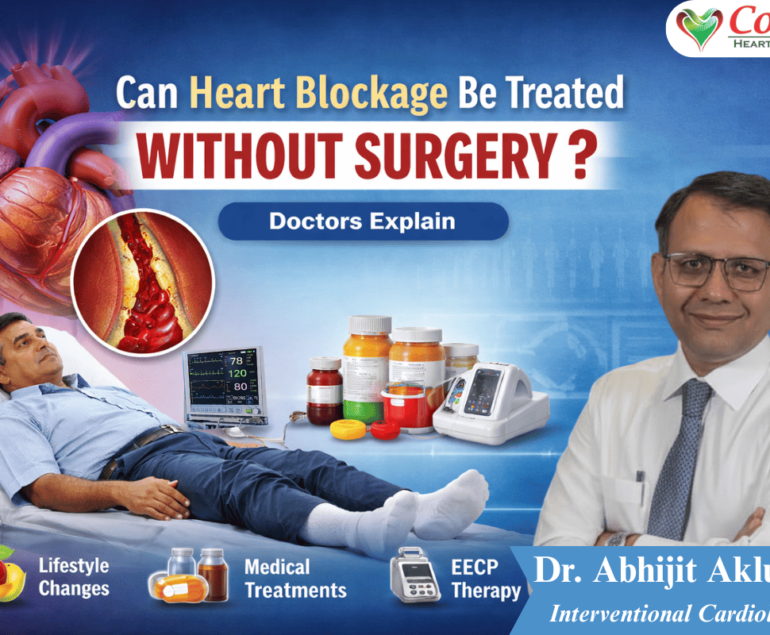
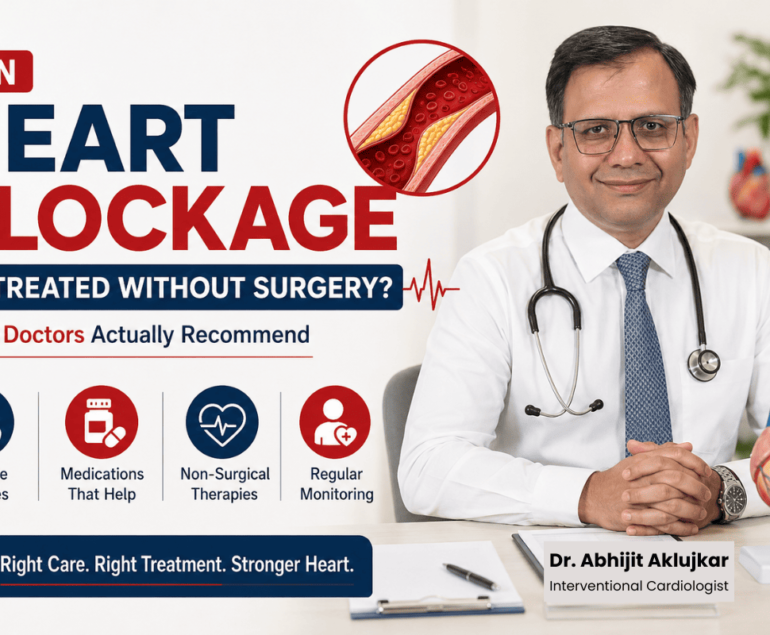
EECP treatment for heart blockage is a well-established, non surgical option that has helped thousands of patients manage symptoms, improve blood flow, and live more comfortably. This article is written for patients, caregivers, and anyone searching for a safer option for heart blockage treatment without surgery.
We will break everything down in simple language. No medical jargon. No confusion. Just clear answers so you can decide what makes sense for your heart health.
What Is Heart Blockage and Why It Happens
Heart blockage happens when the blood vessels that supply the heart, called coronary arteries, become narrow or blocked. This usually develops over years, not overnight.
Common reasons behind blocked arteries
- Fatty cholesterol deposits building up inside arteries
- Smoking, diabetes, and high blood pressure
- Lack of physical activity
- Family history of heart disease
- Age-related wear and tear
Symptoms people often notice
- Chest pain or tightness while walking or climbing stairs
- Shortness of breath
- Fatigue during routine activities
- Discomfort in the jaw, back, or left arm
Ignoring these signs can lead to heart attacks or long-term heart damage. That’s why early heart blockage treatment matters, especially when non surgical options are available.
What Is EECP Therapy for Blocked Arteries
EECP stands for Enhanced External Counterpulsation. It is a non invasive therapy designed to improve blood flow to the heart without surgery or stents.
How EECP therapy works in simple terms
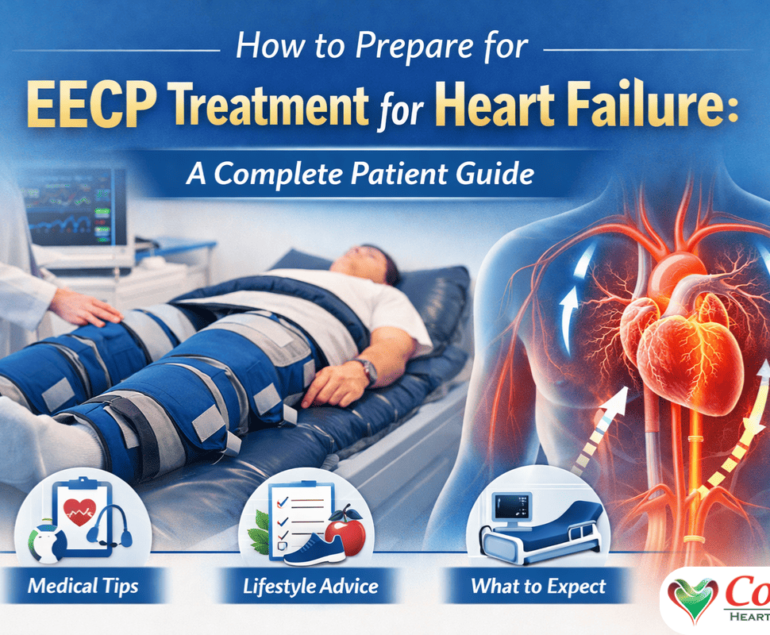
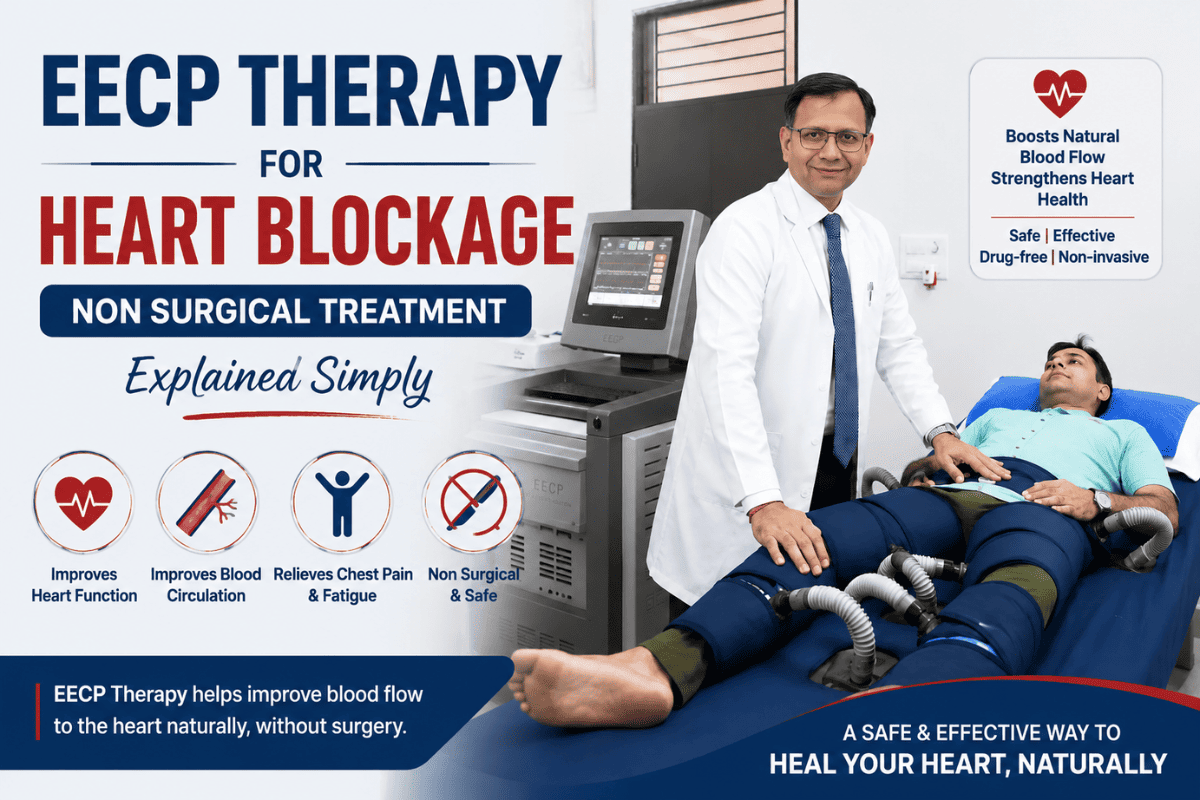
- Soft air cuffs are wrapped around your legs
- These cuffs inflate and deflate in rhythm with your heartbeat
- This pushes blood back toward the heart
- Over time, new small blood vessels develop around blocked arteries
This improved circulation helps the heart receive more oxygen, even when blockages are present. That is why EECP therapy for blocked arteries is widely used for patients who want to avoid invasive procedures.
How EECP Treatment Works Step by Step
An EECP session is simple and comfortable.
What happens during treatment
- You lie on a padded bed fully clothed
- Cuffs are placed around calves, thighs, and hips
- A heart monitor syncs the cuffs with your heartbeat
- The treatment runs automatically
Session duration and schedule
- Each session lasts about one hour
- Most patients need around 35 sessions
- Sessions are usually done once daily, five to six days a week
What patients usually feel
- Firm pressure on the legs, similar to a blood pressure cuff
- No pain
- Many patients relax or even fall asleep
EECP does not require hospital admission and patients can return to daily activities right after each session.
EECP Treatment for Heart Blockage vs Surgery
Surgery can be life-saving, but it’s not always the first or best option for everyone.
EECP vs angioplasty
- Angioplasty opens a single blockage using a stent
- EECP improves circulation across the entire heart
- EECP has no cuts, no anesthesia, no recovery downtime
EECP vs bypass surgery
- Bypass involves major surgery and hospital stay
- EECP is done on an outpatient basis
- EECP is often chosen by patients who are not fit for surgery
When surgery may still be needed
- Critical blockages causing heart attacks
- Emergency situations
- Severe valve or structural heart disease
In many stable cases, heart blockage treatment without surgery using EECP is considered first, especially at advanced heart care centers.
Who Is a Good Candidate for EECP Therapy
EECP is not for everyone, but it suits a large group of patients.
Patients who benefit most
- People with stable angina
- Senior citizens avoiding surgery
- Patients with recurring chest pain after angioplasty
- Those advised against surgery due to age or health conditions
Who may not be suitable
- Severe valve disorders
- Active blood clots in legs
- Uncontrolled heart rhythm problems
At Cordis Heart Institute, cardiologists assess each patient carefully before recommending EECP therapy.
Benefits of EECP Therapy for Heart Blockage
Patients often choose EECP because the benefits extend beyond symptom relief.
Key advantages
- No surgery or hospital stay
- Reduced chest pain episodes
- Better stamina for walking and daily tasks
- Improved blood flow to the heart
- Suitable for older adults
Many patients report better sleep, less fatigue, and more confidence in daily life after completing EECP treatment.
Are There Any Risks or Side Effects of EECP
EECP has a strong safety record when supervised by trained doctors.
Possible mild effects
- Temporary leg soreness
- Minor skin redness under cuffs
- Fatigue during early sessions
Serious complications are rare. This safety profile is why EECP is widely accepted across cardiac centers in India and globally.
How Effective Is EECP Treatment for Blocked Arteries
Clinical studies and patient follow-ups show encouraging results.
What patients can expect
- Symptom relief in many patients
- Improved exercise tolerance
- Benefits that can last months or years
Results are better when EECP is combined with:
- Heart-friendly diet
- Regular walking
- Blood pressure and sugar control
- Doctor-prescribed medicines
EECP is not a replacement for healthy habits, but it works best alongside them.
EECP Treatment Cost and Availability in Mira Road & Thane
EECP treatment is now easily available at well-equipped heart care centers in Mira Road and Thane, making it accessible for patients looking for a non surgical option close to home.
EECP treatment cost range
The overall cost of EECP therapy depends on several factors, such as:
- Number of sessions advised by the cardiologist
- Severity of heart blockage
- Medical supervision and follow-up care
- Facilities and technology used at the center
In most cases, EECP treatment is more affordable than angioplasty or bypass surgery, as it does not involve hospital admission, operation charges, or long recovery periods.
Availability in Mira Road & Thane
Several specialized cardiac clinics and hospitals in these areas now offer EECP therapy under expert supervision. At Cordis Heart Institute, patients from Mira Road and Thane can access structured EECP programs with proper cardiac evaluation, monitored sessions, and post-treatment guidance.
This local availability allows patients to complete the full course of EECP comfortably without long-distance travel, while staying under regular medical care.
Frequently Asked Questions (FAQs)
Is EECP treatment permanent for heart blockage?
EECP improves circulation and symptoms, but lifestyle care remains important for long-term results.
How long does EECP treatment take?
Most patients complete therapy in six to seven weeks.
Is EECP painful?
No. Patients feel pressure, not pain.
Can EECP replace angioplasty?
In many stable cases, yes. Emergency cases may still need surgery.
Is EECP safe for senior citizens?
Yes. It is commonly used for older patients.
Can EECP be repeated?
Yes, if symptoms return after some time.
Conclusion: Is EECP Therapy Right for Your Heart Blockage
EECP therapy offers a reliable path for patients seeking EECP treatment for heart blockage without surgery. It improves blood flow, reduces chest pain, and supports better daily living, especially for those who cannot or do not want surgery.
If you or a loved one is dealing with blocked arteries, a conversation with a heart specialist can help clarify whether EECP fits your condition.
If you’re exploring heart blockage treatment without surgery, book a consultation at Cordis Heart Institute today. Speak with a cardiologist, understand your options clearly, and take the next step toward safer heart care.