Poor blood circulation can quietly damage heart health long before clear symptoms appear. Many people with chest pain, fatigue, or blocked arteries assume surgery is the only option. But modern cardiology offers alternatives. One of the most effective non surgical options is EECP therapy.
This guide explains how EECP therapy improves blood circulation, who it helps, and what patients can expect at Cordis Heart Institute under the care of Dr Abhijit Aklujkar. By the end, you will understand how this treatment supports heart function and why it is gaining attention as a safe way to improve blood flow to the heart.
What Is EECP Therapy?
Understanding Enhanced External Counterpulsation (EECP)
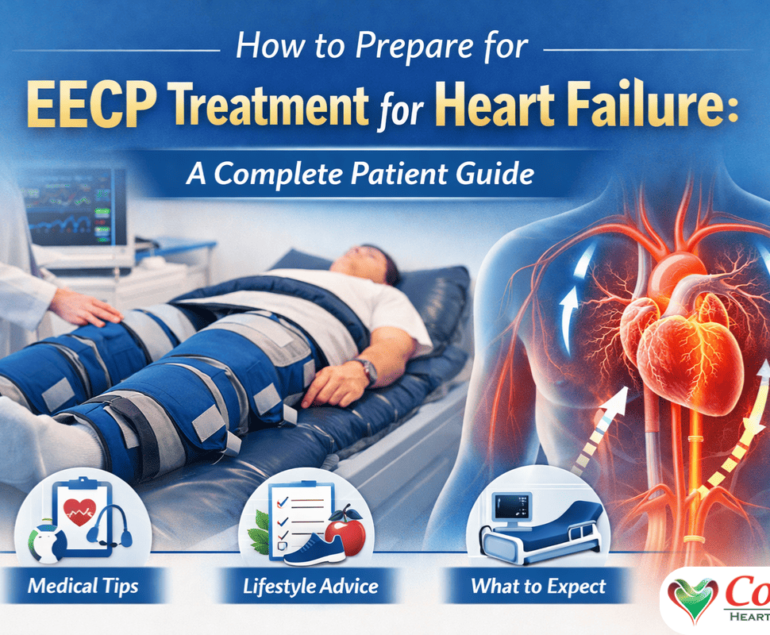
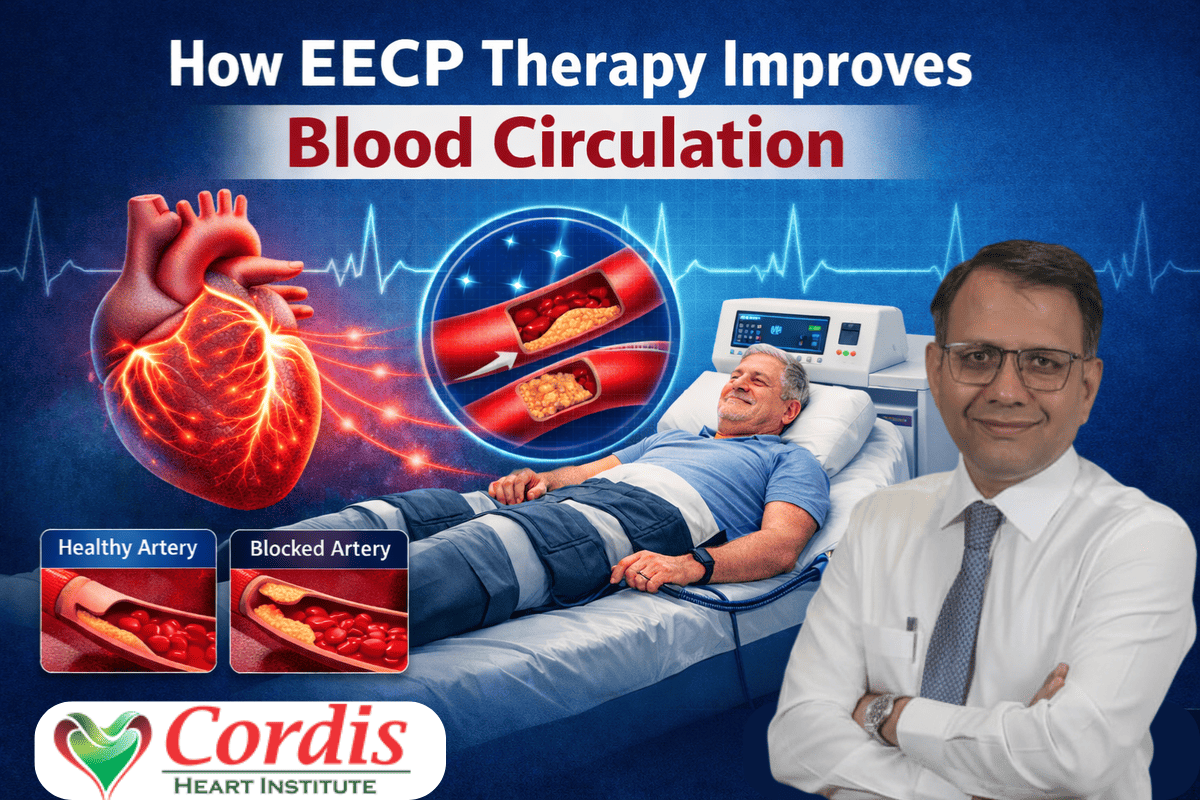
Enhanced External Counterpulsation, or EECP, is a non invasive heart treatment that improves circulation without surgery. During therapy, inflatable cuffs are wrapped around the legs. These cuffs inflate and deflate in sync with the heartbeat.
Here is how EECP therapy works step by step:
- The cuffs inflate sequentially from the calves upward during the resting phase of the heartbeat.
- This action pushes oxygen rich blood back toward the heart.
- The heart receives improved blood supply while working with less strain.
- Over time, the body develops better circulation pathways.
The result is stronger blood flow and improved oxygen delivery to heart tissue.
Who Needs EECP Therapy?
EECP treatment for heart patients is often recommended for people who:
- Have chronic angina or chest pain
- Live with coronary artery disease
- Experience poor circulation
- Are not ideal candidates for surgery
- Want a non surgical heart treatment option
EECP therapy for blocked arteries can support patients who continue to have symptoms despite medication.
How EECP Therapy Improves Blood Circulation
Boosting Blood Flow to the Heart
The main goal of EECP is to increase blood flow naturally. When the cuffs inflate in sequence, they create a gentle pumping action. This raises blood pressure during the heart’s resting phase and sends more oxygen rich blood into the coronary arteries.
Better oxygen supply helps reduce chest discomfort and supports heart muscle function.
Development of Natural Bypass Vessels
One of the most interesting effects of EECP is the formation of collateral circulation. These are tiny natural bypass vessels that develop over time. They help reroute blood around narrowed or blocked arteries.
This long term adaptation means many patients continue to feel benefits even after completing therapy.
Improving Overall Vascular Health
EECP improves the health of blood vessel walls and supports smoother circulation. Patients often report:
- Higher energy levels
- Better stamina
- Reduced fatigue
- Improved ability to perform daily activities
For many, EECP becomes an important part of heart circulation treatment and long term cardiac care.
Key Benefits of EECP Therapy for Heart Health
Non Surgical and Drug Free Treatment Option
EECP is a safe heart treatment without surgery. There are no incisions and no hospital stay. Patients remain awake and relaxed during sessions.
Reduced Chest Pain and Improved Exercise Capacity
Many people notice a clear drop in angina symptoms. With better circulation, the heart works more efficiently, allowing patients to walk or exercise with less discomfort.
Better Quality of Life for Cardiac Patients
Improved blood flow can restore confidence and independence. Patients often return to hobbies and daily routines they once avoided.
Safe and Clinically Proven Results
EECP therapy has been studied for decades and is widely recognized as a reliable option for selected heart patients.
The EECP Therapy Procedure at Cordis Heart Institute
What to Expect During an EECP Session
At Cordis Heart Institute, a typical session lasts about one hour. Most treatment plans include 35 sessions over several weeks.
Patients lie comfortably on a treatment bed while trained staff monitor heart rhythm and blood pressure. The process is gentle and designed for comfort.
Role of Dr Abhijit Aklujkar in Patient Care
Dr Abhijit Aklujkar supervises treatment plans and tailors therapy to each patient’s needs. His focus is on careful evaluation and ongoing monitoring to support safe progress.
Recovery and Aftercare
There is no downtime after a session. Patients can return to normal activities the same day. Lifestyle guidance often includes:
- Heart healthy diet choices
- Light physical activity
- Stress management
- Regular follow up visits
Scientific Evidence Supporting EECP Therapy
Clinical research on EECP therapy clinical studies shows measurable improvement in circulation and symptom relief. Many trials report reduced angina frequency and better exercise tolerance.
Success rates vary by patient condition, but a large percentage of participants experience lasting improvement. EECP is accepted in many countries as a complementary option for managing coronary artery disease.
For external credibility, link to peer reviewed research and cardiology organizations when publishing this article.
Who Should Avoid EECP Therapy?
While EECP is safe for many, it is not suitable for everyone.
Contraindications and Safety Considerations
People with the following conditions may need alternative treatment:
- Severe valve disease
- Uncontrolled high blood pressure
- Deep vein thrombosis
- Certain heart rhythm disorders
Importance of Medical Evaluation
A complete cardiac assessment is essential before starting therapy. This ensures EECP therapy risks are minimized and treatment is appropriate.
FAQs: EECP Therapy and Blood Circulation
How long does EECP therapy take to improve blood circulation?
Most patients notice improvement within a few weeks, with full benefits after completing the treatment course.
Is EECP therapy painful?
No. Patients usually describe the sensation as firm pressure similar to a blood pressure cuff.
How many EECP sessions are required?
A standard course includes around 35 sessions, adjusted to individual needs.
Can EECP therapy replace surgery?
It does not replace surgery in all cases but can be an option for selected patients.
Are the results of EECP therapy permanent?
Benefits can last months or years, especially when combined with healthy lifestyle habits.
What is the cost of EECP therapy?
Costs vary by center and treatment plan. A consultation provides accurate details.
Conclusion
EECP therapy offers a practical way to improve blood flow, reduce symptoms, and support heart health without surgery. By boosting circulation and encouraging natural bypass vessels, it gives many patients a second chance at an active life.
Cordis Heart Institute, guided by Dr Abhijit Aklujkar, provides structured and personalized EECP therapy in a professional clinical setting. If you or a loved one struggles with chest pain or poor circulation, a consultation can help determine whether this treatment is right for you.
Schedule an appointment with Cordis Heart Institute to discuss EECP therapy and take the first step toward stronger heart health.