Heart disease remains one of the leading health concerns worldwide, and for many patients, the idea of heart surgery can feel overwhelming. Long recovery times, surgical risks, and high costs often push people to search for safer options. This is where EECP over surgery has become a growing conversation in modern cardiac care. Enhanced External Counterpulsation, or EECP therapy, offers a non-surgical heart treatment that improves blood circulation without opening the chest.
At Cordis Heart Institute, under the guidance of Dr Abhijit Aklujkar, many patients are now turning to EECP as a practical alternative to invasive procedures. In this article, you will learn how EECP works, why patients prefer it over surgery, the proven benefits, and what to expect during treatment. If you or a loved one is exploring heart treatment options, this guide will help you make a more informed decision.
What Is EECP Therapy and How Does It Work?
Understanding Enhanced External Counterpulsation (EECP)
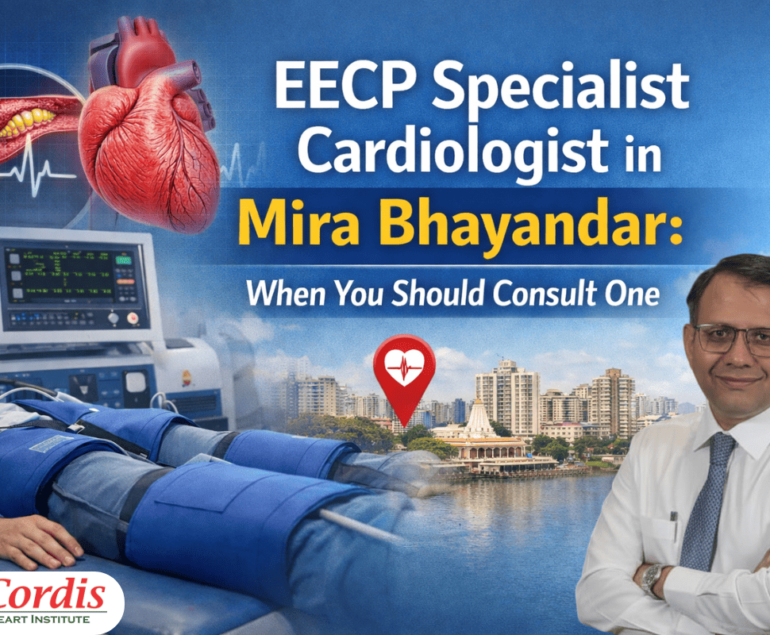
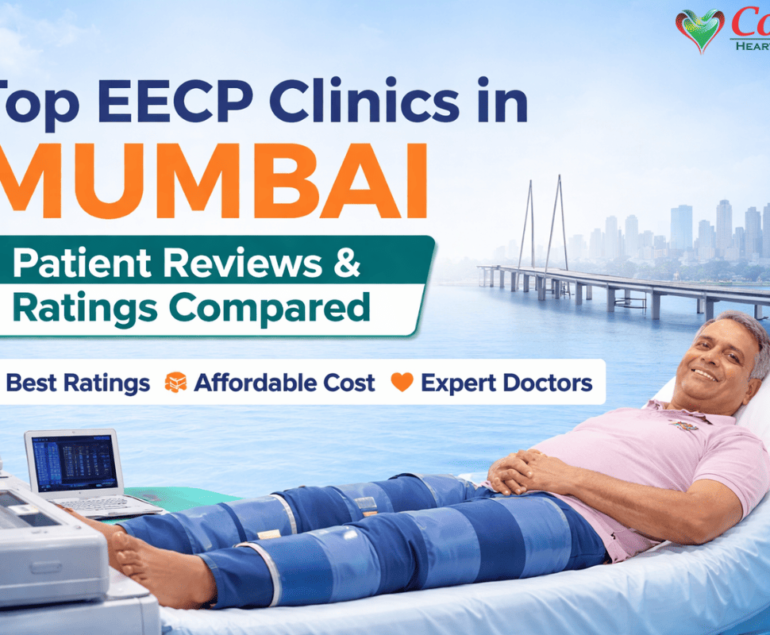
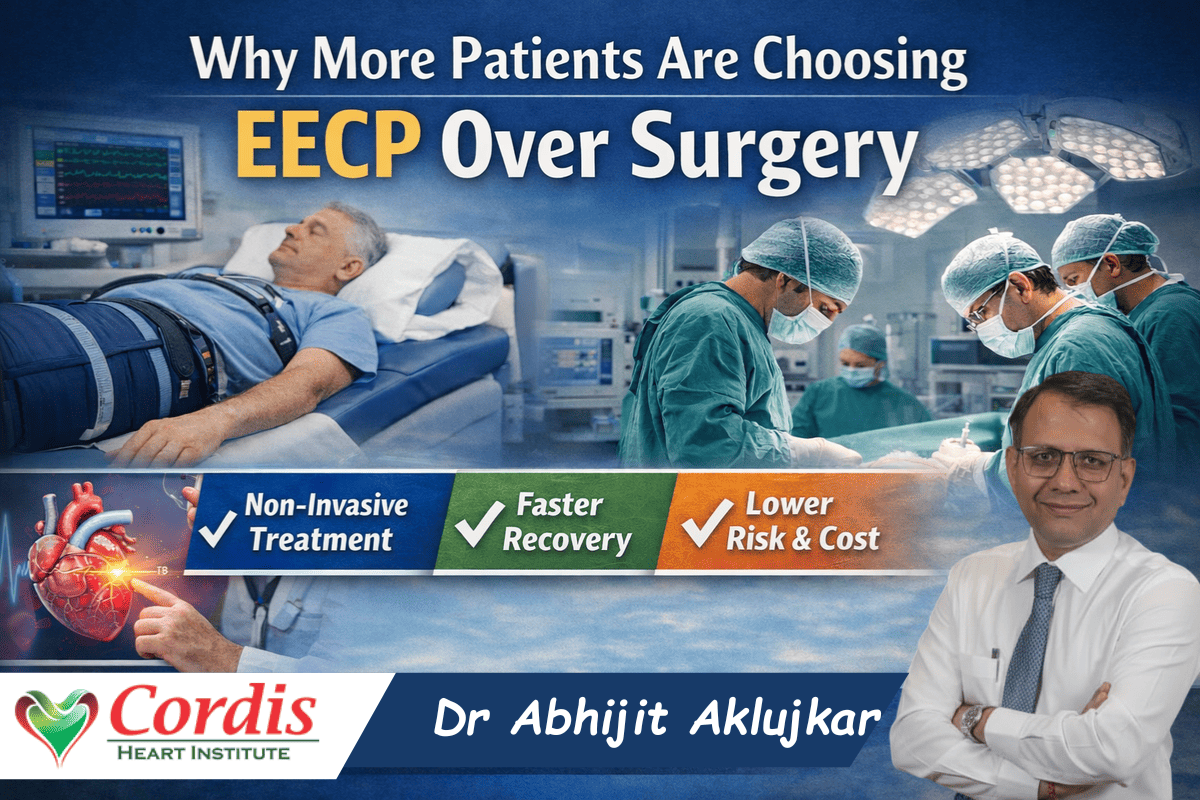
EECP therapy is a non-invasive treatment designed to improve blood flow to the heart. During a session, inflatable cuffs are wrapped around the legs and hips. These cuffs gently squeeze in rhythm with the heartbeat, helping push oxygen-rich blood back toward the heart.
This process stimulates the formation of new small blood vessels, often called natural bypasses. For patients with blocked or narrowed arteries, this improved circulation can reduce chest pain and improve heart function. Many people searching for what is EECP therapy are surprised to learn that it requires no surgery, anesthesia, or hospital stay.
How EECP Improves Blood Flow Without Surgery
EECP works by increasing blood supply during the resting phase of the heartbeat. This reduces the workload on the heart and improves overall circulation. Over time, patients often report less angina, better stamina, and fewer symptoms.
As a non-surgical heart treatment, EECP is especially appealing to those who are not ideal candidates for surgery or who want to avoid invasive procedures. It supports the body’s natural ability to improve heart circulation.
Who Is an Ideal Candidate for EECP Therapy?
EECP is commonly recommended for patients with chronic angina, coronary artery disease, or those who continue to have symptoms after stents or bypass surgery. It may also benefit patients with heart failure in selected cases.
A proper evaluation by a cardiologist, such as Dr Abhijit Aklujkar at Cordis Heart Institute, is essential to determine EECP eligibility and create a safe treatment plan.
Why Patients Prefer EECP Over Heart Surgery
Non-Invasive Alternative to Bypass Surgery
One of the main reasons patients compare EECP vs bypass surgery is the desire to avoid invasive procedures. EECP does not involve incisions or general anesthesia. Patients remain awake and comfortable during sessions, making it a practical surgery alternative for many heart patients.
Faster Recovery and Minimal Side Effects
Unlike surgery, which may require weeks or months of recovery, EECP patients can usually resume daily activities immediately after each session. Side effects are generally mild and may include temporary muscle soreness.
Lower Risk Compared to Surgical Procedures
Every surgery carries risks such as infection, bleeding, or complications from anesthesia. EECP, as a safe alternative to heart surgery, has a strong safety record when performed under medical supervision.
Cost Benefits of EECP Treatment
EECP is often more affordable than major heart surgery. Fewer hospital resources and shorter treatment times contribute to lower overall costs, making it an attractive option for many families.
Proven Benefits of EECP Therapy for Heart Patients
Improved Heart Function and Reduced Chest Pain
Clinical experience shows that many patients experience fewer angina episodes and improved exercise tolerance after EECP. These EECP benefits for angina can lead to a more active lifestyle.
Better Quality of Life After EECP Treatment
Patients frequently report increased energy levels and reduced dependence on medications. Everyday tasks become easier, which improves overall well-being.
Clinical Evidence Supporting EECP Therapy
Several peer-reviewed studies have demonstrated positive outcomes for EECP in selected patients. You can reference external sources such as research published in major cardiology journals and guidance from recognized heart associations for additional credibility.
EECP Treatment at Cordis Heart Institute
Advanced EECP Facilities and Technology
Cordis Heart Institute uses modern EECP systems designed for patient comfort and precise monitoring. A dedicated cardiac care environment supports safe and effective treatment.
Expert Care by Dr Abhijit Aklujkar
Dr Abhijit Aklujkar is experienced in non-invasive cardiac therapies and focuses on patient-centered care. His approach combines medical knowledge with clear communication so patients understand every step of treatment.
Personalized Treatment Plans for Every Patient
Each patient receives a tailored program based on their medical history, symptoms, and goals. This personalized approach improves outcomes and patient satisfaction.
EECP vs Surgery: A Side-by-Side Comparison
|
Feature |
EECP Therapy |
Heart Surgery |
|
Invasiveness |
Non-invasive |
Invasive procedure |
|
Anesthesia |
Not required |
General anesthesia |
|
Recovery time |
Immediate return to routine |
Weeks to months |
|
Hospital stay |
Outpatient |
Required |
|
Risk level |
Low |
Higher surgical risk |
|
Cost |
Generally lower |
Higher overall cost |
Procedure Differences Explained
EECP uses external compression to support circulation, while surgery physically alters blood vessels.
Recovery Time Comparison
EECP allows patients to maintain daily routines, whereas surgery demands extended healing time.
Risks and Long-Term Outcomes
Both options have roles in cardiac care. A cardiologist helps determine the best path based on individual needs.
What to Expect During an EECP Treatment Program
Step-by-Step EECP Session Process
A typical session lasts about one hour. Patients lie comfortably while the cuffs inflate and deflate in sync with the heartbeat. Vital signs are monitored throughout.
Duration and Number of Sessions
Most programs involve 35 sessions over several weeks. Consistency is important for the best results.
Post-Treatment Care Tips
Patients are encouraged to maintain a heart-healthy lifestyle, including diet, exercise, and regular medical follow-ups.
FAQs About Choosing EECP Over Surgery
Is EECP therapy better than heart surgery?
It depends on the patient’s condition. EECP is a strong option for many people with angina or those seeking non-invasive care.
How long do EECP results last?
Many patients experience benefits that last months or even years, especially when combined with healthy habits.
Is EECP therapy painful or uncomfortable?
Most patients find the treatment comfortable. The pressure feels firm but manageable.
What is the success rate of EECP treatment?
Studies report meaningful symptom improvement in a large percentage of suitable patients.
Can EECP replace bypass surgery completely?
EECP is not a universal replacement. Some patients still require surgery. A cardiologist can guide the decision.
When Should You Consider EECP Instead of Surgery?
Patients with ongoing chest pain, limited surgical options, or a preference for non-invasive care should discuss EECP with their cardiologist. Early consultation improves the chances of successful treatment. Cordis Heart Institute offers expert evaluation to help patients choose the right path.
Conclusion
EECP therapy is gaining attention because it offers a safe, non-invasive way to improve heart health. From reduced recovery time to lower risks and costs, it presents a practical alternative for many patients. With experienced care from Dr Abhijit Aklujkar at Cordis Heart Institute, patients receive focused treatment designed around their needs.
If you are considering alternatives to heart surgery, schedule a consultation at Cordis Heart Institute today. Share this article with friends or family who may benefit, and take the first step toward better heart health.