If you’ve ever felt like you’re doing everything right—eating clean, working out, cutting calories—and still not losing weight, you’re not alone. Many women face this exact challenge. The truth is, weight loss is not the same for men and women.
From hormones to metabolism, several biological and lifestyle factors make it harder for women to shed excess weight. That’s why a generic approach doesn’t work. You need a more targeted strategy.
In this guide, we’ll break down why weight loss is difficult for women and walk you through the most effective obesity treatment for women, including lifestyle changes, medical options, and expert-led programs.
Why Weight Loss Is Harder for Women
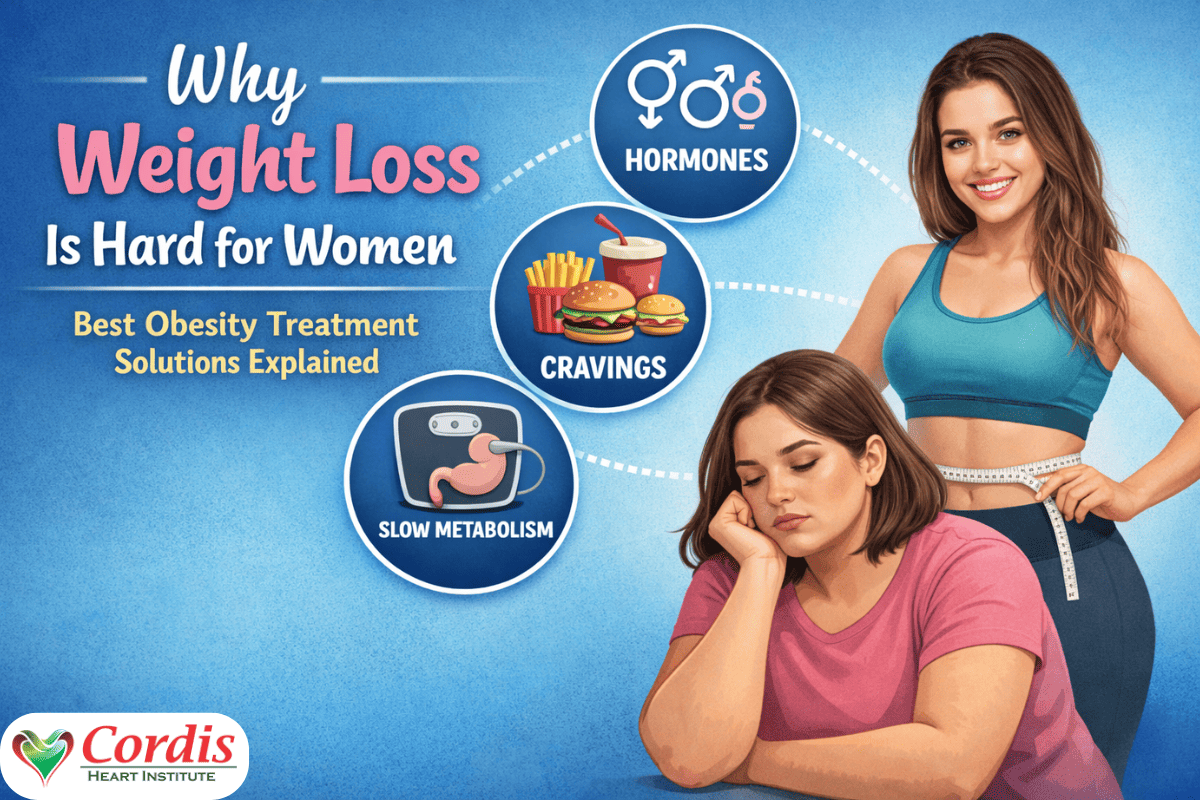
Hormonal Factors (Estrogen, PCOS, Thyroid)
Hormones play a major role in how your body stores fat. Conditions like PCOS, thyroid disorders, and estrogen imbalance can slow down fat burning and increase fat storage, especially around the abdomen.
For example:
- PCOS can lead to insulin resistance
- Thyroid issues reduce metabolism
- Estrogen fluctuations impact appetite and fat distribution
This is one of the biggest reasons why women gain weight easily and struggle to lose it.
Slower Metabolism Compared to Men
Women naturally have:
- Less muscle mass
- Lower resting metabolic rate
This means women burn fewer calories at rest compared to men. Even with the same diet and exercise routine, results can differ significantly.
Pregnancy and Postpartum Weight Retention
Pregnancy changes the body in multiple ways:
- Fat storage increases to support the baby
- Hormones fluctuate dramatically
- Sleep deprivation affects metabolism
Many women find it hard to lose postpartum weight, even months after delivery.
Emotional and Stress-Related Eating Patterns
Stress, anxiety, and emotional triggers often lead to:
- Cravings for high-calorie foods
- Irregular eating habits
- Hormonal spikes (like cortisol) that promote fat storage
Common Causes of Obesity in Women
Sedentary Lifestyle and Work Patterns
Long working hours, desk jobs, and reduced physical activity contribute to gradual weight gain.
Poor Diet and Nutritional Deficiencies
Skipping meals, crash dieting, or relying on processed food can slow metabolism and lead to fat gain over time.
Medical Conditions (PCOS, Hypothyroidism)
These conditions make weight loss harder without proper diagnosis and treatment.
Age-Related Weight Gain (Menopause)
As women age:
- Estrogen levels drop
- Fat distribution shifts
- Muscle mass decreases
This makes weight management more challenging.
Health Risks of Obesity in Women
Heart Disease and High Blood Pressure
Obesity increases the risk of cardiovascular problems. Internal linking tip: Link this section to your cardiac services page.
Diabetes and Insulin Resistance
Excess weight affects how the body processes sugar, increasing the risk of type 2 diabetes.
Fertility Issues and Hormonal Imbalance
Weight gain can disrupt ovulation and menstrual cycles.
Mental Health Impact (Anxiety, Depression)
There is a strong connection between obesity and mental health challenges, often creating a cycle that’s hard to break.
Best Obesity Treatment for Women
A successful obesity treatment for women requires a combination of lifestyle, medical, and personalized care.
Lifestyle-Based Obesity Treatment
Balanced Diet Plans
- Focus on whole foods
- Increase protein intake
- Reduce sugar and processed foods
Regular Physical Activity
- Combine strength training and cardio
- Aim for at least 150 minutes per week
Sleep Optimization
Poor sleep affects hunger hormones and slows metabolism.
Medical Treatments for Obesity
- Doctor-prescribed weight loss medications
- Hormonal therapy (for thyroid or PCOS-related issues)
These should always be supervised by professionals.
Non-Surgical Treatments
- Structured clinical programs
- EECP therapy (for patients with heart-related concerns)
Surgical Options (For Severe Cases)
- Bariatric surgery
- Gastric bypass
These are considered when other treatments fail and BMI is significantly high.
Personalized Obesity Treatment Plans at Cordis Heart Institute
Expert-Led Diagnosis and Evaluation
A proper diagnosis helps identify root causes like hormonal imbalance or metabolic disorders.
Customized Weight Loss Programs for Women
Each woman’s body responds differently. Personalized plans ensure better results.
Integrated Cardiac + Weight Management Approach
This is especially important for women at risk of heart disease.
Success Stories and Patient Outcomes
Real patient results help build trust and show what’s possible with the right approach.
Diet Plan for Effective Weight Loss in Women
Best Foods for Fat Loss
- Lean proteins (chicken, fish, legumes)
- Fiber-rich foods (vegetables, whole grains)
- Healthy fats (nuts, seeds)
Foods to Avoid
- Sugary drinks
- Processed snacks
- Refined carbs
Sample Daily Meal Plan
- Breakfast: Oats with fruits and nuts
- Lunch: Grilled chicken + salad
- Dinner: Vegetable soup + protein source
Importance of Protein and Fiber
These help:
- Keep you full longer
- Reduce cravings
- Support metabolism
Exercise Strategies That Work for Women
Strength Training vs Cardio
Strength training builds muscle, which increases calorie burn even at rest.
HIIT for Faster Fat Loss
Short bursts of high-intensity workouts improve fat burning.
Yoga and Hormonal Balance
Yoga helps reduce stress and regulate hormones.
Weekly Workout Plan Example
- 3 days strength training
- 2 days cardio
- 1 day yoga
Natural and Home Remedies for Weight Loss
Herbal and Ayurvedic Approaches
Natural remedies can support metabolism when combined with a healthy lifestyle.
Intermittent Fasting for Women
Works well when done correctly, but should be tailored to individual needs.
Hydration and Detox Methods
Drinking enough water supports digestion and fat loss.
FAQs
What is the best obesity treatment for women?
A combination of diet, exercise, and medical support tailored to individual needs works best.
Why is it harder for women to lose weight than men?
Hormones, metabolism, and body composition differences make weight loss slower.
Can hormonal imbalance cause obesity in women?
Yes, conditions like PCOS and thyroid disorders can lead to weight gain.
What is the fastest way to lose weight safely for women?
A structured plan that includes diet, exercise, and medical guidance is the safest and most effective.
Are medical treatments necessary for obesity?
Not always, but they are helpful in cases involving hormonal or metabolic issues.
How long does it take to see results?
Most women start seeing changes within 4–8 weeks with a consistent plan.
Conclusion
Weight loss for women isn’t just about eating less or working out more. It’s about understanding your body, hormones, and lifestyle.
The right obesity treatment for women combines science-backed methods with personalized care. Whether it’s improving your diet, starting a workout routine, or seeking medical help, the key is consistency and the right guidance.
If you’re struggling to lose weight despite your efforts, it may be time to consult experts.
Book a consultation with Cordis Heart Institute today and get a personalized plan that actually works.