Many people ignore early heart-related symptoms because they seem harmless at first. Feeling tired more often, getting dizzy occasionally, or noticing a slower heartbeat can easily be blamed on stress, age, or lack of sleep. But sometimes, these changes point to a condition called heart block. Recognizing heart block symptoms early can make a real difference in treatment and long-term heart health.
Heart block affects the heart’s electrical system. When electrical signals do not travel properly, the heart may beat too slowly or irregularly. The problem is that the signs of heart block are often subtle in the beginning, which leads many people to ask, “Are my symptoms serious, or will they pass on their own?” This article breaks it down clearly so you know what to watch for and when to act.
What Is Heart Block and How Does It Affect the Heart?
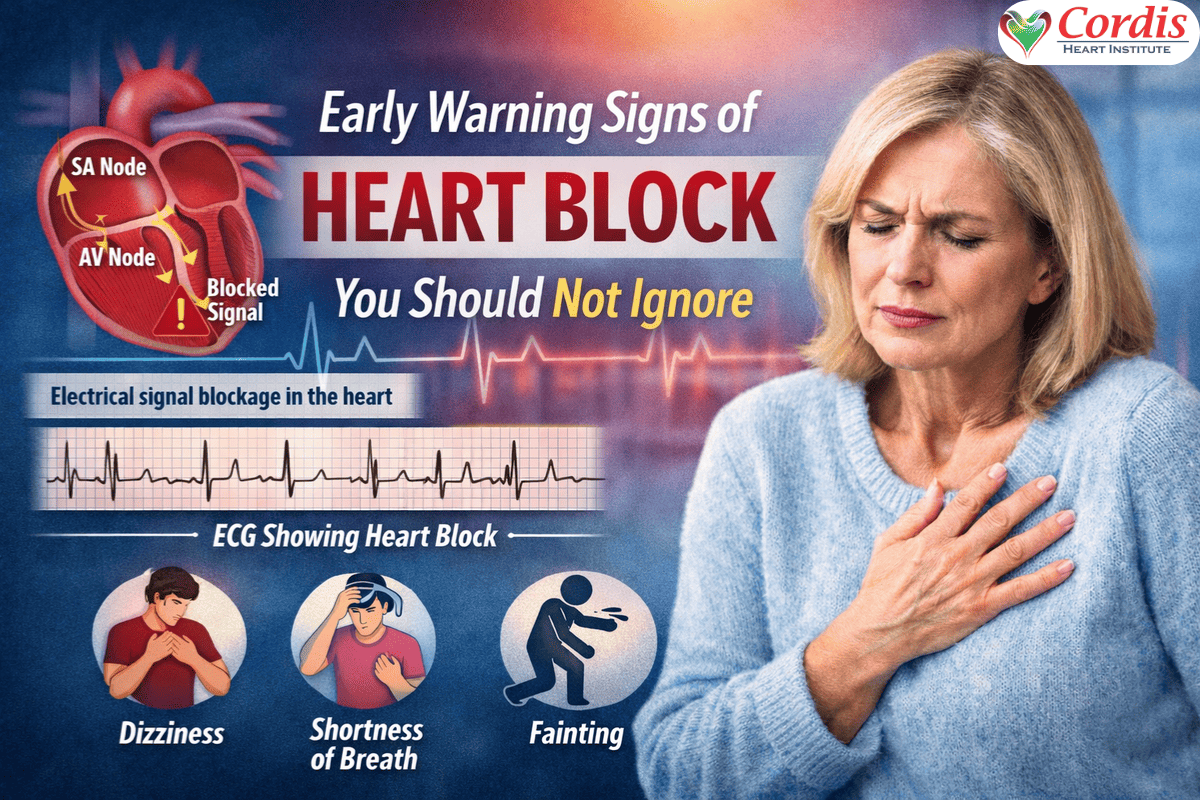
Heart block happens when the electrical signals that control your heartbeat are delayed or blocked as they move through the heart. These signals normally travel in a smooth pattern from the upper chambers to the lower chambers, keeping your heartbeat steady.
When this signal flow is interrupted, the heart may not pump blood efficiently. This is different from having a naturally slow heart rate. Some people have a low heart rate and feel completely fine. Heart block, however, means the timing system of the heart is not working as it should.
Understanding how the heart’s electrical system works makes heart block easier to grasp. That’s why linking to a simple “How the Heart Works” article within your site can help readers understand the issue more clearly.
Different Types of Heart Block and Their Warning Signs
Heart block is divided into types based on how much the electrical signal is affected.
First-Degree Heart Block
This is the mildest form. Electrical signals move more slowly than normal but still reach the lower chambers. Most people do not notice any heart block symptoms, and the condition is often found during routine heart tests.
Second-Degree Heart Block
Here, some signals fail to reach the lower chambers.
- Type 1: Signals gradually slow down until one heartbeat is skipped. Symptoms may include mild dizziness or fatigue.
- Type 2: Signals are blocked suddenly without warning. This type is more serious and often causes clearer signs of heart block, such as fainting.
Third-Degree (Complete) Heart Block
This is the most severe form. No electrical signals pass through properly. The heart relies on a very slow backup rhythm, leading to strong symptoms that usually need urgent treatment.
Common Heart Block Symptoms in Early Stages
Early heart block symptoms can be easy to miss. Many people live with them for months without realizing something is wrong.
Common early symptoms include:
- Feeling tired most of the time
- Dizziness or lightheadedness
- Shortness of breath during daily activities
- A slow or irregular heartbeat
- Mild chest discomfort
These symptoms may not appear every day. They often come and go, which makes them easier to ignore. Still, recurring symptoms should never be dismissed.
Dangerous Signs of Heart Block You Should Not Ignore
Some signs of heart block mean the heart is struggling to pump enough blood to the brain and other organs.
Seek urgent medical care if you notice:
- Fainting or feeling like you may faint
- Sudden confusion or difficulty thinking clearly
- Chest pain or pressure
- Extreme weakness without a clear reason
- Sudden collapse
These symptoms should never be ignored, as they can point to advanced heart block.
Signs of Heart Block in Adults and Elderly Patients
Heart block symptoms can look different depending on age.
In younger adults, symptoms often include dizziness during exercise, unexplained fainting, or sudden fatigue. These signs are usually more noticeable.
In older adults, the signs of heart block are often mistaken for aging. Slower movement, memory issues, frequent falls, or constant tiredness may seem normal with age, but they can also signal heart rhythm problems. This is why regular heart checkups are especially important for older individuals.
Symptoms may stay mild at first because the body tries to adjust to the slower heartbeat. Over time, this adjustment may fail, making symptoms worse.
What Causes Heart Block and Who Is at Risk?
Several factors can interfere with the heart’s electrical system.
Common causes and risk factors include:
- Natural aging of heart tissue
- Past heart attacks or existing heart disease
- Certain medications that affect heart rhythm
- Diabetes and long-term high blood pressure
- Infections or inflammation involving the heart
Adding an internal link to a detailed guide on heart disease risk factors helps readers understand how heart block fits into overall heart health.
Tests Used to Identify Heart Block Symptoms
Doctors use simple but effective tests to diagnose heart block.
An ECG is usually the first test. It records the heart’s electrical activity and clearly shows whether signals are delayed or blocked.
If symptoms do not happen all the time, a Holter monitor may be recommended. This portable device tracks heart rhythm over one or two days while you go about your routine.
In some cases, stress tests or longer monitoring periods are advised, especially if symptoms appear during physical activity.
Treatment Options for Heart Block Based on Symptoms
Treatment depends on how severe the heart block is and how strong the symptoms are.
- Mild cases may only need regular monitoring
- Medication changes may help if drugs are affecting heart rhythm
- Advanced heart block often requires a pacemaker to keep the heartbeat steady
Linking to trusted medical websites or well-known hospitals adds credibility and allows readers to explore treatment options further.
Reducing the Risk of Heart Block Symptoms
Not all cases of heart block can be prevented, but many risk factors can be managed.
Helpful steps include:
- Keeping blood pressure and blood sugar under control
- Scheduling regular heart checkups
- Reviewing medications with your doctor
- Staying physically active within safe limits
- Avoiding smoking and excess alcohol
These habits support both heart rhythm and overall heart health.
FAQs About Heart Block Symptoms and Signs
What are the first signs of heart block?
Early signs often include fatigue, dizziness, and a slow heartbeat.
Can heart block symptoms come and go?
Yes. Symptoms may appear during activity or stress and ease at rest, especially early on.
Is heart block life-threatening?
Mild forms are often manageable, but severe heart block can be dangerous without treatment.
Can heart block be treated without surgery?
Some cases improve with medication changes. Advanced cases usually need a pacemaker.
When should I see a doctor for heart block symptoms?
If symptoms repeat, worsen, or include fainting or chest pain, see a doctor promptly.
When Heart Block Symptoms Need Medical Evaluation
You should seek medical advice if you notice ongoing dizziness, unexplained fatigue, fainting, or chest discomfort. Sudden or severe symptoms need immediate care. Ignoring recurring signs of heart block can lead to serious complications later.
Don’t Ignore the Early Signs of Heart Block
Heart block symptoms often start quietly but can progress over time. Paying attention to early signs of heart block allows you to act before the condition becomes serious. A simple ECG can offer clarity and peace of mind.
If you or someone close to you notices these symptoms, book a heart checkup, consult a cardiologist, or get an ECG done. Early action helps protect your heart and supports a healthier, more active life.