Heart failure can slowly change how a person lives. Tasks that once felt simple like walking, climbing stairs, or even resting comfortably can start to feel exhausting. Many patients search for options beyond medicines and surgery, especially when symptoms continue despite regular treatment. This is where EECP for heart failure often comes into the picture.
Enhanced External Counterpulsation, commonly known as EECP, is a non-surgical therapy that focuses on improving blood flow to the heart. It is now part of modern cardiac care for selected patients and is available at advanced centers such as Cordis Heart Institute. This article explains how EECP works, who it helps, its safety, and what results patients can realistically expect.
What Is EECP Therapy?
EECP is a non-invasive outpatient treatment designed to support the heart by improving circulation. It does not involve surgery, injections, or anesthesia, which makes it appealing for patients who are not ideal candidates for invasive procedures.
How Enhanced External Counterpulsation Works
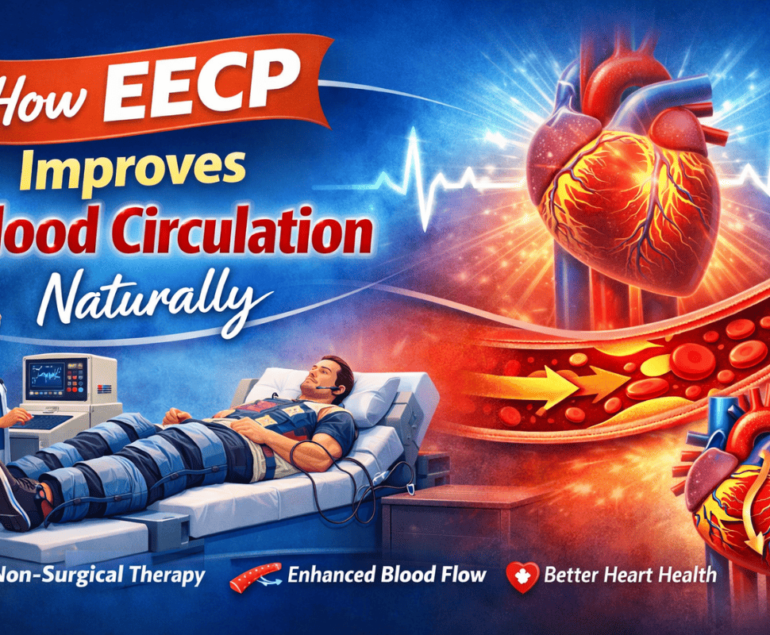
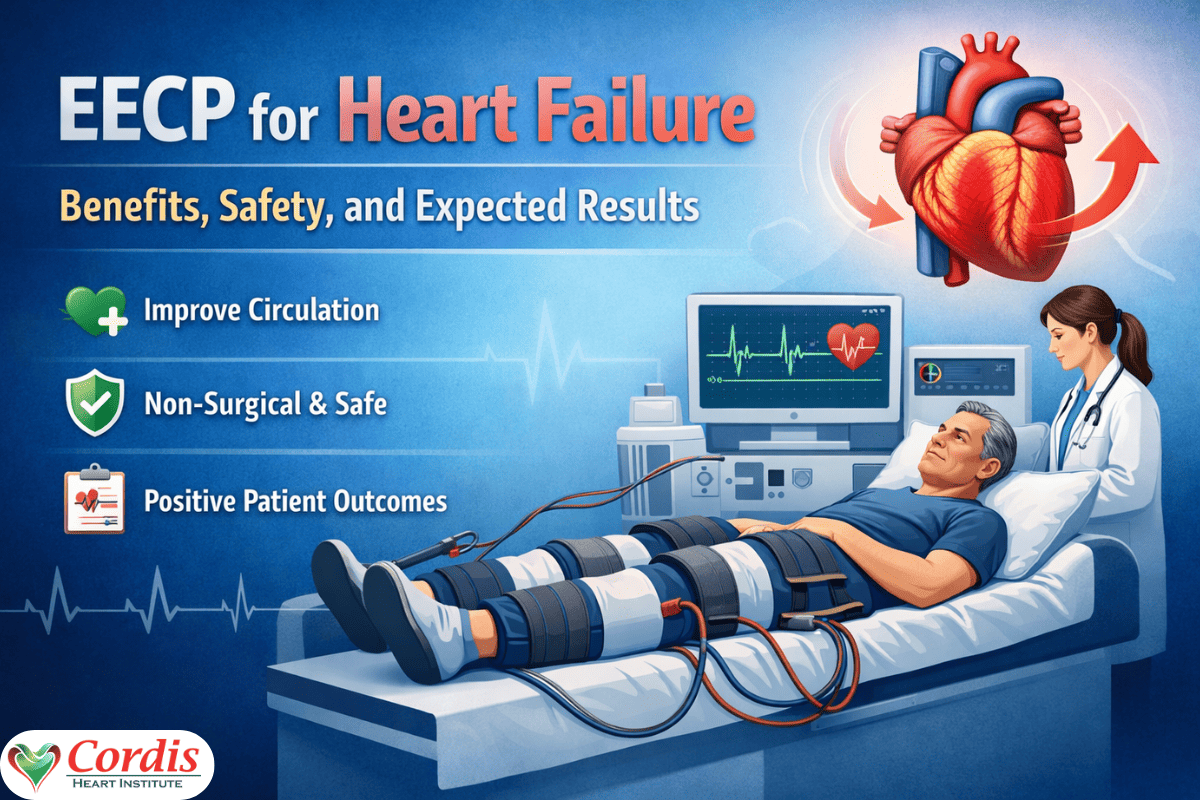
During an EECP session, inflatable cuffs are wrapped around the calves, thighs, and buttocks. These cuffs inflate and deflate in sync with the patient’s heartbeat. The timing is controlled by an ECG machine.
When the heart relaxes between beats, the cuffs inflate from the lower legs upward. This action pushes blood back toward the heart, increasing blood supply to the coronary arteries. Just before the heart pumps again, the cuffs deflate quickly, reducing resistance and making it easier for the heart to push blood forward.
Over multiple sessions, this process helps:
- Improve blood flow to heart muscle
- Support the development of small natural bypass vessels
- Reduce the workload on the heart
EECP vs Traditional Heart Failure Treatments
Standard heart failure care often includes medications, lifestyle changes, implanted devices, angioplasty, or bypass surgery. While these treatments are effective for many patients, not everyone responds well or qualifies for invasive procedures.
EECP therapy for heart failure is usually considered when:
- Symptoms persist despite medication
- Surgery carries high risk
- Patients want a non-surgical treatment option
EECP does not replace medicines or procedures. Instead, it works alongside them as part of a broader treatment plan.
Understanding Heart Failure and Blood Circulation
What Happens in Heart Failure
Heart failure occurs when the heart cannot pump enough blood to meet the body’s needs. This can happen due to weakened heart muscle, stiff heart walls, or damage from previous heart attacks.
Common symptoms include:
- Shortness of breath
- Fatigue
- Swelling in legs and feet
- Reduced ability to exercise
These symptoms directly affect daily life and independence.
Why Improving Circulation Matters
Better circulation means more oxygen reaches the heart muscle and other organs. When blood flow improves, the heart does not need to work as hard. This is why circulation-focused treatments like EECP can help reduce symptoms and improve tolerance for daily activity.
Benefits of EECP for Heart Failure Patients
Symptom Relief and Improved Stamina
Many patients report:
- Less breathlessness
- Reduced chest discomfort
- Better walking distance
- Improved ability to perform routine tasks
These changes often appear gradually during the treatment course.
Improved Quality of Life
As symptoms reduce, patients often experience:
- Lower fatigue levels
- Better sleep
- Fewer emergency visits related to heart symptoms
This improvement can be meaningful for long-term comfort and confidence.
Non-Invasive and Outpatient Friendly
EECP requires no hospital admission. Patients remain awake, sessions are painless for most people, and normal routines can continue during treatment. This makes it suitable for elderly patients or those with multiple health conditions.
Is EECP Safe for Heart Failure?
Safety Profile of EECP Therapy
EECP has regulatory approval and has been used worldwide for years. Sessions are supervised by trained medical staff, and heart rhythm and blood pressure are monitored throughout.
Side effects are usually mild and may include temporary muscle soreness or skin irritation from the cuffs.
Who Is an Ideal Candidate for EECP?
EECP may be suitable for:
- Chronic heart failure patients
- Reduced or preserved ejection fraction
- Ongoing symptoms despite medication
- Angina along with heart failure
A detailed evaluation is always needed before starting therapy.
Who Should Avoid EECP
EECP may not be recommended for patients with:
- Severe valve disorders
- Uncontrolled heart rhythm problems
- Recent deep vein thrombosis
- Severe peripheral vascular disease
What Results Can Patients Expect from EECP for Heart Failure?
Short-Term Results
Some patients notice symptom relief within the first few weeks. Others experience gradual improvement toward the end of the treatment cycle. Early sessions mainly help the body adapt to improved circulation.
Long-Term Outcomes
Benefits from EECP can last months to years, especially when combined with medication, diet control, and physical activity. Many patients maintain better exercise tolerance and symptom control long after sessions end.
How Many Sessions Are Required?
A standard EECP program includes:
- 35 sessions
- One-hour sessions
- Five days per week over seven weeks
The schedule may be adjusted based on patient needs.
EECP Treatment at Cordis Heart Institute
Why Choose Cordis Heart Institute for EECP
EECP at Cordis Heart Institute is guided by experienced cardiac specialists. Treatment is delivered in a monitored setting with careful attention to patient comfort and safety.
What Patients Can Expect During Treatment
- Detailed cardiac assessment before starting
- Continuous monitoring during sessions
- Regular progress checks
- Follow-up after completion of therapy
FAQs: EECP for Heart Failure
Is EECP effective for chronic heart failure?
EECP can help selected chronic heart failure patients by reducing symptoms and improving exercise tolerance.
Can EECP improve ejection fraction?
Some patients show improvement, though results vary and depend on overall heart condition.
How long do EECP results last?
Many patients experience benefits for several months or longer with proper follow-up care.
Is EECP painful or uncomfortable?
Most patients tolerate it well. The pressure feels firm but not painful for most people.
Can elderly patients undergo EECP therapy?
Yes, age alone is not a barrier if the patient meets safety criteria.
Is EECP covered by insurance in India?
Coverage varies. It is best to check with the hospital and insurance provider.
Conclusion: Is EECP the Right Option for Heart Failure?
EECP for heart failure offers a non-surgical option for patients who continue to face symptoms despite standard treatment. By improving blood circulation and reducing strain on the heart, EECP can help many patients regain comfort, stamina, and confidence in daily life.
If you or a loved one is exploring advanced non-invasive heart care, a consultation with a cardiac specialist can help determine whether EECP is the right fit.
EECP therapy is available at Cordis Heart Institute in Mira Road, Thane, and Solapur, making access easier for patients across multiple regions.