India has seen an increase in the prevalence of heart disease and many patients develop anxiety over procedures associated with heart disease such as bypass surgery or angioplasty. Concerns about potential surgery also include fear of complications from surgery, long recovery periods from surgery, and the associated costs of surgery. However, EECP therapy has helped create a new way of looking at heart care.
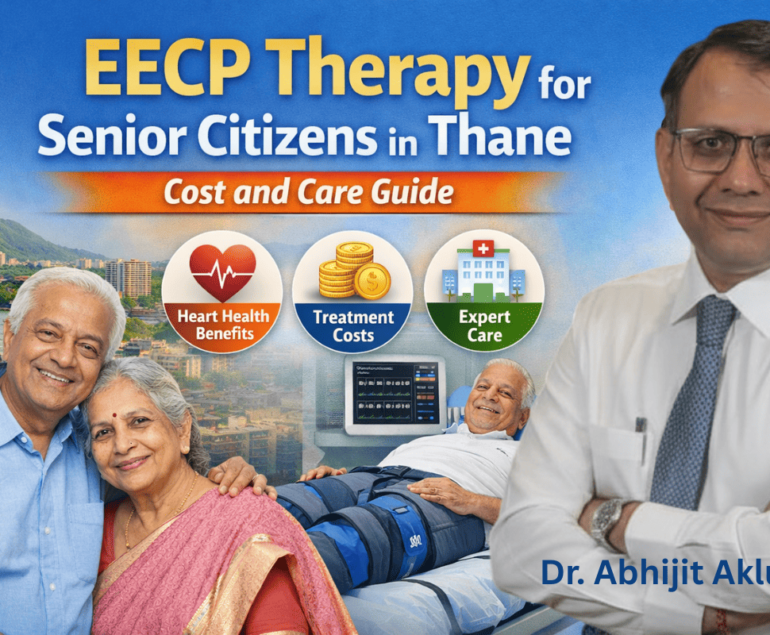
Enhanced External Counter Pulsation is a non-surgical treatment option that utilizes a method of mechanically enhancing blood flow to the heart with natural effects. Within the Cordis Heart Institute, Dr. Abhijit Aklujkar has successfully treated patients with EECP therapy to reduce symptoms of chest pain and shortness of breath.
In this guide you will learn about EECP therapy, how it works, who is a candidate for this therapy, its safety, and the types of results that patients can expect to have when using EECP therapy.
What Is EECP Therapy?
Enhanced External Counter Pulsation (EECP) is a type of therapy that allows a person’s heart to send more blood to the body without having to perform any surgical procedures on the patient’s body, as well as helping relieve symptoms of coronary artery disease.
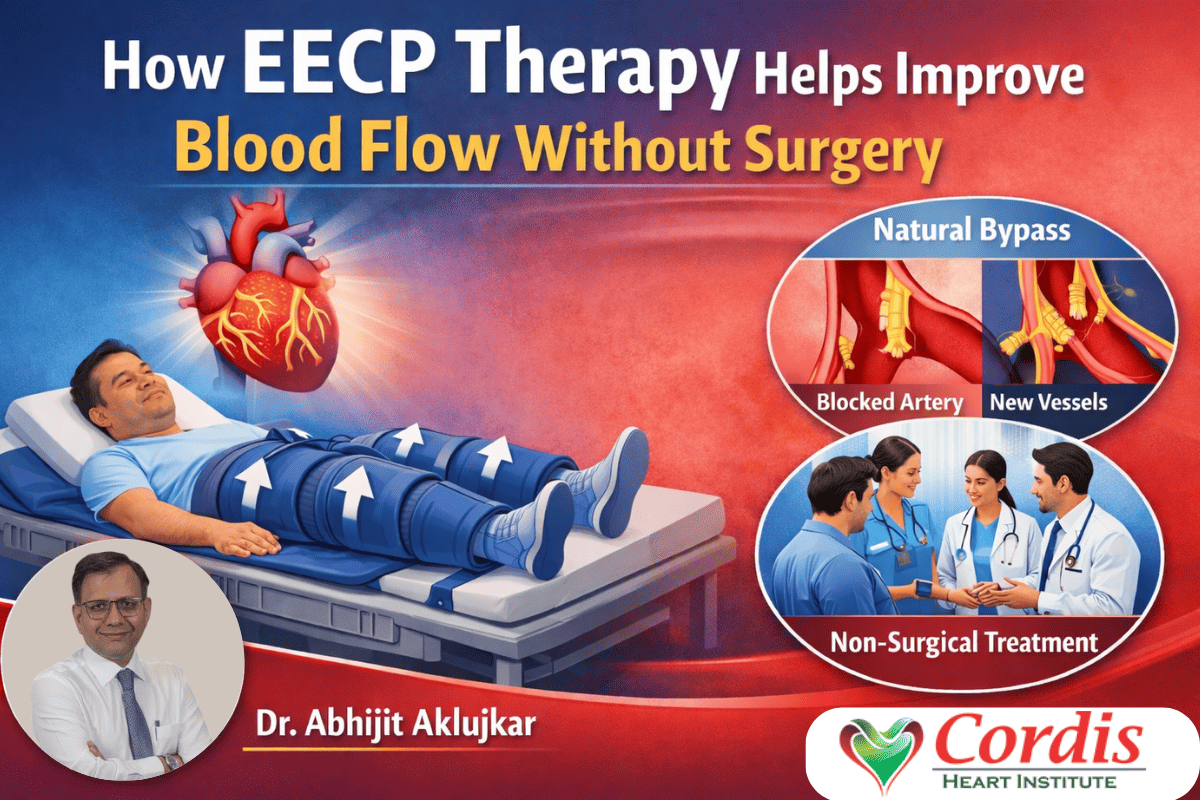
EECP is a new kind of therapy that treats people who have heart disease. Instead of working inside a patient’s body like surgery would do, EECP uses pressure to assist in pumping blood (oxygen rich) back to the heart, when it is time to pump blood again, from a patient’s legs by placing inflatable cuffs around their legs that rise and fall with the heartbeat.
How EECP Therapy Works Step by Step
- The patient lies comfortably on a treatment bed.
- Cuffs are wrapped around calves, thighs, and buttocks.
- The machine inflates cuffs during heart relaxation and deflates before the next heartbeat.
- This repeated cycle increases blood flow to the coronary arteries.
Over multiple sessions, the body begins to form new small blood vessels, often called natural bypass vessels.
Why EECP Is Called a Natural Bypass Treatment
The therapy stimulates development of collateral circulation. These new vessels help carry blood around blocked arteries, which improves oxygen delivery to the heart muscle.
How EECP Improves Blood Flow Without Surgery
Boosting Collateral Blood Vessels
Regular EECP sessions encourage growth of new pathways for blood circulation. This helps patients with heart blockage without surgery.
Increasing Oxygen Supply to Heart Muscles
Better circulation means more oxygen reaches the heart, which reduces chest pain and fatigue.
Reducing Heart Workload Safely
EECP reduces resistance in blood vessels. This lowers the strain on the heart during daily activities.
Improving Overall Cardiac Efficiency
Patients often notice better stamina, less breathlessness, and improved exercise tolerance.
Who Should Consider EECP Therapy?
EECP is often suggested for patients who want to avoid surgery or are not suitable candidates for invasive procedures.
Patients With Angina (Chest Pain)
People who experience chest pain during walking or exertion often see relief with EECP.
Heart Blockage Patients Avoiding Surgery
Patients with multiple blockages can consider EECP as a non-surgical heart treatment.
Patients Not Fit for Bypass or Angioplasty
Older patients or those with other health issues may benefit greatly.
Post-Angioplasty or Post-Bypass Recovery
EECP helps improve recovery and long-term heart health.
Conditions Treated With EECP Therapy
EECP is used to manage several cardiovascular conditions:
- Coronary artery disease
- Stable and unstable angina
- Heart failure symptoms
- Poor circulation
- Diabetes-related heart complications
Key Benefits of EECP Therapy
Completely Non-Surgical and Painless
No cuts, no anesthesia, and no hospital stay.
No Hospital Admission Required
Sessions are usually outpatient based.
Minimal Side Effects
Most patients tolerate treatment very well.
Improves Quality of Life and Stamina
Patients often report better sleep, energy, and mobility.
Long-Lasting Results
Benefits can last for years with lifestyle support.
EECP vs Angioplasty vs Bypass Surgery
|
Factor |
EECP Therapy |
Angioplasty |
Bypass Surgery |
|
Invasiveness |
Non-invasive |
Minimally invasive |
Major surgery |
|
Hospital Stay |
None |
1-2 days |
5-7 days |
|
Recovery Time |
Immediate |
Weeks |
Months |
|
Risk Level |
Low |
Moderate |
High |
Why Many Patients Choose EECP First
Patients prefer a safer approach before considering surgery.
What Happens During an EECP Treatment Session?
Preparation Before Treatment
Comfortable clothing and basic health checks are required.
What You Feel During the Session
A squeezing sensation in the legs, similar to a strong massage.
Duration and Number of Sessions
Typical plan: 35 sessions of 1 hour each.
When Results Start Showing
Many patients feel improvement within 2–3 weeks.
Success Rate of EECP Therapy
Clinical research shows encouraging results:
- Reduced angina episodes
- Improved exercise tolerance
- Better heart function
- Improved quality of life
Many patients experience long-term symptom relief.
Is EECP Therapy Safe?
Safety Record and Clinical Approval
EECP is approved and widely used globally for heart patients.
Possible Mild Side Effects
- Skin irritation
- Mild muscle soreness
- Fatigue in early sessions
Who Should Avoid EECP Therapy
- Severe valve disease
- Active blood clots
- Severe uncontrolled hypertension
A cardiologist evaluation is always required.
EECP Treatment at Cordis Heart Institute
At Cordis Heart Institute, patients receive personalized care from Dr Abhijit Aklujkar, who focuses on non-surgical cardiac solutions.
What patients can expect:
- Detailed cardiac assessment
- Individual treatment planning
- Modern EECP equipment
- Supportive medical team
FAQs About EECP Therapy
Is EECP therapy painful?
No. Most patients describe it as a strong massage.
How many EECP sessions are required?
Typically 35 sessions over 6–7 weeks.
Can EECP remove heart blockage permanently?
It improves blood flow and reduces symptoms rather than physically removing plaque.
Is EECP better than angioplasty?
It depends on the patient’s condition and cardiologist advice.
What is the cost of EECP therapy in India?
Costs vary based on treatment plan and hospital.
How long do EECP results last?
Many patients experience benefits for several years.
Can diabetics undergo EECP therapy?
Yes, many diabetic heart patients benefit from improved circulation.
Conclusion
EECP therapy provides a non-invasive method of improving your cardiovascular fitness and circulation. Patients are enjoying the benefits of this alternative treatment with very little risk, no hospitalisation, and lasting results. For many of these patients, it is becoming their first choice.
If you or someone you care for is suffering from chest or cardiac blockage, meet with Dr Abhijit Aklujkar at Cordis Heart Institute to find out how EECP therapy can improve your condition.
Book a consultation today and take the first step toward better heart health.