Heart disease is the leading cause of death and disability in adults. Heart failure also accounts for a significant number of hospitalizations of older adults. Everyday activities are challenging for heart failure patients because of symptoms such as excessive breathlessness, frequent fatigue, and other forms of discomfort.
Conventional management of heart failure includes medications, angioplasty, and coronary artery bypass surgery (CABG). Not all heart failure patients can receive surgery. EECP treatment for heart failure is a new, promising area of heart disease management. EECP is a non-invasive method for treating heart failure and chest pain by enhancing the blood flow to the heart.
EECP works in two ways, both of which allow the heart to function more effectively. First, it improves blood circulation via the heart and creates new blood vessels in the body. As a result, patients experience improved endurance, less chest pain, and a higher quality of life.
As the treatment of choice, Cordis Heart Institute provides patients with innovative non-invasive heart treatments using Dr Abhijit Aklujkar as the director for all cardiac patients treated there.
This paper discusses how EECP functions as well as describing some of the benefits of this type of treatment for patients suffering from heart disease. In addition, it discusses the patients that could benefit from EECP therapy and what will occur during EECP treatments.
What Is Enhanced External Counterpulsation (EECP) Therapy?
Understanding EECP Treatment
The purpose of Enhanced External Counterpulsation therapy is as a form of non-invasive treatment that works to increase blood circulation within the heart muscle. This type of therapy can be used for patients with chronic angina, blockages of arteries or where there has been a heart attack-and can also be used in conjunction with other treatments if they experience ongoing symptoms after taking medications and are not able to undergo surgical procedures.
Many studies have been published regarding EECP therapy, and it is well recognized among physicians as an effective supportive treatment option for patients experiencing continued angina despite taking medications or who are unable to undergo surgical procedures.
EECP therapy works to improve the natural flow of blood through the body without incisions or the use of anesthesia like other procedures such as angioplasty and/or bypass surgery do; therefore it is a non-invasive procedure that does not require patients to recover quickly.
How EECP Therapy Works
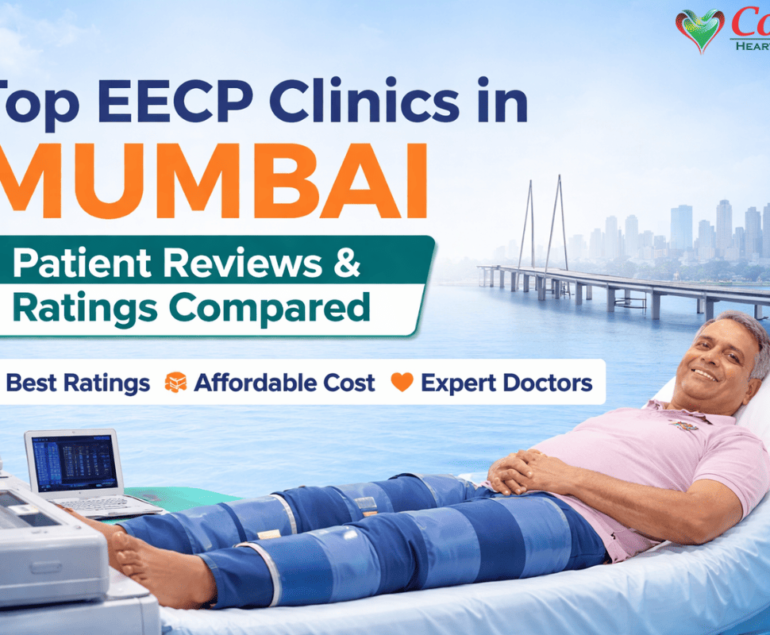
During an EECP session, inflatable cuffs are wrapped around the patient’s calves, thighs, and buttocks. These cuffs inflate and deflate in rhythm with the patient’s heartbeat.
Here is what happens during the process:
- When the heart relaxes between beats, the cuffs inflate sequentially from the calves upward.
- This pushes blood toward the heart, increasing oxygen supply to the heart muscle.
- Just before the heart pumps again, the cuffs deflate quickly, reducing resistance and allowing blood to flow more easily.
This process improves circulation and reduces the workload on the heart.
Over time, the treatment may also stimulate the development of new blood vessels around blocked arteries. These natural pathways help deliver oxygen-rich blood to areas that previously had poor circulation.
How EECP Improves Heart Function
EECP therapy supports heart health in several ways:
- Improves oxygen supply to the heart muscle
- Enhances blood circulation throughout the body
- Encourages development of natural bypass vessels
- Reduces symptoms of chest pain and fatigue
Because of these effects, many patients report better exercise tolerance and improved daily functioning after completing EECP therapy sessions.
Understanding Heart Failure and Its Symptoms
What Is Heart Failure?
Heart failure occurs when the heart is unable to pump blood efficiently enough to meet the body’s needs. It does not mean the heart has stopped working, but rather that it cannot circulate blood as effectively as it should.
Several medical conditions can contribute to heart failure, including:
- Coronary artery disease
- High blood pressure
- Heart valve disease
- Cardiomyopathy
- Previous heart attacks
When the heart’s pumping ability weakens, the body may not receive enough oxygen and nutrients, leading to various symptoms.
Common Symptoms of Heart Failure
Many people living with heart failure experience symptoms that affect their quality of life. These may include:
- Shortness of breath, especially during physical activity
- Persistent fatigue or weakness
- Swelling in the legs, ankles, or feet
- Difficulty exercising
- Rapid or irregular heartbeat
These symptoms may gradually worsen over time if the condition is not managed properly.
Traditional Treatments for Heart Failure
Standard treatments for heart failure typically include a combination of lifestyle changes and medical interventions.
Common approaches include:
- Prescription medications to reduce strain on the heart
- Angioplasty to open blocked arteries
- Coronary artery bypass surgery
- Implantable medical devices
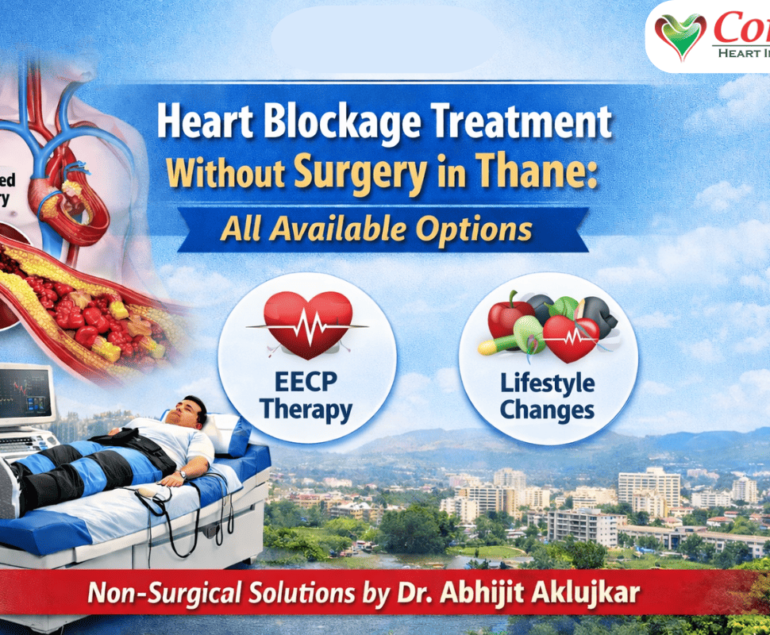
However, not every patient can undergo surgery. In such cases, non-invasive treatments such as EECP therapy for heart patients may offer another option.
Can EECP Treatment Help Patients with Heart Failure?
Improved Blood Circulation
One of the main benefits of EECP therapy is improved coronary circulation. By increasing blood flow to the heart muscle, the therapy can help deliver more oxygen to areas affected by reduced blood supply.
This improved circulation may reduce symptoms such as chest pain and breathlessness.
Reduced Workload on the Heart
Another benefit of EECP treatment is that it helps reduce the effort required by the heart to pump blood. When circulation improves, the heart does not have to work as hard.
This reduction in workload may help patients feel less fatigued during daily activities.
Better Quality of Life
Many patients undergoing EECP therapy report improvements in their ability to perform routine tasks. Activities such as walking, climbing stairs, or exercising may become easier after treatment.
Common improvements include:
- Less chest pain
- Increased energy levels
- Improved exercise tolerance
- Reduced hospital visits for heart symptoms
Scientific Evidence Supporting EECP Therapy
Several clinical studies have examined the benefits of EECP therapy in patients with heart disease and chronic angina. Research suggests that the therapy can improve blood flow and help reduce symptoms in selected patients.
Organizations such as the American Heart Association and Mayo Clinic provide information on non-invasive heart treatments and cardiac rehabilitation options.
External reference links can include:
- American Heart Association
- Mayo Clinic
- Cleveland Clinic
These sources offer additional information about heart disease management and treatment options.
Who Is a Good Candidate for EECP Therapy?
EECP therapy may be suitable for patients who continue to experience symptoms despite medication or who are not candidates for invasive procedures.
Patients who may benefit include:
Patients with Chronic Angina
Individuals who experience persistent chest pain despite medication may find relief through EECP therapy.
Patients Not Eligible for Surgery
Some patients cannot undergo angioplasty or bypass surgery due to age or other medical conditions.
Patients with Heart Failure Symptoms
Those experiencing fatigue, breathlessness, or reduced exercise tolerance may benefit from improved blood circulation.
Patients Seeking Non-Surgical Heart Treatment
People looking for alternatives to invasive procedures may consider EECP therapy after medical evaluation.
A consultation with Dr Abhijit Aklujkar at Cordis Heart Institute can help determine whether EECP treatment is appropriate.
What to Expect During EECP Treatment
EECP Treatment Procedure
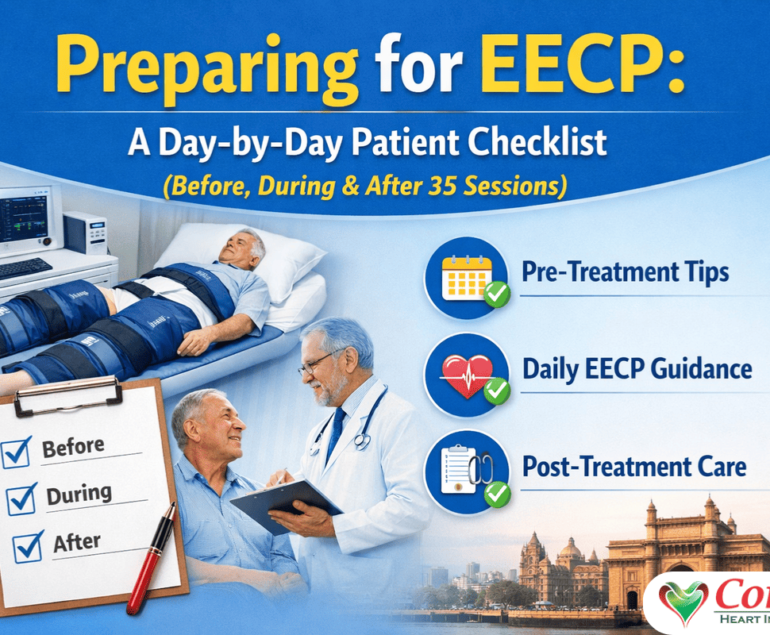
A typical EECP session lasts about one hour. Most treatment programs include approximately 35 sessions, usually scheduled five days a week over several weeks.
During the session:
- The patient lies comfortably on a treatment table
- Inflatable cuffs are placed around the legs
- The machine synchronizes inflation with the heartbeat
Patients remain awake throughout the session and can usually relax, read, or listen to music during treatment.
Is EECP Therapy Safe?
EECP therapy is considered safe for many patients when performed under medical supervision. Because it is non-invasive, the treatment does not require surgery or anesthesia.
Side effects are generally mild and may include temporary muscle soreness from the pressure of the cuffs.
Recovery and Results
Many patients begin to notice improvements after several sessions. However, the full benefits often appear after completing the entire course of treatment.
Reported improvements include:
- Increased stamina
- Reduced chest discomfort
- Improved circulation
- Better daily functioning
EECP Therapy at Cordis Heart Institute
Expert Cardiac Care with Dr Abhijit Aklujkar
At Cordis Heart Institute, patients receive personalized care for various heart conditions. Dr Abhijit Aklujkar has experience treating patients with advanced cardiac therapies, including EECP treatment.
Each patient undergoes careful evaluation before beginning therapy to ensure the treatment is appropriate.
Why Choose Cordis Heart Institute for EECP Treatment
Patients choose Cordis Heart Institute for several reasons:
- Advanced cardiac treatment facilities
- Non-invasive heart therapy options
- Patient-focused care
- Experienced cardiac specialists
The goal is to help patients manage heart conditions and improve their overall quality of life.
Personalized Treatment Approach
The treatment process typically includes:
- Initial consultation and diagnosis
- Medical evaluation and treatment planning
- Customized EECP therapy sessions
- Ongoing monitoring and follow-up care
This structured approach helps ensure patients receive appropriate and effective treatment.
FAQs About EECP Treatment for Heart Failure
Is EECP therapy effective for heart failure patients?
EECP therapy may help improve symptoms in some heart failure patients by improving circulation and reducing strain on the heart.
How long do the benefits of EECP treatment last?
Many patients experience benefits that last months or even years, especially when combined with healthy lifestyle habits and medical care.
Can EECP therapy replace bypass surgery?
EECP therapy does not replace surgery for all patients. However, it may help those who cannot undergo invasive procedures or who continue to have symptoms after surgery.
Is EECP treatment painful?
Most patients find EECP therapy comfortable. The cuffs apply pressure during treatment, but it should not cause pain.
How many EECP sessions are required?
A standard treatment course usually involves 35 sessions, each lasting about one hour.
Who should avoid EECP therapy?
Certain medical conditions may make EECP unsuitable. A doctor must evaluate each patient before starting treatment.
Conclusion: Is EECP the Right Treatment for Heart Failure?
Heart Failure Can Affect the Activities of Daily Life. While both medication and surgery have an important role to play in the treatment of heart failure, there are also noninvasive treatment options available such as Enhanced External Counterpulsation (EECP) therapy that may provide an additional option for some patients with heart failure.
EECP therapy improves blood flow to the heart, allowing a decrease in pressures exerted on the heart and may relieve symptoms of heart failure and improve quality of life of patients.
Patients who wish to explore non-surgical treatment options for heart patients should consult with their physician to assess their potential candidacy for EECP therapy.
Book a Consultation
If you or a loved one is experiencing symptoms such as chest pain, fatigue, or shortness of breath, professional evaluation is important.
Consult Dr Abhijit Aklujkar at Cordis Heart Institute to learn whether EECP therapy may help improve your heart health.
Early consultation can help you understand your treatment options and take steps toward better heart health.