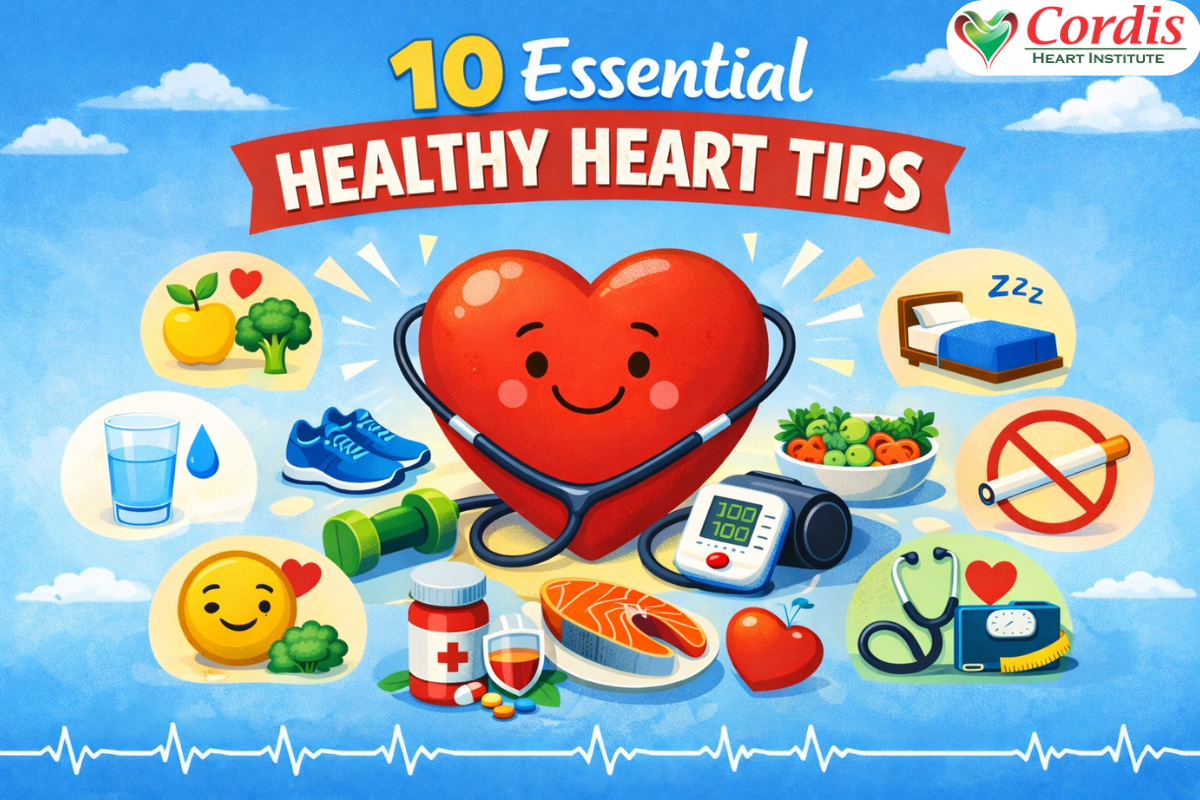
To live life fully, taking care of your heart should be a top priority. Your heart plays a central role in overall health by pumping oxygen-rich blood throughout the body and removing waste products. A healthy heart supports every organ, muscle, and system in your body.
The good news is that most heart problems can be prevented with simple lifestyle changes. By following these healthy heart tips, you can lower your risk of heart disease and improve long-term wellbeing.
1. Stay Physically Active
Lack of physical activity increases the risk of heart attack and stroke. Regular movement keeps your heart strong and improves blood circulation. Activities such as brisk walking, cycling, swimming, yoga, or gym workouts are excellent for heart health. Aim for at least 40–50 minutes of physical activity daily.
2. Follow Heart-Healthy Eating Habits
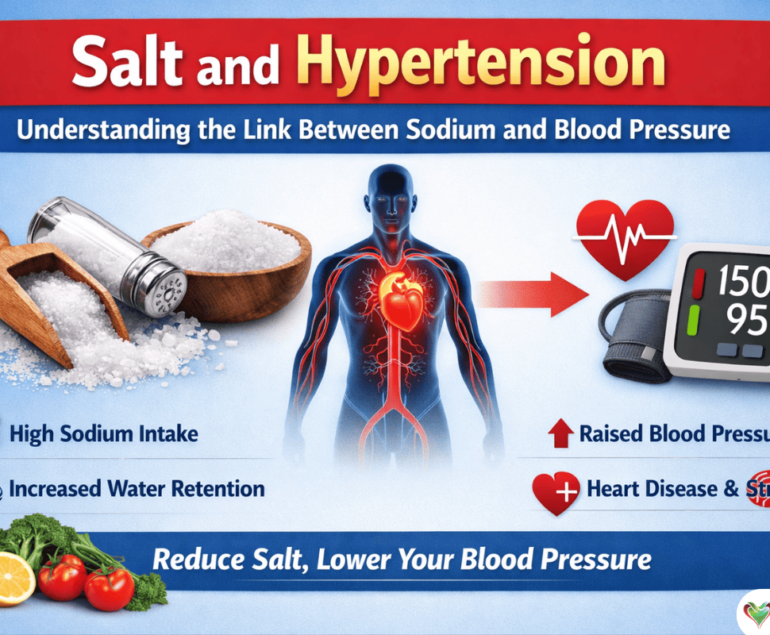
A balanced diet plays a major role in maintaining a healthy heart. Include plenty of fruits, vegetables, whole grains, pulses, nuts, seeds, and plant-based foods. Reduce salt intake and choose healthy protein sources. Avoid refined sugar, refined flour, fried foods, fast food, and highly processed items.
3. Limit Alcohol Consumption
Excess alcohol intake can raise blood pressure, increase weight, and raise the risk of heart rhythm issues, heart failure, and stroke. If possible, avoid alcohol or keep consumption minimal to protect your heart.
4. Quit Smoking
Smoking is one of the leading causes of heart disease. Nicotine narrows blood vessels, increases blood pressure, and reduces oxygen supply to the heart. Quitting smoking significantly lowers the risk of heart attack and improves overall health.
5. Maintain a Healthy Body Weight
Being overweight increases the risk of heart disease, stroke, and circulation problems. A combination of regular exercise, balanced meals, and adequate hydration helps maintain a healthy weight and supports heart function.
6. Keep Blood Pressure Under Control
High blood pressure often has no symptoms but can seriously damage the heart over time. Regular blood pressure checks and proper treatment for hypertension help reduce the risk of heart attack and stroke.
7. Control Blood Sugar Levels
Diabetes and high blood sugar damage blood vessels and raise the risk of heart disease. Managing blood sugar through diet, physical activity, and medication when needed is essential for heart protection.
8. Manage Cholesterol Levels
High cholesterol increases the chance of blocked arteries and heart attack. Eat foods rich in Omega-3 and Omega-6 fatty acids, stay active, and reduce intake of saturated and trans fats. Limiting non-vegetarian and processed foods also helps maintain healthy cholesterol levels.
9. Reduce Stress
Ongoing stress affects both mental and heart health. Stress management through yoga, meditation, physical activity, proper hydration, and balanced meals helps maintain emotional balance and supports heart health.
10. Get Quality Sleep
Poor sleep increases the risk of high blood pressure, diabetes, obesity, and heart disease. Adults should aim for 6–8 hours of quality sleep each night. Good sleep supports hormone balance, lowers stress, and keeps the heart functioning properly.
Why Regular Heart Checkups Matter
Early heart disease often shows few or no symptoms. Regular screening and timely checkups help detect problems before they become serious, especially during middle age or if you have risk factors like diabetes or high blood pressure.
Book a Free Heart Health Checkup
📞 Call Us: +91 8369439101
📧 Mail: cordisheartinstitute@gmail.com
🌐 Visit Our Website: www.cordisheartinstitute.com
Taking small steps today can help protect your heart for years to come.