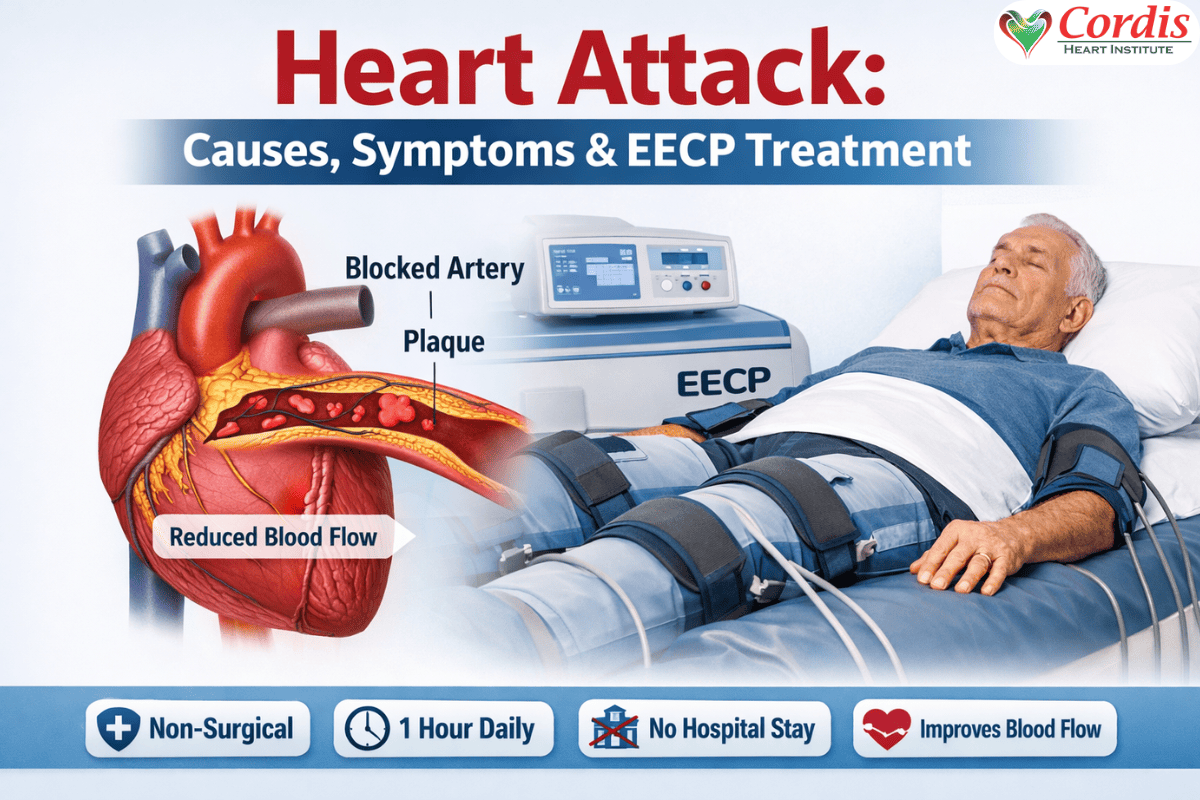
A heart attack occurs when the blood flow to the heart muscle suddenly reduces or stops. This usually happens because the coronary arteries, which supply blood to the heart, become narrowed due to a buildup of fat, cholesterol, and other substances known as plaque.
This slow buildup is called atherosclerosis.
When a plaque inside a heart artery ruptures, a blood clot forms around it. This clot can completely block blood flow, damaging the heart muscle and leading to a heart attack.
Common Causes of Heart Attack
Several lifestyle and medical factors increase the risk of a heart attack:
- Smoking
- High blood pressure
- High cholesterol
- Diabetes or insulin resistance
- Overweight or obesity
- Sedentary lifestyle
- Chronic stress
Symptoms of a Heart Attack
Heart attack symptoms can vary from person to person. The most common signs include:
- Chest pain, pressure, or discomfort
- Shortness of breath
- Pain or discomfort in the jaw, neck, back, arms, or shoulders
- Cold sweating
- Feeling weak, light-headed, or faint
Other symptoms may include unusual tiredness, nausea, or vomiting. These are more commonly seen in women.
Important: If you notice these symptoms, seek medical help immediately.
How to Prevent a Heart Attack
You can lower your risk by making simple lifestyle changes:
- Eat a heart-healthy diet with less fat, sugar, and salt
- Stay physically active with regular aerobic exercise
- Maintain a healthy weight
- Keep blood pressure under control
- Manage blood sugar levels
- Quit smoking and limit alcohol
- Practice stress control through yoga, meditation, or relaxation
Routine Hospital Management After a Heart Attack
Hospitals use methods to restore blood flow to the heart muscle:
- Clot-dissolving medicines (Thrombolysis)
- Angioplasty (Primary PCI / PTCA)
These procedures help reopen blocked arteries and reduce damage to the heart.
Complications After a Heart Attack
A heart attack can weaken the heart muscle and affect its pumping ability. Possible complications include:
- Reduced LVEF (Left Ventricular Ejection Fraction)
- Breathlessness on exertion
- Chest discomfort
- Abnormal heart rhythm
- Risk of repeat heart attack
- Stroke, kidney problems, or peripheral arterial disease (PAD)
Investigations After a Heart Attack
Doctors may recommend the following tests:
- 2D Echo: To assess heart muscle damage and pumping strength (LVEF)
- Coronary Angiography: To identify blockages in heart arteries
Treatment for Heart Blockages and Low LVEF
Standard treatment options include:
- Angioplasty
- Bypass surgery
The choice depends on the number, location, and severity of blockages.
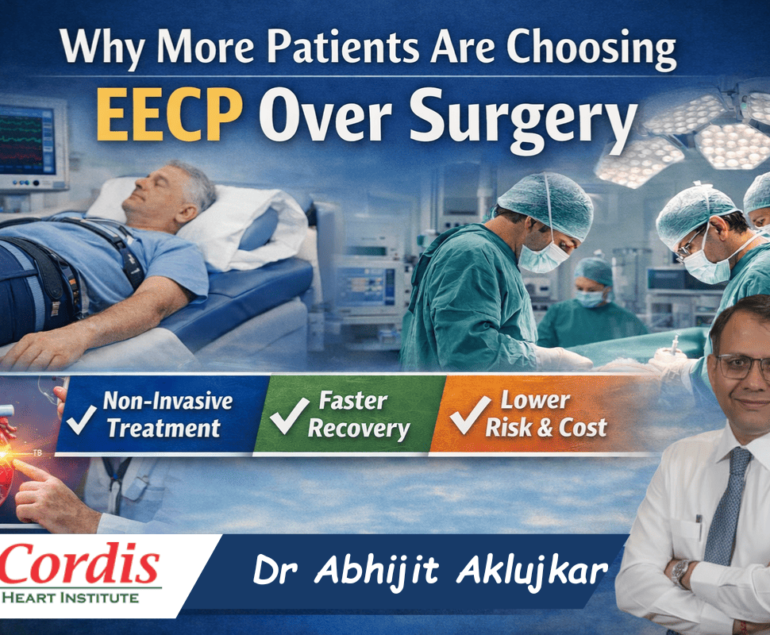
Limitations of Surgical Treatments
- Risk to life and post-procedure complications
- Pain and long recovery period
- Hospital admission required
- High treatment cost
A Non-Surgical Solution: EECP Treatment
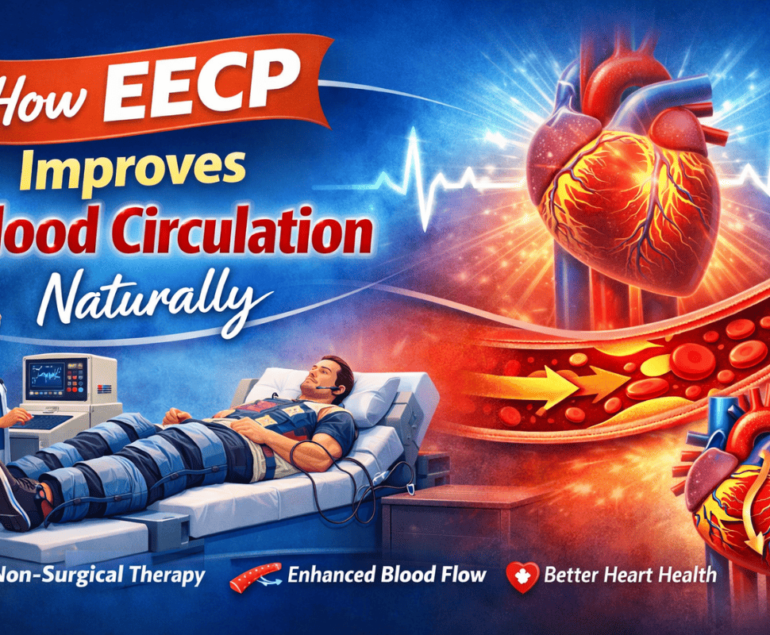
EECP (Enhanced External Counter Pulsation) is a non-surgical treatment for heart disease and low LVEF.
Key Benefits of EECP
- US FDA approved treatment
- No surgery
- No hospital stay
- No major side effects
- Cost-effective option
Treatment protocol:
- 1 hour per day
- 35 sessions
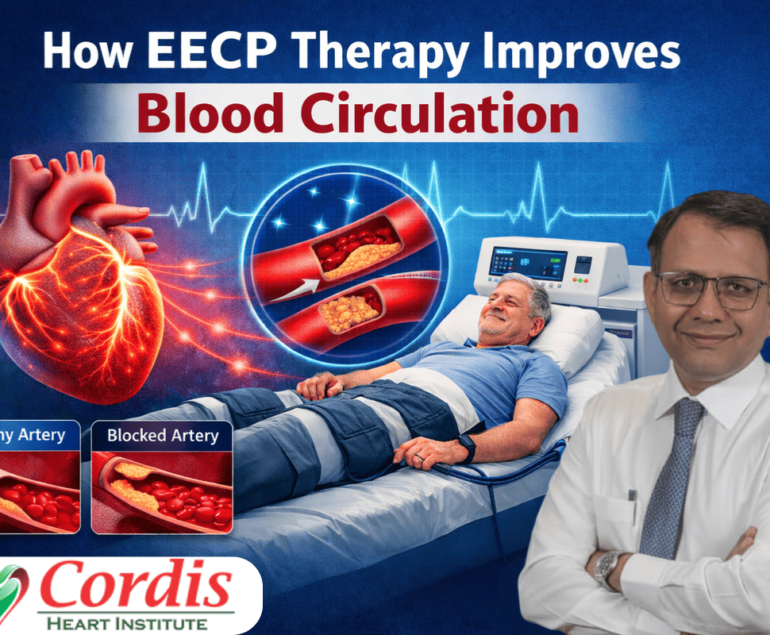
EECP improves blood flow to the heart muscle. With regular sessions, small natural blood vessels develop around blocked arteries, acting like a natural bypass.
Why Choose Cordis Heart Institute?
- Treatment supervised by an interventional cardiologist
- US FDA approved Vasomedical EECP machine (global standard)
- Years of experience in managing heart disease
Treatment Results
| Outcome | Numbers |
| Bypass Prevented | 10,023 |
| Angioplasty Prevented | 7,826 |
| Success Rate | 95.6% |
Patient Testimonials
Real patients. Real results. Many heart patients have reported better exercise capacity, reduced chest pain, and improved quality of life after EECP therapy.
Frequently Asked Questions
Is EECP safe?
Yes, EECP is a non-invasive and well-tolerated treatment.
Who can take EECP treatment?
Patients with heart blockages, low LVEF, angina, or those advised surgery but looking for non-surgical options.
Can EECP avoid surgery?
In many cases, EECP helps patients manage symptoms without angioplasty or bypass.