If your doctor has recommended EECP therapy, you are probably wondering how to prepare for EECP treatment for heart failure and what to expect during the process. Enhanced External Counterpulsation, or EECP, is a non-invasive treatment that helps improve blood flow to the heart and reduce symptoms like chest pain and fatigue. While the therapy itself is gentle and does not involve surgery, proper preparation plays a big role in getting the best results.
Patients who prepare well often feel more comfortable during sessions, recover faster, and stay consistent throughout the treatment course. This guide walks you through everything you need to know, from medical checkups and clothing choices to lifestyle adjustments and aftercare. By the end, you will have a clear, practical roadmap that helps you start EECP therapy with confidence and realistic expectations.
What Is EECP Treatment for Heart Failure?
How EECP Therapy Works to Improve Heart Function
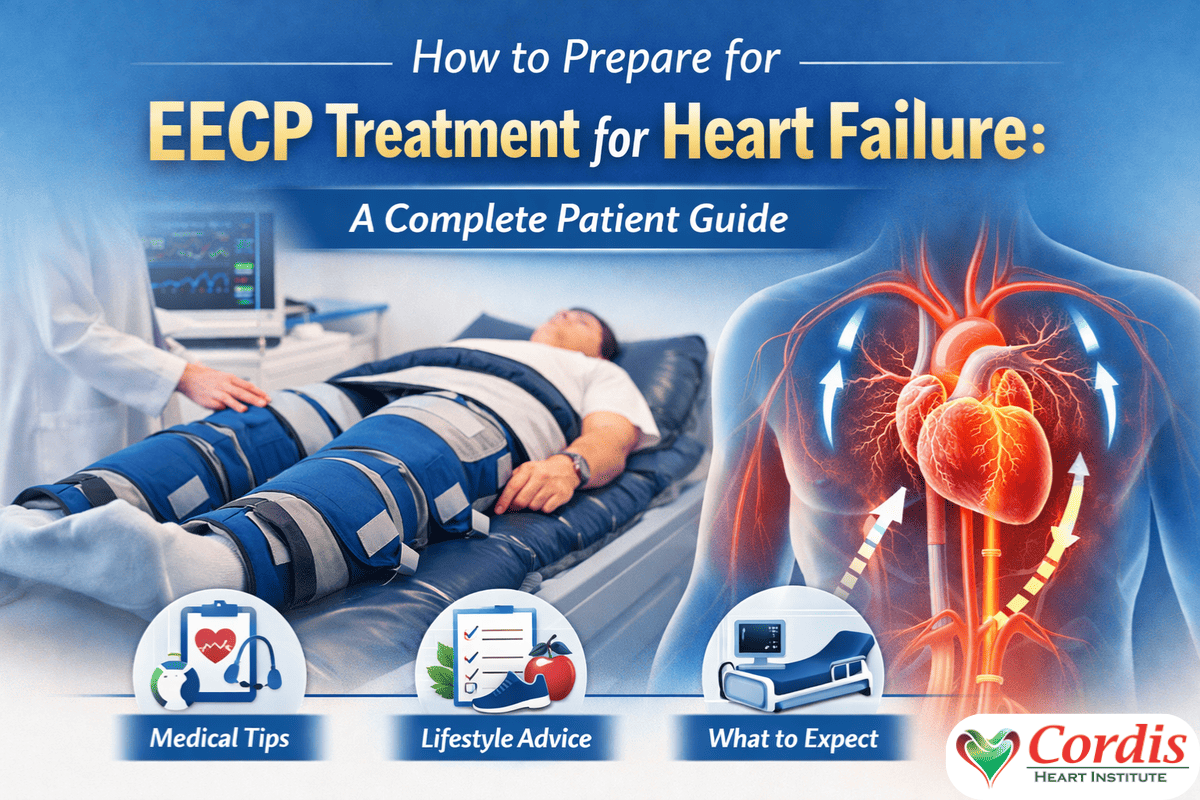
EECP therapy for heart failure uses inflatable cuffs wrapped around your legs and lower body. These cuffs inflate and deflate in sync with your heartbeat. This controlled pressure pushes oxygen-rich blood back toward the heart and improves circulation.
Over a series of sessions, enhanced external counterpulsation encourages the formation of small new blood vessels and improves overall heart efficiency. Many patients report reduced chest discomfort, better stamina, and an improved quality of life after completing treatment.
Who Is a Good Candidate for EECP Treatment?
Common candidates for EECP therapy include people with:
- Chronic stable angina
- Heart failure with reduced exercise tolerance
- Persistent symptoms despite medication
- Limited options for surgery or stenting
EECP eligibility depends on your overall health. People with severe valve disease, uncontrolled high blood pressure, or certain vascular conditions may need extra evaluation before starting.
Benefits of EECP Treatment for Heart Patients
EECP is a non-invasive heart treatment with several advantages:
- No surgery or anesthesia required
- Minimal recovery time
- Improved blood flow and symptom relief
- Better exercise capacity
- Reduced need for some medications in certain cases
These benefits make EECP an attractive option for patients looking for alternatives to invasive procedures.
Why Proper Preparation for EECP Treatment Matters
How Preparation Affects Treatment Outcomes
Preparing ahead of time helps your body respond better to therapy. When patients follow medical advice, manage medications correctly, and maintain healthy habits, they are more likely to complete the full course of treatment and see steady progress.
Good preparation also lowers the chance of skin irritation, fatigue, or scheduling disruptions.
Common Concerns Patients Have Before Starting EECP
It is normal to feel unsure before your first session. Patients often ask:
- Will the treatment hurt?
- Can I continue daily activities?
- How long before I notice results?
Most people find EECP comfortable after the first few sessions. Addressing these concerns early with your care team reduces anxiety and helps you stay committed.
Medical Preparation Before Starting EECP Therapy
Tests and Evaluations You May Need
Before beginning therapy, your doctor may order heart tests before EECP such as:
- Echocardiogram
- Stress test
- Electrocardiogram (ECG)
- Blood work
This pre-EECP evaluation confirms that the treatment is safe and tailored to your condition.
Medications to Discuss With Your Doctor
Talk openly about medications before EECP therapy, including:
- Blood thinners
- Blood pressure medicines
- Diabetes medication
- Supplements
Never stop a medication without medical advice. Your doctor may adjust timing or dosage to match your session schedule.
What to Tell Your Cardiologist Before Treatment
Share details about:
- Recent hospitalizations
- New symptoms
- Skin sensitivity or leg injuries
- Changes in physical activity
Clear communication helps your cardiologist fine-tune your treatment plan.
Physical Preparation for EECP Treatment Sessions
What to Wear to an EECP Appointment
Choosing the right clothing improves comfort. Wear:
- Loose, lightweight pants
- A soft T-shirt
- Clean socks
- Supportive undergarments
Avoid thick seams or tight fabrics that could irritate your skin during cuff inflation.
Eating and Drinking Guidelines Before Sessions
Eat a light meal one to two hours before treatment. Heavy meals can cause discomfort when lying down. Stay hydrated, but avoid excessive caffeine right before your session.
Managing Existing Health Conditions During Treatment
If you have diabetes, arthritis, or circulation problems, discuss management strategies with your care team. Bring necessary supplies such as glucose monitors or prescribed braces.
Mental and Lifestyle Preparation for EECP Therapy
Setting Realistic Expectations for Results
EECP is not an instant fix. Most treatment programs involve about 35 one-hour sessions over several weeks. Improvements often appear gradually. Patience and consistency are key.
Lifestyle Changes That Support EECP Success
Lifestyle changes for heart failure patients can strengthen treatment results:
- Follow a heart-healthy diet
- Quit smoking
- Engage in gentle exercise if approved
- Manage stress through relaxation techniques
- Get adequate sleep
These habits support long-term heart health.
Tips to Stay Comfortable During the 1-Hour Sessions
Bring music, podcasts, or audiobooks to pass the time. Practice slow breathing and communicate with staff if you feel discomfort. Small adjustments can make sessions more relaxing.
What to Expect on Your First Day of EECP Treatment
Step-by-Step Overview of an EECP Session
On your first visit:
- A technician measures and fits the cuffs
- Heart monitors are attached
- You lie comfortably on a treatment table
- The machine inflates and deflates cuffs in rhythm with your heartbeat
- Staff monitor your response throughout
Knowing what happens during EECP therapy reduces uncertainty.
Possible Sensations and Side Effects
You may feel firm pressure around your legs, similar to a strong massage. Mild soreness or skin redness can occur early on but usually fades as your body adjusts.
Aftercare and Ongoing Preparation During the Treatment Course
How to Care for Your Skin and Muscles
After each session:
- Check for skin irritation
- Keep the area clean and dry
- Use gentle moisturizers if approved
- Stretch lightly to ease muscle tension
Report persistent discomfort to your provider.
Tracking Progress and Communicating With Your Doctor
Keep a simple journal of symptoms, energy levels, and activity tolerance. Share updates during follow-ups so your doctor can adjust the plan if needed.
FAQs About Preparing for EECP Treatment for Heart Failure
How long before EECP treatment should I prepare?
Start preparing one to two weeks in advance by scheduling tests, reviewing medications, and adjusting daily routines.
Can I eat before an EECP session?
Yes. A light meal is recommended to prevent discomfort while lying down.
Is EECP treatment painful?
Most patients describe it as firm pressure rather than pain. Discomfort usually decreases after the first few sessions.
Can I continue working during EECP therapy?
Many people maintain normal work schedules. Sessions are typically outpatient and flexible.
What should I avoid before EECP treatment?
Avoid heavy meals, alcohol, and tight clothing before sessions.
Final Thoughts: Preparing for a Successful EECP Treatment Journey
Preparing well for EECP therapy sets the stage for a smoother and more effective experience. From medical evaluations and clothing choices to lifestyle habits and aftercare, each step supports better comfort and consistent progress. Patients who stay informed and proactive often complete treatment with greater confidence and satisfaction.
If you are considering EECP, speak with a qualified specialist about your options. Schedule a consultation, ask questions, and take an active role in your care. Sharing your experience or questions in the comments can also help others who are starting a similar journey.