In today’s fast-paced lifestyle, processed foods and poor eating habits have become common. As a result, heart disease continues to be one of the leading causes of death worldwide. The good news is that heart health can be improved through smarter food choices. One approach that has gained strong attention for cardiovascular care is the Plant-Based Whole Food (PBWF) diet.
This blog explains what the PBWF diet is, how it supports heart health, and how you can adopt it in a practical way.
What Is the Plant-Based Whole Food (PBWF) Diet?
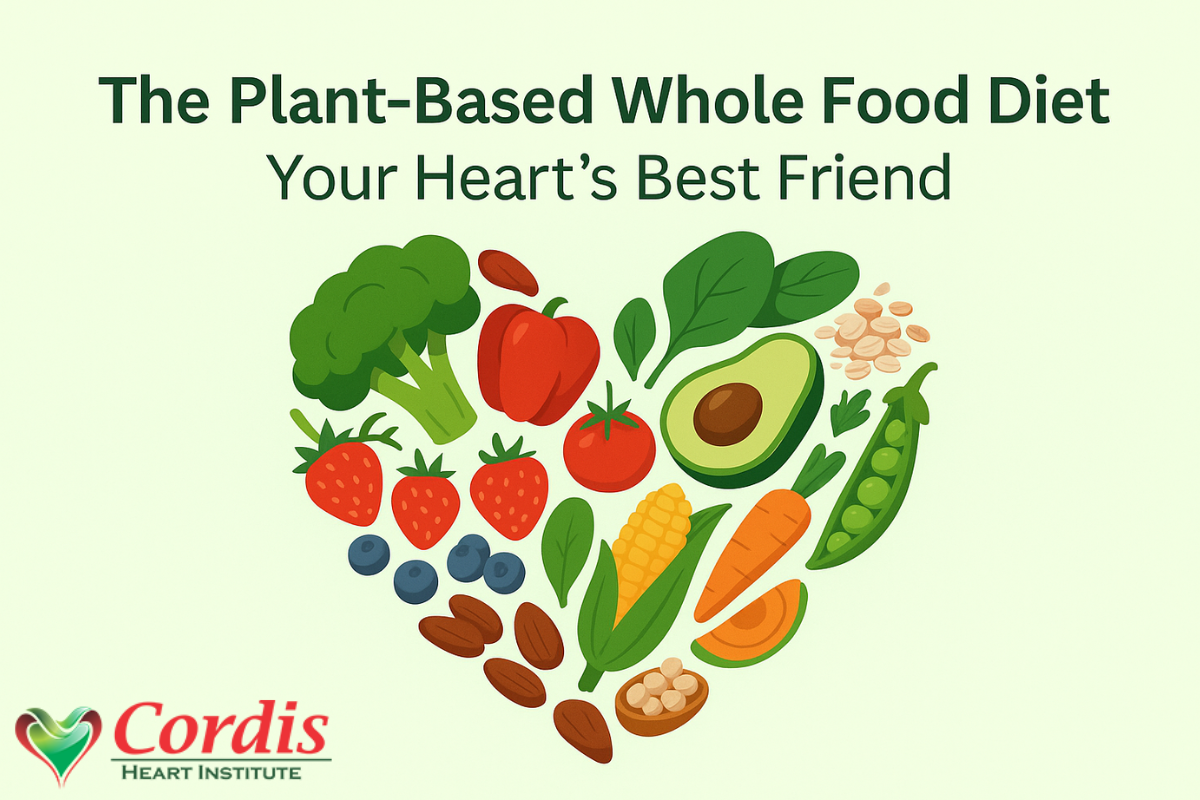
The Plant-Based Whole Food diet focuses on eating foods that come directly from plants, with minimal processing. It encourages a daily intake of:
- Fruits and vegetables
- Whole grains
- Legumes like beans and lentils
- Nuts and seeds
At the same time, it reduces or avoids animal-based foods and heavily processed items. Rather than being a short-term trend, the PBWF diet is a long-term eating pattern built around natural, nutrient-rich foods that support overall heart health.
How the PBWF Diet Supports Heart Health
Lowering Cholesterol Levels
High LDL cholesterol is a major contributor to heart disease. A plant-based whole food diet is naturally low in saturated fat and high in fiber, which helps reduce LDL cholesterol levels. Foods such as oats, barley, lentils, and beans support healthy arteries and reduce plaque buildup.
Managing Blood Pressure
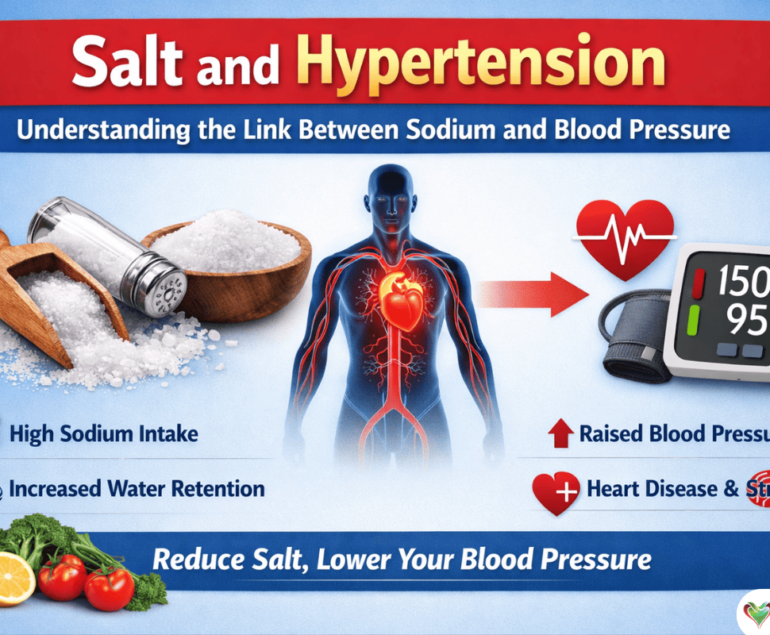
High blood pressure is another common heart risk factor. PBWF foods are rich in potassium and low in sodium, which helps balance blood pressure levels. Bananas, spinach, sweet potatoes, and leafy greens support healthy blood flow and vessel function.
Supporting Healthy Weight
Maintaining a healthy body weight plays an important role in heart care. The PBWF diet contains foods that are filling yet lower in calories. High fiber intake helps control appetite, making weight management easier without strict calorie counting.
Anti-Inflammatory Effects on the Heart
Long-term inflammation can damage blood vessels and increase the risk of heart disease. A plant-based whole food diet includes antioxidants and natural compounds that help reduce inflammation. Foods such as berries, broccoli, kale, and colorful vegetables help protect blood vessels and support long-term heart function.
Key Heart-Friendly Nutrients in a PBWF Diet
Omega-3 Fatty Acids
Omega-3 fats help reduce irregular heart rhythms and support healthy triglyceride levels. Plant-based sources include:
- Flaxseeds
- Chia seeds
- Walnuts
These options provide heart-supporting fats without relying on fish or animal products.
Dietary Fiber
Fiber supports heart health by lowering cholesterol, supporting digestion, and improving blood sugar control. Whole grains, fruits, vegetables, and legumes are excellent fiber sources and form the base of a PBWF diet.
Antioxidants
Antioxidants help protect blood vessels from damage caused by free radicals. Blueberries, dark leafy greens, nuts, and seeds are rich sources that support long-term cardiovascular wellness.
Foods Limited or Avoided in a PBWF Diet
Animal-Based Foods
- Red meat and poultry
- Dairy products like milk, cheese, and butter
- Eggs
- Fish and seafood
Highly Processed Foods
- Fast food and fried foods
- Packaged snacks and bakery items
- Sugary cereals and desserts
- Processed vegan foods with additives
Refined and Added Ingredients
- White bread and white rice
- Added sugars and artificial sweeteners
- Excess salt
- Refined cooking oils (used minimally or avoided)
The level of restriction may vary from person to person, but the main focus remains on whole, unprocessed plant foods.
Practical Tips to Start a PBWF Diet
- Start gradually: Add more plant-based meals each week instead of changing everything at once
- Try new foods: Experiment with grains, legumes, vegetables, and plant-based recipes
- Balance your plate: Include plant protein, healthy fats, and a variety of vegetables
- Read food labels: Avoid hidden sugars, oils, and additives
- Get support: Join online groups or involve family members for motivation
Conclusion
The Plant-Based Whole Food diet is a strong dietary approach for improving heart health and reducing the risk of cardiovascular disease. By focusing on natural plant foods and limiting processed and animal-based products, you support healthy cholesterol levels, blood pressure control, weight balance, and reduced inflammation.
Adopting a PBWF diet is not about restriction. It’s about choosing foods that support long-term heart care and overall well-being. With consistent effort, your heart benefits today and in the years ahead.