If you have been advised EECP for angina or heart blockage, it is natural to feel unsure about how the treatment works and how to prepare for it. Many patients search for clear, step-by-step guidance before starting EECP therapy in Mumbai, especially because the treatment runs over 35 sessions and requires daily commitment.
EECP, or Enhanced External Counterpulsation, is often recommended for people with stable angina or heart blockage who want a non-surgical option. While the treatment itself is non-invasive, the results depend a lot on how well you prepare, how consistently you attend sessions, and how you take care of yourself during and after the program.
This guide breaks everything down into a simple, day-by-day checklist so you know exactly what to do before starting EECP, what to expect during each phase, and how to maintain the benefits after completing all 35 sessions.
What Is EECP Therapy and Who Is It Recommended For?
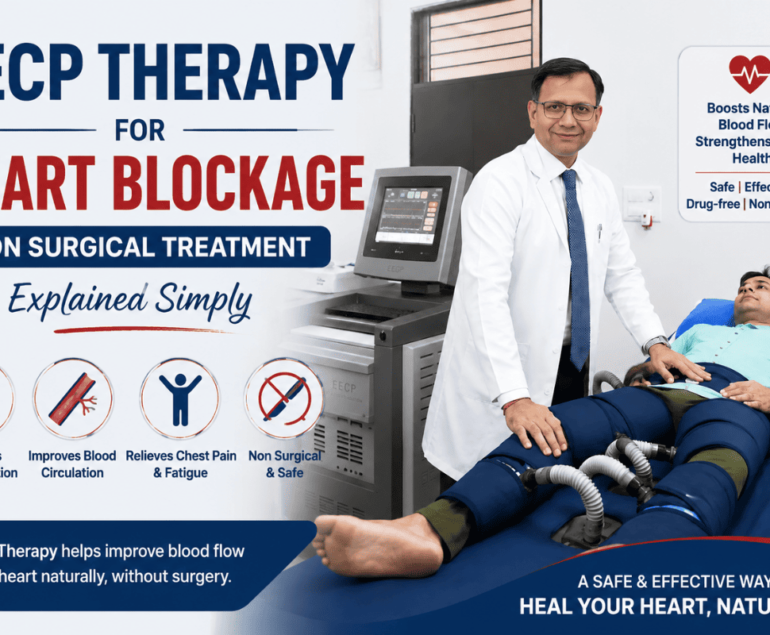
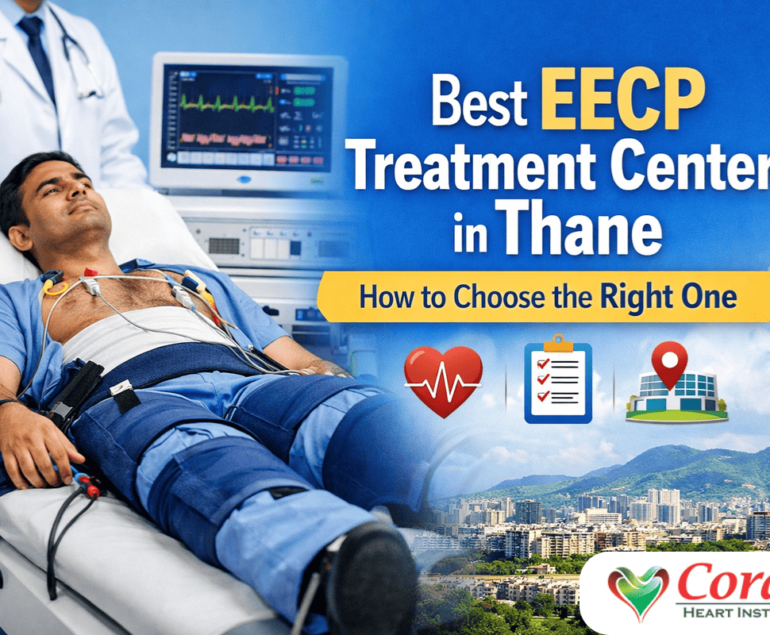
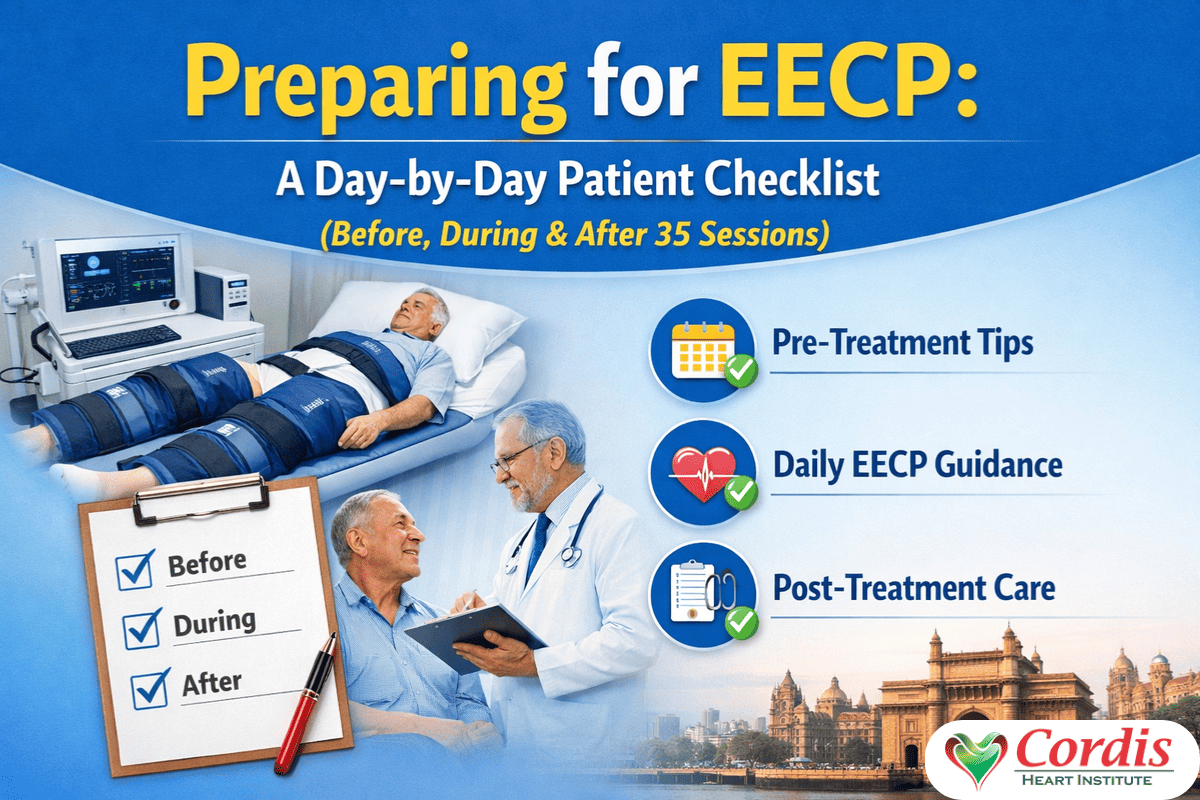
EECP therapy is a non-surgical treatment that improves blood flow to the heart. During each session, inflatable cuffs are wrapped around the legs and thighs. These cuffs inflate and deflate in sync with your heartbeat, helping push oxygen-rich blood back toward the heart.
EECP is commonly advised for:
- Patients with stable angina
- People with heart blockage who are not suitable for bypass or angioplasty
- Patients who continue to have symptoms despite medication
Unlike surgery, EECP does not involve cuts, stents, or anesthesia. This is why many patients looking for EECP treatment for heart blockage in Mumbai choose it as a safer option with minimal downtime.
Before EECP Starts: Patient Preparation Checklist (7–10 Days Prior)
Medical Evaluations and Reports to Keep Ready
Before your first EECP session, your doctor will review your medical history in detail. Keep the following reports ready:
- ECG
- Echocardiogram
- TMT or stress test results
- Angiography reports, if done earlier
- A list of current medicines with dosage
Your cardiologist may adjust medicines or ask for additional tests to ensure EECP is safe for you.
Lifestyle Adjustments Before EECP Therapy
Small changes before starting EECP can make sessions smoother:
- Eat light, balanced meals
- Drink enough water unless restricted
- Avoid heavy, oily food close to session time
- Smoking and alcohol should be stopped or reduced, as advised by your doctor
What to Wear and What to Avoid
- Wear loose cotton pants or track pants
- Avoid tight jeans or thick fabrics
- Wear comfortable shoes or slippers
- Do not carry heavy bags, phones, or wallets into the session room
Week 1 of EECP: What the First Few Sessions Feel Like
Each EECP session usually lasts about one hour. During the first week, most patients feel pressure in the legs as the cuffs inflate. This sensation feels firm but should not be painful.
Common experiences in the first few sessions include:
- Mild leg discomfort
- Feeling tired after the session
- A sense of heaviness in the lower body
Always inform the technician or doctor if you feel pain, breathlessness, dizziness, or chest discomfort.
Weeks 2–4: Day-by-Day EECP Therapy Checklist (Sessions 6–25)
Daily Routine During EECP Therapy
To get the most from EECP:
- Eat a light meal 1–2 hours before the session
- Take medicines exactly as prescribed
- Arrive on time to avoid rushed sessions
- Sleep well at night
Consistency matters. Missing sessions can slow progress.
Managing Mild Discomfort or Fatigue
It is normal to notice:
- Pressure or soreness in the legs
- Mild muscle ache
- Tiredness in the early weeks
These usually reduce as your body adjusts. Severe pain, skin issues, or sudden symptoms should be reported immediately.
Activity Guidelines During Ongoing EECP Sessions
- Light walking is usually encouraged
- Avoid heavy workouts unless approved
- Office work is usually fine
- Long travel should be discussed with your doctor
- Practice simple stress control methods like breathing exercises
Final Phase: Last 10 EECP Sessions (Sessions 26–35)
Signs That EECP Therapy Is Working
Many patients begin to notice changes such as:
- Better stamina while walking
- Fewer chest pain episodes
- Improved breathing
- Less need for emergency medicines
Improvements may be gradual, so do not worry if progress feels slow at first.
What Doctors Monitor in the Final Stage
During the last phase, doctors focus on:
- Blood pressure patterns
- Heart rate response
- Symptom changes
- Overall tolerance to treatment
Follow-up tests may be planned after completion.
After Completing EECP Therapy: Post-Treatment Care Checklist
Lifestyle Habits to Maintain Long-Term Benefits
To maintain results:
- Follow a heart-friendly diet
- Continue regular walking
- Monitor weight and blood pressure
- Take medicines as prescribed
- Manage stress levels
EECP works best when combined with healthy daily habits.
Follow-Up Appointments and Tests
Doctors may schedule:
- Follow-up visits after a few weeks
- Repeat tests if needed
- Ongoing monitoring based on symptoms
How Long Do EECP Results Last?
Many patients experience relief for months or even years. In some cases, repeat EECP may be advised depending on symptoms and heart health.
Choosing the Right EECP Clinic in Mumbai
The clinic you choose plays a major role in comfort and safety. When selecting an EECP clinic in Mumbai, check for:
- Experience of cardiologists and technicians
- Well-maintained EECP equipment
- Continuous monitoring during sessions
- Clear follow-up care plans
- Easy accessibility and patient support
Centers like Cordis Heart Institute focus on guided treatment, patient education, and consistent supervision across all 35 sessions.
Frequently Asked Questions About EECP Therapy in Mumbai
Is EECP therapy painful?
No. You may feel pressure in the legs, but it should not be painful.
Can EECP reverse heart blockage?
EECP does not remove blockages but helps improve blood flow around them.
Is EECP safe for elderly patients?
Yes, when properly evaluated by a cardiologist.
Can I continue my heart medicines during EECP?
Yes, unless your doctor advises changes.
How much rest is needed after each EECP session?
Most patients can resume normal activity after short rest.
Who should not undergo EECP therapy?
People with certain valve issues, uncontrolled BP, or clotting disorders may not be suitable.
Conclusion: Is EECP Therapy in Mumbai the Right Choice for You?
EECP offers a structured, non-surgical option for people living with angina or heart blockage. With the right preparation, regular attendance, and proper follow-up, many patients experience meaningful improvement in daily life.
Understanding each phase of treatment helps reduce anxiety and sets realistic expectations. If you are considering EECP, speak with a qualified cardiologist and choose a clinic that prioritizes patient safety and guidance.
Visit a trusted EECP clinic in Mumbai, such as Cordis Heart Institute, where experienced cardiologists and dedicated staff guide you through every step of your EECP journey with safety, comfort, and long-term heart health in mind.