
Finding the right heart specialist at the right time can make a life-changing difference. Many heart conditions begin with subtle symptoms that are easy to ignore until they become serious. This guide helps you understand when to seek medical attention, how to choose a trusted heart doctor in Mumbai, and what treatment options are available including non-surgical solutions like EECP. If you’re looking for reliable, patient-focused cardiac care, this article gives you the clarity you need to take the next step with confidence.
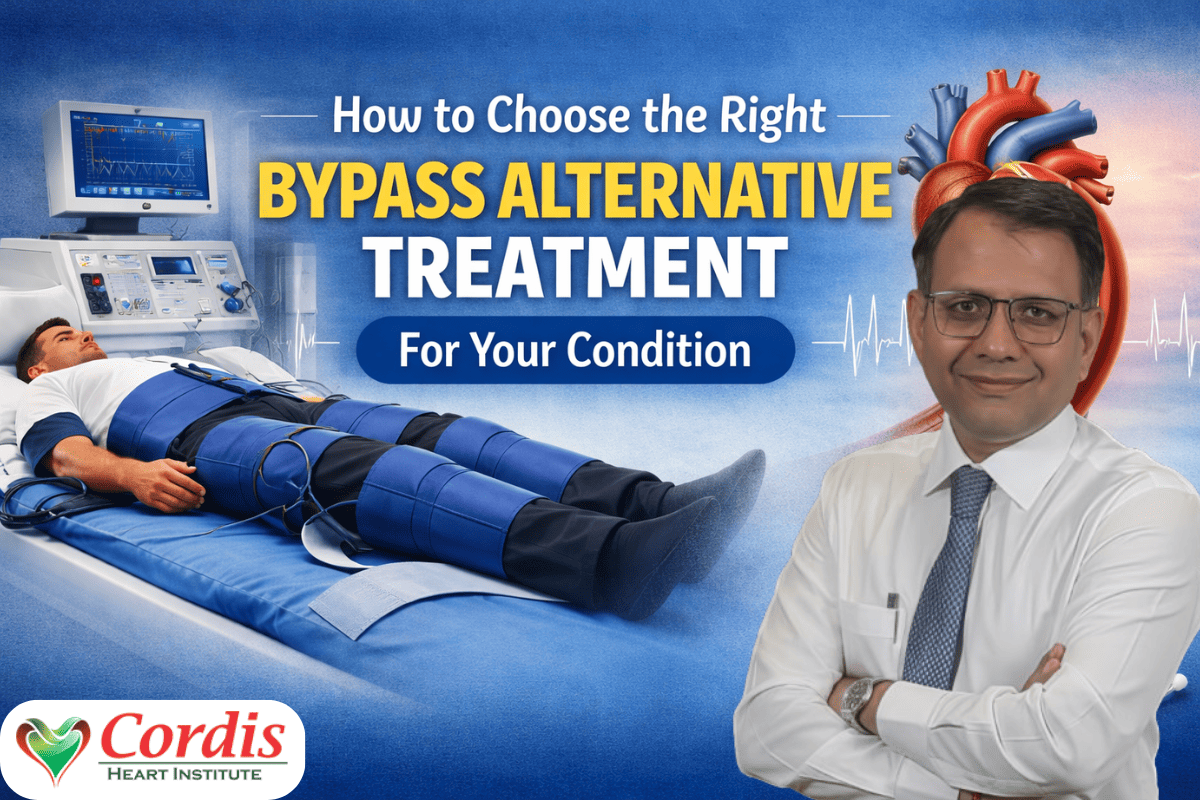
How to Choose the Right Bypass Alternative Treatment for Your Condition
Looking for a safe bypass alternative treatment? This guide explains non-surgical heart options like EECP, how they work, and how to choose the right treatment for your condition with expert advice from Cordis Heart Institute.
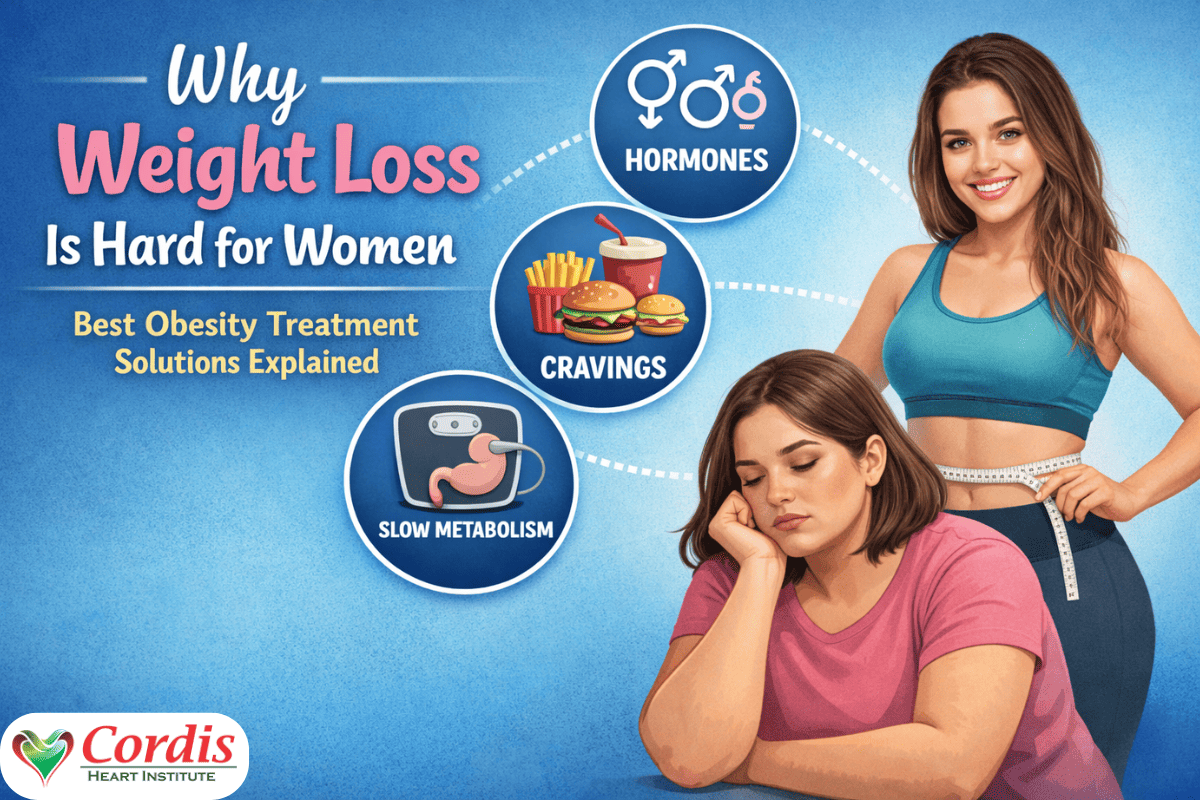
Why Weight Loss Is Hard for Women: Best Obesity Treatment for Women Explained
Struggling to lose weight despite dieting and exercise? You’re not alone. Many women face unique challenges when it comes to weight loss due to hormonal changes, metabolism, and lifestyle factors. This blog breaks down why weight loss is harder for women and explores the most effective obesity treatment for women—from personalized diet plans and exercise strategies to medical and non-surgical solutions. If you’re looking for a practical, science-backed approach that actually works, this guide will help you take the right next step.
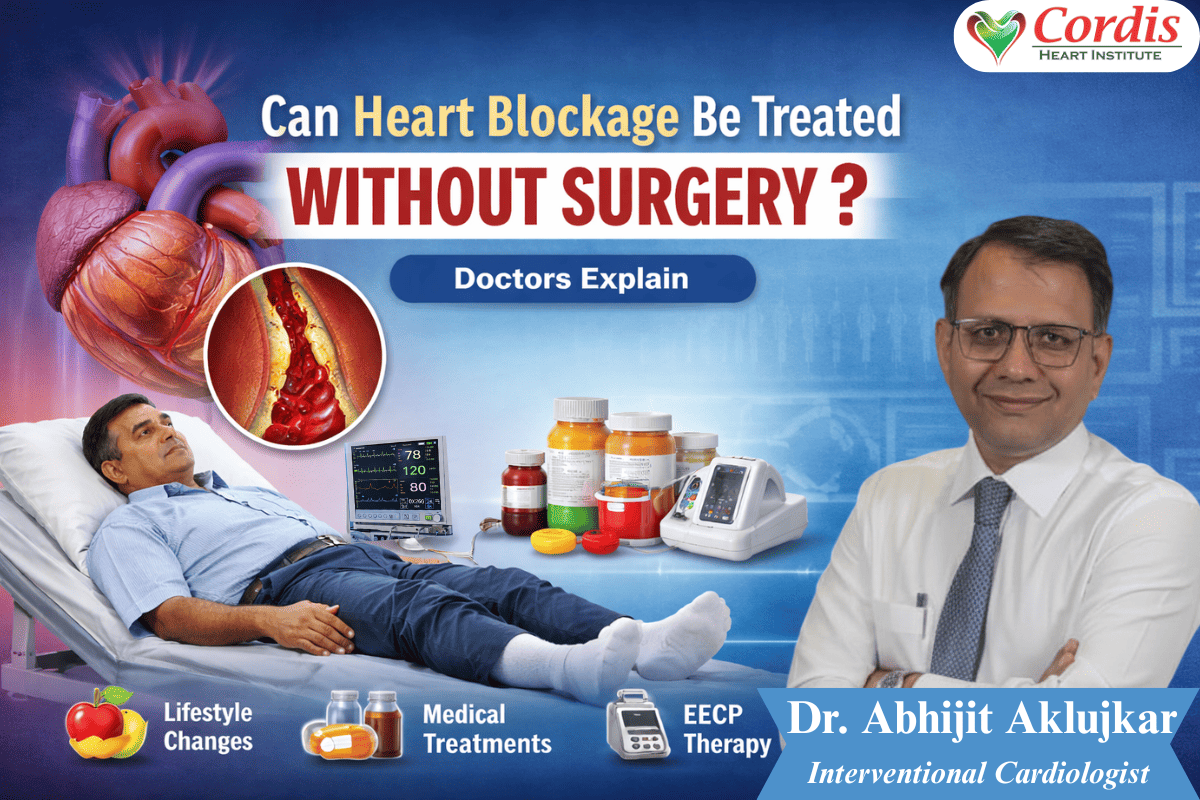
Can Heart Blockage Be Treated Without Surgery? Doctors Explain
Worried about heart blockage but want to avoid surgery? The good news is that not every case requires invasive procedures. Today, many patients are successfully managing their condition through heart blockage treatment without surgery, including therapies like EECP, medications, and lifestyle changes. In this guide, doctors explain how these non-surgical options work, who they’re suitable for, and how you can take control of your heart health safely and effectively.
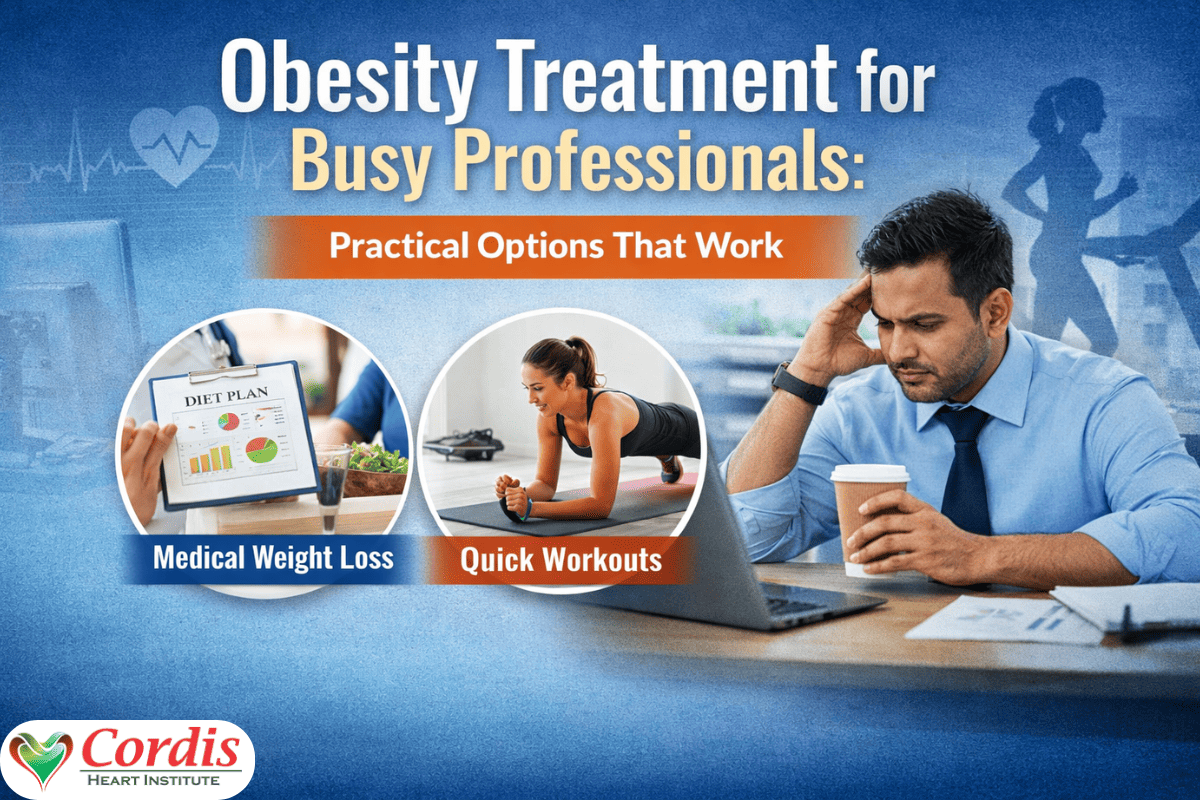
Obesity Treatment for Busy Professionals: Practical Options That Work
Struggling to manage your weight with a hectic work schedule? This blog breaks down practical obesity treatment options designed for busy professionals, including medical support, simple diet strategies, and quick workouts that fit into your day. If long hours and stress are affecting your health, here’s a realistic approach to getting back on track without disrupting your routine.
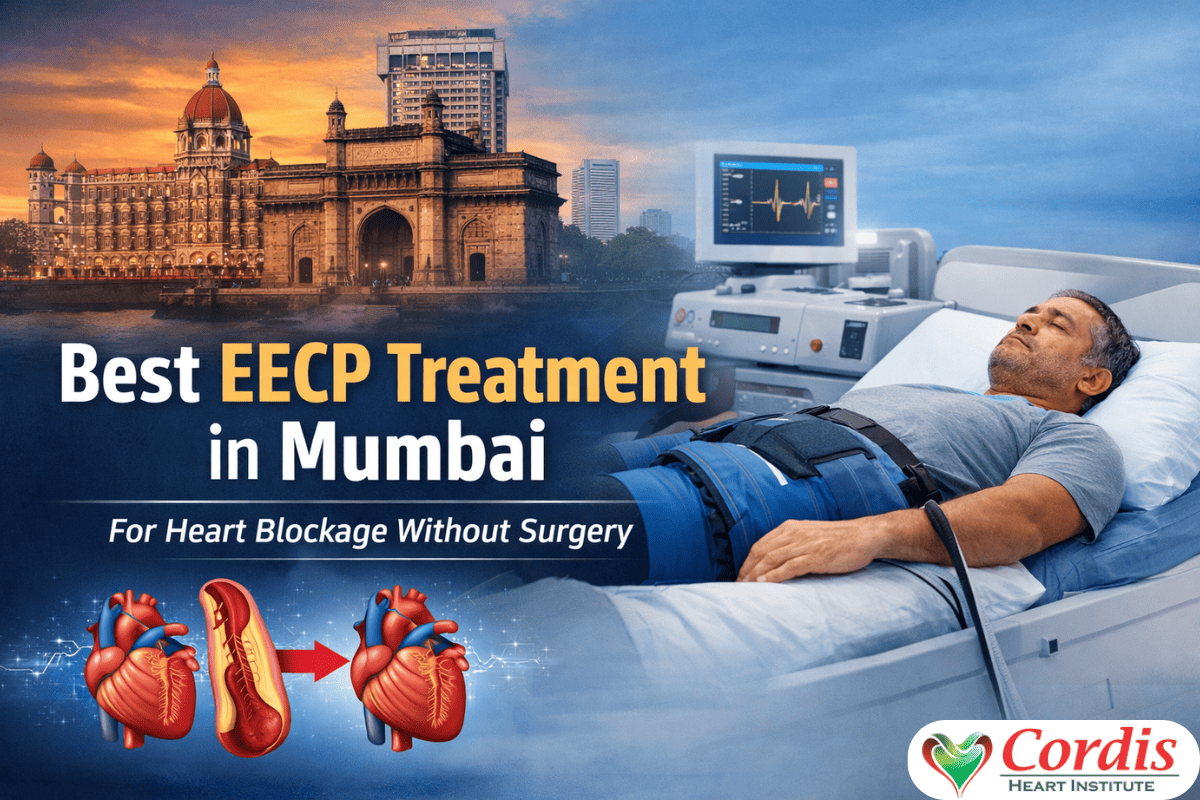
Best EECP Treatment in Mumbai for Heart Blockage Without Surgery
Looking for a safe, non-surgical way to treat heart blockage? EECP treatment in Mumbai offers an effective solution to improve blood flow, reduce chest pain, and avoid major surgery. Discover how this advanced therapy works and who it’s right for.
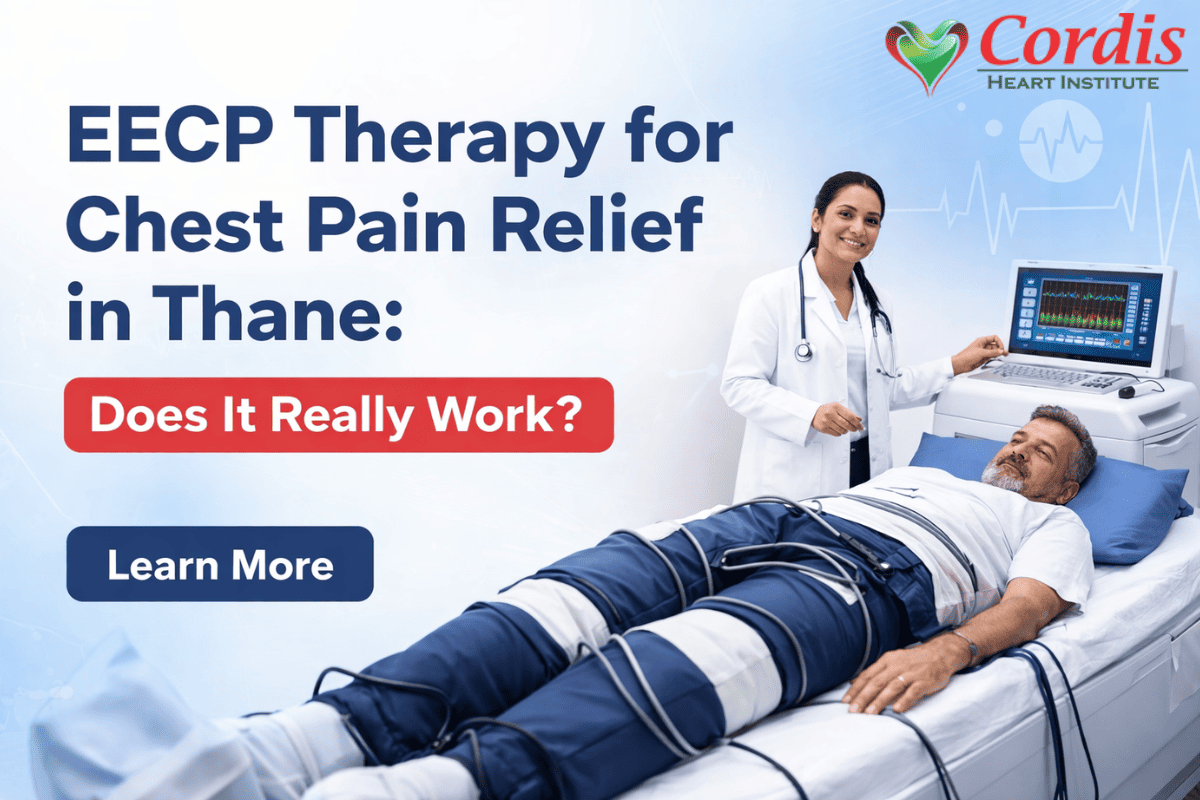
EECP Therapy for Chest Pain Relief in Thane: Does It Really Work?
Struggling with chest pain and looking for a non-surgical solution? This guide on EECP therapy in Thane explains how the treatment works, its benefits, cost, and whether it’s truly effective. Discover why many patients are choosing the best EECP clinic in Thane for safe and long-term heart care.
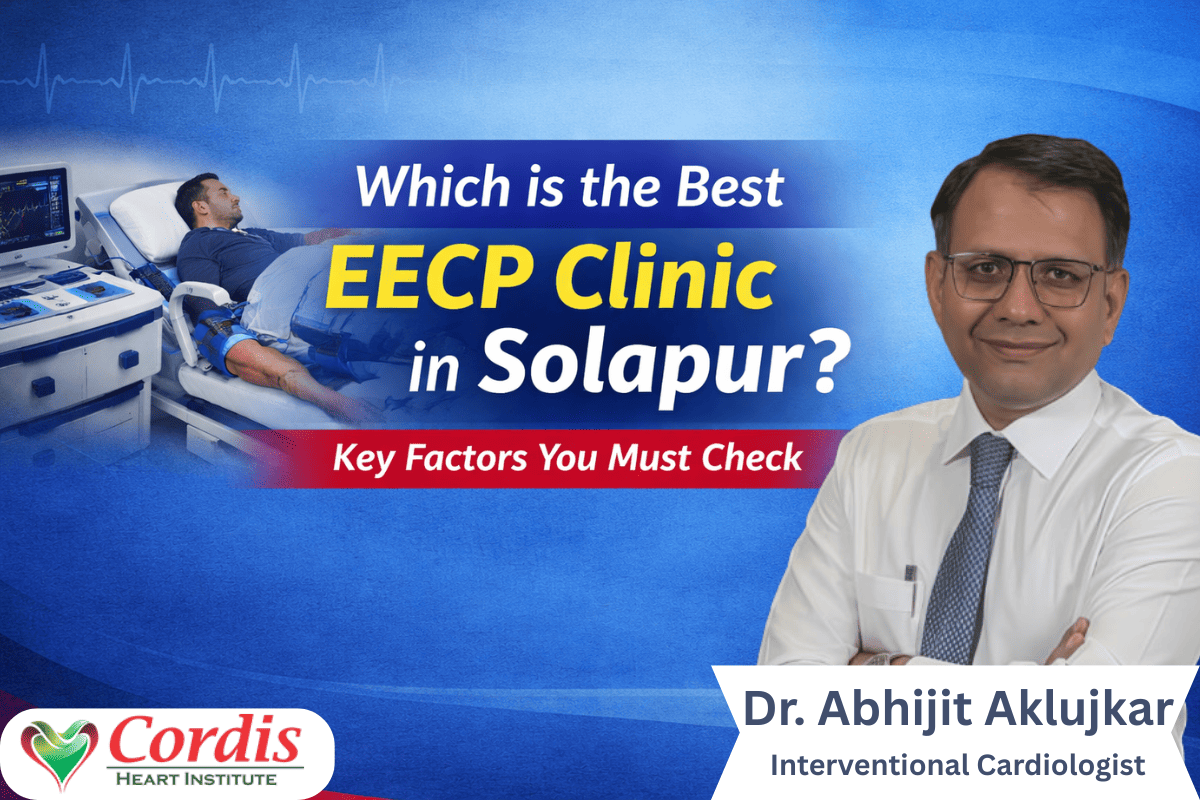
Which is the Best EECP Clinic in Solapur? Key Factors You Must Check
Looking for the best EECP clinic in Solapur but unsure where to start? This guide breaks down everything you need to know about eecp treatment in solapur, including how it works, who it’s for, and the key factors to consider before choosing a clinic. From doctor experience to technology and patient care, we cover what really matters so you can make the right decision. If you’re exploring a safe, non-surgical option for heart health, this article will help you find the right path with confidence.
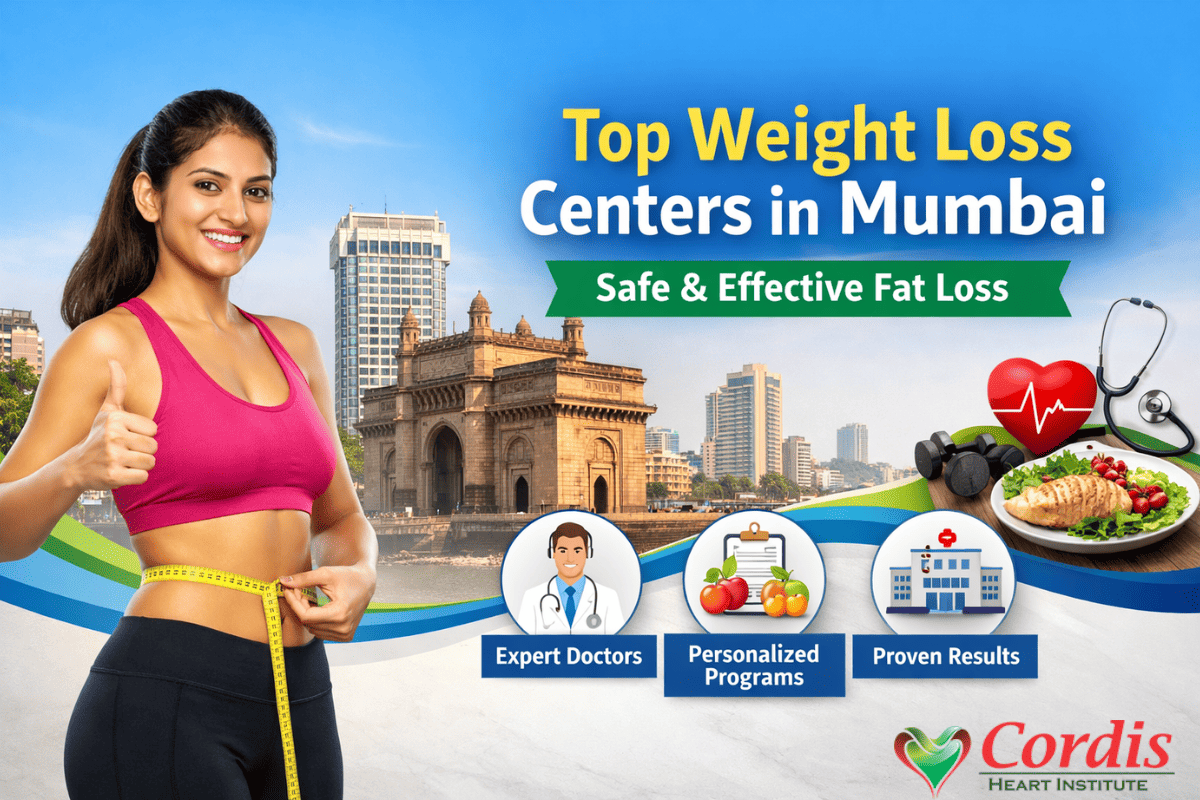
Top Weight Loss Centers in Mumbai for Safe & Effective Fat Loss
Struggling to lose weight despite trying diets and workouts? You’re not alone. Many people in Mumbai face the same challenge due to busy routines and lack of proper guidance. This guide covers the top weight loss centers in Mumbai, helping you find safe, doctor-supervised solutions for effective fat loss. Learn how expert care, personalized plans, and medical support from trusted clinics like Cordis Heart Institute can help you achieve long-term results.
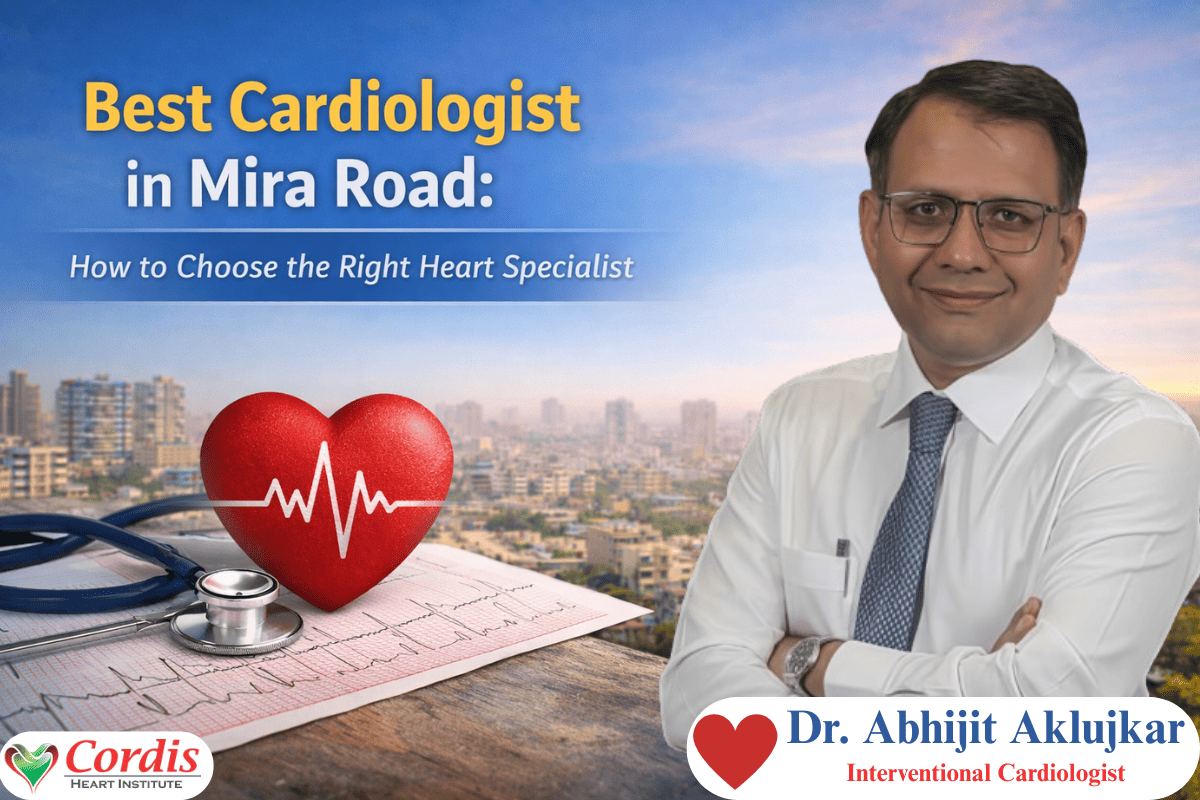
Best Cardiologist in Mira Road: How to Choose the Right Heart Specialist
Looking for the best cardiologist in Mira Road but unsure who to trust with your heart health? With rising cases of heart disease in areas like Mira Road and Mira Bhayandar, choosing the right specialist has never been more important. In this guide, you’ll learn how to identify a reliable cardiologist in Mira Road, what factors truly matter when making your decision, and why many patients choose Cordis Heart Institute for expert care. Whether you’re dealing with symptoms or planning a preventive check-up, this article will help you make an informed choice for your heart.