Best Cardiologist in Mumbai: How to Choose the Right Heart Doctor

Looking for the best cardiologist in Mumbai but not sure how to choose the right heart doctor? This guide breaks down everything you need to know, from understanding different types of cardiologists and consultation costs to knowing when to seek care and what to expect during your first visit. A clear, patient-friendly read to help you make a confident decision about your heart health.

How EECP Improves Life for Chronic Angina Patients

An Evidence-Based Patient Guide

Living with chronic angina is not just about chest pain. It affects how far you can walk, how confidently you can plan your day, and how often you worry about the next episode. Many patients continue to feel symptoms even after medicines, angioplasty, or bypass surgery. This is where EECP often comes into the conversation.

This guide explains how EECP helps people with chronic angina, what the science says, and what you can realistically expect. If you are asking questions like does EECP work or want clear facts about EECP benefits for angina, this article is written for you.

Understanding Chronic Angina and Daily Life Challenges

What Is Chronic Angina?

Angina is chest discomfort caused by reduced blood flow to the heart muscle. Chronic or stable angina means the pain tends to come back in a predictable pattern. It may appear while walking, climbing stairs, during stress, or after meals.

Common symptoms include chest tightness, pressure spreading to the arm or jaw, shortness of breath, and fatigue. While medicines help control symptoms, they do not always solve the underlying circulation problem.

How Angina Affects Quality of Life

Over time, angina can quietly limit daily living. Many patients walk slower, avoid outings, or depend heavily on tablets for relief. There is also the constant worry about whether chest pain signals something serious. This mix of physical limits and mental stress often pushes patients to look for options beyond routine care.

What Is EECP Therapy?

Full Form and Simple Explanation

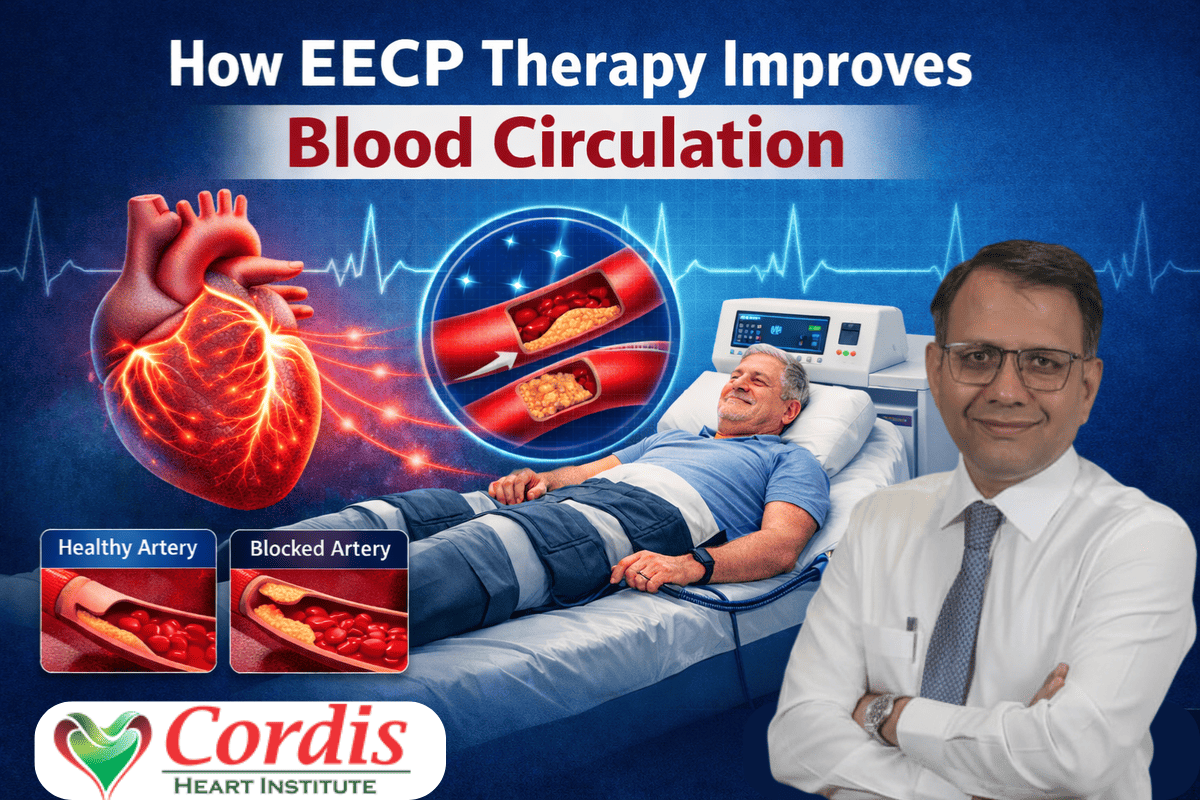
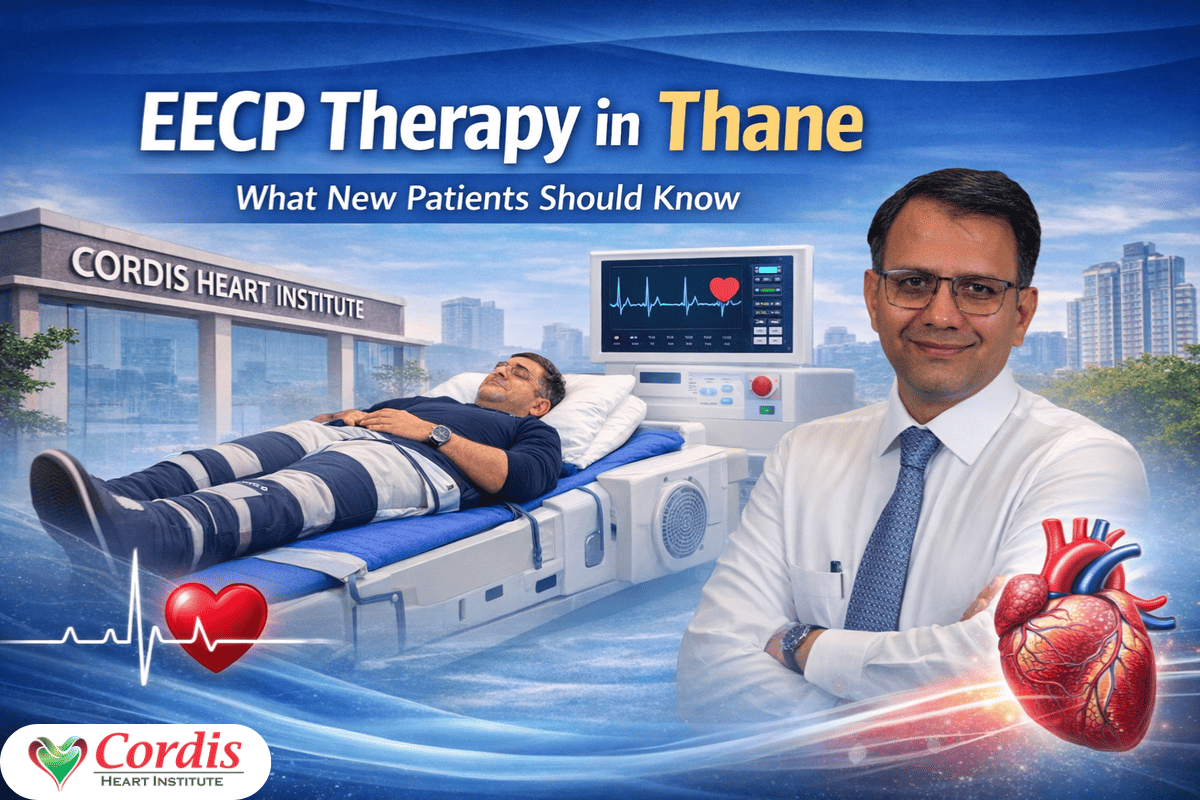
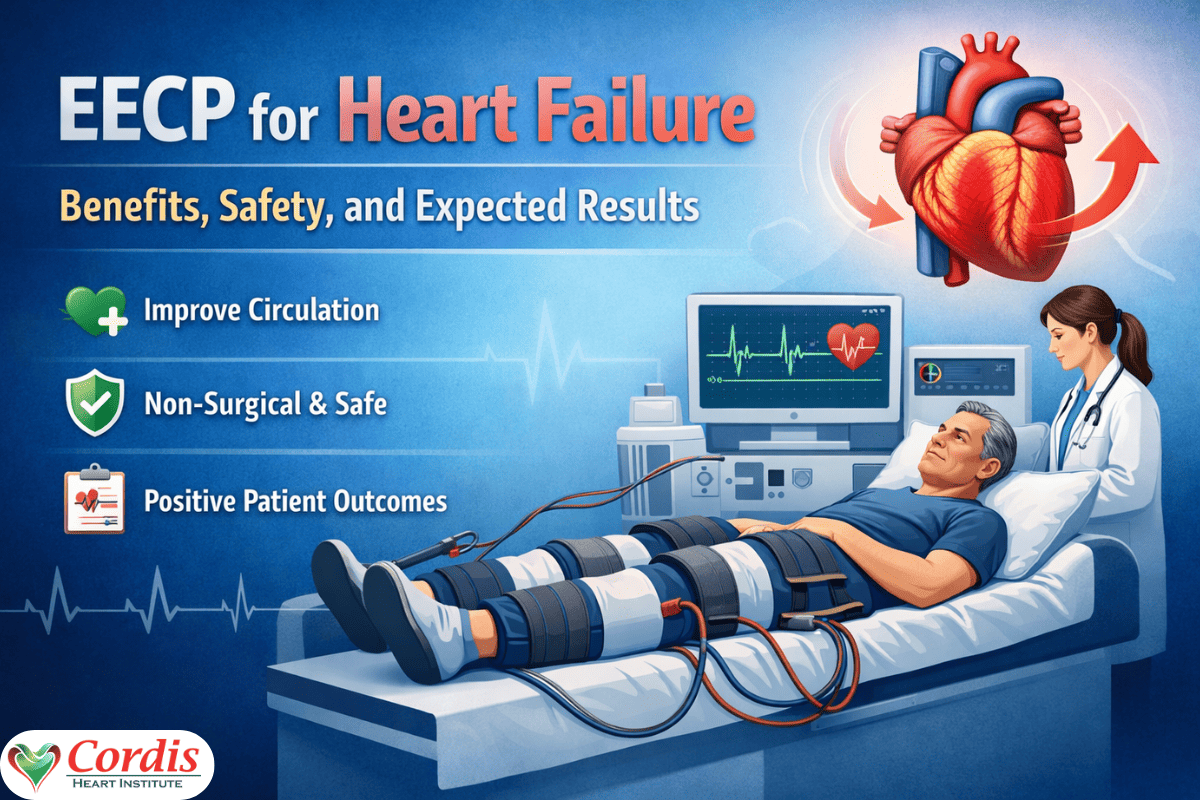
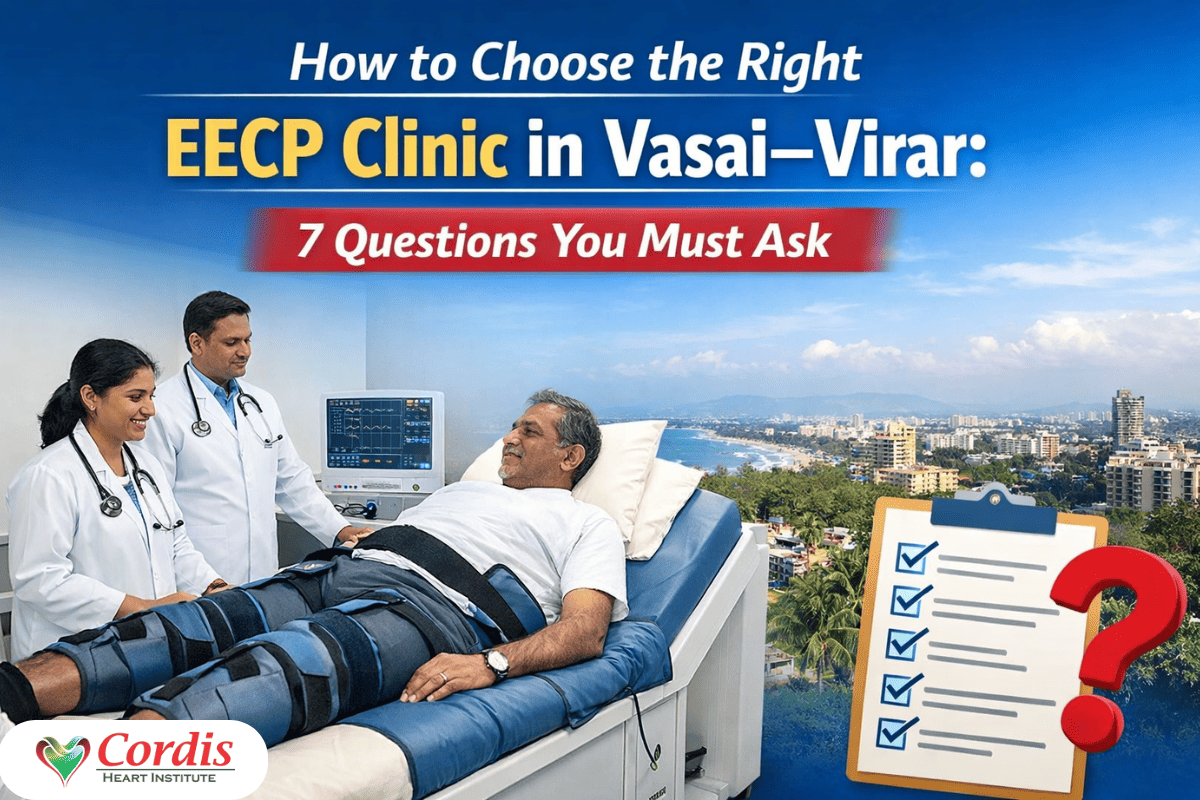
EECP stands for Enhanced External Counterpulsation. It is a non-surgical, outpatient treatment designed to improve blood flow to the heart. The therapy uses air-filled cuffs wrapped around the legs that gently squeeze and release in rhythm with the heartbeat.

Each session lasts about an hour, and patients remain awake and comfortable throughout.

How EECP Differs From Surgery or Angioplasty

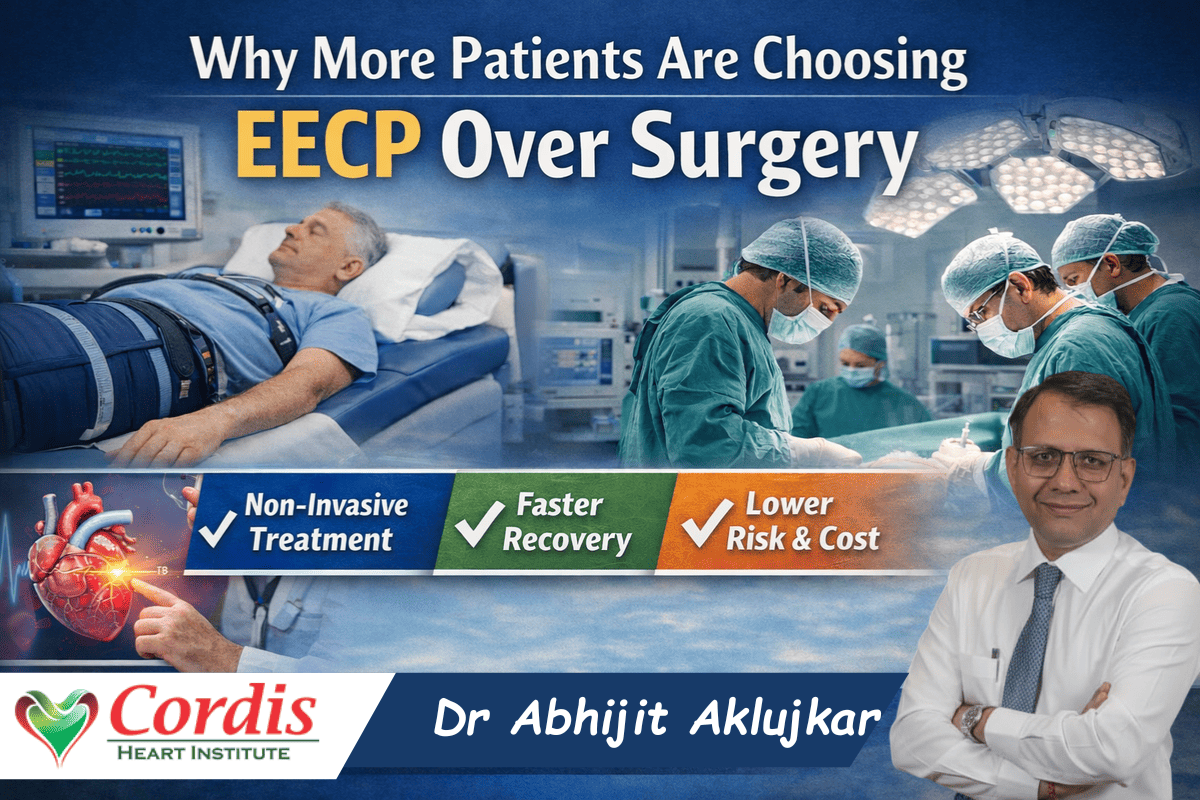
EECP does not involve stents, cuts, or hospital stays. There is no recovery downtime. This makes it suitable for people who are not ideal candidates for surgery, or for those who continue to have angina despite prior procedures.

How EECP Works Inside the Body

What Happens During an EECP Session

During treatment, cuffs around the calves, thighs, and hips inflate when the heart relaxes and deflate just before it pumps. This timing matters. It pushes blood back toward the heart at the right moment.

Patients usually feel a firm but tolerable pressure in the legs, similar to a strong massage.

How EECP Improves Blood Flow

The repeated pressure helps improve circulation in the coronary arteries. Over time, this can support the formation of small natural bypass vessels around blocked arteries. The heart also works with less effort, which helps ease angina symptoms.

This process explains why many patients ask, does EECP work, and why the answer often depends on completing the full course.

EECP Benefits for Angina Patients

Fewer Chest Pain Episodes

One of the most reported EECP benefits for angina is a drop in how often chest pain occurs. Many patients notice they can go longer without discomfort, even during activities that previously triggered pain.

Better Stamina and Daily Activity

Patients often report being able to walk farther, climb stairs, or handle daily chores with less fatigue. This improvement tends to build gradually over weeks.

Reduced Dependence on Medications

As symptoms ease, some patients need fewer emergency tablets. This does not mean stopping medicines on your own, but many cardiologists see better symptom control after EECP.

Improved Overall Well-Being

Better sleep, more confidence in movement, and reduced fear around chest pain all play a role. These changes matter just as much as physical relief.

EECP Evidence From Clinical Studies

What Research Shows

Multiple clinical studies on EECP evidence show improvement in angina class, exercise tolerance, and quality of life scores. Many trials report that a majority of patients experience meaningful symptom relief after completing therapy.

How Long Results Can Last

Benefits often continue for months or even years, especially when patients maintain heart-friendly habits. Some centers offer repeat sessions if symptoms return.

Recognition in Heart Care

EECP is widely accepted as a supportive treatment for chronic stable angina, particularly in patients who are not suitable for further invasive procedures.

Does EECP Work for Everyone?

Who Usually Responds Well

EECP is commonly recommended for people with chronic stable angina, those who still have symptoms after bypass or angioplasty, and patients advised against further surgery.

Who May Need Other Options

People with severe valve problems, uncontrolled rhythm issues, or certain circulation disorders may not be suitable. A detailed heart evaluation is always required.

What to Expect During and After Treatment

Treatment Duration

A standard course includes about 35 sessions, usually done five days a week. Each session lasts around one hour.

Safety and Comfort

EECP is generally well tolerated. Some patients notice mild leg soreness or skin irritation early on, which usually settles quickly.

When Improvements Begin

Some people feel better within a few weeks, while others notice changes closer to the end of therapy. Gradual improvement is common.

EECP Compared With Other Angina Treatments

EECP vs Medicines Alone

Medicines manage symptoms but do not change blood flow patterns. EECP works alongside medicines to improve circulation.

EECP vs Surgery or Angioplasty

EECP carries no surgical risk and no recovery downtime. While it does not replace procedures when urgently needed, it offers an option when those routes are limited.

Frequently Asked Questions About EECP

Does EECP work for severe angina?

EECP often helps people with moderate to severe chronic angina, especially when other treatments have not given full relief. Results vary, and a cardiologist evaluation is essential.

Is EECP painful?

Most patients describe firm pressure rather than pain. Comfort improves after the first few sessions.

How long do EECP benefits last?

Many patients experience relief for months or years, especially with lifestyle care and regular follow-ups.

Can EECP reduce the need for surgery?

In some cases, yes. It may delay or avoid further procedures, depending on heart condition.

Is EECP safe for older adults?

Yes, it is commonly used in elderly patients under medical supervision.

Conclusion

EECP offers a non-surgical option for people living with chronic angina who want better symptom control and daily comfort. The growing body of EECP evidence supports its role in improving blood flow, reducing chest pain, and restoring confidence in movement. It is not a cure, but for many patients, it becomes a turning point in daily life.

If angina symptoms are limiting your routine despite medicines or past procedures, it may be time to discuss EECP with a heart specialist. A proper evaluation can help you decide if this therapy fits your condition.

Book an EECP consultation or talk to a heart specialist about EECP today and take a step toward more comfortable daily living.

What Is Natural Bypass Therapy? A Simple Explanation for Heart Patients

Most of the time Heart patients may begin looking online to find information because their options are limited. Patients may no longer find relief with medications so they may be looking for substitutes. Some heart patients find the thought of surgery to be very draining both physically and mentally. The number of questions pertaining to recovery time, safety and risk involved with surgery, or having to stay in the hospital for an extended period of time are what lead many heart patients to seek alternative therapies.

Natural Bypass Therapy is currently viewed as being an alternative to surgical treatment of the heart and offers patients an opportunity to increase blood flow through the heart without requiring any chest opening, or stenting. I have written this guide for heart patients, and their families, who wish to understand Natural Bypass Therapy in layman’s language. There is no “medical language” or promotion of the use of this type of therapy within the guide.

After reading this article, you will understand how Natural Bypass Therapy works, who it may be appropriate for, what you might expect at a session, and how it will contribute to your long-term heart care.

What Is Natural Bypass Therapy?

Natural bypass therapy, also known as natural vessels, is an innovative, non-invasive therapy that works to support the heart by increasing blood flow around areas of blockage or narrowing. The purpose of natural bypasses is to stimulate existing alternate pathways in the body to be used and developed in order to create an effective alternative route for blood to reach various parts of the heart without going through major surgery (an artificial bypass).

Many patients searching for natural bypass therapy refer to it using such terms as: non-invasive treatment for heart disease; therapies for blocked arteries; and, heart therapy without surgery. Although each of these terms may be slightly different, they all refer to the same fundamental concept – that of providing blood to the heart more efficiently without invasive surgical procedures.

How Natural Bypass Therapy Works in the Body

Improving Blood Circulation Around Blocked Arteries

When heart arteries narrow over time, the body tries to adapt by forming smaller side vessels that can carry blood around the blockage. This process is known as collateral circulation. In some people, these natural pathways are weak or underused.

Natural bypass therapy focuses on improving circulation so these alternate pathways can carry more blood to the heart muscle. Better blood flow often means less chest pain, improved stamina, and reduced breathlessness during daily activities.

Role of External Therapy in Supporting Blood Flow

The therapy uses an external, non-invasive system that works on the lower body in a controlled and supervised setting. During a session, gentle pressure is applied in a rhythmic pattern. This supports blood movement back toward the heart and improves circulation over time.

Patients remain fully awake, and no injections or surgical tools are involved. Sessions are designed to be comfortable and patient-friendly.

Natural Bypass Therapy vs Heart Bypass Surgery

Key Differences Patients Should Know

Natural Bypass Therapy

Heart Bypass Surgery

Non-surgical treatment

Open-heart procedure

No anesthesia

Requires general anesthesia

Outpatient sessions

Hospital stay needed

Gradual improvement

Immediate structural change

Lower recovery burden

Longer recovery period

Heart bypass surgery can be life-saving and remains necessary for many patients. Natural bypass therapy is often discussed as an alternative to bypass surgery for selected patients who are stable or advised against surgery.

Who May Prefer Natural Bypass Therapy

This option is often explored by:

  • Patients who are not fit for surgery due to age or other conditions
  • Those who want to avoid surgical risks
  • People looking for non-surgical heart care options alongside medicines

A cardiologist’s opinion is always essential before choosing any treatment path.

Who Is a Good Candidate for Natural Bypass Therapy?

Natural bypass therapy is usually considered for patients with stable heart disease. This may include people who experience:

  • Chest pain during exertion
  • Breathlessness on walking
  • Fatigue or reduced exercise capacity

Patients who have been advised to avoid surgery or are looking for supportive therapy often ask about this option. A detailed heart evaluation is needed to decide suitability, as the therapy is not meant for emergency or unstable conditions.

Benefits of Natural Bypass Therapy for Heart Patients

  • No surgery or anesthesia
  • Conducted as an outpatient treatment
  • Minimal disruption to daily routine
  • Gradual improvement in symptoms for some patients
  • Can be combined with medicines and lifestyle changes

These benefits are the reason many patients search for natural bypass therapy as a supportive heart treatment option.

Is Natural Bypass Therapy Safe?

Natural bypass therapy is generally carried out under medical supervision. Most patients describe the sensation during sessions as firm pressure around the legs, which feels unusual at first but becomes comfortable over time.

Doctors monitor blood pressure, heart rate, and overall response. As with any heart-related therapy, medical guidance is necessary to ensure safety and suitability.

What to Expect During Natural Bypass Therapy Sessions

Session Duration and Frequency

A typical session lasts about one hour. Most treatment plans involve multiple sessions spread over several weeks. The exact number depends on the patient’s condition and response to therapy.

Before, During, and After a Session

Before the session, patients are advised to wear comfortable clothing and follow basic instructions shared by the clinic. During the session, patients lie down and relax while the therapy runs. Afterward, most people resume normal activities without downtime.

Common Questions Patients Ask Before Starting Natural Bypass Therapy

Patients often ask whether the therapy is painful, how long it takes to show results, and if it can replace bypass surgery. Others want to know if elderly patients can undergo it or if it works alongside heart medicines. These are valid questions and should always be discussed with a heart specialist.

FAQs on What Is Natural Bypass Therapy

What is natural bypass therapy used for?

It is used to support blood flow to the heart in patients with blocked or narrowed arteries who are stable and under medical care.

Is natural bypass therapy permanent?

Results depend on the patient’s condition, lifestyle, and follow-up care. It is usually part of ongoing heart management.

How effective is natural bypass therapy?

Some patients report symptom relief and better exercise tolerance, though results vary.

Does natural bypass therapy have side effects?

Most patients tolerate it well, with only mild and temporary discomfort.

How much does natural bypass therapy cost in India?

Costs vary by location and treatment plan. Clinics usually share details after evaluation.

Natural Bypass Therapy and Lifestyle Changes

Natural bypass therapy works best when combined with heart-friendly habits. A balanced diet, regular activity approved by a doctor, stress control, and proper medication use all play an important role. The therapy is not a shortcut but part of long-term heart care.

Final Thoughts: Is Natural Bypass Therapy Right for You?

If you have ever wondered what is natural bypass therapy and whether it fits your situation, the answer depends on your heart condition and medical advice. For some patients, it offers a non-surgical way to manage symptoms and improve daily comfort. For others, surgery or different treatments may still be needed.

An informed choice always starts with a detailed discussion with a cardiologist.

If you or a loved one is exploring non-surgical heart treatment options, consider speaking with a qualified heart specialist. A proper evaluation can help you understand whether natural bypass therapy is suitable for your condition and how it fits into your overall heart care plan.

Best Heart Treatment Near Me for Senior Citizens in Thane

With the advancement of age there is also the advancement of the cardiovascular system. As we grow older we lose collagen and the ability of our arteries to expand and contract through normal healthy activity due to many factors, including poor diet, high blood pressure, and diabetes. Because of these changes seniors may require different types of cardiac care than younger patients.

The majority of seniors, as well as their families, are not necessarily looking for just a place to receive cardiac treatment; rather, they want the following: an environment that is safe, an open line of communication with staff, convenience of location to their residence, and a variety of services available specifically for the elderly patient. This guide will provide you with valuable information on your options for heart health care in Thane, what cardiac treatments are the most effective treatment options for seniors, and how to select the most suitable cardiac care provider for your individual needs.

Why Senior Citizens in Thane Need Specialized Heart Treatment

Heart problems become more common after the age of 60. This does not always mean surgery is required, but it does mean regular monitoring and a treatment plan suited to an aging body.

Common age-related heart conditions

  • High blood pressure (BP): Often silent but harmful if ignored
  • Coronary artery disease: Narrowed arteries reducing blood flow to the heart
  • Heart failure: When the heart cannot pump blood effectively
  • Irregular heartbeat (arrhythmia): Can cause dizziness, fatigue, or fainting

For senior citizens, early diagnosis and routine follow-ups matter more than aggressive treatment. Local heart treatment in Thane helps because frequent visits become easier, emergency care is faster, and family members can stay involved.

Common Heart Treatments Recommended for Senior Citizens

Non-Surgical Heart Treatments for Elderly Patients

Many elderly heart patients can manage their condition without surgery. These options focus on comfort, safety, and long-term control.

  • Medication-based management to control BP, cholesterol, and heart rhythm
  • Lifestyle-focused cardiac care including diet, light exercise, and stress control
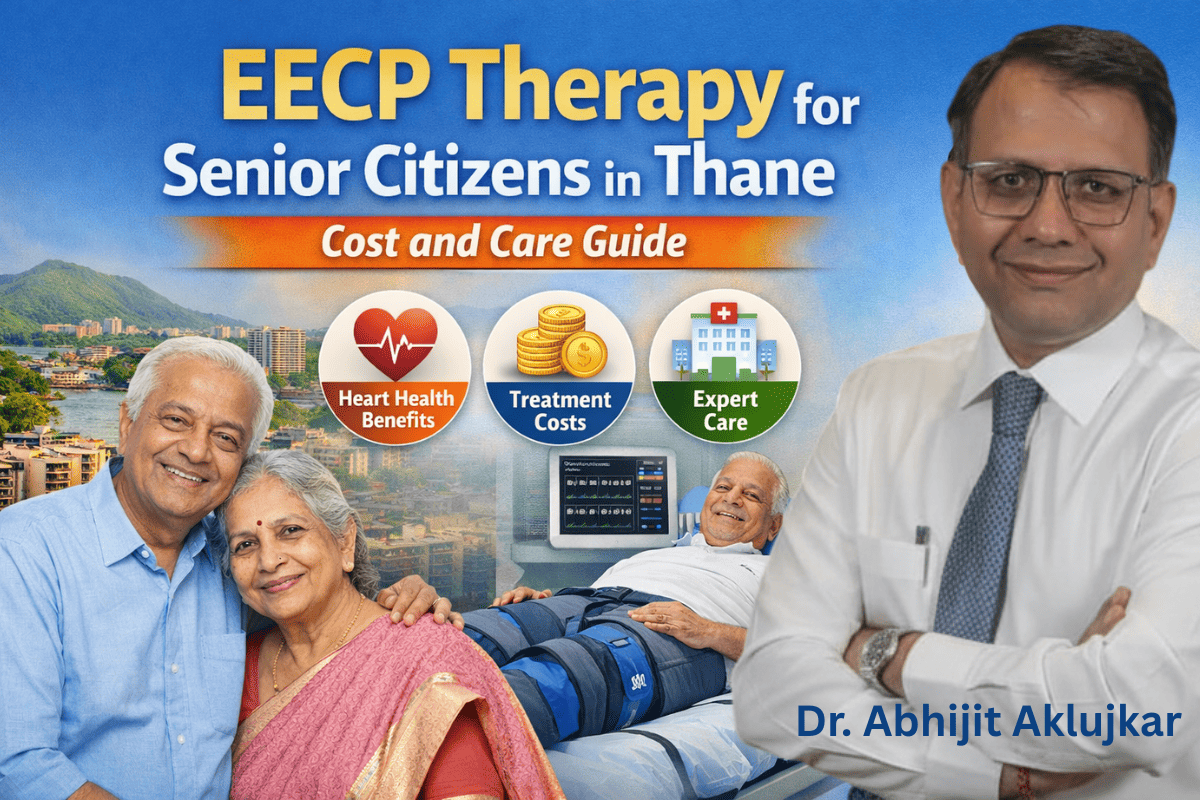
  • EECP therapy which improves blood flow without surgery and is often suggested for seniors who cannot undergo invasive procedures
  • Regular cardiac monitoring using ECG, echo, and stress tests

These non-surgical heart treatments for seniors are widely preferred when risks of surgery are high.

Surgical and Interventional Heart Treatments (When Required)

Some conditions need intervention, even in older age. Doctors evaluate overall health, not just age.

  • Angiography and angioplasty to open blocked arteries
  • Pacemaker implantation for slow or irregular heartbeats
  • Bypass surgery in selected cases where benefits outweigh risks

Doctors decide suitability based on physical fitness, other medical conditions, and recovery capacity.

What Makes a Heart Clinic in Thane Ideal for Senior Citizens

Key Factors to Look For

Not every clinic is equipped for elderly cardiac care. While searching for a heart clinic near me for elderly patients, look for:

  • Cardiologists experienced with senior heart cases
  • Emergency support and tie-ups with hospitals
  • Wheelchair access, lifts, and waiting areas suitable for seniors
  • Simple appointment booking and clear follow-up systems
Importance of Geriatric-Focused Cardiac Care

Senior citizens often need adjusted dosages, careful medication combinations, and long-term care plans. Clinics that focus on elderly patients usually provide:

  • Personalized treatment plans
  • Medication safety checks
  • Ongoing heart health management instead of one-time treatment

How to Choose the Best Heart Doctor Near Me in Thane for Elderly Patients

Choosing the right doctor is often more important than choosing the hospital.

Check for:

  • Medical qualifications and years of cardiology practice
  • Direct experience treating senior citizens
  • Availability for follow-ups and emergencies
  • Reviews from local patients and families

A heart doctor for senior citizens in Thane should be patient, explain options clearly, and involve family members in decisions.

Cost of Heart Treatment for Senior Citizens in Thane

Costs depend on the type of treatment and facility.

  • Regular consultations and medicines are usually affordable
  • Non-surgical therapies cost less than invasive procedures
  • Private hospitals may charge more than clinics
  • Health insurance and senior citizen schemes can reduce expenses

Always ask for a clear cost estimate before starting treatment.

Benefits of Getting Heart Treatment Near Home in Thane

Local treatment offers practical advantages for elderly patients:

  • Faster help during emergencies
  • Less travel stress and fatigue
  • Easy follow-ups and regular tests
  • Better coordination with family caregivers

This is why many families search specifically for best cardiologist in Thane for elderly rather than traveling far.

FAQs: Best Heart Treatment Near Me for Senior Citizens in Thane

What is the safest heart treatment for senior citizens?

Non-surgical options like medication management and EECP therapy are often considered safe, depending on the condition.

Are non-surgical heart treatments effective for elderly patients?

Yes, many seniors manage heart disease well without surgery when diagnosed early.

How often should senior citizens get heart checkups?

At least once a year, or more frequently if symptoms or existing conditions are present.

Is EECP treatment suitable for older heart patients?

In many cases, yes. Doctors decide based on medical history and current heart health.

How to find a trusted heart specialist near me in Thane?

Check local reviews, clinic facilities, and the doctor’s experience with senior patients.

What symptoms should seniors not ignore?

Chest discomfort, breathlessness, dizziness, swelling in legs, or sudden fatigue.

Tips for Maintaining Heart Health After 60

  • Follow a low-salt, balanced diet
  • Stay active with walking or light yoga
  • Take medicines exactly as prescribed
  • Go for routine heart screenings
  • Avoid smoking and limit alcohol

Small daily habits make a real difference over time.

Book the Right Heart Care for Seniors in Thane

Heart problems are easier to manage when addressed early. If you or a loved one is searching for the best heart treatment near me for senior citizens in Thane, start with a consultation at a nearby heart clinic. Timely care reduces risk, improves comfort, and gives families peace of mind.

Book a heart checkup, ask questions, and choose care that feels right for your family.

Early Warning Signs of Heart Block You Should Not Ignore

Many people ignore early heart-related symptoms because they seem harmless at first. Feeling tired more often, getting dizzy occasionally, or noticing a slower heartbeat can easily be blamed on stress, age, or lack of sleep. But sometimes, these changes point to a condition called heart block. Recognizing heart block symptoms early can make a real difference in treatment and long-term heart health.

Heart block affects the heart’s electrical system. When electrical signals do not travel properly, the heart may beat too slowly or irregularly. The problem is that the signs of heart block are often subtle in the beginning, which leads many people to ask, “Are my symptoms serious, or will they pass on their own?” This article breaks it down clearly so you know what to watch for and when to act.

What Is Heart Block and How Does It Affect the Heart?

Heart block happens when the electrical signals that control your heartbeat are delayed or blocked as they move through the heart. These signals normally travel in a smooth pattern from the upper chambers to the lower chambers, keeping your heartbeat steady.

When this signal flow is interrupted, the heart may not pump blood efficiently. This is different from having a naturally slow heart rate. Some people have a low heart rate and feel completely fine. Heart block, however, means the timing system of the heart is not working as it should.

Understanding how the heart’s electrical system works makes heart block easier to grasp. That’s why linking to a simple “How the Heart Works” article within your site can help readers understand the issue more clearly.

Different Types of Heart Block and Their Warning Signs

Heart block is divided into types based on how much the electrical signal is affected.

First-Degree Heart Block

This is the mildest form. Electrical signals move more slowly than normal but still reach the lower chambers. Most people do not notice any heart block symptoms, and the condition is often found during routine heart tests.

Second-Degree Heart Block

Here, some signals fail to reach the lower chambers.

  • Type 1: Signals gradually slow down until one heartbeat is skipped. Symptoms may include mild dizziness or fatigue.
  • Type 2: Signals are blocked suddenly without warning. This type is more serious and often causes clearer signs of heart block, such as fainting.
Third-Degree (Complete) Heart Block

This is the most severe form. No electrical signals pass through properly. The heart relies on a very slow backup rhythm, leading to strong symptoms that usually need urgent treatment.

Common Heart Block Symptoms in Early Stages

Early heart block symptoms can be easy to miss. Many people live with them for months without realizing something is wrong.

Common early symptoms include:

  • Feeling tired most of the time
  • Dizziness or lightheadedness
  • Shortness of breath during daily activities
  • A slow or irregular heartbeat
  • Mild chest discomfort

These symptoms may not appear every day. They often come and go, which makes them easier to ignore. Still, recurring symptoms should never be dismissed.

Dangerous Signs of Heart Block You Should Not Ignore

Some signs of heart block mean the heart is struggling to pump enough blood to the brain and other organs.

Seek urgent medical care if you notice:

  • Fainting or feeling like you may faint
  • Sudden confusion or difficulty thinking clearly
  • Chest pain or pressure
  • Extreme weakness without a clear reason
  • Sudden collapse

These symptoms should never be ignored, as they can point to advanced heart block.

Signs of Heart Block in Adults and Elderly Patients

Heart block symptoms can look different depending on age.

In younger adults, symptoms often include dizziness during exercise, unexplained fainting, or sudden fatigue. These signs are usually more noticeable.

In older adults, the signs of heart block are often mistaken for aging. Slower movement, memory issues, frequent falls, or constant tiredness may seem normal with age, but they can also signal heart rhythm problems. This is why regular heart checkups are especially important for older individuals.

Symptoms may stay mild at first because the body tries to adjust to the slower heartbeat. Over time, this adjustment may fail, making symptoms worse.

What Causes Heart Block and Who Is at Risk?

Several factors can interfere with the heart’s electrical system.

Common causes and risk factors include:

  • Natural aging of heart tissue
  • Past heart attacks or existing heart disease
  • Certain medications that affect heart rhythm
  • Diabetes and long-term high blood pressure
  • Infections or inflammation involving the heart

Adding an internal link to a detailed guide on heart disease risk factors helps readers understand how heart block fits into overall heart health.

Tests Used to Identify Heart Block Symptoms

Doctors use simple but effective tests to diagnose heart block.

An ECG is usually the first test. It records the heart’s electrical activity and clearly shows whether signals are delayed or blocked.

If symptoms do not happen all the time, a Holter monitor may be recommended. This portable device tracks heart rhythm over one or two days while you go about your routine.

In some cases, stress tests or longer monitoring periods are advised, especially if symptoms appear during physical activity.

Treatment Options for Heart Block Based on Symptoms

Treatment depends on how severe the heart block is and how strong the symptoms are.

  • Mild cases may only need regular monitoring
  • Medication changes may help if drugs are affecting heart rhythm
  • Advanced heart block often requires a pacemaker to keep the heartbeat steady

Linking to trusted medical websites or well-known hospitals adds credibility and allows readers to explore treatment options further.

Reducing the Risk of Heart Block Symptoms

Not all cases of heart block can be prevented, but many risk factors can be managed.

Helpful steps include:

  • Keeping blood pressure and blood sugar under control
  • Scheduling regular heart checkups
  • Reviewing medications with your doctor
  • Staying physically active within safe limits
  • Avoiding smoking and excess alcohol

These habits support both heart rhythm and overall heart health.

FAQs About Heart Block Symptoms and Signs

What are the first signs of heart block?

Early signs often include fatigue, dizziness, and a slow heartbeat.

Can heart block symptoms come and go?

Yes. Symptoms may appear during activity or stress and ease at rest, especially early on.

Is heart block life-threatening?

Mild forms are often manageable, but severe heart block can be dangerous without treatment.

Can heart block be treated without surgery?

Some cases improve with medication changes. Advanced cases usually need a pacemaker.

When should I see a doctor for heart block symptoms?

If symptoms repeat, worsen, or include fainting or chest pain, see a doctor promptly.

When Heart Block Symptoms Need Medical Evaluation

You should seek medical advice if you notice ongoing dizziness, unexplained fatigue, fainting, or chest discomfort. Sudden or severe symptoms need immediate care. Ignoring recurring signs of heart block can lead to serious complications later.

Don’t Ignore the Early Signs of Heart Block

Heart block symptoms often start quietly but can progress over time. Paying attention to early signs of heart block allows you to act before the condition becomes serious. A simple ECG can offer clarity and peace of mind.

If you or someone close to you notices these symptoms, book a heart checkup, consult a cardiologist, or get an ECG done. Early action helps protect your heart and supports a healthier, more active life.