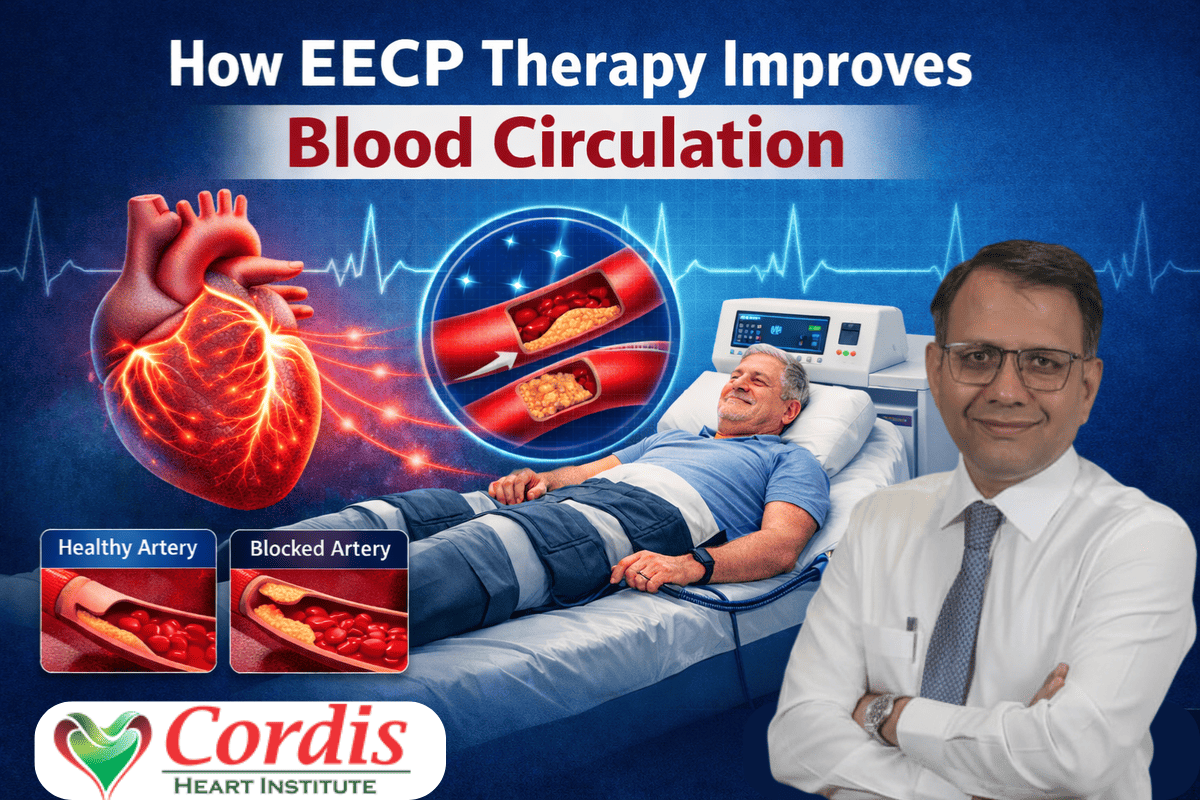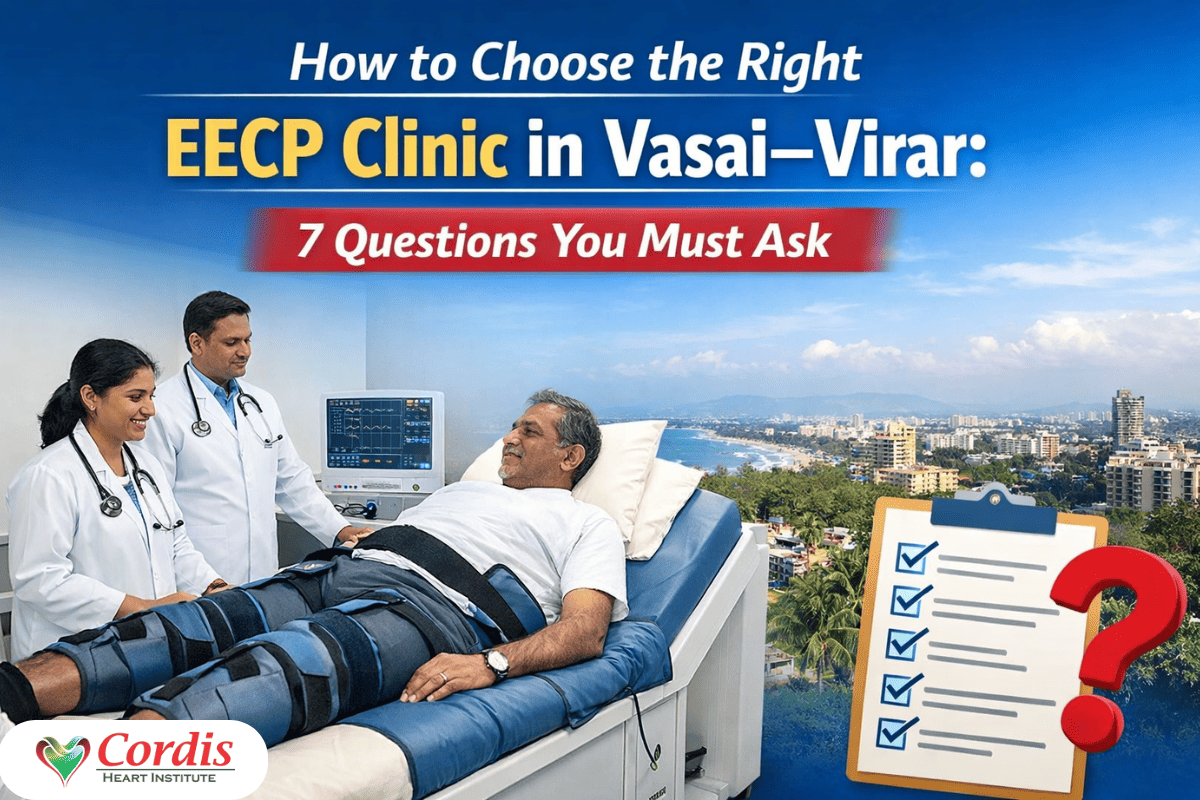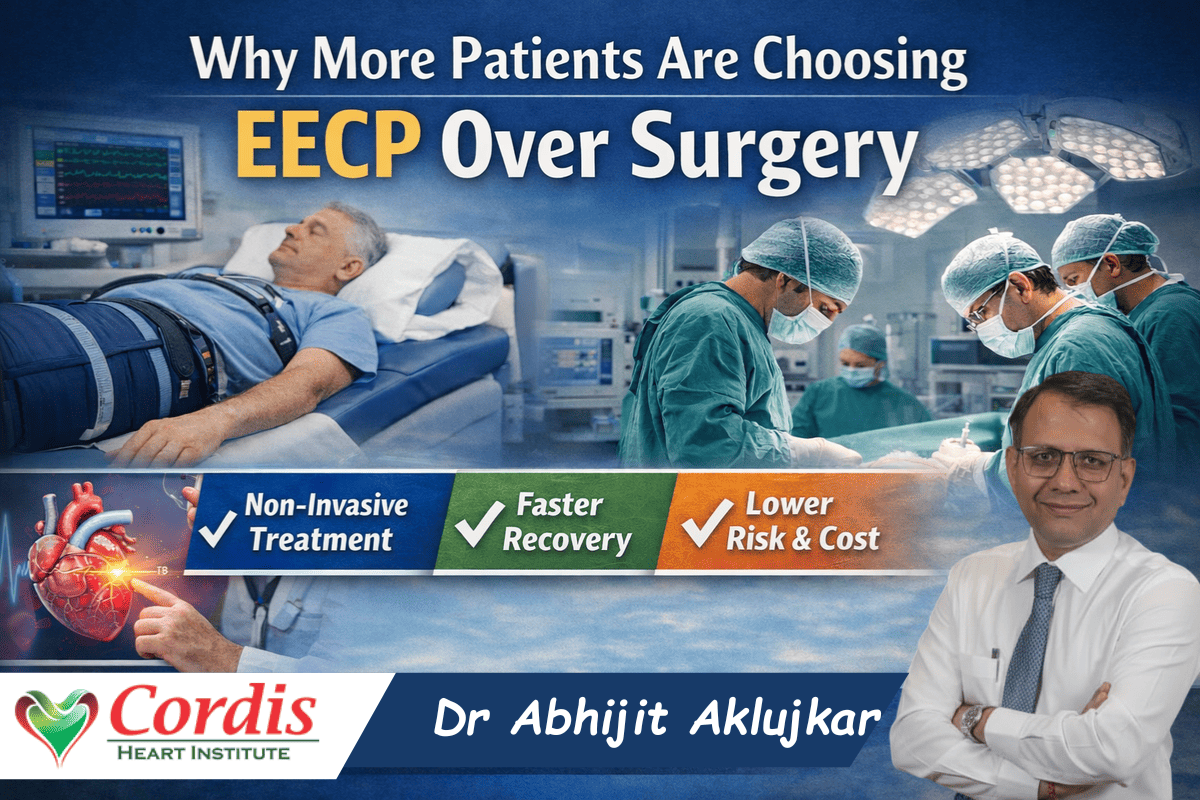
Can EECP treatment for heart blockage help you avoid bypass surgery? This guide explains how EECP works, compares EECP vs bypass surgery, and helps you understand which option may be right for your heart condition, based on medical guidance and real patient needs.
Best Cardiologist in Mumbai: How to Choose the Right Heart Doctor
Looking for the best cardiologist in Mumbai but not sure how to choose the right heart doctor? This guide breaks down everything you need to know, from understanding different types of cardiologists and consultation costs to knowing when to seek care and what to expect during your first visit. A clear, patient-friendly read to help you make a confident decision about your heart health.
EECP Therapy for Heart Blockage: Non Surgical Treatment Explained Simply
EECP treatment in Solapur offers a non-surgical way to improve blood flow, reduce chest pain, and support heart health. This guide explains the full step-by-step EECP therapy process for patients.
Best Cardiologist in Thane: How to Choose the Right Heart Specialist
Looking for the best cardiologist in Thane? This guide explains how to choose the right heart specialist, what to expect from angioplasty in Thane, and when expert cardiac care matters most.
Cardiac Care Centre Near Me: How to Choose the Right Heart Hospital Nearby
A simple guide to choosing the right cardiac care centre near you, covering when to seek heart care, what services to expect, and how to compare nearby heart hospitals with confidence.
Early Warning Signs of Heart Block You Should Not Ignore
Many people ignore early heart-related symptoms because they seem harmless at first. Feeling tired more often, getting dizzy occasionally, or noticing a slower heartbeat can easily be blamed on stress, age, or lack of sleep. But sometimes, these changes point to a condition called heart block. Recognizing heart block symptoms early can make a real difference in treatment and long-term heart health.
Heart block affects the heart’s electrical system. When electrical signals do not travel properly, the heart may beat too slowly or irregularly. The problem is that the signs of heart block are often subtle in the beginning, which leads many people to ask, “Are my symptoms serious, or will they pass on their own?” This article breaks it down clearly so you know what to watch for and when to act.
What Is Heart Block and How Does It Affect the Heart?
Heart block happens when the electrical signals that control your heartbeat are delayed or blocked as they move through the heart. These signals normally travel in a smooth pattern from the upper chambers to the lower chambers, keeping your heartbeat steady.
When this signal flow is interrupted, the heart may not pump blood efficiently. This is different from having a naturally slow heart rate. Some people have a low heart rate and feel completely fine. Heart block, however, means the timing system of the heart is not working as it should.
Understanding how the heart’s electrical system works makes heart block easier to grasp. That’s why linking to a simple “How the Heart Works” article within your site can help readers understand the issue more clearly.
Different Types of Heart Block and Their Warning Signs
Heart block is divided into types based on how much the electrical signal is affected.
First-Degree Heart Block
This is the mildest form. Electrical signals move more slowly than normal but still reach the lower chambers. Most people do not notice any heart block symptoms, and the condition is often found during routine heart tests.
Second-Degree Heart Block
Here, some signals fail to reach the lower chambers.
- Type 1: Signals gradually slow down until one heartbeat is skipped. Symptoms may include mild dizziness or fatigue.
- Type 2: Signals are blocked suddenly without warning. This type is more serious and often causes clearer signs of heart block, such as fainting.
Third-Degree (Complete) Heart Block
This is the most severe form. No electrical signals pass through properly. The heart relies on a very slow backup rhythm, leading to strong symptoms that usually need urgent treatment.
Common Heart Block Symptoms in Early Stages
Early heart block symptoms can be easy to miss. Many people live with them for months without realizing something is wrong.
Common early symptoms include:
- Feeling tired most of the time
- Dizziness or lightheadedness
- Shortness of breath during daily activities
- A slow or irregular heartbeat
- Mild chest discomfort
These symptoms may not appear every day. They often come and go, which makes them easier to ignore. Still, recurring symptoms should never be dismissed.
Dangerous Signs of Heart Block You Should Not Ignore
Some signs of heart block mean the heart is struggling to pump enough blood to the brain and other organs.
Seek urgent medical care if you notice:
- Fainting or feeling like you may faint
- Sudden confusion or difficulty thinking clearly
- Chest pain or pressure
- Extreme weakness without a clear reason
- Sudden collapse
These symptoms should never be ignored, as they can point to advanced heart block.
Signs of Heart Block in Adults and Elderly Patients
Heart block symptoms can look different depending on age.
In younger adults, symptoms often include dizziness during exercise, unexplained fainting, or sudden fatigue. These signs are usually more noticeable.
In older adults, the signs of heart block are often mistaken for aging. Slower movement, memory issues, frequent falls, or constant tiredness may seem normal with age, but they can also signal heart rhythm problems. This is why regular heart checkups are especially important for older individuals.
Symptoms may stay mild at first because the body tries to adjust to the slower heartbeat. Over time, this adjustment may fail, making symptoms worse.
What Causes Heart Block and Who Is at Risk?
Several factors can interfere with the heart’s electrical system.
Common causes and risk factors include:
- Natural aging of heart tissue
- Past heart attacks or existing heart disease
- Certain medications that affect heart rhythm
- Diabetes and long-term high blood pressure
- Infections or inflammation involving the heart
Adding an internal link to a detailed guide on heart disease risk factors helps readers understand how heart block fits into overall heart health.
Tests Used to Identify Heart Block Symptoms
Doctors use simple but effective tests to diagnose heart block.
An ECG is usually the first test. It records the heart’s electrical activity and clearly shows whether signals are delayed or blocked.
If symptoms do not happen all the time, a Holter monitor may be recommended. This portable device tracks heart rhythm over one or two days while you go about your routine.
In some cases, stress tests or longer monitoring periods are advised, especially if symptoms appear during physical activity.
Treatment Options for Heart Block Based on Symptoms
Treatment depends on how severe the heart block is and how strong the symptoms are.
- Mild cases may only need regular monitoring
- Medication changes may help if drugs are affecting heart rhythm
- Advanced heart block often requires a pacemaker to keep the heartbeat steady
Linking to trusted medical websites or well-known hospitals adds credibility and allows readers to explore treatment options further.
Reducing the Risk of Heart Block Symptoms
Not all cases of heart block can be prevented, but many risk factors can be managed.
Helpful steps include:
- Keeping blood pressure and blood sugar under control
- Scheduling regular heart checkups
- Reviewing medications with your doctor
- Staying physically active within safe limits
- Avoiding smoking and excess alcohol
These habits support both heart rhythm and overall heart health.
FAQs About Heart Block Symptoms and Signs
What are the first signs of heart block?
Early signs often include fatigue, dizziness, and a slow heartbeat.
Can heart block symptoms come and go?
Yes. Symptoms may appear during activity or stress and ease at rest, especially early on.
Is heart block life-threatening?
Mild forms are often manageable, but severe heart block can be dangerous without treatment.
Can heart block be treated without surgery?
Some cases improve with medication changes. Advanced cases usually need a pacemaker.
When should I see a doctor for heart block symptoms?
If symptoms repeat, worsen, or include fainting or chest pain, see a doctor promptly.
When Heart Block Symptoms Need Medical Evaluation
You should seek medical advice if you notice ongoing dizziness, unexplained fatigue, fainting, or chest discomfort. Sudden or severe symptoms need immediate care. Ignoring recurring signs of heart block can lead to serious complications later.
Don’t Ignore the Early Signs of Heart Block
Heart block symptoms often start quietly but can progress over time. Paying attention to early signs of heart block allows you to act before the condition becomes serious. A simple ECG can offer clarity and peace of mind.
If you or someone close to you notices these symptoms, book a heart checkup, consult a cardiologist, or get an ECG done. Early action helps protect your heart and supports a healthier, more active life.
Why Are More People Getting Heart Attacks in the Gym?
In recent years, there have been growing reports of people suffering heart attacks during gym workouts. High-profile cases such as Puneeth Rajkumar and Raju Shrivastava have raised public concern and started important conversations around exercise safety.
Exercise is good for the heart, but when done incorrectly or without understanding one’s limits, it can turn risky. Below is a detailed, easy-to-follow guide on why heart attacks can happen in the gym and how you can exercise safely.
Common Reasons for Heart Attacks During Gym Workouts
1. Sudden High-Intensity Exercise
Many people jump straight into intense workouts after years of a sedentary lifestyle. Heavy weightlifting, sprinting, or high-speed treadmill sessions put sudden pressure on the heart, especially if the body is not conditioned.
2. Undiagnosed Heart Problems
Conditions like blocked arteries, high blood pressure, diabetes, or high cholesterol often show no early symptoms. Exercise can act as a trigger in people who are unaware they have heart disease.
3. Overexertion and Peer Pressure
Trying to match others in the gym or following online fitness trends without considering personal fitness levels is a common mistake. Overtraining without rest increases cardiac stress.
4. Poor Warm-Up and Cool-Down
Skipping warm-up and cool-down sessions causes sudden changes in heart rate and blood pressure, increasing the risk of rhythm disturbances.
5. Dehydration
Lack of fluids thickens the blood and reduces circulation efficiency, forcing the heart to work harder during exercise.
Safe Exercise Guidelines to Protect Your Heart
Start Slow and Build Gradually
Beginners should always start with low-intensity workouts and increase intensity over several weeks. Your heart needs time to adapt.
Train Under Supervision
Exercise under the guidance of an experienced gym trainer, especially if you are new, overweight, or above 40 years of age.
Know Your Heart Rate Limits
Understanding your heart rate is very important, especially while using a treadmill.
- Maximum Heart Rate (MHR):
220 − your age
Example: If you are 50 years old
220 − 50 = 170 beats/min - Target Heart Rate Zone:
60% to 80% of MHR
For 170 MHR → 102 to 136 beats/min
Try to stay within this range during exercise. Avoid pushing your heart to its maximum limit.
These calculations apply to healthy individuals with a negative treadmill test (TMT).
If your treadmill test is positive, exercise should be done only under medical supervision.
Importance of Rest and Recovery
Exercise 5 days a week and keep 2 days for rest. Recovery allows the heart muscles to repair and prevents overuse stress. Daily intense workouts without rest can do more harm than good.
Lifestyle Habits That Reduce Heart Attack Risk
Heart-Friendly Diet
- Eat high-fiber foods: fresh vegetables, fruits, whole grains, nuts, and seeds
- Avoid:
- Processed and packaged foods
- Bakery items
- Sugar-rich foods
- Saturated and trans fats
- Excess dairy and red meat
- Processed and packaged foods
Stress Control
Mental stress directly affects heart health. Make time for:
- Yoga and meditation
- Leisure activities
- Spending time with family and friends
Quality Sleep
Most urban adults sleep late and get poor-quality rest. Aim for at least 6 to 7 hours of sound sleep every night to support heart recovery.
Quit Smoking and Limit Alcohol
- Smoking narrows and hardens blood vessels, raising blood pressure and heart risk
- Alcohol intake raises blood pressure and weakens heart muscles over time
Manage Existing Health Conditions
Conditions that raise heart attack risk:
- Obesity
- Diabetes
- High blood pressure
- High cholesterol
These should be managed with lifestyle changes and medicines when required. Regular health check-ups are strongly advised before starting a new workout routine.
Who Should Get a Cardiac Check Before Gym Training?
You should consult a doctor before joining a gym if you:
- Are above 40 years of age
- Have diabetes, BP, or cholesterol issues
- Have a family history of heart disease
- Experience chest pain, breathlessness, or dizziness
A simple cardiac evaluation can prevent serious outcomes.
Conclusion
Exercise saves lives, but only when done correctly. The goal is not to compete with others but to stay consistent, safe, and aware of your body’s limits. Listening to your heart is just as important as strengthening it.
Frequently Asked Questions (FAQs)
1. Is it safe to exercise in the gym for heart patients?
Yes, gym exercise can be safe for heart patients if done under medical guidance. Low- to moderate-intensity workouts are usually advised. A cardiac evaluation and a treadmill test should be done before starting.
2. Can gym workouts cause heart attacks?
Gym workouts do not directly cause heart attacks, but sudden high-intensity exercise, overexertion, dehydration, or underlying heart disease can trigger a heart attack during exercise.
3. What are early warning signs of a heart problem during exercise?
Stop exercising immediately and seek medical help if you experience:
- Chest pain or tightness
- Shortness of breath
- Dizziness or fainting
- Excessive sweating
- Pain in the left arm, jaw, or back
4. What is the safest heart rate while exercising on a treadmill?
The safe target heart rate is 60% to 80% of your maximum heart rate.
Maximum heart rate is calculated as 220 − age. Staying within this range reduces stress on the heart.
5. Should beginners avoid heavy workouts in the gym?
Yes. Beginners should avoid heavy weights and high-speed cardio. Start slow, focus on form, and increase intensity gradually over a few weeks.
6. Is warm-up really necessary before gym exercise?
Absolutely. A 5 to 10 minute warm-up prepares the heart and muscles, prevents sudden heart rate spikes, and reduces the risk of injury or cardiac stress.
7. How important is hydration during workouts?
Very important. Dehydration makes the heart work harder and increases the risk of cramps, dizziness, and heart rhythm problems. Drink water before, during, and after exercise.
8. How many rest days are needed in a week?
Ideally, exercise 5 days a week and take 2 rest days. Rest helps the heart and muscles recover and prevents overtraining.
9. Can young people also get heart attacks in the gym?
Yes. Due to stress, poor diet, smoking, alcohol use, lack of sleep, and undiagnosed heart conditions, heart attacks are now seen even in younger people.
10. Who should get a heart check-up before joining a gym?
You should consult a doctor if you:
- Are above 40 years of age
- Have diabetes, BP, or cholesterol
- Are overweight
- Have a family history of heart disease
- Have been inactive for a long time
11. Is treadmill exercise safe for daily workouts?
Treadmill exercise is safe if done at the right speed, incline, and heart rate. Avoid sudden speed increases and long high-intensity sessions without breaks.
12. Can lifestyle changes reduce heart attack risk during exercise?
Yes. A healthy diet, stress control, proper sleep, quitting smoking, limiting alcohol, and managing diabetes or BP greatly reduce heart attack risk.