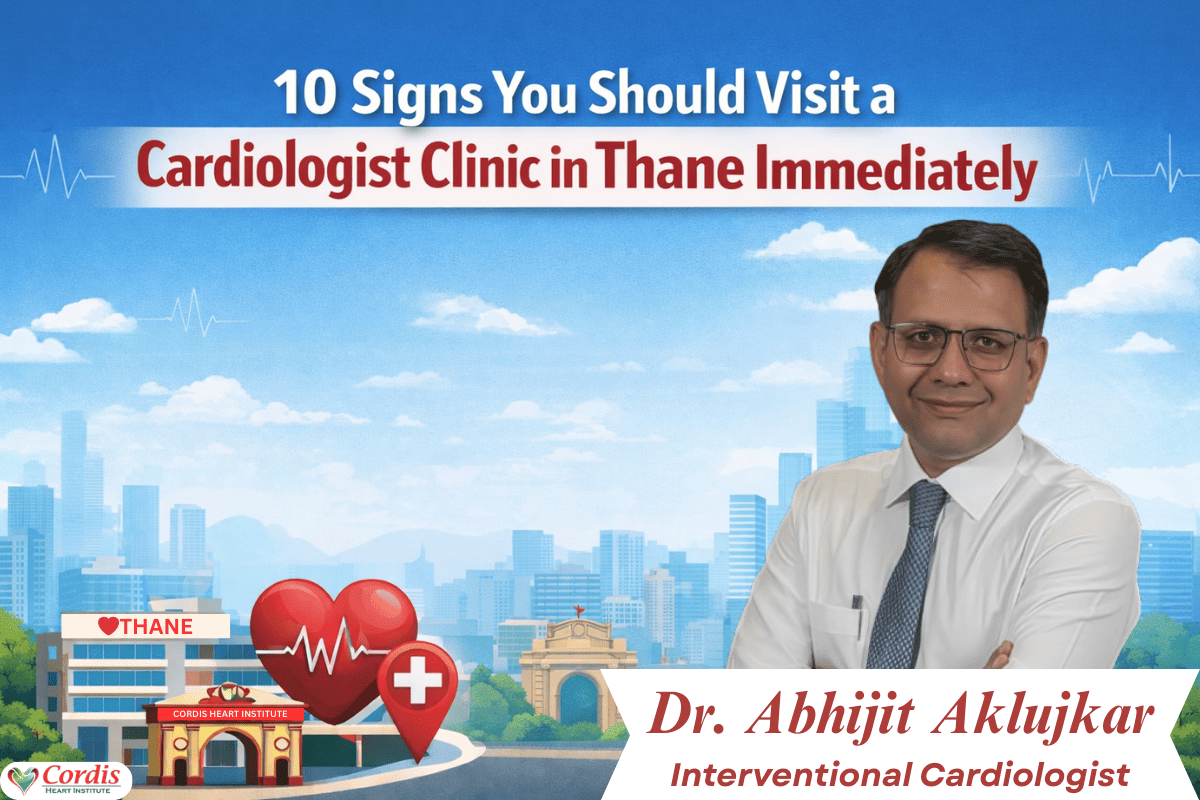
It is unlikely that you will experience any heart issues overnight; however, the human body can provide many early warning indicators preceding a serious issue. Sadly, most people do not recognize the warning signs or attribute them to stress, fatigue, or other minor illnesses. Consequently, your heart’s condition could worsen due to your lack of seeking medical help.
If you live near Thane, be sure to reach out to a cardiologist in Thane if you have any symptoms that could indicate a heart problem. By obtaining an accurate diagnosis and commencing treatment early, you may be able to avoid suffering from heart attacks, heart failure, or other complications.
Cordis Heart Institute, located in Thane, offers state-of-the-art testing procedures and highly qualified heart specialists who create individualized plans for managing heart disease.
In this article, we will outline 10 potential warning signs that you may require the services of a specialist and provide you with some ideas to help you maintain good heart health.
Why Early Heart Checkups Are Important
Many people only visit a cardiologist when symptoms become severe. However, preventive heart care plays a major role in reducing the risk of major cardiac events.
Rising Heart Disease Cases in India
Heart disease continues to be one of the major causes of death within India. Lifestyles that are sedentary, lack of exercise, unhealthy eating, stress, diabetes, and high levels of cholesterol all contribute to the increasing numbers of patients who suffer from cardiac issues.
Recent studies show an alarming trend where adults in their 30s and 40s are beginning to develop heart issues at higher rates and therefore regular heart checkups need to be taken seriously.
Scheduling a cardiologist visit for early screening at a cardiology hospital in Thane can be an effective way to identify potential issues before they develop into debilitating conditions.
Benefits of Visiting a Cardiologist Early
Early consultation with a heart specialist offers several benefits:
Early detection of heart conditions: Diagnostic tests can identify problems before symptoms become severe.
Preventive treatment: Doctors can recommend medications or lifestyle changes to reduce risk.
Lifestyle guidance: Cardiologists provide guidance on diet, exercise, and stress management.
Regular checkups at a cardiologist clinic in Thane can help you stay ahead of potential heart issues.
When Should You Consult a Cardiologist in Thane?
You should consider visiting a cardiologist if you experience symptoms such as chest discomfort, irregular heartbeat, or unexplained fatigue. People with high blood pressure, diabetes, or a family history of heart disease should also schedule regular heart checkups.
10 Signs You Should Visit a Cardiologist Clinic in Thane Immediately
Recognizing early symptoms of heart problems can save lives. Here are ten signs that should never be ignored.
1. Chest Pain or Pressure
Chest pain is one of the most common warning signs of heart disease. It may feel like pressure, tightness, or burning in the chest.
This symptom may occur during physical activity or even while resting. In some cases, chest discomfort may indicate blocked arteries or reduced blood flow to the heart.
If you experience repeated chest pain, visiting a cardiologist clinic in Thane is strongly recommended.
2. Shortness of Breath
Difficulty breathing during simple activities such as walking, climbing stairs, or even resting can indicate a heart problem.
Shortness of breath may occur when the heart is unable to pump blood efficiently, leading to fluid buildup in the lungs.
A heart specialist can perform tests to determine the underlying cause and recommend the right treatment.
3. Irregular Heartbeat or Palpitations
An irregular heartbeat may feel like your heart is racing, fluttering, or skipping beats.
Occasional palpitations may not be serious, but frequent or persistent irregular heartbeats should be evaluated by a cardiologist.
Heart rhythm disorders can increase the risk of stroke or heart failure if left untreated.
4. Persistent Fatigue or Weakness
Feeling tired occasionally is normal, but constant fatigue without a clear reason may indicate poor heart function.
When the heart cannot pump blood efficiently, the body receives less oxygen and nutrients, leading to persistent weakness.
A visit to a cardiology hospital in Thane can help identify the underlying cause.
5. Dizziness or Fainting
Frequent dizziness, lightheadedness, or fainting episodes may indicate heart rhythm problems or reduced blood flow to the brain.
These symptoms should never be ignored, especially if they occur suddenly.
Cardiologists can perform tests such as ECG or stress tests to determine whether the heart is involved.
6. Pain in the Arm, Jaw, Neck, or Back
Heart attack symptoms do not always appear as chest pain. Many patients experience discomfort in the left arm, jaw, neck, or upper back.
This type of pain often occurs along with chest discomfort or shortness of breath.
Seeking medical evaluation at a cardiologist clinic in Thane can help rule out serious cardiac conditions.
7. Swelling in Legs, Ankles, or Feet
Swelling in the lower body may indicate fluid retention caused by heart failure.
When the heart is unable to pump blood effectively, fluid may accumulate in the legs, ankles, and feet.
A cardiologist can diagnose the condition and recommend appropriate treatment.
8. High Blood Pressure
High blood pressure is one of the biggest risk factors for heart disease.
If blood pressure remains uncontrolled, it can damage arteries and increase the risk of heart attack or stroke.
Regular monitoring and treatment at a heart specialist clinic in Thane can help manage hypertension effectively.
9. Family History of Heart Disease
If your parents or close relatives have experienced heart disease, your risk may be higher.
Genetic factors can increase the likelihood of developing heart conditions.
Preventive screening and regular consultations with a cardiologist can help detect early signs.
10. Diabetes or High Cholesterol
People with diabetes or high cholesterol have a higher risk of developing heart disease.
High cholesterol can cause plaque buildup in arteries, restricting blood flow to the heart.
Routine heart checkups at a cardiology hospital in Thane can help manage these risk factors.
If you experience any of these symptoms, visiting a cardiologist clinic in Thane like Cordis Heart Institute is highly recommended.
When to Seek Emergency Cardiac Care
Some symptoms require immediate medical attention. Ignoring them can be life-threatening.
Seek emergency care if you experience:
- Severe chest pain lasting more than a few minutes
- Sudden difficulty breathing
- Loss of consciousness
- Sudden sweating, nausea, or vomiting with chest pain
Immediate consultation with a cardiologist in Thane can prevent serious complications and save lives.
Why Choose Cordis Heart Institute – Trusted Cardiology Hospital in Thane
Choosing the right heart care provider is essential for effective treatment.
Experienced Cardiologists
Cordis Heart Institute is known for experienced cardiologists who diagnose and treat a wide range of heart conditions.
Patients receive personalized treatment plans based on their health history and symptoms.
Advanced Cardiac Diagnostics
The hospital provides advanced diagnostic tests including:
- ECG
- 2D Echo
- Stress Test
- EECP therapy
These technologies help doctors detect heart conditions accurately.
Patient-Focused Heart Care
The team focuses on patient comfort, detailed diagnosis, and long-term heart health management.
Preventive Tips to Maintain a Healthy Heart
Preventive care plays a key role in maintaining heart health.
Maintain a Heart-Friendly Diet
Eat foods that support heart health, such as:
- Fruits and vegetables
- Whole grains
- Nuts and seeds
- Lean proteins
Limit processed foods, sugar, and unhealthy fats.
Regular Exercise
Physical activity strengthens the heart and improves blood circulation.
Experts recommend at least 30 minutes of moderate exercise most days of the week.
Manage Stress
Chronic stress can contribute to heart problems. Activities such as meditation, yoga, and breathing exercises can help reduce stress.
Regular Heart Checkups
Routine screenings help detect heart problems early.
Consulting a specialist in preventive cardiology in Thane ensures that risk factors are monitored and managed properly.
Frequently Asked Questions
When should I visit a cardiologist in Thane?
You should visit a cardiologist if you experience symptoms like chest pain, shortness of breath, irregular heartbeat, or dizziness.
People with high blood pressure, diabetes, or family history of heart disease should also schedule regular checkups.
What tests does a cardiologist perform?
Common heart tests include ECG, echocardiogram, stress tests, blood tests, and advanced imaging scans.
These tests help doctors evaluate heart function and diagnose cardiac conditions.
How do I choose the best cardiologist clinic in Thane?
Look for experienced doctors, advanced diagnostic facilities, patient reviews, and specialized cardiac treatments.
Hospitals that provide comprehensive heart care are often the best choice.
What are the early signs of heart disease?
Early signs include chest discomfort, fatigue, shortness of breath, palpitations, dizziness, and swelling in the legs.
Recognizing these symptoms early can help prevent serious complications.
Does Cordis Heart Institute provide preventive heart checkups?
Yes. Cordis Heart Institute offers preventive heart screenings, diagnostic tests, and treatment for various cardiac conditions.
Conclusion
Heart disease often begins with small warning signs that many people ignore. Recognizing these symptoms early can prevent serious complications and improve treatment outcomes.
If you experience symptoms like chest pain, shortness of breath, irregular heartbeat, or persistent fatigue, it is important to consult a cardiologist immediately.
Cordis Heart Institute, a trusted cardiology hospital in Thane, provides expert heart care, advanced diagnostic tests, and personalized treatment for patients with cardiac conditions.
Taking action today can protect your heart and improve your long-term health.
If you are experiencing any of these warning signs, do not delay medical care.
Early diagnosis can save lives.