Choosing the right EECP treatment clinic in Mumbai can be an important decision for people living with chronic chest pain, angina, or persistent heart-related symptoms. Patients often want to understand whether a non-surgical treatment option may help them manage their symptoms, especially when they have already tried medication or undergone angioplasty.
Enhanced External Counterpulsation (EECP) is a non-invasive treatment that may help relieve angina in selected patients with coronary artery disease. However, not every patient is suitable for this therapy, and the quality of medical assessment matters when deciding whether to proceed.
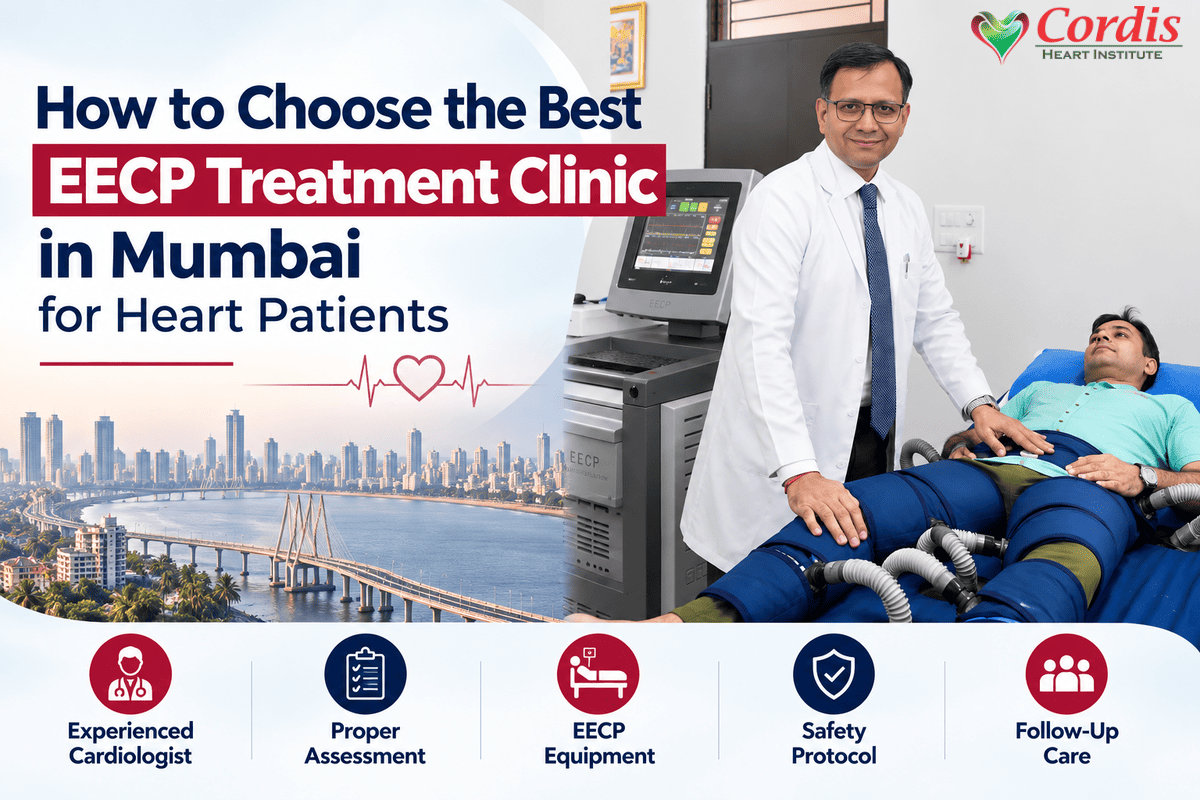
When comparing an EECP centre in Mumbai, patients should look beyond advertising claims and treatment prices. They should check the cardiologist’s qualifications, the clinic’s assessment process, equipment, safety procedures, treatment schedule, and follow-up care.
At Cordis Heart Institute, patients can enquire about a cardiac consultation with Dr Abhijit Aklujkar to discuss their symptoms and available treatment options. Understanding what to look for in an EECP clinic can help patients and their families prepare better questions before making a decision.
What Is EECP Treatment and How Does It Work?
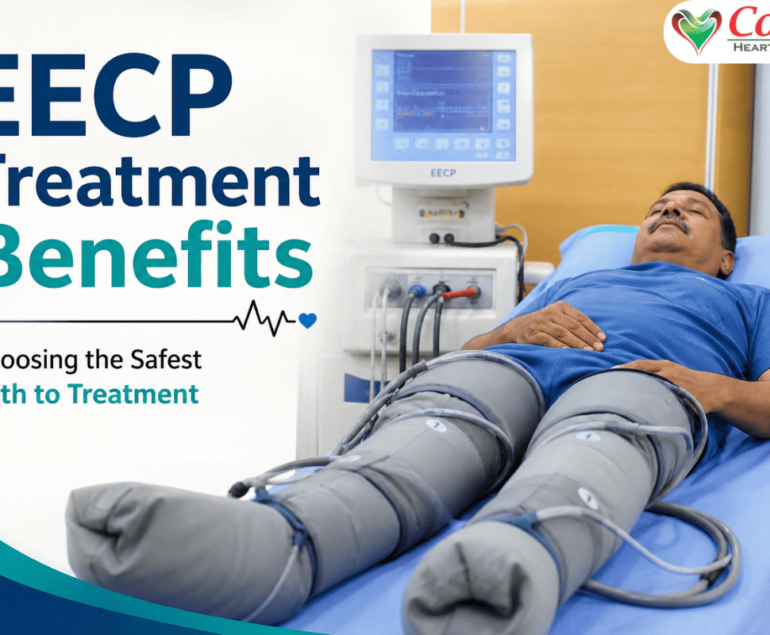
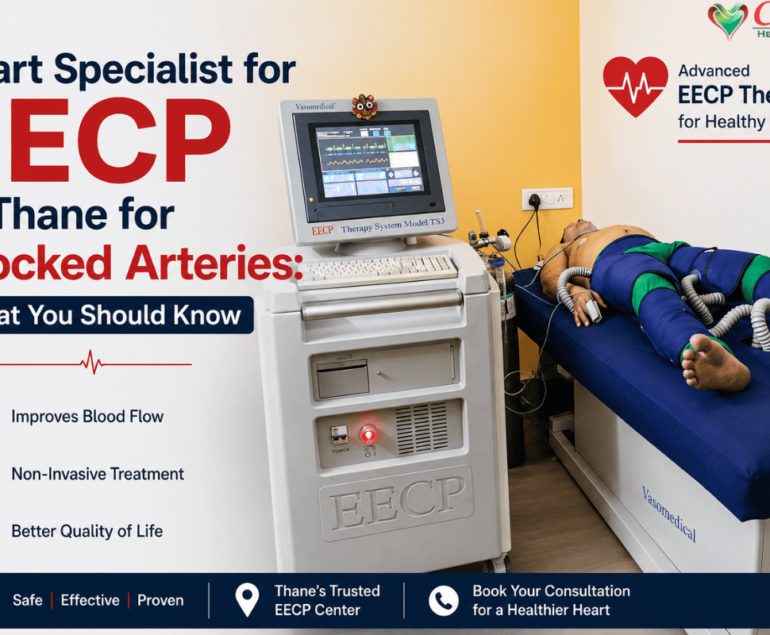
EECP stands for Enhanced External Counterpulsation. It is a non-invasive therapy that uses inflatable cuffs wrapped around the patient’s calves, thighs, and buttocks. The cuffs inflate and deflate in coordination with the heartbeat, using the timing of the cardiac cycle to support blood circulation to the heart.
During treatment, the patient lies on a treatment bed while the equipment operates under clinical supervision. The treatment does not involve surgery or inserting instruments into the arteries.
Who May Benefit From EECP Therapy?
EECP may be considered for selected patients with chronic stable angina, particularly when chest pain continues despite appropriate medication or when other treatment options are unsuitable. A cardiologist must review the patient’s medical history, symptoms, previous procedures, and current condition before recommending this therapy.
Some patients may experience reduced angina symptoms and improved ability to perform daily activities. However, results vary, and treatment cannot guarantee symptom relief.
Is EECP an Alternative to Angioplasty or Bypass Surgery?
Patients searching for heart blockage treatment without surgery should understand that EECP does not physically remove plaque or open a blocked artery. It may help manage angina in selected cases, but it does not replace angioplasty, bypass surgery, or emergency treatment when these are medically necessary.
A qualified cardiologist can explain which options are appropriate for the patient’s condition.
7 Factors to Consider When Choosing an EECP Treatment Clinic in Mumbai
Before selecting an EECP clinic, compare the medical care, treatment process, and support available to patients. These seven factors can help you make a more informed decision.
1. Check the Cardiologist’s Qualifications and Experience
The first step is to check who will assess your heart condition and supervise your care. Look for a qualified cardiologist with relevant clinical experience and valid medical registration.
Ask whether the doctor will review your previous cardiac reports, explain the available treatment options, and determine whether EECP is appropriate for you.
At Cordis Heart Institute, patients can enquire about a consultation with Dr Abhijit Aklujkar to discuss their heart-related symptoms and treatment options. Confirm the doctor’s current qualifications and role directly with the hospital before booking.
2. Check Whether the Clinic Provides a Proper Cardiac Assessment
A responsible EECP treatment centre should assess the patient before starting therapy. The evaluation may include:
- A review of chest pain, breathlessness, and other symptoms.
- Previous angioplasty, bypass surgery, or heart-related hospitalisations.
- Current medicines and existing medical conditions.
- Relevant investigations, such as an ECG, echocardiogram, or other tests when indicated.
- An assessment of potential risks and contraindications.
This assessment helps the cardiologist decide whether EECP is suitable or whether another treatment would be more appropriate.
3. Ask About EECP Equipment and Treatment Protocols
Ask the clinic about the EECP machine, equipment maintenance, patient monitoring, and the staff responsible for operating it.
The treatment should follow a defined clinical protocol, with the equipment’s pressure and timing adjusted according to the patient’s needs and tolerance. The clinical team should also explain what happens during a session and what symptoms patients should report.
4. Understand the EECP Treatment Duration and Schedule
A commonly used EECP course involves 35 sessions of approximately one hour each, often scheduled five days a week over seven weeks. The treating clinician should confirm the recommended schedule for each patient.
Before committing to treatment, consider travel time, work commitments, and the ability to attend sessions regularly. Ask the clinic what to do if you miss an appointment.
5. Review Patient Monitoring and Safety Procedures
EECP is not suitable for everyone. Certain conditions, including unstable angina, some heart rhythm problems, severe peripheral artery disease, blood clots, and specific heart valve conditions, may make treatment inappropriate or require special assessment.
Ask how the team monitors your condition during therapy and what procedures are in place if you feel unwell. Tell the clinician about every medicine you take and any recent cardiac procedure.
6. Compare EECP Treatment Costs and What Is Included
The cost of EECP treatment in Mumbai can vary between centres. Rather than comparing only the advertised package price, request a written estimate covering:
- Initial cardiology consultation.
- Required investigations.
- The recommended treatment course.
- Follow-up appointments.
- Any additional charges that may apply.
Ask whether the clinic offers a payment plan and what happens if your cardiologist recommends stopping treatment early. A clear cost breakdown makes it easier to compare clinics fairly.
7. Check Follow-Up Care and Patient Support
Treatment should not end with the last EECP session. Ask how the clinic reviews your symptoms and whether follow-up appointments are available.
A suitable care plan may include medication review, lifestyle advice, management of cardiovascular risk factors, and further evaluation if symptoms persist. Continue prescribed heart medicines unless your treating doctor advises otherwise.
Why Consider Cordis Heart Institute for EECP Treatment in Mumbai?
When researching an EECP treatment clinic in Mumbai, patients should look for a medical team that can assess their individual condition and explain the available treatment options.
Cordis Heart Institute is a centre patients can contact to enquire about EECP-related cardiac care and consultation with Dr Abhijit Aklujkar.
Before starting therapy, discuss your symptoms, previous cardiac procedures, medical history, and current medicines with the treating clinician. This conversation can help establish whether EECP is an appropriate option or whether another treatment should be considered.
Patients should also confirm the clinic’s current location, available facilities, appointment process, and treatment schedule directly with the hospital.
Rather than relying on claims about guaranteed results, ask for a clear explanation of the expected benefits, possible risks, and how progress will be assessed throughout treatment.
Who Should Consider EECP Treatment for Heart Problems?
EECP may be considered for selected patients with chronic coronary artery disease, particularly those experiencing persistent angina despite appropriate medical treatment. It may also be discussed with some patients who continue to experience symptoms after angioplasty or bypass surgery.
However, a previous heart procedure does not automatically make someone suitable for EECP. The cardiologist must review the patient’s current condition and determine the best course of action.
Patients with unstable chest pain, certain rhythm disorders, severe vascular disease, or other contraindications may need a different treatment plan.
Important: If you have new, severe, worsening, or persistent chest pain, particularly with breathlessness, sweating, nausea, or pain spreading to the arm or jaw, seek emergency medical care immediately. Do not wait for an EECP appointment.
Frequently Asked Questions About EECP Treatment in Mumbai
Which is the best EECP treatment clinic in Mumbai?
Look for a clinic with qualified cardiac professionals, appropriate patient assessment, clear treatment protocols, safety monitoring, and follow-up care. You can contact Cordis Heart Institute to enquire about a consultation with Dr Abhijit Aklujkar and discuss your treatment options.
What is the cost of EECP treatment in Mumbai?
The cost varies depending on the clinic, treatment package, consultation fees, investigations, and follow-up requirements. Contact the clinic for a current, itemised estimate before starting treatment.
How many sessions are required for EECP therapy?
A commonly used course involves 35 sessions of around one hour each, usually five days a week for seven weeks. Your cardiologist will determine the appropriate schedule for your condition.
Is EECP treatment painful or uncomfortable?
Patients may feel pressure from the cuffs around their legs. Some experience discomfort, muscle aches, bruising, or skin irritation. Inform the clinical team if you experience pain or unusual symptoms during a session.
Can EECP treat heart blockage without surgery?
EECP does not remove plaque or physically open blocked arteries. It may help relieve angina in selected patients, but it cannot replace angioplasty or bypass surgery when these procedures are medically necessary.
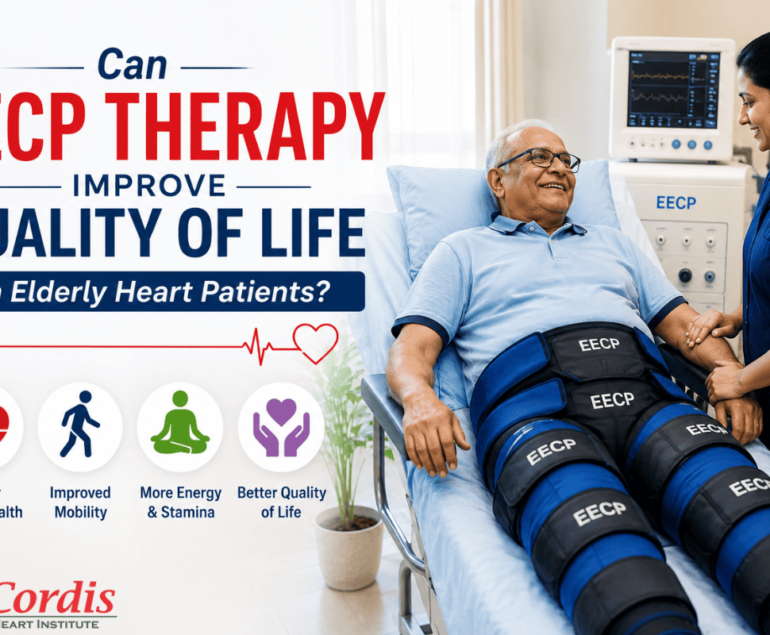
Is EECP safe for elderly heart patients?
Some older adults may be suitable for EECP, but age alone cannot determine eligibility. The cardiologist must assess overall health, circulation, heart rhythm, medications, and other medical conditions before recommending treatment.
How can I book an EECP consultation at Cordis Heart Institute?
Contact Cordis Heart Institute through its official website or verified hospital contact details to enquire about an appointment with Dr Abhijit Aklujkar. Carry your previous cardiac reports, investigation results, and current medication list to the consultation.
Book an EECP Consultation at Cordis Heart Institute
Choosing the right EECP treatment clinic in Mumbai starts with understanding your heart condition, checking the medical team’s qualifications, and asking the right questions about safety, treatment duration, and cost.
If you are experiencing persistent angina or researching non-surgical options for managing heart-related symptoms, speak with a qualified cardiologist before making a treatment decision.
Contact Cordis Heart Institute to enquire about a cardiac consultation with Dr Abhijit Aklujkar. Discuss your symptoms, previous treatment, and whether EECP therapy may be appropriate for you.
Take your previous cardiac reports and medication details to the consultation so the doctor can review your medical history.