Heart disease continues to be one of the leading health concerns in India. While angioplasty and bypass surgery remain common treatment options, many patients today are actively looking for treatments that are less invasive, involve minimal recovery time, and allow them to return to their daily routine quickly. This shift has led to a growing interest in EECP Therapy in Solapur, especially among people living with chronic chest pain, coronary artery disease, or those seeking a second opinion before undergoing surgery.
If you’ve been wondering why more patients are choosing EECP Therapy in Solapur, the answer lies in its ability to improve blood flow to the heart without surgery. For eligible patients, EECP can help relieve angina symptoms, improve exercise tolerance, and enhance overall quality of life. As awareness grows, more people are consulting experienced heart specialists to understand whether this non-surgical treatment is right for them.
At Cordis Heart Institute, patients receive a detailed cardiac evaluation under the guidance of Dr Abhijit Aklujkar, who focuses on creating personalized treatment plans based on each patient’s heart condition, symptoms, and medical history. The goal is to recommend the most appropriate treatment, whether that involves medications, lifestyle changes, EECP therapy, or other cardiac interventions.
In this article, we’ll explain what EECP therapy is, how it works, who may benefit from it, and why it has become a preferred treatment option for many heart patients in Solapur.
What Is EECP Therapy?
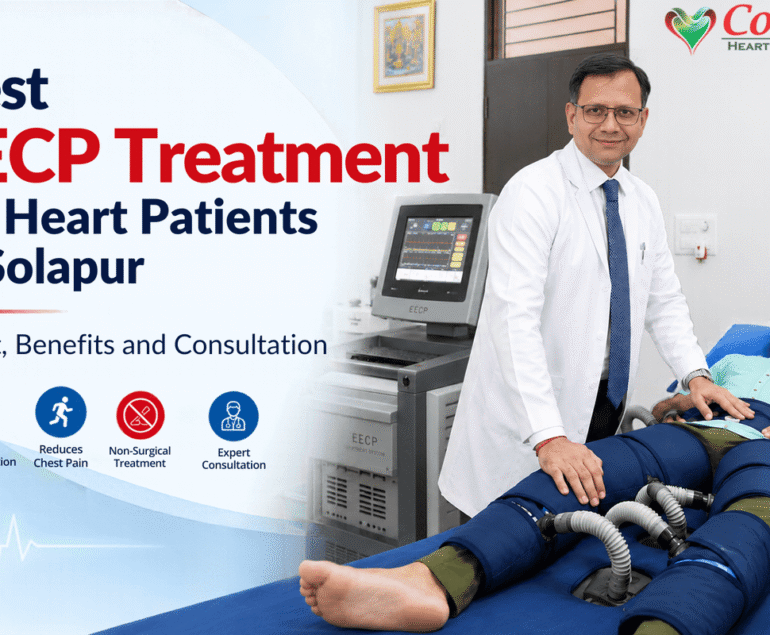
Enhanced External Counterpulsation (EECP) is a non-invasive treatment designed to improve blood circulation to the heart. Unlike angioplasty or bypass surgery, EECP does not require any cuts, stitches, or hospital admission.
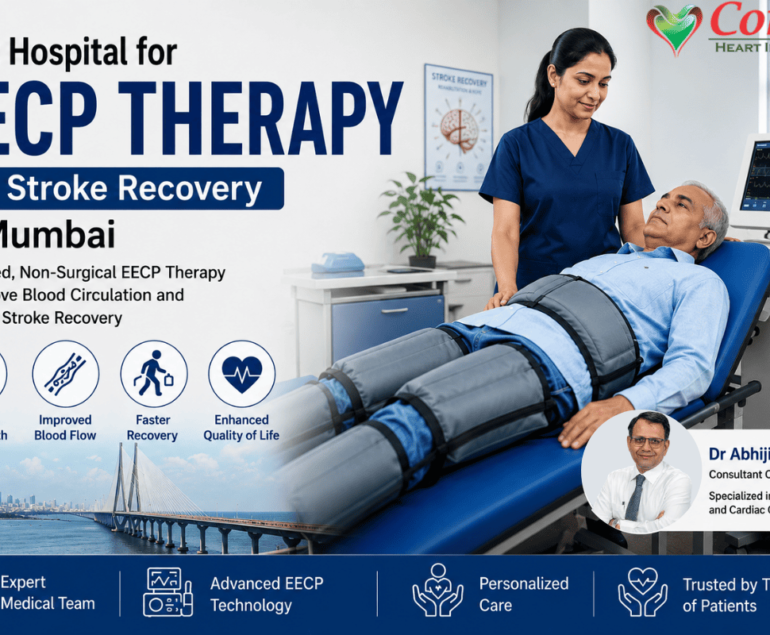
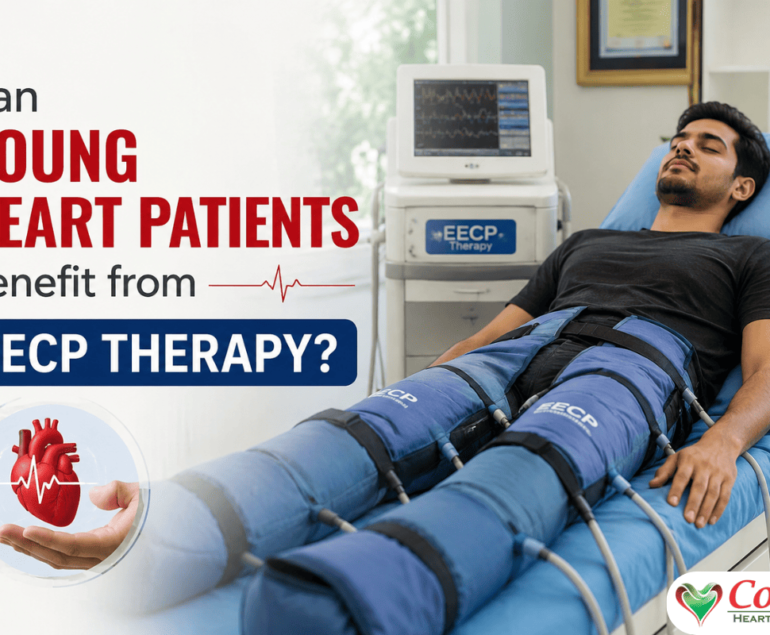
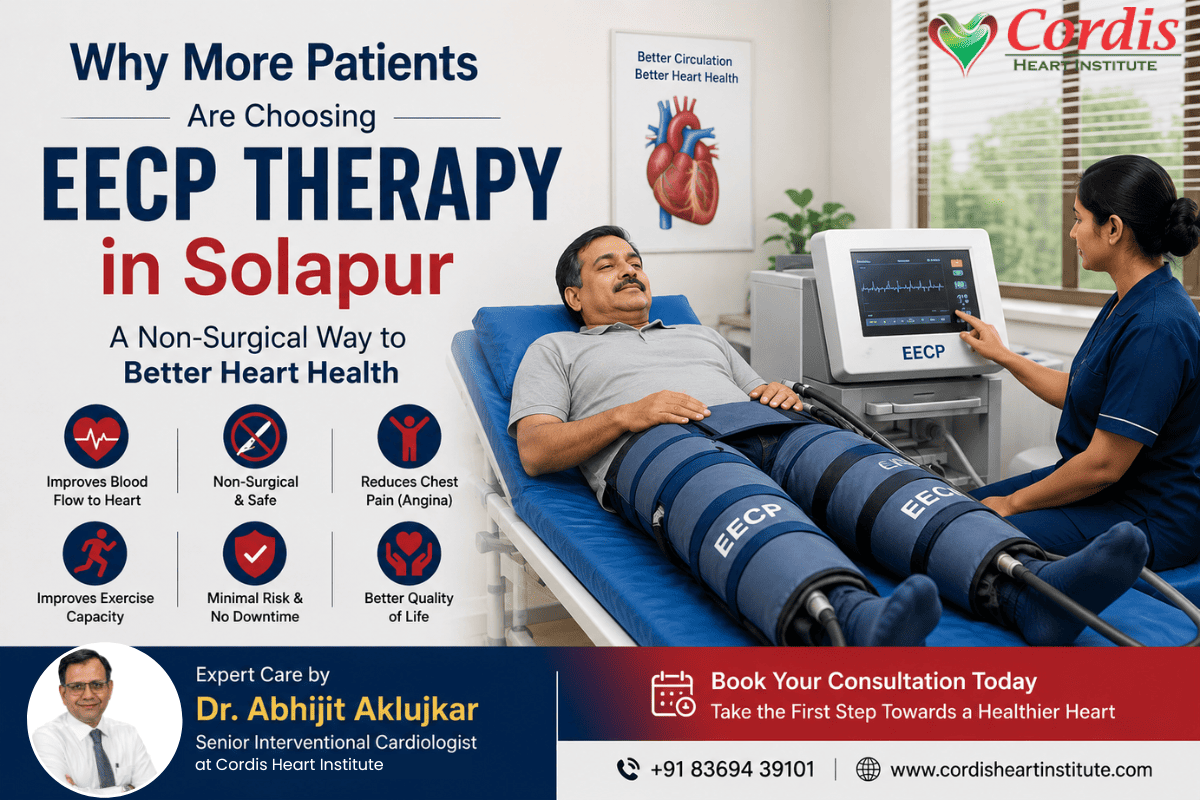
The therapy uses inflatable cuffs wrapped around the calves, thighs, and lower hips. These cuffs inflate and deflate in sync with your heartbeat through a computerized system. This timing is carefully controlled using an ECG monitor.
The repeated inflation gently pushes oxygen-rich blood toward the heart during its relaxation phase (diastole). As the cuffs deflate just before the next heartbeat, the heart can pump blood with less effort. Over time, this process may encourage the development of small natural blood vessels, often called collateral circulation, which can improve blood supply to areas affected by narrowed coronary arteries.
EECP is performed while the patient lies comfortably on a treatment bed. There are no injections, no anaesthesia, and no surgery involved.
Understanding Enhanced External Counterpulsation (EECP)
EECP has been used worldwide for patients with coronary artery disease and chronic angina, particularly when symptoms continue despite medication or when surgery is not suitable.
The treatment works by supporting the body’s natural circulation rather than replacing it. Instead of opening blocked arteries mechanically, EECP helps improve blood flow through existing and newly developed collateral vessels.
During each session:
- ECG monitors continuously track the heartbeat.
- Air cuffs inflate sequentially from the calves upward.
- Blood is pushed back toward the heart.
- The heart receives more oxygen-rich blood.
- The workload on the heart decreases.
A typical treatment session lasts about one hour. Most patients complete around 35 sessions, usually spread over seven weeks. However, the exact number of sessions depends on the patient’s condition and the cardiologist’s recommendation.
Since the treatment is non-invasive, many patients resume their normal daily activities immediately after each session.
How EECP Improves Blood Flow to the Heart
One of the biggest reasons for the increasing popularity of EECP Treatment in Solapur is its ability to improve circulation naturally.
Encourages Natural Collateral Circulation
When coronary arteries become narrowed due to plaque buildup, the heart muscle may not receive enough oxygen-rich blood. EECP encourages the formation and expansion of tiny blood vessels around blocked arteries. These vessels act as natural bypass channels, helping improve blood flow to affected areas.
Although results vary from person to person, better circulation may help reduce symptoms in appropriately selected patients.
Improves Oxygen Supply
Every heartbeat requires oxygen. If the heart muscle doesn’t receive enough oxygen, patients may experience chest pain, fatigue, or shortness of breath.
By increasing blood flow during the heart’s relaxation phase, EECP helps improve oxygen delivery to the heart muscle, which may reduce angina symptoms and improve physical activity.
Reduces the Heart’s Workload
The synchronized inflation and deflation of the cuffs reduce the resistance against which the heart pumps. This means the heart can work more efficiently without putting additional stress on the cardiac muscle.
For many patients, this translates into improved stamina during everyday activities such as walking, climbing stairs, or performing household tasks.
Supports Better Overall Circulation
Improved circulation benefits more than just the heart. Better blood flow throughout the body may contribute to improved energy levels and physical endurance, especially in patients whose symptoms have limited their daily activities.
Why Is EECP Therapy Becoming Popular in Solapur?
The number of people searching for Heart Blockage Treatment Without Surgery has increased over the past few years. Patients today are more informed about their treatment options and often seek a second opinion before making decisions about invasive procedures.
Several factors have contributed to the growing demand for EECP Therapy in Solapur.
A Non-Surgical Alternative for Heart Patients
Many patients are naturally anxious about surgery. Concerns about hospital stays, recovery time, surgical risks, and overall cost often lead them to explore alternative treatment options.
EECP offers a non-surgical approach for eligible patients. Since there are no incisions or implanted devices, many people feel more comfortable considering it after discussing their condition with a cardiologist.
It is important to understand that EECP is not a replacement for emergency procedures such as angioplasty during an acute heart attack. The right treatment always depends on an individual’s medical condition and should be decided by a qualified heart specialist.
No Hospital Admission or Major Recovery Time
Unlike many cardiac procedures, EECP is performed on an outpatient basis.
Patients typically:
- Visit the clinic for their scheduled session.
- Complete approximately one hour of treatment.
- Return home the same day.
- Resume most normal daily activities immediately.
This convenience is especially valuable for working professionals, senior citizens, and patients who wish to avoid prolonged hospitalization.
Safe for Eligible Patients
EECP has been used in cardiac care for many years and is considered a safe treatment for appropriately selected patients when performed under medical supervision.
Before recommending EECP, the cardiology team performs a complete evaluation that may include:
- Medical history review
- Physical examination
- ECG
- Echocardiography
- Stress testing, if required
- Review of previous angiography reports
This assessment helps determine whether the patient is a suitable candidate.
At Cordis Heart Institute, Dr Abhijit Aklujkar carefully evaluates every patient before suggesting EECP therapy. The treatment plan is always based on the patient’s symptoms, heart function, and overall health rather than a one-size-fits-all approach.
Helps Reduce Chest Pain (Angina)
Chronic angina can make even simple daily activities challenging.
Patients often report discomfort while:
- Walking short distances
- Climbing stairs
- Carrying groceries
- Performing routine household work
By improving blood supply to the heart, EECP may help reduce the frequency and severity of angina episodes in eligible patients. Many individuals also experience better exercise tolerance after completing the recommended treatment course.
Results vary from person to person, and patients should continue following their cardiologist’s advice regarding medications and lifestyle modifications.
Improves Daily Physical Activity
One of the most appreciated benefits reported by many patients is an improvement in day-to-day functioning.
After successful treatment and appropriate medical follow-up, some patients find it easier to:
- Walk longer distances
- Perform routine work with less fatigue
- Climb stairs more comfortably
- Participate in light physical exercise
- Enjoy a better quality of life
While EECP is not a cure for coronary artery disease, it may help manage symptoms and support overall heart health when combined with prescribed medications, a healthy diet, regular physical activity, and ongoing medical care.
Suitable for Patients Looking to Avoid Surgery
Every heart patient has different medical needs. Some may be advised to undergo angioplasty or bypass surgery, while others may be eligible for non-invasive treatment options.
Patients who may discuss EECP with their cardiologist include those who:
- Continue to have angina despite medication.
- Are looking for a non-surgical treatment option.
- Have previously undergone angioplasty or bypass surgery and continue to experience symptoms.
- Are not suitable candidates for certain surgical procedures based on their overall health.
- Want to understand all available treatment options before making a decision.
A detailed consultation with an experienced cardiologist is essential to determine whether EECP therapy is appropriate for an individual’s condition.
Who Can Benefit from EECP Therapy?
EECP therapy is not suitable for every heart patient, but it can be an effective treatment option for carefully selected individuals. Before starting treatment, a cardiologist evaluates the patient’s symptoms, medical history, heart function, and diagnostic reports to determine whether EECP is appropriate.
At Cordis Heart Institute, Dr Abhijit Aklujkar conducts a detailed cardiac assessment before recommending any treatment. This patient-first approach helps ensure that every individual receives care based on their specific condition.
Below are some of the patient groups who may benefit from EECP Therapy in Solapur.
Patients with Coronary Artery Disease (CAD)
Coronary artery disease develops when the arteries supplying blood to the heart become narrowed due to plaque buildup. As blood flow decreases, patients may experience chest pain, breathlessness, or fatigue during physical activity.
For eligible patients with CAD, EECP therapy may help improve blood circulation and reduce symptoms by encouraging the development of collateral blood vessels. It is often considered as part of a broader treatment plan that also includes medications and lifestyle changes.
People with Chronic Angina
Angina is one of the most common symptoms of reduced blood flow to the heart. It is usually described as pressure, tightness, heaviness, or discomfort in the chest, particularly during physical exertion or emotional stress.
Patients living with chronic angina often find that daily activities become increasingly difficult. Climbing stairs, walking moderate distances, or carrying groceries may trigger discomfort.
Studies have shown that many eligible patients experience fewer angina episodes and improved exercise tolerance after completing an EECP treatment program. Individual results, however, vary from person to person.
Patients After Angioplasty
Although angioplasty can successfully restore blood flow in blocked arteries, some patients continue to experience chest discomfort even after the procedure.
In selected cases, EECP therapy may be considered to help improve circulation and support symptom management. Patients should always discuss their options with a qualified cardiologist before beginning treatment.
Patients After Bypass Surgery
Some patients continue to experience symptoms years after bypass surgery because heart disease can progress over time.
If symptoms such as chest pain or reduced exercise capacity return, the treating cardiologist may evaluate whether EECP therapy is an appropriate non-surgical option to complement ongoing medical management.
Individuals with Reduced Heart Function
Certain patients with reduced heart pumping ability may also be considered for EECP after careful evaluation.
The treatment aims to improve blood flow and reduce the workload on the heart. However, eligibility depends on several medical factors, including heart function, valve disease, blood pressure, and overall cardiovascular health.
Only a detailed assessment can determine whether EECP is suitable in these cases.
Patients Who Are Not Suitable for Surgery
Not everyone is medically fit for angioplasty or bypass surgery.
Some patients have:
- Advanced age
- Multiple medical conditions
- High surgical risk
- Previous cardiac procedures
- Personal preference to explore non-surgical options
For these individuals, EECP may provide another treatment option, depending on their medical condition.
Top Reasons Patients Prefer EECP Therapy Over Surgery
As awareness about Non-Surgical Heart Treatment in Solapur continues to grow, more patients are asking about alternatives before deciding on invasive procedures.
Here are some of the reasons why eligible patients choose EECP therapy.
Non-Invasive Procedure
The biggest advantage of EECP is that it does not involve surgery.
There are:
- No cuts
- No stitches
- No implants
- No surgical scars
Patients simply lie on the treatment bed while specially designed cuffs gently inflate and deflate according to their heartbeat.
No General Anaesthesia
General anaesthesia carries its own risks, particularly in elderly individuals or patients with multiple health conditions.
EECP therapy does not require anaesthesia.
Patients remain awake throughout the treatment and can communicate comfortably with the medical team during each session.
Minimal Risk
Because EECP is non-invasive, the risks associated with surgical procedures are generally avoided.
Before beginning treatment, every patient undergoes a detailed evaluation to identify whether EECP is appropriate.
Following the recommended treatment protocol under experienced supervision helps improve both safety and treatment outcomes.
Comfortable Outpatient Sessions
Each session generally lasts around one hour.
Patients can usually:
- Walk into the treatment room
- Complete the session comfortably
- Return home afterward
- Continue most of their routine activities
This convenience makes EECP especially appealing for patients who wish to avoid prolonged hospital stays.
Faster Return to Daily Routine
Unlike surgery, which often requires weeks of recovery, EECP therapy allows patients to continue many of their normal activities during the treatment period.
This can be particularly helpful for:
- Working professionals
- Business owners
- Homemakers
- Senior citizens
- Retired individuals
Cost-Effective Compared to Major Heart Surgery
Medical costs are an important consideration for many families.
Although treatment costs vary depending on individual needs, EECP is often more affordable than major cardiac surgery because it does not involve operating room expenses, hospital admission, or lengthy postoperative care.
Patients should discuss the expected treatment plan and associated costs with the hospital before beginning therapy.
How EECP Therapy Is Performed at Cordis Heart Institute
Many patients feel more confident about treatment once they understand exactly what to expect.
At Cordis Heart Institute, every patient follows a structured treatment process designed around safety, comfort, and personalized cardiac care.
Initial Heart Evaluation
The first step is a complete assessment.
Depending on the patient’s condition, the cardiologist may recommend:
- ECG
- Echocardiogram
- Blood pressure evaluation
- Medical history review
- Previous angiography reports
- Medication review
- Additional investigations if required
This information helps determine the most appropriate treatment approach.
Consultation with Dr Abhijit Aklujkar
A one-on-one consultation allows patients to discuss:
- Current symptoms
- Previous heart procedures
- Existing medications
- Lifestyle habits
- Treatment expectations
Dr Abhijit Aklujkar explains the available treatment options and recommends EECP only if it is medically appropriate for the patient’s condition.
This transparent approach helps patients make informed decisions about their heart care.
Customized Treatment Plan
No two heart patients are exactly alike.
Some patients have single-vessel disease, while others have multiple blockages or additional health conditions such as diabetes or hypertension.
For this reason, every treatment plan at Cordis Heart Institute is personalized according to:
- Age
- Symptoms
- Heart function
- Medical history
- Current medications
- Overall health
What Happens During Each EECP Session?
A typical session is simple and comfortable.
Step 1: Preparation
The patient changes into comfortable clothing and lies on the treatment bed.
Step 2: ECG Monitoring
Electrodes are attached to continuously monitor the heartbeat throughout the session.
Step 3: Placement of Air Cuffs
Large inflatable cuffs are wrapped around:
- Calves
- Thighs
- Lower hips
Step 4: Computer-Controlled Inflation
The cuffs inflate and deflate in synchronization with each heartbeat.
This helps push oxygen-rich blood toward the heart while reducing the effort required for pumping.
Step 5: Relax During Treatment
Patients can usually:
- Listen to music
- Watch television
- Read
- Talk with staff
Most people find the sessions comfortable after becoming familiar with the treatment.
Recommended Number of Sessions
A complete EECP program usually consists of:
- Approximately 35 one-hour sessions
- Five or six sessions per week
- Around seven weeks of treatment
The exact duration depends on the patient’s condition and the cardiologist’s recommendation.
Regular attendance is important for achieving the intended therapeutic benefits.
Benefits of Choosing Cordis Heart Institute for EECP Therapy in Solapur
Choosing the right hospital is just as important as selecting the right treatment.
Patients often consider the expertise of the medical team, available technology, and quality of care before making their decision.
Here are some reasons patients trust Cordis Heart Institute Solapur.
Experienced Cardiology Team
Heart disease requires careful evaluation and long-term management.
The cardiology team focuses on:
- Accurate diagnosis
- Individualized treatment planning
- Ongoing patient monitoring
- Evidence-based cardiac care
Treatment Under the Guidance of Dr Abhijit Aklujkar
An experienced cardiologist plays a key role in determining whether EECP is appropriate.
Dr Abhijit Aklujkar carefully reviews each patient’s medical condition before recommending treatment. This helps ensure that patients receive care suited to their specific health needs rather than a standardized approach.
Modern EECP Technology
Technology contributes significantly to patient comfort and treatment accuracy.
Cordis Heart Institute uses advanced EECP systems designed to synchronize treatment precisely with the patient’s heartbeat, helping deliver consistent therapy under medical supervision.
Personalized Patient Care
Every patient experiences heart disease differently.
The hospital emphasizes:
- Individual consultations
- Clear communication
- Personalized treatment planning
- Regular progress monitoring
- Lifestyle guidance throughout treatment
Patients and their families are encouraged to ask questions and actively participate in treatment decisions.
Complete Cardiac Evaluation and Follow-Up
Heart care does not end after completing EECP sessions.
Regular follow-up appointments help the cardiology team:
- Monitor symptoms
- Review medications
- Assess heart health
- Recommend lifestyle improvements
- Plan future cardiac care when necessary
Long-term follow-up supports better management of chronic heart conditions and encourages patients to maintain healthy habits.
Lifestyle Changes That Improve EECP Therapy Results
EECP therapy works best when combined with healthy lifestyle habits and regular medical care. While the treatment may help improve blood flow and reduce symptoms in eligible patients, long-term heart health depends on managing the underlying risk factors that contribute to heart disease.
Here are some lifestyle changes that can help support better results after completing EECP Therapy in Solapur.
Follow a Heart-Healthy Diet
Food plays an important role in protecting your heart. A balanced diet can help manage cholesterol, blood pressure, diabetes, and body weight.
Try to include:
- Fresh fruits and vegetables
- Whole grains
- Pulses and legumes
- Lean protein sources
- Nuts in moderation
- Healthy fats such as olive oil or groundnut oil
Limit foods that are:
- High in saturated fat
- Deep-fried
- High in salt
- Sugary beverages
- Processed snacks
A registered dietitian or your cardiologist can help you choose a diet based on your medical condition.
Stay Physically Active
Regular physical activity improves heart function and overall fitness.
Depending on your doctor’s advice, activities may include:
- Brisk walking
- Light cycling
- Stretching exercises
- Yoga
- Breathing exercises
Never begin a new exercise routine without consulting your cardiologist, especially if you have a history of heart disease.
Control Blood Pressure and Diabetes
High blood pressure and diabetes are among the leading causes of heart disease.
Patients should:
- Monitor blood pressure regularly
- Check blood sugar as advised
- Take prescribed medications on time
- Attend regular follow-up appointments
Keeping these conditions under control helps reduce the risk of future cardiac complications.
Quit Smoking
Smoking damages blood vessels, reduces oxygen supply, and increases the risk of heart attacks.
If you smoke, quitting is one of the most important steps you can take to protect your heart.
Your healthcare provider can recommend smoking cessation programs, counseling, or medications if needed.
Manage Stress
Long-term stress can affect blood pressure, sleep, and overall heart health.
Healthy stress-management techniques include:
- Meditation
- Deep breathing exercises
- Walking
- Spending time with family
- Pursuing hobbies
- Maintaining a regular sleep schedule
Mental well-being is an important part of heart health.
Continue Regular Cardiology Follow-Ups
Even if symptoms improve after EECP therapy, regular follow-up visits remain essential.
Your cardiologist will monitor:
- Blood pressure
- Heart function
- Cholesterol
- Diabetes control
- Medication effectiveness
- Overall recovery
These appointments help identify any changes early and ensure your treatment plan stays on track.
Common Myths About EECP Therapy
As EECP becomes more popular, many misconceptions continue to circulate. Let’s separate facts from myths.
Myth 1: EECP Is Only for Elderly Patients
Fact:
EECP is not based on age alone.
Eligibility depends on:
- Heart condition
- Symptoms
- Medical history
- Overall health
- Cardiologist’s evaluation
Both younger and older adults may be suitable candidates.
Myth 2: EECP Replaces Heart Medicines
Fact:
No.
Patients should continue taking medications exactly as prescribed unless their cardiologist advises otherwise.
EECP is often used alongside medicines and lifestyle changes as part of a comprehensive treatment plan.
Myth 3: EECP Is Painful
Fact:
Most patients describe EECP as a comfortable treatment.
The inflatable cuffs apply firm pressure around the legs, which may feel unusual during the first few sessions. However, most patients become accustomed to the sensation quickly.
If any discomfort occurs, the medical team can make appropriate adjustments.
Myth 4: Everyone Can Undergo EECP Therapy
Fact:
Not every patient is eligible.
Certain medical conditions may require alternative treatment approaches.
This is why a detailed evaluation by an experienced cardiologist is necessary before beginning EECP therapy.
Myth 5: EECP Provides a Permanent Cure
Fact:
EECP helps manage symptoms and improve blood circulation in eligible patients, but it does not cure coronary artery disease.
Maintaining heart health requires:
- Healthy eating
- Regular exercise
- Medication adherence
- Risk factor management
- Routine follow-up care
When Should You Consult a Heart Specialist?
Many people ignore early warning signs of heart disease until symptoms become severe.
Seeking medical attention promptly may help identify problems before they progress.
You should consult a heart specialist if you experience:
Frequent Chest Pain
Chest discomfort that occurs repeatedly during activity or emotional stress should never be ignored.
Although chest pain may have several causes, it requires proper medical evaluation.
Shortness of Breath During Daily Activities
Difficulty breathing while walking short distances, climbing stairs, or performing routine work may indicate reduced heart function.
A cardiologist can determine the underlying cause.
Fatigue After Mild Physical Activity
Feeling unusually tired after activities that were previously easy may be an early sign of reduced blood flow to the heart.
Persistent fatigue deserves medical attention.
Known Heart Blockages
If you have already been diagnosed with coronary artery disease, regular follow-up with your cardiologist is essential.
Your treatment plan may include medications, lifestyle changes, EECP therapy, or other interventions depending on your condition.
Symptoms Returning After Angioplasty or Bypass Surgery
Some patients continue to experience chest discomfort even after previous cardiac procedures.
If symptoms return, your cardiologist can evaluate the cause and discuss suitable treatment options, including whether EECP therapy may be appropriate.
Frequently Asked Questions (FAQs)
What is EECP therapy?
Enhanced External Counterpulsation (EECP) is a non-invasive treatment that uses inflatable cuffs around the legs to improve blood flow to the heart. It is commonly considered for eligible patients with chronic angina and certain forms of coronary artery disease.
Is EECP therapy safe?
Yes. EECP is generally considered safe for appropriately selected patients when performed under the supervision of experienced medical professionals after a thorough evaluation.
Who is eligible for EECP treatment?
Eligibility depends on several factors, including your heart condition, symptoms, medical history, and overall health. A cardiologist will determine whether EECP is suitable for you.
How many EECP sessions are required?
Most patients complete around 35 one-hour sessions, although the exact treatment schedule varies depending on individual medical needs.
Can EECP help avoid angioplasty or bypass surgery?
For some eligible patients, EECP may be considered as a non-invasive treatment option. However, it is not a replacement for emergency procedures or suitable for every patient. The right treatment depends on your specific heart condition and should be determined by a cardiologist.
Is EECP therapy painful?
Most patients tolerate the treatment well. The pressure from the inflatable cuffs may feel unusual initially but is generally not considered painful.
How long does one EECP session last?
A standard EECP session usually lasts about one hour.
What is the success rate of EECP therapy?
Many eligible patients report reduced angina symptoms, improved exercise tolerance, and a better quality of life after completing treatment. Individual outcomes vary depending on the patient’s condition and adherence to the overall treatment plan.
How much does EECP therapy cost in Solapur?
The cost depends on the number of sessions, the patient’s condition, and the treatment plan recommended by the hospital. It is best to contact the hospital directly for detailed pricing information.
Why choose Cordis Heart Institute for EECP therapy?
Patients choose Cordis Heart Institute because of its experienced cardiology team, advanced EECP technology, personalized treatment approach, and guidance from Dr Abhijit Aklujkar. Every patient undergoes a detailed evaluation before treatment recommendations are made.
Conclusion
The growing demand for EECP Therapy in Solapur reflects a broader shift toward non-invasive heart care. Many patients today want treatment options that reduce symptoms, improve daily life, and avoid surgery whenever medically appropriate.
EECP therapy offers a promising option for selected individuals living with coronary artery disease, chronic angina, or persistent symptoms after previous cardiac procedures. By improving blood flow to the heart without surgery, it can become an important part of a comprehensive heart care plan.
However, no treatment is right for everyone. The decision should always be based on a detailed medical evaluation, your overall health, and the advice of an experienced cardiologist.
At Cordis Heart Institute, Dr Abhijit Aklujkar and the cardiac care team focus on providing individualized treatment plans that prioritize patient safety, evidence-based care, and long-term heart health. Whether you require medications, EECP therapy, or another cardiac intervention, the first step is an accurate diagnosis and expert guidance.
Book Your EECP Consultation at Cordis Heart Institute
If you or a loved one is experiencing chest pain, reduced exercise capacity, or has been diagnosed with coronary artery disease, don’t ignore the symptoms.
Schedule a consultation with Dr Abhijit Aklujkar at Cordis Heart Institute to understand your treatment options. A detailed cardiac evaluation can help determine whether EECP Therapy in Solapur is the right choice for your condition.
Taking action today could be an important step toward better heart health.