Kidney disease affects millions of people worldwide and often develops silently over many years. For many patients, the first signs appear only after kidney function has already started declining. Conditions such as diabetes, high blood pressure, heart disease, and poor circulation can gradually damage the kidneys, making it harder for them to filter waste and maintain the body’s balance.
As awareness about preventive healthcare grows, many patients are looking beyond conventional treatments and searching for non-invasive therapies that may support their overall health. One treatment that has attracted increasing attention is Enhanced External Counterpulsation (EECP).
Traditionally known for helping patients with heart disease and poor circulation, EECP is now being explored for its potential role in supporting kidney health. Since the kidneys rely heavily on a healthy blood supply to function properly, therapies that improve circulation may offer additional benefits for some patients.
At Cordis Heart Institute, Dr Abhijit Aklujkar frequently educates patients about the connection between circulation, heart health, and organ function. While EECP is not a cure for kidney disease, it may help improve blood flow and support overall wellness in selected patients.
Let’s take a closer look at how EECP works and whether it can contribute to better kidney function naturally.
What Is EECP Treatment?
Understanding Enhanced External Counterpulsation (EECP)
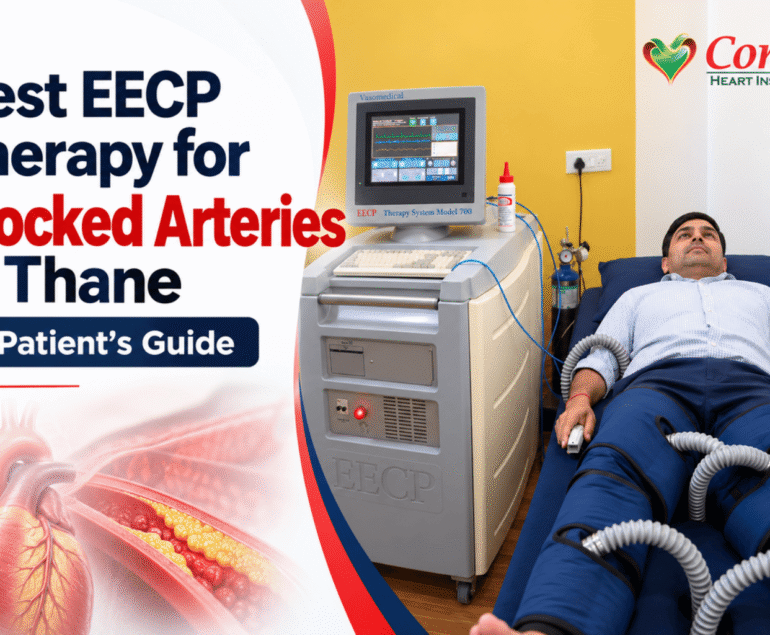
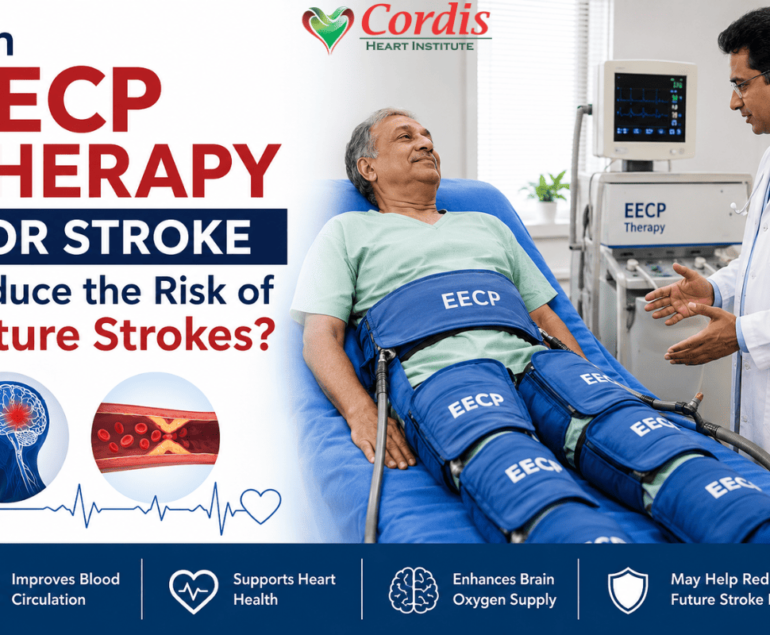
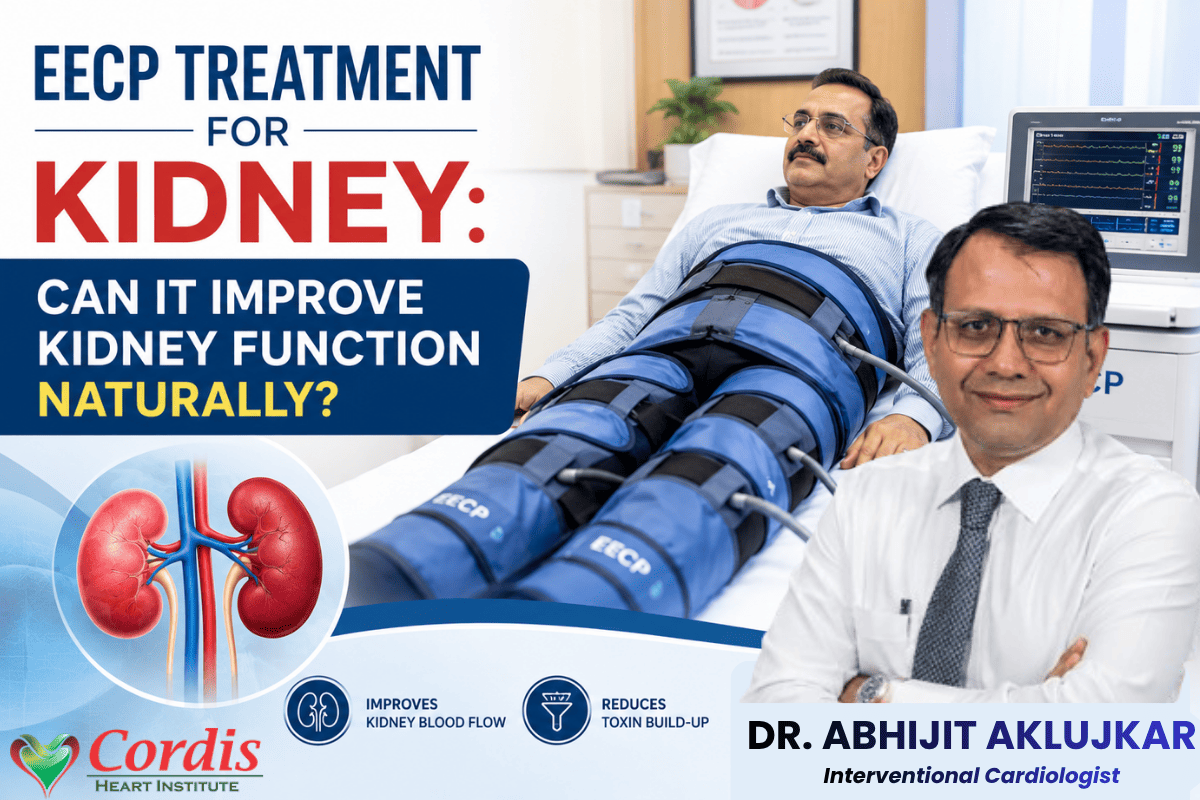
EECP is a non-surgical, non-invasive treatment designed to improve blood circulation throughout the body. During the procedure, inflatable cuffs are wrapped around the calves, thighs, and buttocks. These cuffs inflate and deflate in synchronization with the patient’s heartbeat.
The treatment gently pushes blood back toward the heart during the relaxation phase of the cardiac cycle. This process helps increase blood flow to vital organs while reducing the workload on the heart.
EECP has been widely used for patients with:
- Chronic stable angina
- Coronary artery disease
- Heart failure
- Poor circulation
- Patients unsuitable for bypass surgery or angioplasty
Because it does not involve surgery, anesthesia, or recovery time, many patients find EECP to be a comfortable treatment option.
How EECP Improves Blood Circulation
One of the primary benefits of EECP is its ability to improve circulation.
The therapy may:
- Increase oxygen-rich blood flow throughout the body
- Encourage the formation of small collateral blood vessels
- Improve endothelial function
- Enhance tissue oxygenation
Since every organ depends on an adequate blood supply, improved circulation can potentially benefit more than just the heart.
The Connection Between Blood Circulation and Kidney Function
Why Healthy Blood Flow Is Essential for the Kidneys
The kidneys process approximately 180 liters of blood every day. Their job is to remove waste products, regulate fluid balance, control blood pressure, and maintain electrolyte levels.
To perform these functions effectively, the kidneys require a continuous supply of oxygenated blood.
When blood flow decreases, kidney tissues may not receive enough oxygen and nutrients. Over time, this can contribute to declining kidney performance.
How Poor Circulation Can Affect Kidney Health
Several common medical conditions affect circulation and kidney function simultaneously.
Chronic Kidney Disease (CKD)
Reduced blood flow can worsen kidney damage and accelerate disease progression.
Diabetes
Diabetes damages blood vessels throughout the body, including those supplying the kidneys.
High Blood Pressure
Uncontrolled hypertension places excessive strain on kidney arteries and can lead to long-term kidney impairment.
Heart Disease
The heart and kidneys work closely together. When the heart cannot pump blood efficiently, kidney function often suffers as well.
Can EECP Improve Kidney Function Naturally?
This is one of the most common questions patients ask.
The answer is not entirely straightforward.
How EECP May Support Kidney Health
Although EECP was originally developed for cardiovascular conditions, some researchers believe improved circulation may indirectly benefit kidney function.
Potential mechanisms include:
- Better blood flow to the renal arteries
- Increased oxygen delivery to kidney tissues
- Reduced vascular resistance
- Improved endothelial health
- Enhanced overall cardiovascular performance
When circulation improves, the kidneys may receive more of the oxygen and nutrients needed to perform their normal functions.
What Research Says About EECP and Kidney Function
Several studies have explored the relationship between EECP and renal health.
Research suggests that EECP may:
- Improve blood flow to major organs
- Enhance endothelial function
- Reduce inflammation associated with vascular disease
- Support kidney perfusion in selected patients
However, larger clinical studies are still needed before definitive conclusions can be made regarding long-term kidney function improvement.
Current evidence remains promising but should be viewed as supportive rather than conclusive.
Is EECP a Cure for Kidney Disease?
No.
EECP should not be considered a replacement for established kidney disease treatments.
Patients with kidney disease should continue following:
- Nephrologist recommendations
- Prescribed medications
- Dietary restrictions
- Blood pressure management plans
- Diabetes control programs
EECP may serve as a complementary therapy under medical supervision.
Potential Benefits of EECP Treatment for Kidney Patients
Improved Renal Blood Flow
Better circulation may help deliver more oxygen and nutrients to kidney tissues.
Better Cardiovascular Health
Since heart and kidney health are closely connected, improvements in cardiovascular function may indirectly benefit the kidneys.
Reduced Symptoms Related to Poor Circulation
Some patients report:
- Increased energy
- Less fatigue
- Improved exercise tolerance
- Better overall wellbeing
Enhanced Quality of Life
Many individuals undergoing EECP experience greater physical comfort and improved daily functioning.
Non-Invasive Alternative for High-Risk Patients
Patients who may not qualify for surgical procedures often appreciate the low-risk nature of EECP therapy.
Who May Benefit from EECP Treatment for Kidney Health?
Patients with Chronic Kidney Disease
Selected CKD patients with circulation-related issues may be candidates for evaluation.
Individuals with Diabetes and Kidney Complications
Because diabetes affects blood vessels, improving circulation may offer additional support.
Patients with Heart Disease and Reduced Kidney Function
Heart failure and kidney disease frequently occur together. EECP may help address some circulatory challenges associated with both conditions.
Older Adults Seeking Non-Surgical Treatment Options
Many seniors prefer therapies that avoid hospitalization and lengthy recovery periods.
EECP Treatment Procedure: What to Expect
Initial Consultation and Assessment
At Cordis Heart Institute, patients undergo a thorough medical evaluation before starting treatment.
This assessment may include:
- Medical history review
- Cardiovascular evaluation
- Blood pressure assessment
- Kidney function reports
- Medication review
How an EECP Session Works
The patient lies comfortably on a treatment bed while pneumatic cuffs are placed around the legs.
The cuffs inflate and deflate according to the heartbeat, creating a gentle pumping effect.
Many patients use the session to read, listen to music, or relax.
Duration and Number of Sessions
A standard EECP program typically consists of:
- 35 sessions
- One-hour treatments
- Five to six sessions per week
Treatment plans may vary depending on individual needs.
Recovery and Post-Treatment Care
Since EECP is non-invasive, patients can generally resume normal activities immediately after each session.
Is EECP Safe for Kidney Patients?
Safety Profile of EECP Therapy
EECP has been used safely for many years in appropriately selected patients.
The treatment is generally well tolerated and does not involve surgical risks.
Possible Side Effects
Some patients may experience:
- Mild leg discomfort
- Temporary skin irritation
- Muscle soreness
- Fatigue during the initial sessions
These effects are usually short-lived.
Who Should Avoid EECP?
EECP may not be suitable for patients with:
- Severe valve disease
- Active blood clots
- Severe peripheral vascular disease
- Certain arrhythmias
- Uncontrolled hypertension
A physician evaluation is essential before beginning treatment.
EECP vs Traditional Kidney Disease Treatments
Treatment | Purpose | Invasive | Supports Circulation |
EECP | Improve blood flow | No | Yes |
Medication | Control symptoms | No | Limited |
Dialysis | Replace kidney filtration | No surgery but intensive | No |
Kidney Transplant | Replace kidney function | Yes | Indirect |
EECP does not replace dialysis or transplantation. Instead, it may serve as an additional supportive therapy for carefully selected patients.
Lifestyle Changes That Support Kidney Function Alongside EECP
Follow a Kidney-Friendly Diet
Focus on:
- Fresh vegetables
- Low-sodium foods
- Lean protein sources
- Balanced potassium intake
Control Blood Pressure
Managing blood pressure remains one of the most effective ways to protect kidney function.
Stay Properly Hydrated
Adequate hydration supports kidney filtration and waste removal.
Exercise Regularly
Moderate physical activity helps improve circulation and cardiovascular health.
Manage Diabetes Carefully
Maintaining healthy blood sugar levels reduces the risk of further kidney damage.
Why Choose Cordis Heart Institute for EECP Treatment?
Choosing the right healthcare provider matters.
At Cordis Heart Institute, patients receive individualized treatment plans tailored to their cardiovascular and circulatory health needs.
Advanced EECP Technology
Modern equipment ensures precise and comfortable treatment sessions.
Guidance from Dr Abhijit Aklujkar
Dr Abhijit Aklujkar brings extensive experience in cardiovascular care and patient-focused treatment planning.
Personalized Care
Every patient receives a detailed assessment before treatment recommendations are made.
Comprehensive Evaluation
The team examines the complete picture, including heart health, circulation, existing medical conditions, and treatment goals.
Frequently Asked Questions
Can EECP reverse kidney damage?
No. EECP is not known to reverse established kidney damage. However, it may support circulation and overall health.
Does EECP improve kidney filtration rate?
Research is ongoing. Some studies suggest improved blood flow, but results vary among patients.
Is EECP safe for CKD patients?
Many CKD patients can undergo EECP safely after proper medical evaluation.
How many EECP sessions are needed?
A typical treatment course includes approximately 35 sessions.
Can diabetic patients undergo EECP therapy?
Yes, many diabetic patients may be eligible following medical assessment.
What are the side effects of EECP?
Most side effects are mild and temporary, such as muscle soreness or skin irritation.
Is EECP covered by insurance?
Coverage varies by insurer and indication. Patients should check with their provider.
Can EECP help dialysis patients?
Some dialysis patients may benefit from improved circulation, but suitability must be determined individually.
Final Thoughts: Can EECP Help Improve Kidney Function Naturally?
Kidney health depends heavily on healthy blood circulation. When blood flow is compromised, kidney tissues may not receive the oxygen and nutrients they need to function effectively.
While EECP is not a cure for chronic kidney disease, growing evidence suggests that improving circulation may provide supportive benefits for selected patients. By enhancing blood flow and promoting cardiovascular health, EECP may become a valuable part of a broader wellness strategy.
If you or a loved one is exploring non-invasive options to support kidney and cardiovascular health, speaking with an experienced specialist is the best place to start.
At Cordis Heart Institute, Dr Abhijit Aklujkar and his team provide personalized evaluations to determine whether EECP therapy may be appropriate for your condition.
Book a consultation today and discover whether EECP could be part of your journey toward better circulation, improved wellbeing, and healthier living.