Heart failure can make everyday life exhausting. Simple activities like walking, climbing stairs, or even sleeping comfortably may become difficult because the heart struggles to pump enough oxygen-rich blood throughout the body. Many patients feel trapped between long-term medications, repeated hospital visits, and fear of surgery.
This is where EECP therapy for heart failure is gaining attention as a non-invasive option that may help improve blood circulation naturally. Unlike surgical procedures, EECP therapy works from outside the body and aims to support the heart by increasing blood flow and reducing strain on the cardiovascular system.
At Cordis Heart Institute, Dr Abhijit Aklujkar uses a patient-focused approach to evaluate whether EECP therapy may benefit individuals dealing with chronic heart symptoms, poor circulation, or reduced quality of life.
In this article, you’ll learn how EECP therapy works, how it helps improve circulation in heart failure patients, what to expect during treatment, and who may benefit most from this therapy.
Understanding Heart Failure and Poor Blood Circulation
What Is Heart Failure?
Heart failure does not mean the heart has stopped working completely. It means the heart is unable to pump blood efficiently enough to meet the body’s needs.
There are two common types:
- Systolic heart failure: The heart muscle becomes weak and cannot pump properly.
- Diastolic heart failure: The heart becomes stiff and struggles to fill with blood.
Common symptoms include:
- Shortness of breath
- Swelling in the legs and feet
- Fatigue
- Chest discomfort
- Reduced stamina
- Difficulty sleeping flat
Poor circulation is one of the biggest challenges in heart failure because organs and tissues may not receive enough oxygen-rich blood.
How Poor Blood Flow Affects the Body
When blood circulation decreases, the body starts showing warning signs. Patients often experience tiredness because muscles are not getting enough oxygen. Fluid buildup may occur in the lungs or lower limbs, making breathing difficult.
Reduced circulation can also place extra pressure on the heart. Over time, this cycle may worsen symptoms and affect daily life.
Improving circulation becomes an important part of managing heart failure symptoms and supporting long-term heart health.
What Is EECP Therapy?
Full Form of EECP
EECP stands for Enhanced External Counterpulsation.
It is a non-surgical cardiac therapy designed to improve blood flow to the heart and other parts of the body.
Unlike angioplasty or bypass surgery, EECP therapy does not involve cuts, stents, or anesthesia.
How EECP Therapy Works
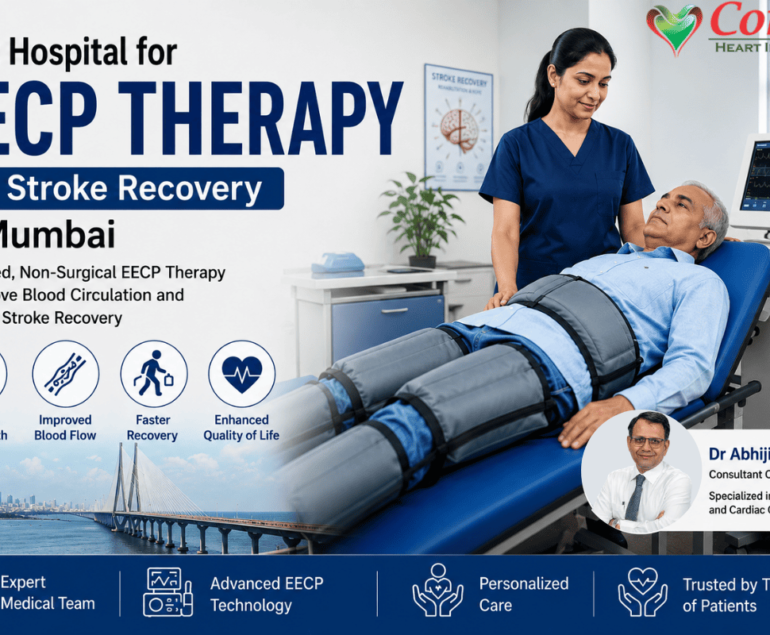
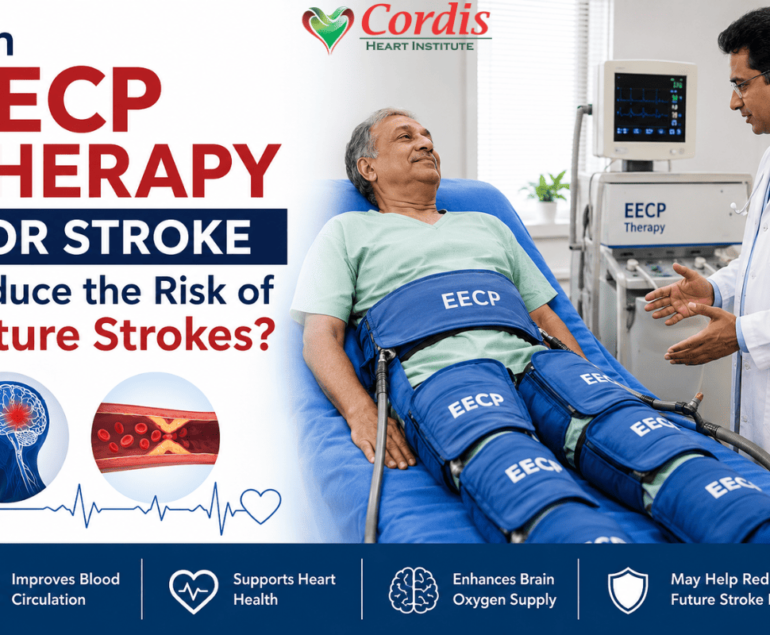
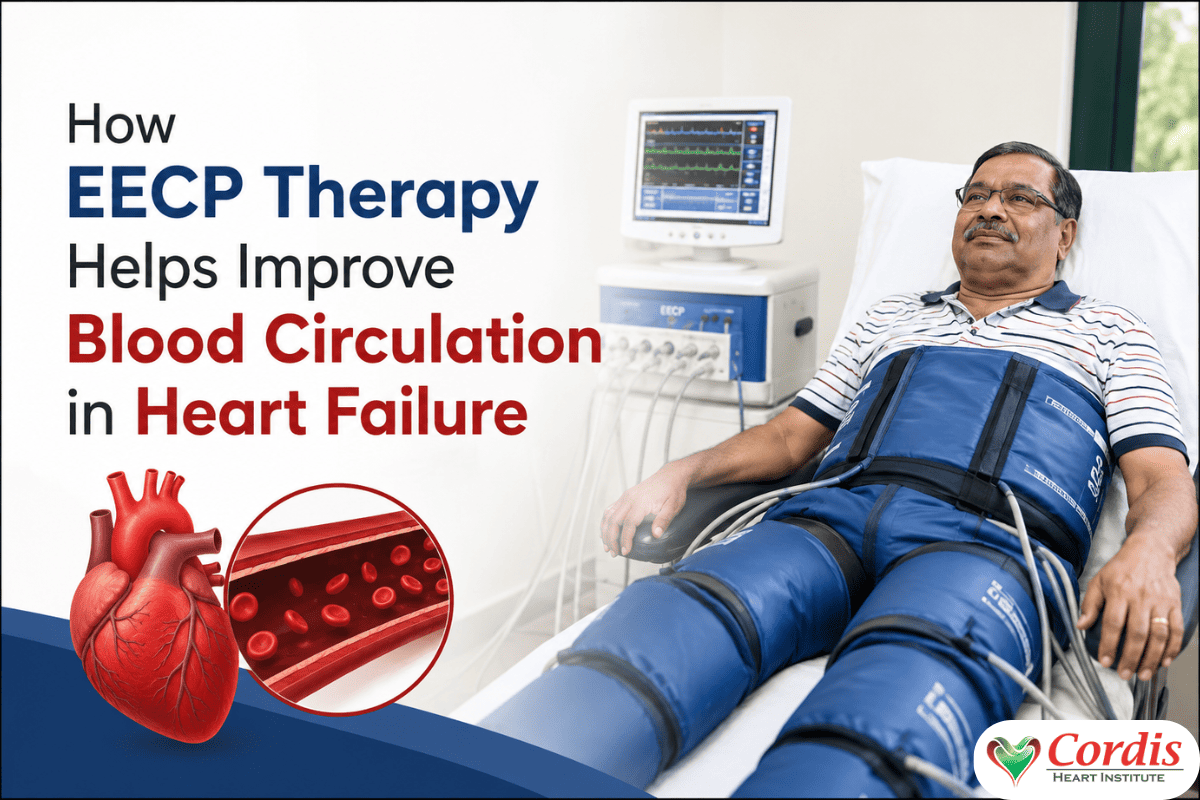
During EECP treatment, inflatable cuffs are wrapped around the legs, thighs, and lower hips. These cuffs inflate and deflate in sync with the heartbeat.
The pressure created by the cuffs helps push blood back toward the heart during relaxation phases of the heartbeat. This process may help improve circulation and oxygen delivery.
Over time, EECP therapy may encourage the development of small natural bypass vessels known as collateral circulation. These blood vessels can help improve blood supply around narrowed arteries.
Is EECP Therapy Safe?
EECP therapy is FDA-approved for certain cardiac conditions and is widely used as a non-invasive heart treatment option.
Most patients tolerate the therapy comfortably. Since there is no surgery involved, there is usually minimal downtime after sessions.
However, proper evaluation by a heart specialist is important before starting treatment.
At Cordis Heart Institute, Dr Abhijit Aklujkar carefully reviews each patient’s heart condition, symptoms, and medical history before recommending EECP therapy.
How EECP Therapy Helps Improve Blood Circulation in Heart Failure
Increases Oxygen-Rich Blood Flow
One of the main goals of EECP therapy for heart failure is improving blood circulation to the heart muscle.
When circulation improves, the heart may receive more oxygen-rich blood. Better oxygen supply can help reduce symptoms like chest discomfort and fatigue.
Encourages Natural Bypass Blood Vessels
EECP therapy may stimulate the formation of collateral blood vessels. These are tiny alternative pathways that help blood move around partially blocked arteries.
This natural support system can improve circulation without surgery in some patients.
Reduces the Workload on the Heart
Heart failure forces the heart to work harder than normal. EECP therapy may reduce pressure on the heart by improving blood return and circulation efficiency.
Many patients report feeling less breathless during daily activities after completing therapy sessions.
Improves Energy Levels and Physical Activity
Poor circulation often leaves heart failure patients feeling constantly tired.
As circulation improves, patients may notice:
- Better stamina
- Easier walking
- Less fatigue
- Improved exercise tolerance
While results vary from person to person, improved physical comfort is one reason many patients consider EECP treatment.
Supports Overall Heart Function
EECP therapy is not considered a replacement for emergency cardiac care or prescribed medications. Instead, it may work as part of a broader heart management plan.
Combined with lifestyle changes, medication, diet, and medical supervision, EECP therapy may help support better heart performance and quality of life.
Benefits of EECP Therapy for Heart Failure Patients
Non-Invasive Alternative to Surgery
Many heart patients worry about surgery because of recovery time, cost, or medical risk.
EECP therapy offers a non-invasive option that does not require:
- Hospital admission
- Surgical cuts
- General anesthesia
- Long recovery periods
Drug-Free Supportive Therapy
Patients already taking multiple heart medications may prefer supportive therapies that do not add more drugs to their treatment routine.
EECP therapy works mechanically to improve circulation rather than through medication changes.
Better Daily Comfort
Several patients report improvements such as:
- Reduced chest heaviness
- Better breathing
- Improved sleep
- Easier movement
- Increased confidence in daily activities
These small improvements can make a meaningful difference in daily life.
Comfortable Treatment Sessions
Most EECP sessions are painless. Patients lie comfortably on a treatment bed while the cuffs inflate and deflate rhythmically.
Some patients describe the sensation as firm leg pressure similar to a blood pressure cuff.
What Happens During an EECP Therapy Session?
Step-by-Step Procedure
A standard EECP therapy session usually includes:
- Patient evaluation and monitoring
- Placement of inflatable cuffs on the legs
- ECG monitoring to sync with heartbeat
- Controlled inflation and deflation during treatment
- Observation by trained staff
Sessions are generally performed in a relaxed environment under supervision.
Duration of Treatment
A typical EECP session lasts about one hour.
Many treatment programs involve multiple sessions over several weeks depending on the patient’s condition and treatment goals.
What Patients Feel During Treatment
Patients remain awake throughout the session.
They may feel rhythmic squeezing on the legs as the cuffs inflate and release. Most patients adjust quickly after the first few sessions.
Recovery and Aftercare
Since EECP therapy is non-invasive, most patients return to normal activities shortly after treatment.
Doctors may still recommend:
- Heart-healthy diet
- Light physical activity
- Medication compliance
- Regular follow-up appointments
Who Should Consider EECP Therapy for Heart Failure?
EECP therapy may be considered for:
- Patients with chronic heart failure
- Individuals with persistent angina
- Patients not suitable for surgery
- People seeking non-invasive heart treatment options
However, not every patient is an ideal candidate. Certain vascular conditions or medical complications may require different treatment approaches.
Consulting a qualified heart specialist is important before beginning therapy.
Patients seeking evaluation can consult Dr Abhijit Aklujkar at Cordis Heart Institute for a personalized assessment.
EECP Therapy vs Traditional Heart Failure Treatments
Treatment | Invasive | Recovery Time | Main Purpose |
EECP Therapy | No | Minimal | Improve circulation |
Angioplasty | Yes | Moderate | Open blocked arteries |
Bypass Surgery | Yes | Longer | Create alternate blood flow |
Medication | No | Ongoing | Symptom management |
EECP therapy is often considered when patients want supportive circulation improvement without undergoing surgery.
Why Choose Cordis Heart Institute for EECP Therapy?
Experienced Cardiac Care
Heart conditions require careful monitoring and individualized treatment planning.
At Cordis Heart Institute, patients receive evaluation based on their symptoms, medical history, heart function, and treatment goals.
Personalized Treatment by Dr Abhijit Aklujkar
Every heart failure patient has different needs. Dr Abhijit Aklujkar focuses on patient-specific assessment before suggesting EECP therapy or other supportive cardiac treatments.
Advanced Monitoring and Patient Support
Regular monitoring during sessions helps maintain patient safety and comfort throughout the treatment process.
The focus is not just on therapy, but also on long-term heart health management.
Frequently Asked Questions
Is EECP therapy effective for heart failure?
EECP therapy may help improve circulation, reduce symptoms, and improve quality of life in selected heart failure patients. Results vary depending on overall heart condition and patient health.
Is EECP therapy painful?
Most patients do not find the therapy painful. The cuffs create rhythmic pressure on the legs, which usually becomes comfortable after a few sessions.
How long does EECP therapy take?
A standard session typically lasts around one hour. Multiple sessions may be recommended over several weeks.
Can EECP therapy replace bypass surgery?
EECP therapy is not always a replacement for surgery. It may be considered for patients seeking non-invasive supportive treatment or those unsuitable for surgical procedures.
Are there side effects of EECP therapy?
Some patients may experience mild muscle soreness or skin irritation from the cuffs, but serious side effects are uncommon when properly supervised.
Who should avoid EECP treatment?
Patients with certain vascular disorders, severe valve disease, uncontrolled blood pressure, or active blood clots may not be suitable candidates. A cardiac evaluation is necessary.
Final Thoughts
Living with heart failure can feel physically and emotionally exhausting, especially when poor circulation affects daily life. While medications and surgeries remain important treatment options, many patients today are also looking for supportive therapies that are non-invasive and recovery-friendly.
EECP therapy for heart failure has become a growing option for patients seeking better circulation, improved stamina, and relief from symptoms without surgery.
With proper medical evaluation, EECP therapy may help support heart function and improve quality of life for selected patients.
If you or a loved one is dealing with chronic heart symptoms, consulting an experienced cardiac specialist can help determine the right treatment path.
To learn more about EECP therapy and heart circulation treatment, connect with Dr Abhijit Aklujkar at Cordis Heart Institute.