Heart disease is no longer considered a problem only for older adults. Over the last few years, more people in their 30s and 40s have started experiencing chest pain, high blood pressure, blocked arteries, and even heart attacks. Stressful lifestyles, unhealthy eating habits, smoking, diabetes, obesity, and lack of physical activity are all contributing to this growing concern.
Many younger patients are now searching for treatment options that do not involve surgery or long recovery periods. This is where EECP therapy is gaining attention. But can young heart patients benefit from EECP therapy? The answer may surprise you.
At Cordis Heart Institute, Dr Abhijit Aklujkar has helped many patients understand how non-surgical heart treatments may improve blood circulation, reduce symptoms, and support long-term heart health.
This article is based on the SEO-focused outline provided earlier.
Why Are Heart Problems Increasing in Young Adults?
A decade ago, heart disease in younger adults was relatively uncommon. Today, cardiologists are seeing patients as young as 25 with symptoms linked to heart disease.
Common Causes of Heart Disease in Younger People
- Chronic Stress
Work pressure, financial responsibilities, and lack of work-life balance can increase blood pressure and strain the heart.
- Smoking and Alcohol
Smoking damages blood vessels and reduces oxygen supply to the heart. Excessive alcohol consumption may also increase cardiovascular risk.
- Sedentary Lifestyle
Long hours sitting at desks with little physical activity can negatively affect circulation and metabolism.
- Unhealthy Eating Habits
Fast food, processed meals, sugary drinks, and high cholesterol diets contribute to plaque buildup in arteries.
- Diabetes and Obesity
Both conditions significantly increase the risk of coronary artery disease.
Warning Signs Young People Should Never Ignore
Young adults often dismiss early symptoms, assuming they are too young to develop heart problems. That delay can be dangerous.
Common warning signs include:
- Chest pain or pressure
- Shortness of breath
- Fatigue during routine activity
- Irregular heartbeat
- Sweating without physical effort
- Reduced stamina
Anyone experiencing these symptoms should seek medical advice immediately.
What Is EECP Therapy?
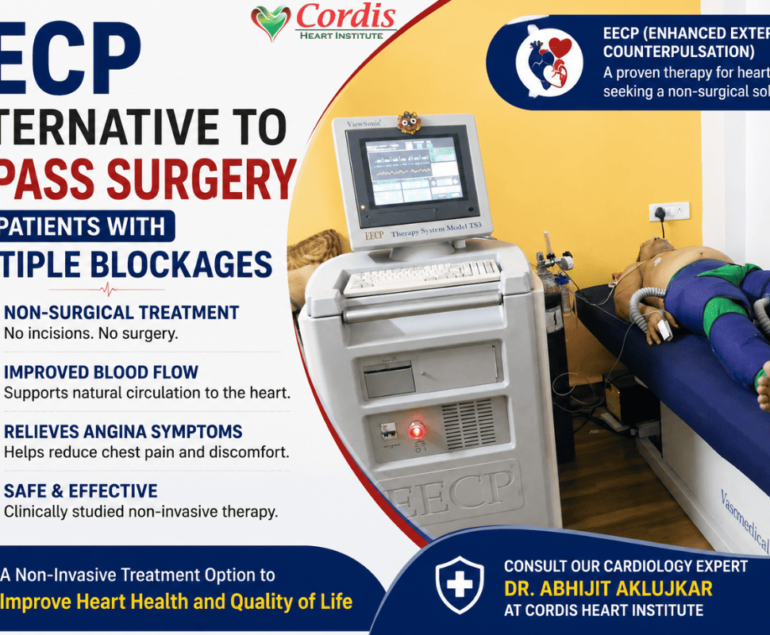
EECP stands for Enhanced External Counterpulsation. It is a non-invasive treatment designed to improve blood flow to the heart naturally.
Unlike angioplasty or bypass surgery, EECP therapy does not involve cuts, anesthesia, or hospitalization.
How EECP Therapy Works
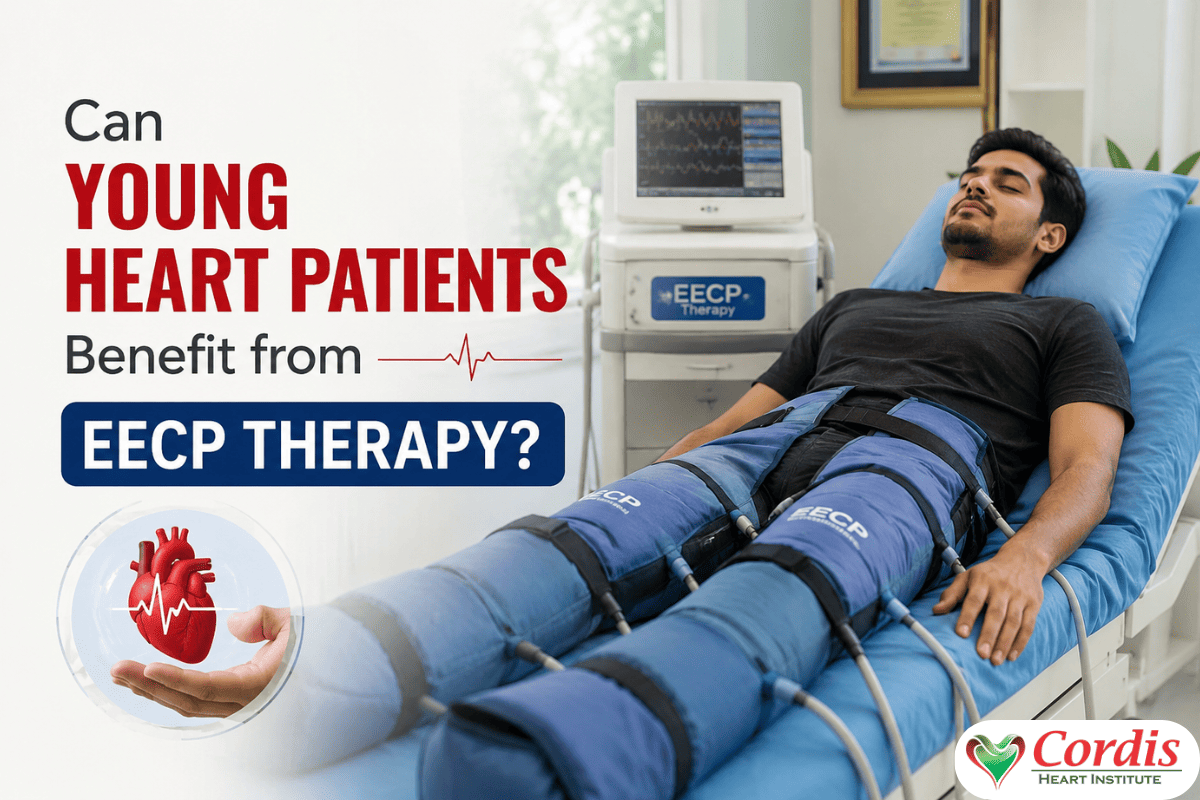
During treatment, inflatable cuffs are wrapped around the legs. These cuffs inflate and deflate in sync with the heartbeat. This process helps push oxygen-rich blood toward the heart and improves circulation.
Over time, EECP therapy may help stimulate the formation of small natural bypass vessels known as collateral circulation.
Benefits of Better Blood Flow
- Improved oxygen supply to the heart
- Reduced chest pain
- Better energy levels
- Improved exercise capacity
- Support for heart recovery
Is EECP Therapy Safe?
EECP therapy is FDA-approved and widely used around the world as a non-surgical heart treatment.
Most patients describe the procedure as comfortable and painless. Since there is no surgery involved, recovery time is minimal.
However, treatment suitability depends on individual health conditions. A proper evaluation by an experienced cardiologist is important before starting therapy.
Can Young Heart Patients Benefit from EECP Therapy?
Many younger patients want to avoid surgery if possible. In suitable cases, EECP therapy may offer a supportive option for improving circulation and reducing symptoms.
Who Is Considered a Young Heart Patient?
Typically, patients in their 30s and 40s with conditions such as:
- Early coronary artery disease
- Lifestyle-related heart problems
- Mild to moderate blockage
- Angina or chest discomfort
- Post-angioplasty symptoms
may be considered younger heart patients.
Benefits of EECP Therapy for Younger Patients
- Non-Surgical Treatment Option
One major reason younger patients consider EECP therapy is the ability to avoid invasive procedures.
- Faster Return to Daily Activities
Since there is no surgery involved, patients can often continue routine activities during treatment.
- Better Energy and Stamina
Improved circulation may help reduce fatigue and increase physical endurance.
- Reduced Chest Pain
Some patients report a noticeable decrease in angina symptoms after completing sessions.
- Long-Term Lifestyle Support
EECP therapy often works best when combined with healthy lifestyle changes, making it suitable for younger individuals committed to improving heart health.
Why Younger Patients May Respond Well to EECP
Younger adults often have better recovery potential because their tissues and blood vessels may adapt more efficiently.
Combined with improved diet, exercise, stress control, and medical supervision, EECP therapy may contribute to better long-term outcomes.
Conditions That May Improve with EECP Therapy
EECP therapy may be recommended for several cardiovascular conditions.
Coronary Artery Disease
Reduced blood supply caused by narrowed arteries may improve through enhanced circulation.
Angina or Chest Pain
Patients experiencing recurring chest discomfort may experience symptom relief.
Post-Angioplasty Recovery
Some patients continue having symptoms even after angioplasty. EECP may support recovery and circulation improvement.
Early Heart Failure Symptoms
Certain patients with mild heart failure symptoms may benefit from improved blood flow.
Diabetes-Related Heart Issues
Diabetes can damage blood vessels over time. EECP therapy may support circulation in some cases.
EECP Therapy vs Surgery: Which Is Better for Young Patients?
The right treatment depends on the severity of the condition, overall health, and medical evaluation.
EECP vs Angioplasty
Feature | EECP Therapy | Angioplasty |
Surgery Required | No | Yes |
Hospital Stay | Usually not required | Often required |
Recovery Time | Minimal | Longer |
Anesthesia | No | Yes |
Invasive Procedure | No | Yes |
EECP vs Bypass Surgery
Bypass surgery is often necessary in severe blockage cases. However, some patients looking for non-surgical heart treatment may discuss EECP therapy with their doctor as part of their treatment plan.
The goal is not to replace medical advice but to understand all available options.
What Happens During EECP Therapy at Cordis Heart Institute?
At Cordis Heart Institute, patients receive personalized care designed around their condition and lifestyle.
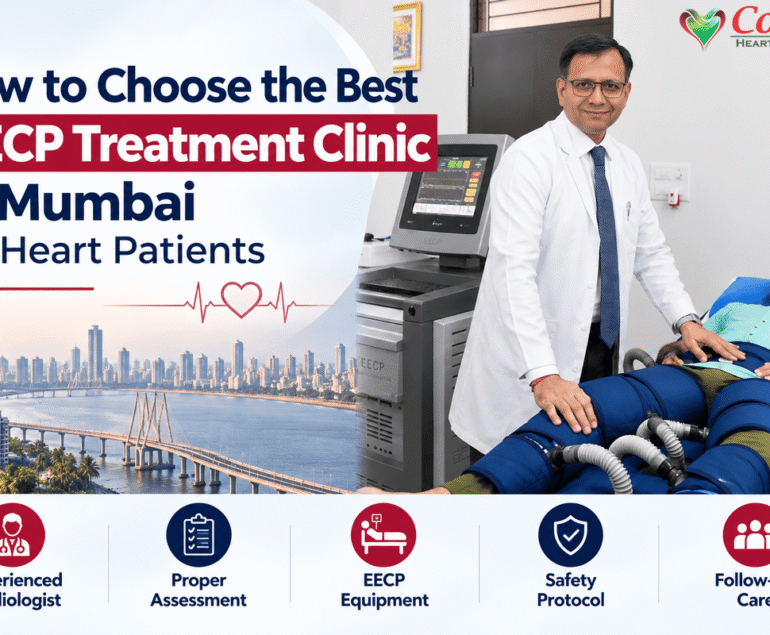
Initial Consultation with Dr Abhijit Aklujkar
The process begins with a detailed consultation, including:
- Medical history review
- Symptom evaluation
- Current medications
- Lifestyle assessment
Patient Evaluation and Tests
Diagnostic tests may include:
- ECG
- Echocardiography
- Blood pressure monitoring
- Stress testing
These tests help determine whether EECP therapy may be suitable.
EECP Therapy Sessions
A standard EECP treatment plan usually includes multiple sessions spread across several weeks.
Patients relax on a treatment bed while the cuffs work in rhythm with the heartbeat.
Many patients read, watch videos, or listen to music during sessions.
Lifestyle and Diet Recommendations
EECP therapy works best when combined with healthier habits.
Patients are often advised to:
- Follow a heart-friendly diet
- Walk regularly
- Manage stress
- Maintain healthy sleep patterns
- Stop smoking
Lifestyle Changes That Improve EECP Results
Eat a Heart-Healthy Diet
Focus on:
- Fruits and vegetables
- Whole grains
- Lean proteins
- Healthy fats
- Low-sodium foods
Avoid excessive sugar, fried foods, and processed snacks.
Stay Physically Active
Walking, cycling, and light exercise may help improve circulation and overall cardiovascular health.
Even 30 minutes of daily movement can make a difference.
Manage Stress Effectively
Stress affects heart health more than many people realize.
Helpful practices include:
- Meditation
- Deep breathing
- Yoga
- Spending time outdoors
- Limiting screen overload
Sleep and Hydration Matter
Poor sleep quality increases cardiovascular strain. Staying hydrated and maintaining regular sleep schedules support recovery.
Real-Life Improvements Patients Often Report
While every patient responds differently, some common improvements reported after EECP therapy include:
- Better breathing
- Increased stamina
- Reduced chest discomfort
- Improved walking capacity
- More confidence in daily activities
Early diagnosis plays a major role in long-term heart health outcomes.
Frequently Asked Questions About EECP Therapy
Is EECP therapy good for young heart patients?
In suitable cases, younger patients with circulation-related heart issues may benefit from EECP therapy as part of a broader treatment plan.
Can EECP therapy prevent surgery?
Some patients may delay or avoid surgery depending on their condition, but this varies case by case.
Is EECP therapy painful?
Most patients describe it as comfortable and non-invasive.
How long does EECP therapy take?
Treatment duration varies, but many plans involve multiple sessions over several weeks.
What is the success rate of EECP therapy?
Results differ based on age, condition severity, and lifestyle changes. Many patients report symptom improvement and better quality of life.
Are there side effects of EECP therapy?
Side effects are generally minimal, though some patients may experience mild leg discomfort initially.
Who should avoid EECP therapy?
Patients with certain medical conditions may not be suitable candidates. Proper medical evaluation is essential.
How much does EECP therapy cost in India?
Costs vary depending on location, treatment duration, and hospital facilities.
Why Choose Cordis Heart Institute for EECP Therapy?
Patients searching for non-surgical heart treatment often look for experienced cardiac care and personalized attention.
Expert Guidance
Dr Abhijit Aklujkar focuses on patient-centered care and detailed cardiac evaluation.
Advanced Non-Invasive Heart Care
The institute emphasizes modern approaches that support recovery while minimizing unnecessary surgical intervention whenever medically appropriate.
Personalized Recovery Plans
Each patient receives recommendations based on their symptoms, lifestyle, and health goals.
Conclusion
Heart disease among younger adults is becoming more common, but early action can make a major difference. For suitable patients, EECP therapy may offer a non-surgical way to improve circulation, reduce symptoms, and support heart recovery.
The combination of medical guidance, healthier habits, and early diagnosis plays a key role in protecting long-term heart health.
If you or someone you know is experiencing symptoms like chest pain, breathlessness, or fatigue, consulting a heart specialist early is always the right step.
To learn more about EECP therapy and personalized heart care, connect with Dr Abhijit Aklujkar at Cordis Heart Institute today.