Paralysis can change every aspect of a person’s daily life. Simple tasks like walking, holding objects, or maintaining balance may become difficult. While rehabilitation through physiotherapy, occupational therapy, and medical care remains the foundation of recovery, many patients and families also look for supportive therapies that may improve overall rehabilitation.
One such option is EECP for Paralysis Treatment in Mumbai. Enhanced External Counter Pulsation (EECP) is a non-invasive therapy that is widely used to improve blood circulation. Although EECP is primarily known for treating certain heart conditions, doctors may recommend it in selected paralysis patients as part of a broader rehabilitation plan.
It is important to understand that EECP is not a cure for paralysis. However, by improving blood circulation and oxygen delivery, it may help support recovery in carefully selected patients when combined with conventional rehabilitation.
At Cordis Heart Institute, Dr Abhijit Aklujkar and the medical team provide personalised evaluations to determine whether EECP therapy may be suitable for an individual’s condition.
What Is Paralysis?
Paralysis is the loss of muscle function in one or more parts of the body. Depending on the underlying cause, it can affect movement, sensation, or both.
Some people experience paralysis temporarily, while others may live with long-term or permanent movement difficulties.
Types of Paralysis
Partial Paralysis
Patients retain some muscle movement but experience weakness and reduced control.
Complete Paralysis
There is a complete loss of voluntary movement in the affected muscles.
Temporary Paralysis
Movement gradually returns after treatment or rehabilitation.
Permanent Paralysis
The affected muscles do not regain normal movement due to irreversible nerve damage.
Common Causes of Paralysis
Paralysis can develop because of several medical conditions, including:
- Brain injury
- Spinal cord injury
- Nerve damage
- Neurological disorders
- Infections affecting the nervous system
- Certain autoimmune conditions
The severity depends on the location and extent of nerve or brain damage.
Common Symptoms
Symptoms vary between patients but may include:
- Muscle weakness
- Difficulty moving arms or legs
- Loss of coordination
- Reduced balance
- Numbness
- Muscle stiffness
- Difficulty performing daily activities
What Is EECP Therapy?
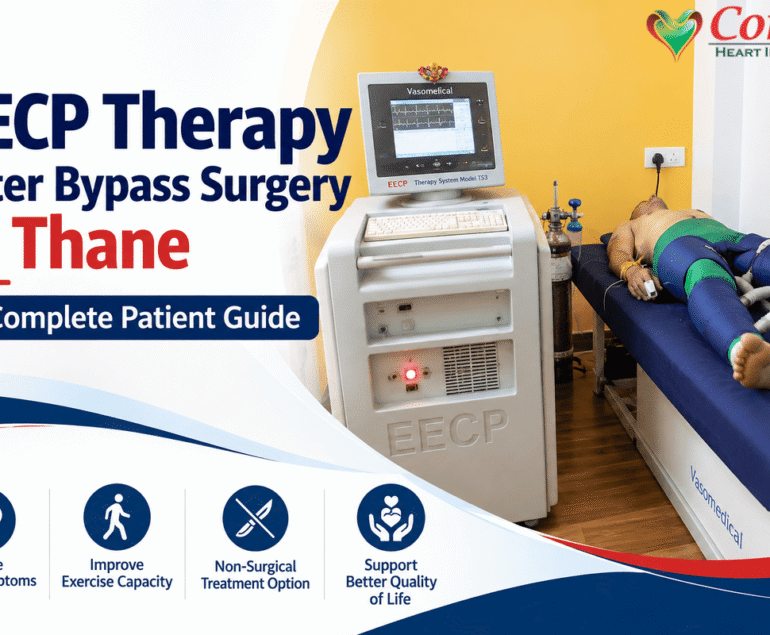
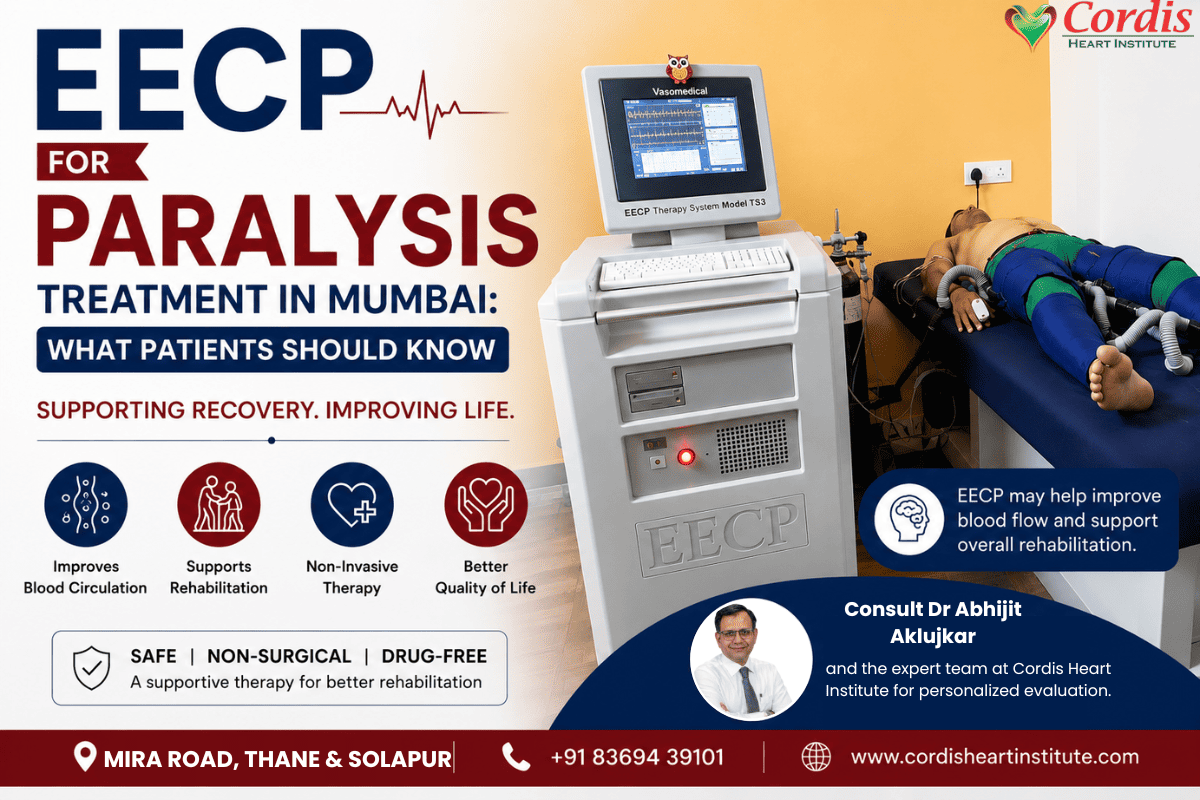
Enhanced External Counter Pulsation (EECP) is a completely non-surgical treatment designed to improve blood circulation throughout the body.
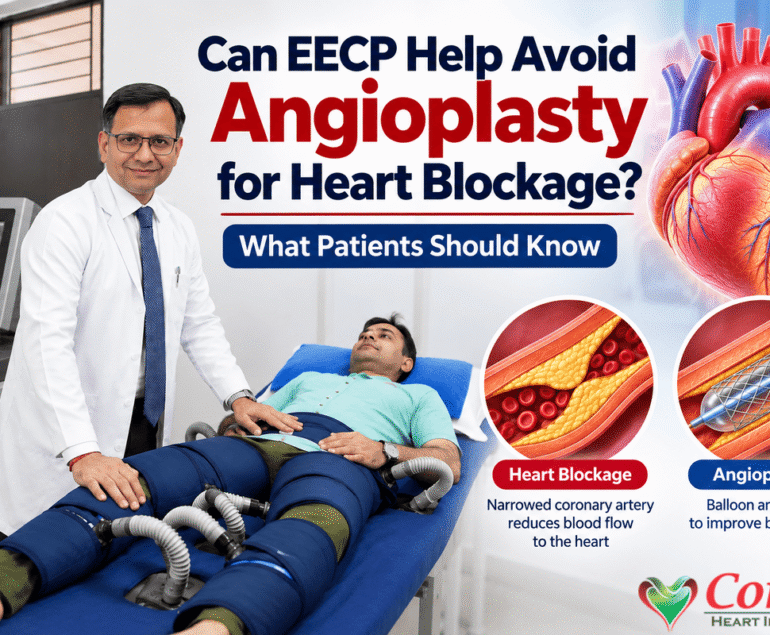
During treatment, inflatable cuffs are wrapped around the patient’s calves, thighs, and buttocks. These cuffs inflate and deflate in sync with the heartbeat.
The timing of inflation helps increase blood flow towards the heart and improves circulation to different parts of the body.
EECP sessions are painless, require no anaesthesia, and do not involve surgery.
How Does EECP Therapy Work?
EECP uses computer-controlled pressure cuffs.
During every heartbeat:
- The cuffs inflate during relaxation of the heart.
- Blood is pushed back towards the heart.
- Oxygen-rich blood circulation improves.
- The cuffs rapidly deflate before the next heartbeat, reducing the workload on the heart.
This process may also improve circulation in other tissues, which is why researchers continue studying EECP for different rehabilitation applications.
Why Better Blood Circulation Matters
Good blood circulation is essential because oxygen and nutrients are delivered through the bloodstream.
Healthy circulation helps:
- Deliver oxygen to tissues
- Remove waste products
- Support tissue repair
- Improve muscle health
- Promote overall recovery
For paralysis patients undergoing rehabilitation, maintaining healthy circulation is an important part of recovery.
Can EECP Therapy Help Paralysis Patients?
This is one of the most common questions patients ask.
The answer is that EECP may support rehabilitation in selected patients, but it should never replace conventional medical treatment.
Doctors may recommend EECP as an additional therapy alongside:
- Physiotherapy
- Occupational therapy
- Lifestyle modification
- Medical management
- Nutritional support
Potential Benefits of EECP Therapy
Although individual results vary, potential benefits may include:
Improved Blood Circulation
EECP helps increase blood flow throughout the body.
Better Oxygen Delivery
Improved circulation may help deliver more oxygen to muscles and tissues.
Reduced Fatigue
Some patients report improved stamina during rehabilitation.
Improved Physical Endurance
Better circulation may allow patients to participate more comfortably in rehabilitation programmes.
Support for Recovery
EECP can complement ongoing rehabilitation under medical supervision.
What Does Current Research Say?
Research into EECP therapy beyond heart disease is still developing.
Some clinical studies suggest improved blood circulation and better functional outcomes in carefully selected patients, while others indicate that more large-scale research is needed.
Medical experts generally agree on three important points:
- EECP should only be recommended after proper medical evaluation.
- It should be part of a multidisciplinary rehabilitation programme.
- Patient expectations should remain realistic.
Every patient’s condition is different.
Who May Be a Suitable Candidate?
A detailed medical evaluation is necessary before starting EECP.
Patients who may be considered include:
- Individuals with stable medical conditions
- Patients undergoing rehabilitation
- People with reduced circulation
- Patients considered medically fit for EECP
Who May Not Be Suitable?
EECP may not be appropriate for patients with:
- Active blood clots
- Severe uncontrolled hypertension
- Significant heart rhythm disorders
- Severe valve disease
- Certain vascular disorders
- Other medical conditions identified during evaluation
This is why a thorough consultation is essential.
What Happens During an EECP Session?
Many patients feel nervous before their first session, but EECP is generally comfortable.
Before Treatment
The medical team:
- Reviews medical history
- Checks blood pressure
- Monitors heart rhythm
- Explains the procedure
During Treatment
The patient lies comfortably on a treatment bed.
Inflatable cuffs gently compress the legs according to the heartbeat.
Patients usually relax, watch television, or listen to music.
After Treatment
Most patients return home shortly after the session without needing hospital admission.
How Long Does Treatment Usually Last?
Treatment plans vary.
Many patients receive:
- Around 35 sessions
- Approximately one hour per session
- Five to six sessions each week
Your doctor will recommend the most appropriate schedule based on your condition.
Benefits of Choosing EECP Therapy in Mumbai
Mumbai has become one of India’s leading healthcare destinations.
Patients benefit from:
Experienced Specialists
Access to doctors experienced in cardiovascular and rehabilitation care.
Advanced Technology
Modern EECP equipment with continuous patient monitoring.
Personalised Treatment
Treatment plans tailored to individual health conditions.
Multidisciplinary Care
Coordination between physicians, rehabilitation specialists, physiotherapists, and nursing teams.
Why Choose Cordis Heart Institute?
Choosing the right hospital plays an important role in your treatment journey.
At Cordis Heart Institute, patients receive personalised care supported by experienced medical professionals.
Experienced EECP Team
The hospital follows established treatment protocols with patient safety as the priority.
Advanced Technology
Modern EECP systems provide comfortable and monitored therapy sessions.
Personalised Care
Every patient receives an individual treatment plan rather than a one-size-fits-all approach.
Comprehensive Rehabilitation Support
EECP is considered alongside lifestyle advice, rehabilitation, and medical management.
Consultation with Dr Abhijit Aklujkar
Dr Abhijit Aklujkar evaluates each patient carefully to determine whether EECP therapy may be appropriate as part of an overall rehabilitation strategy.
Lifestyle Tips That May Support Recovery
Recovery after paralysis requires patience and consistency.
These healthy habits can support rehabilitation.
Eat a Balanced Diet
Focus on:
- Fresh fruits
- Vegetables
- Whole grains
- Lean protein
- Healthy fats
Proper nutrition supports muscle and tissue health.
Continue Physiotherapy
Regular physiotherapy remains one of the most important parts of recovery.
Exercise programmes should always follow professional guidance.
Stay Physically Active
Even gentle movements recommended by your therapist may help maintain flexibility and circulation.
Manage Blood Pressure and Diabetes
Controlling chronic medical conditions supports overall vascular health.
Follow Your Doctor’s Advice
Never stop medication or rehabilitation exercises without consulting your healthcare provider.
Consistency often makes a meaningful difference over time.
Risks and Limitations of EECP Therapy
Like any medical treatment, EECP has limitations.
Possible temporary effects may include:
- Mild leg discomfort
- Skin irritation from the cuffs
- Temporary muscle soreness
These symptoms usually improve quickly.
Contact your doctor immediately if you experience:
- Chest pain
- Severe shortness of breath
- Unusual swelling
- Persistent discomfort
Frequently Asked Questions
Is EECP therapy a cure for paralysis?
No. EECP is a supportive therapy that may improve blood circulation. It does not cure paralysis or repair damaged nerves.
Can EECP improve blood circulation?
Yes. EECP is specifically designed to improve circulation by increasing blood flow during treatment.
How many sessions are required?
Many treatment programmes involve approximately 35 sessions, although recommendations vary depending on the patient.
Is EECP painful?
No. Most patients find the treatment comfortable and well tolerated.
Can EECP be combined with physiotherapy?
Yes. EECP is often considered an additional therapy alongside physiotherapy and rehabilitation, when advised by a doctor.
Is EECP safe for older adults?
Many older adults undergo EECP safely after proper medical evaluation.
How much does EECP therapy cost in Mumbai?
The cost depends on the hospital, treatment duration, and individual medical requirements. A consultation is the best way to receive an accurate estimate.
Where can I receive EECP for Paralysis Treatment in Mumbai?
Patients can consult the experienced medical team at Cordis Heart Institute to determine whether EECP therapy is appropriate for their condition.
How do I book an appointment with Dr Abhijit Aklujkar?
You can contact Cordis Heart Institute to schedule a consultation and discuss your treatment options.
Conclusion
Living with paralysis can be physically and emotionally challenging, but rehabilitation often involves a combination of therapies working together to support recovery. While EECP for Paralysis Treatment in Mumbai is not a cure, it may help improve blood circulation and complement physiotherapy and other rehabilitation methods in carefully selected patients.
If you are considering EECP therapy, the first step is a detailed medical evaluation. At Cordis Heart Institute, Dr Abhijit Aklujkar provides personalised assessments to determine whether EECP therapy may be suitable based on your health, medical history, and rehabilitation goals.
With the right guidance, realistic expectations, and a structured rehabilitation plan, patients and families can make informed decisions about supportive treatment options.
Book Your Consultation at Cordis Heart Institute
If you or a loved one would like to learn more about EECP for Paralysis Treatment in Mumbai, schedule a consultation with Dr Abhijit Aklujkar at Cordis Heart Institute. A personalised assessment can help determine whether EECP therapy is an appropriate addition to your rehabilitation programme.