Paralysis can change a person’s life in an instant. Whether it occurs after a stroke, brain injury, or another neurological condition, one of the biggest challenges during recovery is restoring movement and improving the body’s natural healing process. Many patients and caregivers search for therapies that can support rehabilitation without surgery. This is where many people begin asking about how EECP treatment for paralysis works to improve blood flow.
EECP (Enhanced External Counterpulsation) is a non-invasive therapy that has been used for years to improve circulation in patients with heart disease. Today, it is also being considered as a supportive treatment for some stroke and paralysis patients because healthy blood circulation plays an important role in tissue repair, oxygen delivery, and overall recovery.
While EECP is not a cure for paralysis, it may help improve blood flow throughout the body and support rehabilitation when combined with physiotherapy, occupational therapy, medication, and lifestyle changes.
At Cordis Heart Institute, Dr Abhijit Aklujkar evaluates every patient individually to determine whether EECP therapy is an appropriate part of their recovery plan.
What Is EECP Treatment?
EECP stands for Enhanced External Counterpulsation, a non-surgical therapy designed to improve blood circulation throughout the body. The treatment is widely used in patients with coronary artery disease, chronic angina, and poor circulation. Over the years, researchers have also studied its role in improving blood flow in patients recovering from stroke and paralysis.
Unlike surgery or invasive procedures, EECP does not involve injections, incisions, or anesthesia. Patients remain awake and comfortable during the entire treatment session.
Understanding Enhanced External Counterpulsation (EECP)
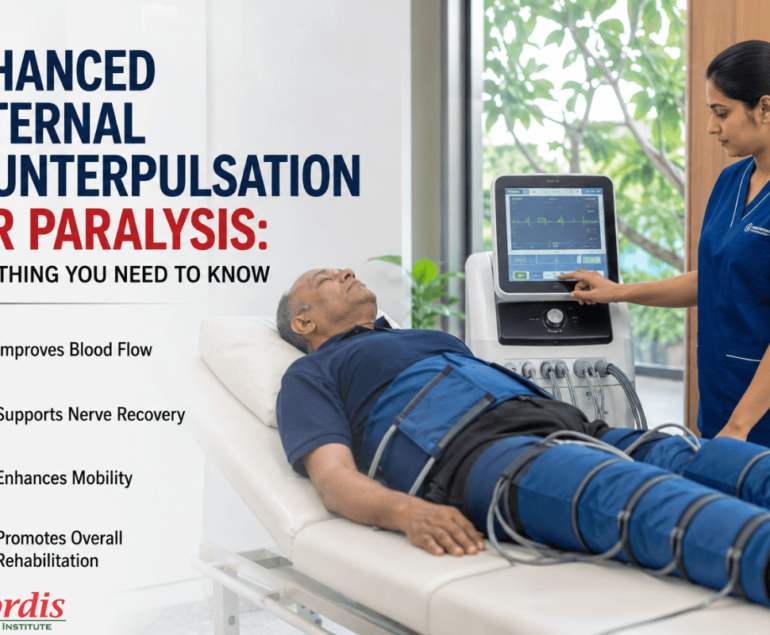
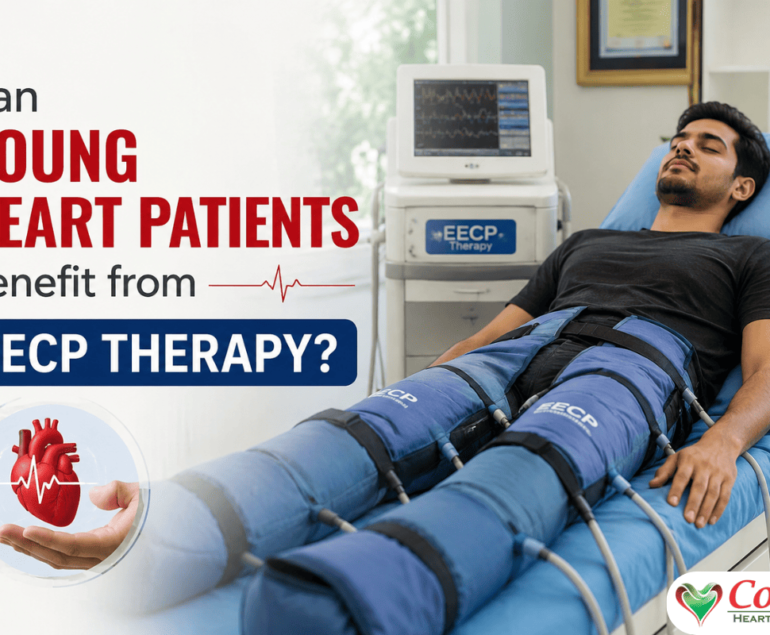
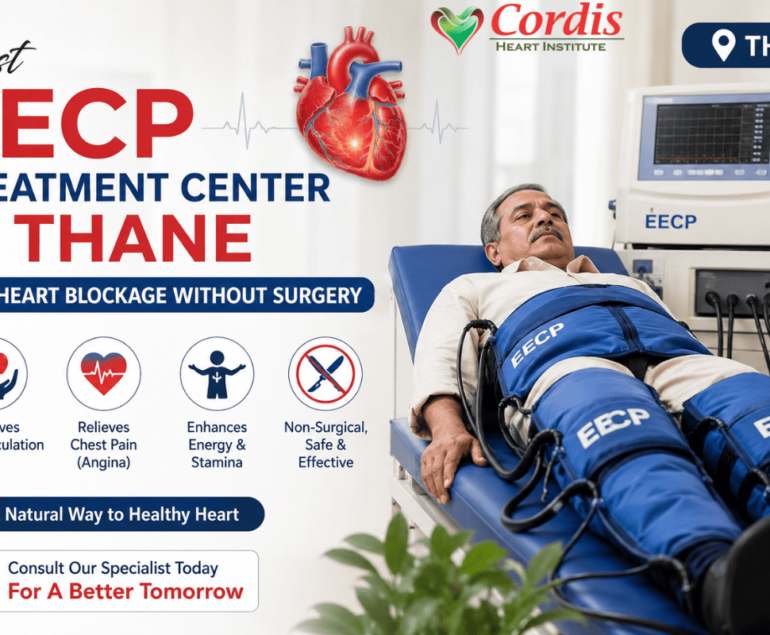
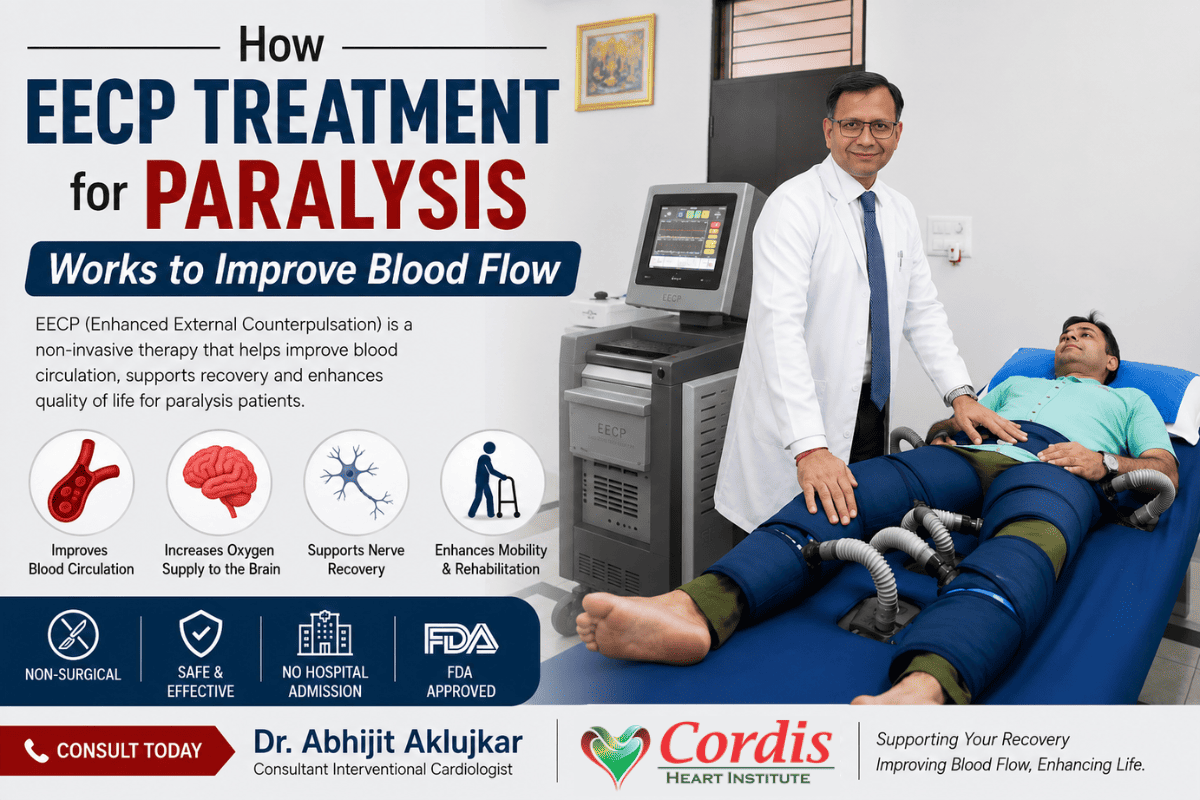
EECP uses specially designed inflatable cuffs wrapped around the calves, thighs, and buttocks. These cuffs inflate and deflate in a carefully timed sequence that matches the patient’s heartbeat.
The treatment works by increasing blood flow back to the heart during the relaxation phase of each heartbeat. This improves circulation and may increase oxygen-rich blood reaching different parts of the body, including the brain.
The U.S. Food and Drug Administration (FDA) has approved EECP for specific heart-related conditions. Researchers continue to study its potential benefits for improving circulation in neurological rehabilitation.
Because the treatment is completely external, patients generally experience little discomfort during therapy.
How EECP Therapy Is Performed
A typical EECP session follows a structured process.
Step 1: Patient Assessment
Before starting treatment, the medical team reviews the patient’s medical history, heart health, blood pressure, medications, and overall condition.
Step 2: Positioning
The patient lies comfortably on a treatment bed while inflatable cuffs are secured around the legs.
Step 3: ECG Monitoring
Electrocardiogram (ECG) sensors continuously monitor the heartbeat. The EECP machine uses this information to synchronize cuff inflation and deflation with each cardiac cycle.
Step 4: Therapy Begins
As the heart relaxes between beats, the cuffs inflate from the calves upward toward the thighs. Just before the heart pumps again, the cuffs rapidly deflate.
This sequence repeats thousands of times during the session.
A standard treatment session usually lasts about one hour.
Most patients undergo 35 sessions, typically completed over seven weeks, although the exact schedule depends on the doctor’s recommendation and the patient’s condition.
What Causes Reduced Blood Flow in Paralysis Patients?
Blood circulation is essential for delivering oxygen and nutrients to every organ, muscle, and nerve in the body. When paralysis occurs, several factors can reduce healthy blood flow, making recovery more challenging.
Understanding these causes helps explain why therapies that improve circulation may support rehabilitation.
Stroke and Interrupted Blood Supply
One of the leading causes of paralysis is stroke.
An ischemic stroke occurs when blood flow to part of the brain becomes blocked by a clot. Without enough oxygen, brain cells begin to die within minutes.
Depending on which area of the brain is affected, patients may develop weakness or paralysis on one side of the body.
Even after emergency treatment restores blood flow, recovery continues for months or years as the brain adapts and attempts to rebuild damaged neural pathways.
Supporting healthy circulation during this period is an important part of rehabilitation.
Reduced Physical Movement
People living with paralysis often move much less than before.
Limited muscle activity slows circulation in the arms and legs. Blood may not return to the heart as efficiently, especially in patients who spend long periods sitting or lying down.
Reduced movement can also contribute to:
- Muscle weakness
- Swelling in the legs
- Poor circulation
- Reduced endurance
- Increased fatigue
Improving circulation becomes one of several goals during rehabilitation.
Weak Blood Circulation During Recovery
The body’s circulatory system depends on both the heart and muscle activity to move blood efficiently.
Healthy muscles naturally squeeze blood vessels during movement, helping push blood back toward the heart.
When muscles become weak or inactive after paralysis, this natural pumping action decreases.
As a result, oxygen delivery to muscles and tissues may not be as efficient, making physical rehabilitation more difficult.
Why Better Blood Flow Supports Rehabilitation
Although improved circulation alone cannot reverse paralysis, it plays an important role in supporting the body’s natural healing process.
Healthy blood flow helps deliver:
- Oxygen to tissues
- Essential nutrients
- Hormones involved in repair
- Immune cells
- Waste removal from damaged tissues
Good circulation also supports healthier muscles during rehabilitation exercises.
This is one reason many rehabilitation programs focus on therapies that encourage safe movement and improve overall circulation.
How EECP Treatment for Paralysis Works to Improve Blood Flow
Many patients wonder what actually happens inside the body during EECP therapy. The treatment relies on carefully timed pressure applied to the legs, helping improve circulation without surgery.
Here’s how the process works.
Step 1: Sequential Compression of the Legs
The inflatable cuffs tighten around the calves first, followed by the thighs and buttocks.
This compression occurs in a precise sequence during the heart’s resting phase.
Rather than restricting circulation, this rhythmic pressure gently pushes blood upward toward the heart.
The movement resembles the natural pumping action created by walking.
Step 2: Increased Blood Flow Back to the Heart
As blood returns more efficiently to the heart, the amount of blood available for the next heartbeat increases.
This can improve cardiac output, allowing the heart to circulate more oxygen-rich blood throughout the body.
Better circulation may benefit multiple organs, including the brain, muscles, and peripheral tissues.
Step 3: Improved Oxygen Delivery Throughout the Body
Blood carries oxygen that every cell needs to function properly.
By improving circulation, EECP may increase the delivery of oxygen and nutrients to tissues that require support during recovery.
For patients participating in rehabilitation, improved oxygen supply may help muscles perform better during therapy sessions.
Step 4: Better Blood Supply to the Brain
The brain requires a constant supply of oxygen-rich blood.
Although damaged brain tissue cannot always be restored, improved circulation may support healthier surrounding brain areas that remain functional.
Researchers continue studying whether improved cerebral circulation may contribute to better neurological recovery in selected patients after stroke.
It is important to understand that EECP should be viewed as a supportive therapy rather than a replacement for standard stroke treatment.
Step 5: Development of Natural Collateral Blood Vessels
One of the most interesting effects associated with EECP is the stimulation of collateral circulation.
Collateral blood vessels are small natural pathways that can develop over time to help blood bypass partially blocked or narrowed arteries.
This process has been well documented in patients with coronary artery disease.
Researchers are continuing to investigate whether improved collateral circulation may also benefit certain neurological conditions by supporting blood supply where it is needed most.
Step 6: Improved Circulation During Rehabilitation
Recovery from paralysis requires consistent rehabilitation.
When EECP is combined with physiotherapy, occupational therapy, proper nutrition, medication, and regular exercise under medical supervision, improved circulation may support the body’s overall recovery process.
Instead of acting as a standalone treatment, EECP works best as one component of a personalized rehabilitation plan developed by experienced healthcare professionals.
At Cordis Heart Institute, Dr Abhijit Aklujkar carefully evaluates each patient’s medical history, cardiovascular health, and rehabilitation goals before recommending EECP therapy. This personalized approach helps ensure that treatment is safe, appropriate, and aligned with the patient’s overall recovery plan.
How Better Blood Flow May Help Paralysis Recovery
Recovery after paralysis takes time and usually involves a combination of medical care, rehabilitation, and lifestyle changes. While EECP therapy is not a cure for paralysis, improving blood circulation may create a better environment for the body’s natural healing process.
Supports Oxygen Supply to Brain Cells
The brain relies on a continuous supply of oxygen and nutrients to function properly. After a stroke, some brain cells are permanently damaged, while others around the affected area may remain healthy but require adequate blood flow to perform at their best.
By improving circulation, EECP therapy may help increase oxygen-rich blood delivery to these areas. Researchers continue to study how this improved circulation may support neurological recovery when combined with standard stroke rehabilitation.
May Improve Muscle Function
Muscles depend on oxygen and nutrients to work efficiently. After paralysis, weakened muscles often lose strength because of reduced movement and limited use.
Better blood circulation may support muscle health during rehabilitation by delivering the nutrients muscles need while removing waste products more effectively.
Helps Reduce Fatigue
Many people recovering from paralysis experience tiredness even after simple activities.
Improved circulation may help the body transport oxygen more efficiently, which can support energy levels during daily activities and rehabilitation sessions. Individual results vary, and EECP should always be considered part of a broader treatment plan.
Supports Nerve Recovery
Nerves require a healthy blood supply to receive oxygen and nutrients. Although damaged nerve tissue cannot always regenerate completely, maintaining good circulation supports overall tissue health.
EECP therapy is being studied for its role in supporting conditions where improved circulation may assist recovery alongside physiotherapy and medical care.
May Improve Daily Mobility
Recovery is often measured by small improvements that make everyday life easier.
Some patients report improvements in endurance, walking tolerance, and overall comfort after completing EECP therapy. These outcomes depend on factors such as the cause of paralysis, the severity of the condition, and the patient’s commitment to rehabilitation.
Complements Physical Rehabilitation
Physiotherapy remains one of the most important treatments for paralysis recovery.
EECP is not intended to replace physiotherapy. Instead, it may complement rehabilitation by improving circulation, allowing patients to participate more comfortably in prescribed exercises.
Benefits of EECP Therapy for Paralysis Patients
EECP therapy offers several advantages for eligible patients because it is completely non-invasive and does not require surgery.
Completely Non-Surgical
No cuts, stitches, or surgical procedures are involved.
No General Anesthesia
Patients remain awake throughout the treatment, reducing the risks associated with anesthesia.
No Hospital Admission Required
Most EECP sessions are performed on an outpatient basis, allowing patients to return home the same day.
Safe for Many Eligible Patients
When recommended by a qualified doctor after proper evaluation, EECP has an established safety profile for appropriate candidates.
Comfortable Treatment Sessions
Most patients describe the treatment as firm pressure around the legs rather than pain. Many spend the session listening to music, reading, or relaxing.
May Improve Overall Quality of Life
By supporting better circulation, some patients experience improved stamina and greater comfort while participating in daily activities and rehabilitation programs.
Who Can Benefit from EECP Treatment for Paralysis?
EECP therapy is not suitable for everyone. A medical evaluation is necessary before starting treatment.
Patients who may benefit include:
Stroke Survivors
Individuals recovering from ischemic stroke who are participating in a structured rehabilitation program.
Patients with Reduced Blood Circulation
People with poor circulation affecting recovery may be considered after medical assessment.
Individuals with Limited Mobility
Patients who have difficulty moving because of paralysis or weakness may benefit from improved circulation.
Patients Looking for Non-Surgical Rehabilitation Support
People seeking supportive, non-invasive treatment alongside physiotherapy and medication.
Patients with Heart and Circulation Conditions
Some individuals with both cardiovascular disease and paralysis may benefit because EECP was originally developed to improve blood circulation in heart patients.
Only a specialist can determine whether EECP is appropriate based on the patient’s overall health.
What Happens During an EECP Therapy Session?
Knowing what to expect can help patients feel more comfortable before beginning treatment.
Initial Medical Evaluation
Before therapy starts, Dr Abhijit Aklujkar at Cordis Heart Institute performs a detailed evaluation that may include:
- Medical history review
- Physical examination
- Blood pressure assessment
- Heart evaluation
- Review of medications
- Assessment of rehabilitation goals
Treatment Preparation
The patient lies comfortably on the treatment bed while inflatable cuffs are secured around both legs.
ECG sensors are attached to monitor the heartbeat throughout the session.
During the One-Hour Session
The EECP machine synchronizes with each heartbeat.
The cuffs inflate during the heart’s resting phase and rapidly deflate just before the next heartbeat. This process repeats automatically for about one hour.
After the Session
Most patients can return to their normal daily routine immediately after treatment unless advised otherwise by their doctor.
Recommended Treatment Schedule
A standard EECP program generally includes:
- 1-hour sessions
- 5 to 6 days per week
- Total of approximately 35 sessions
The exact schedule depends on the patient’s condition and medical advice.
Is EECP Treatment Safe for Paralysis Patients?
EECP has been used worldwide for many years in eligible patients with heart disease. Its use in paralysis patients should always be guided by an experienced physician.
Safety Profile
EECP is generally well tolerated when patients are carefully selected and monitored.
Possible Mild Side Effects
Some patients may experience temporary:
- Mild leg soreness
- Skin irritation
- Bruising where the cuffs are placed
- Muscle discomfort during the first few sessions
These effects are usually short-lived.
Who Should Avoid EECP Therapy?
EECP may not be suitable for people with certain medical conditions, including:
- Severe valve disease
- Active deep vein thrombosis (DVT)
- Uncontrolled high blood pressure
- Severe bleeding disorders
- Certain irregular heart rhythms
- Severe peripheral vascular disease
A complete medical evaluation is essential before treatment begins.
Importance of Doctor Evaluation
Every paralysis patient has different health needs. At Cordis Heart Institute, Dr Abhijit Aklujkar carefully assesses whether EECP therapy is safe and appropriate before recommending a treatment plan.
EECP Therapy Along with Stroke Rehabilitation
The best recovery outcomes usually come from combining multiple treatment approaches.
EECP should be viewed as one part of a broader rehabilitation strategy.
Physiotherapy
Regular exercises help improve strength, flexibility, balance, and mobility.
Occupational Therapy
Occupational therapists help patients regain independence in everyday activities such as dressing, eating, and personal care.
Speech Therapy
Patients with speech or swallowing difficulties after stroke may benefit from speech-language rehabilitation.
Lifestyle Changes
Healthy habits support long-term recovery, including:
- Quitting smoking
- Managing diabetes
- Controlling blood pressure
- Maintaining healthy cholesterol levels
- Getting adequate sleep
Healthy Diet
A balanced diet rich in fruits, vegetables, whole grains, lean protein, and healthy fats supports recovery and cardiovascular health.
Regular Medical Follow-up
Routine check-ups allow doctors to monitor recovery, adjust medications, and modify rehabilitation plans as needed.
Why Choose Cordis Heart Institute for EECP Treatment?
Choosing the right healthcare provider is an important part of recovery.
At Cordis Heart Institute, patients receive personalized care based on their individual medical condition.
Experienced EECP Team
The hospital has trained professionals experienced in delivering EECP therapy safely.
Treatment Under Dr Abhijit Aklujkar
Every patient undergoes a detailed evaluation to determine whether EECP is the right choice.
Advanced EECP Technology
Modern equipment helps deliver therapy accurately while ensuring patient comfort throughout each session.
Personalized Patient Care
No two paralysis patients are the same. Treatment plans are tailored according to medical history, rehabilitation needs, and overall health.
Comprehensive Cardiac and Rehabilitation Support
Patients benefit from coordinated care that focuses on both heart health and recovery after paralysis.
Frequently Asked Questions (FAQs)
Can EECP treatment help paralysis patients?
EECP may support paralysis recovery by improving blood circulation. It should always be used alongside standard medical treatment and rehabilitation rather than as a replacement.
How does EECP improve blood circulation?
The inflatable cuffs gently compress the legs in sync with the heartbeat, helping increase blood flow back to the heart and improving circulation throughout the body.
Is EECP useful after a stroke?
Some stroke patients may benefit from improved circulation as part of a rehabilitation program. A specialist should determine whether EECP is appropriate for each individual.
How many EECP sessions are usually required?
A standard course typically includes around 35 one-hour sessions over several weeks, although treatment plans may vary.
Is EECP treatment painful?
Most patients find EECP comfortable. They may feel firm pressure around the legs, but the treatment is generally not painful.
Are there any side effects of EECP therapy?
Temporary leg soreness, mild bruising, or skin irritation may occur in some patients. Serious complications are uncommon when the treatment is performed under medical supervision.
Who should not undergo EECP treatment?
People with certain heart conditions, active blood clots, severe valve disease, or uncontrolled blood pressure may not be suitable candidates. A medical evaluation is necessary before starting treatment.
Can EECP replace physiotherapy?
No. Physiotherapy remains an essential part of paralysis rehabilitation. EECP is intended to complement, not replace, rehabilitation exercises.
How long does it take to notice improvements?
Some patients notice changes during the treatment course, while others may require additional time. Recovery depends on the underlying condition, overall health, and participation in rehabilitation.
Where can I get EECP treatment for paralysis in Mumbai?
Patients seeking an evaluation for EECP therapy can consult Dr Abhijit Aklujkar at Cordis Heart Institute to discuss whether the treatment is suitable for their condition.
Conclusion
Understanding how EECP treatment for paralysis works to improve blood flow helps patients and caregivers make informed decisions about rehabilitation options.
EECP is a non-invasive therapy that aims to improve blood circulation by increasing oxygen-rich blood flow throughout the body. While it does not cure paralysis, it may support recovery when combined with physiotherapy, occupational therapy, medications, and healthy lifestyle habits.
Because every patient is different, treatment should always begin with a thorough medical assessment. A personalized rehabilitation plan offers the best chance of improving mobility, independence, and overall quality of life.
Looking for EECP Treatment for Paralysis in Mumbai?
If you or a loved one is recovering from paralysis or stroke, consult Dr Abhijit Aklujkar at Cordis Heart Institute for a detailed evaluation.
Our team will assess your condition, explain whether EECP therapy is suitable for you, and create a personalized treatment plan based on your medical needs.
Book your consultation today and take the next step toward better circulation and a structured recovery plan.