Recovering from a stroke can be a long journey that requires patience, medical guidance, and the right rehabilitation plan. Many stroke survivors experience weakness, reduced mobility, difficulty speaking, or challenges with daily activities. While physiotherapy, occupational therapy, and medications remain the foundation of stroke rehabilitation, some patients may also be evaluated for additional therapies that support circulation and overall recovery.
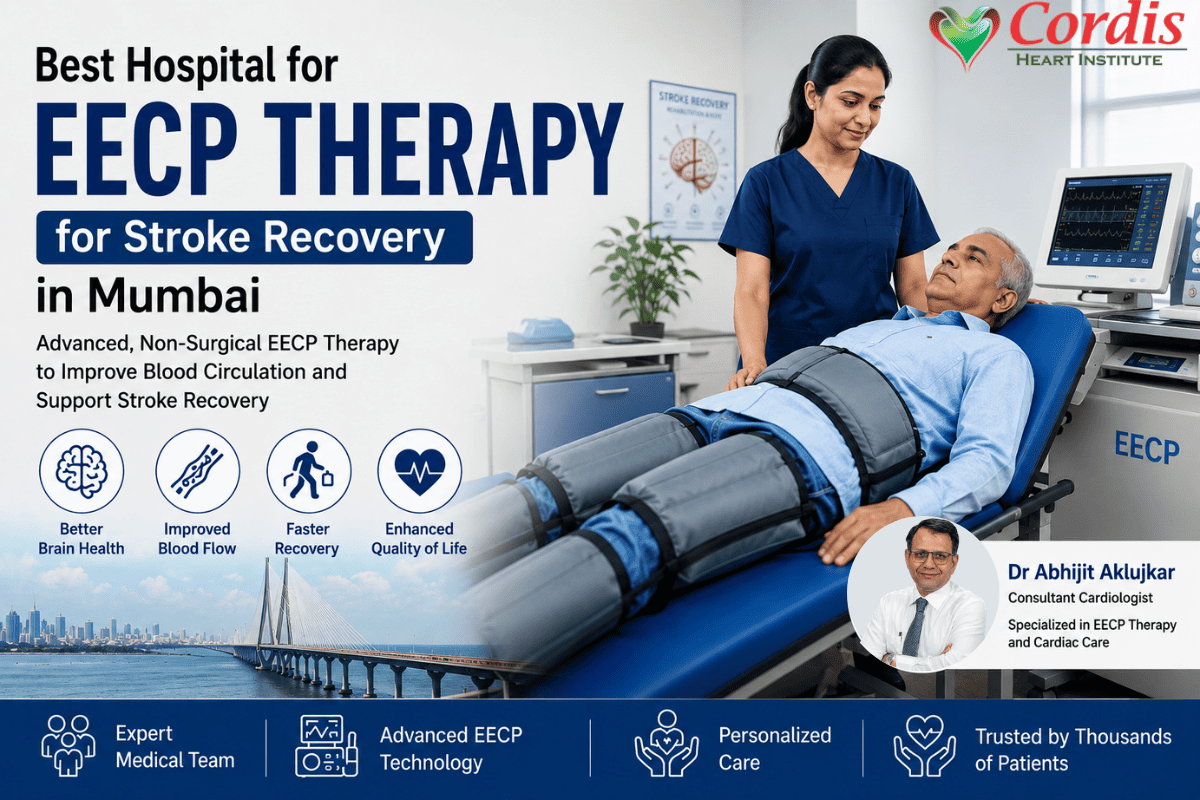
If you are searching for the Best Hospital for EECP Therapy for Stroke Recovery in Mumbai, choosing an experienced healthcare team is one of the most important decisions you can make. At Cordis Heart Institute, patients receive personalized care based on their medical history, current health condition, and recovery goals. Under the guidance of Dr Abhijit Aklujkar, eligible patients may be assessed to determine whether Enhanced External Counterpulsation (EECP) can be included as part of a broader rehabilitation plan.
EECP is a non-invasive treatment that has been widely used in selected cardiac conditions. Researchers have also explored its potential role in improving blood circulation, which has led to growing interest in its possible use as a supportive therapy for certain stroke patients. It is important to note that EECP is not a replacement for standard stroke rehabilitation and should only be considered after a detailed medical evaluation.
In this guide, you’ll learn how EECP works, how it may support stroke recovery, its potential benefits, who may be a suitable candidate, and why many patients choose Cordis Heart Institute for advanced rehabilitation support in Mumbai.
What Is EECP Therapy?
Enhanced External Counterpulsation, commonly known as EECP, is a non-surgical treatment designed to improve blood circulation throughout the body. It has been used for many years to help selected patients with heart-related conditions by encouraging better blood flow.
The treatment is painless, requires no anesthesia, and does not involve surgery or hospital admission. Patients remain awake and comfortable throughout each session, making it an attractive option for individuals who may not be suitable candidates for invasive procedures.
For stroke recovery, EECP is being studied as an additional therapy that may improve circulation and support the body’s natural healing processes when used alongside conventional rehabilitation.
Understanding Enhanced External Counterpulsation (EECP)
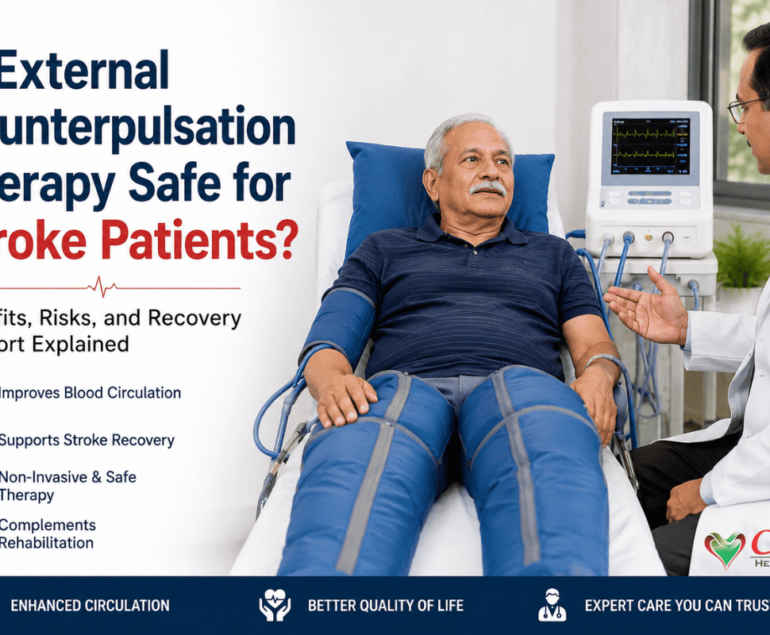
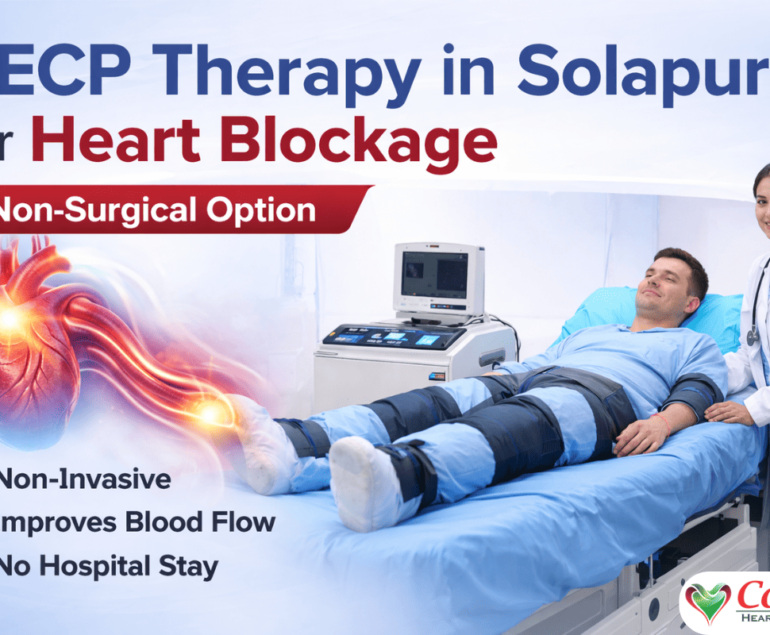
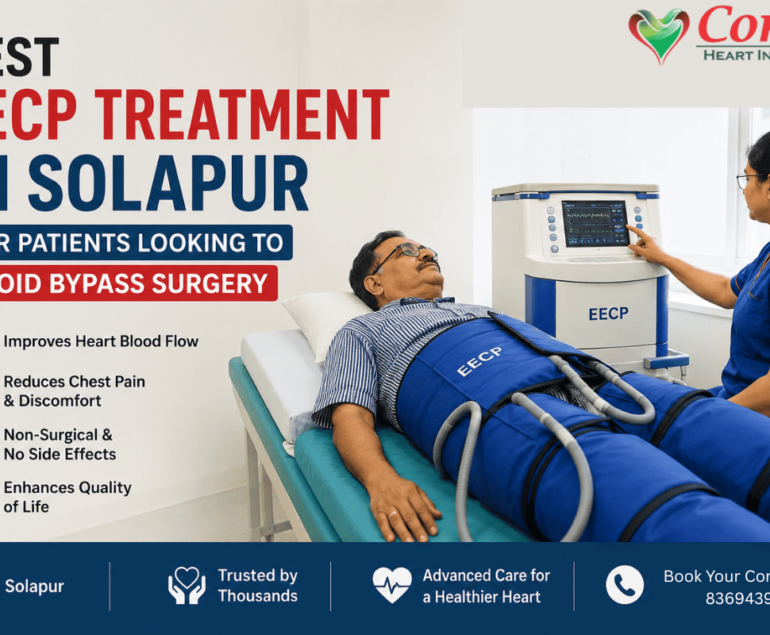
During an EECP session, inflatable cuffs are wrapped around the patient’s calves, thighs, and buttocks. These cuffs inflate and deflate in synchronization with the heartbeat using a computerized system.
When the heart relaxes between beats, the cuffs inflate sequentially, gently pushing blood toward the heart and upper body. Just before the next heartbeat, the cuffs rapidly deflate, helping reduce the workload on the heart while improving overall blood circulation.
This carefully timed process aims to:
- Increase blood flow throughout the body
- Improve oxygen delivery to tissues
- Encourage the development of small collateral blood vessels
- Support healthy vascular function
- Reduce the workload on the heart
Each session typically lasts about one hour. Many treatment plans include multiple sessions spread over several weeks, depending on the patient’s medical condition and the treating physician’s recommendations.
How EECP Improves Blood Circulation
Healthy blood circulation plays a vital role in supplying oxygen and nutrients to every organ, including the brain. After a stroke, restoring and maintaining adequate blood flow is an important part of recovery.
EECP may help by:
Increasing Oxygen Delivery
Improved circulation allows oxygen-rich blood to reach tissues more efficiently. Adequate oxygen supports normal cellular function throughout the body.
Encouraging Collateral Circulation
One of the most studied effects of EECP is its ability to stimulate the formation and use of collateral blood vessels. These small vessels may help improve circulation around areas where blood flow has been reduced.
Improving Vascular Function
Better blood vessel function may support healthier circulation over time, which can contribute to improved physical endurance and overall cardiovascular health.
Supporting Overall Rehabilitation
Although EECP is not a cure for stroke, improved circulation may help complement rehabilitation therapies prescribed by healthcare professionals.
Can EECP Therapy Help Stroke Recovery?
Stroke rehabilitation focuses on helping patients regain as much independence as possible. Every person’s recovery is different and depends on several factors, including the type of stroke, the affected area of the brain, age, overall health, and how quickly rehabilitation begins.
Researchers have investigated whether improved blood circulation through EECP may provide additional support during stroke recovery. While more large-scale studies are needed, early findings have generated interest in its potential role as a complementary therapy for selected patients.
It is essential to understand that EECP should never replace established stroke rehabilitation methods such as physiotherapy, occupational therapy, speech therapy, medication, and lifestyle management.
The Connection Between Blood Flow and Brain Recovery
The brain depends on a continuous supply of oxygen and nutrients carried by blood. During a stroke, blood flow to part of the brain is interrupted, causing damage to brain cells.
After emergency treatment, rehabilitation focuses on helping the brain adapt and recover. The brain has an impressive ability called neuroplasticity, which allows healthy areas to take over some functions lost after injury.
Maintaining healthy circulation is an important part of this process. This is one reason researchers continue studying therapies that may support blood flow during recovery.
How EECP May Support Stroke Rehabilitation
EECP is believed to support rehabilitation in several ways:
- Improving circulation throughout the body
- Increasing oxygen delivery
- Supporting healthy blood vessel function
- Promoting collateral circulation
- Potentially improving exercise tolerance during rehabilitation
- Supporting cardiovascular health
These effects may help create favorable conditions for rehabilitation, but results vary between individuals.
Who May Benefit from EECP After a Stroke?
Not every stroke survivor is a candidate for EECP therapy.
After a complete medical evaluation, healthcare professionals may consider EECP for patients who:
- Have stable medical conditions
- Are participating in an ongoing rehabilitation program
- Need additional support for improving circulation
- Have cardiovascular conditions where EECP is clinically appropriate
- Are medically cleared by their treating physician
Treatment decisions should always be individualized.
What Current Clinical Research Says
Research into EECP and stroke recovery is ongoing. Some studies have reported improvements in cerebral blood flow and functional outcomes in selected patients. However, current evidence is still developing, and treatment recommendations should be based on a patient’s overall clinical condition.
Healthcare providers generally view EECP as a supportive therapy rather than a standalone treatment for stroke recovery.
Patients should always discuss potential benefits and risks with an experienced physician before beginning treatment.
Benefits of EECP Therapy for Stroke Recovery
When recommended by a qualified medical team, EECP may offer several potential benefits as part of a broader rehabilitation program.
Improved Blood Circulation
One of the primary goals of EECP is to improve blood circulation. Better circulation supports oxygen delivery throughout the body and may contribute to overall recovery.
Better Oxygen Supply to Brain Tissue
Oxygen is essential for normal brain function. Improved circulation may help maintain adequate oxygen delivery to healthy brain tissue while patients continue rehabilitation therapies.
Increased Physical Endurance
Some patients report feeling less fatigued and more capable of participating in rehabilitation exercises after completing their EECP treatment plan. Improved endurance can make it easier to stay consistent with recovery programs.
Support During Rehabilitation
Stroke rehabilitation often requires weeks or months of structured therapy. EECP may serve as an additional supportive treatment for carefully selected patients while they continue physiotherapy, occupational therapy, speech therapy, and medical management.
Non-Surgical and Comfortable Treatment
Unlike many medical procedures, EECP does not require surgery, injections, or anesthesia. Most patients find the sessions comfortable and are able to return home immediately afterward.
May Improve Quality of Life
Although outcomes differ from one patient to another, the combination of better circulation, ongoing rehabilitation, healthy lifestyle habits, and medical supervision may help some individuals improve their daily functioning and overall quality of life.
It is important to remember that recovery from stroke is a gradual process. Consistency with rehabilitation, regular follow-up appointments, medication adherence, and lifestyle modifications remain the foundation of successful long-term recovery.
Why Choose Cordis Heart Institute for EECP Therapy in Mumbai?
Choosing the right hospital is one of the most important decisions for stroke rehabilitation. Recovery often involves multiple specialists, regular follow-up, and a treatment plan that is tailored to each patient’s condition. When considering EECP therapy, patients should look for a hospital with experienced doctors, modern technology, and a patient-first approach.
Cordis Heart Institute is committed to providing advanced cardiac and vascular care while supporting patients through every stage of their recovery. The hospital follows an evidence-based approach and carefully evaluates whether EECP therapy is appropriate for each individual.
Experienced Medical Team
Stroke recovery requires coordination between healthcare professionals who understand cardiovascular health and rehabilitation. At Cordis Heart Institute, patients are assessed thoroughly before any treatment plan is recommended.
The medical team reviews factors such as:
- Medical history
- Type of stroke
- Current medications
- Heart health
- Blood pressure control
- Existing medical conditions
- Overall rehabilitation goals
This detailed evaluation helps ensure that every patient receives care suited to their specific needs.
Advanced EECP Technology
EECP therapy relies on computerized equipment that synchronizes inflatable cuffs with the patient’s heartbeat. Proper timing is essential for achieving the intended improvement in blood circulation.
Cordis Heart Institute uses advanced EECP systems designed to deliver comfortable, controlled, and closely monitored treatment sessions. Throughout the procedure, trained healthcare professionals observe the patient’s response to ensure safety and comfort.
Personalized Treatment Plans
No two stroke patients recover in exactly the same way. Factors such as age, overall health, mobility, and the severity of the stroke influence rehabilitation.
Instead of following a standard treatment plan for everyone, Cordis Heart Institute develops individualized care plans that may include:
- Medical management
- Lifestyle guidance
- Risk factor management
- Rehabilitation support
- Regular follow-up assessments
- EECP therapy, when clinically appropriate
This personalized approach helps patients receive treatment that matches their recovery goals.
Patient-Centered Care
Recovering from a stroke can be physically and emotionally challenging. Patients and their families often need clear communication, reassurance, and ongoing support.
Cordis Heart Institute believes in involving patients in every step of their treatment journey. Doctors explain the purpose of recommended therapies, discuss expected outcomes, and answer questions so patients can make informed decisions about their care.
Modern Infrastructure
A comfortable and well-equipped healthcare environment can improve the overall treatment experience.
Cordis Heart Institute offers:
- Modern consultation facilities
- Dedicated EECP treatment areas
- Comfortable patient care environment
- Advanced diagnostic support
- Coordinated follow-up services
These facilities help ensure a smooth experience from the initial consultation to the completion of the treatment plan.
Convenient Location in Mumbai
Easy access to healthcare is especially important for patients who require multiple treatment sessions. Located in Mumbai, Cordis Heart Institute serves patients from across the city and surrounding regions, making advanced EECP therapy more accessible for those seeking specialized care.
Meet Dr Abhijit Aklujkar
Successful stroke rehabilitation depends on expert medical guidance. Choosing an experienced physician helps ensure that every treatment recommendation is based on the patient’s individual condition and current medical evidence.
Dr Abhijit Aklujkar is known for his patient-focused approach and careful evaluation of cardiovascular health. His goal is to recommend treatments that are safe, appropriate, and aligned with each patient’s long-term recovery plan.
Experience in Cardiac and Vascular Care
Dr Abhijit Aklujkar has extensive experience in evaluating patients with cardiovascular conditions. His clinical approach focuses on understanding the underlying causes affecting blood circulation and determining the most suitable treatment options.
Since stroke recovery often involves managing vascular health alongside neurological rehabilitation, this expertise plays an important role in developing a complete care plan.
Approach to Patient Treatment
Every patient has different recovery goals and medical needs.
Before recommending EECP therapy, Dr Abhijit Aklujkar performs a detailed assessment that may include:
- Review of medical history
- Physical examination
- Existing medications
- Cardiovascular evaluation
- Discussion of rehabilitation progress
- Risk assessment
Only after this evaluation is a personalized treatment plan created.
Focus on Safe and Evidence-Based Care
Patient safety remains the highest priority throughout the treatment process.
Dr Abhijit Aklujkar follows evidence-based medical practices and recommends EECP therapy only when it is considered appropriate for the patient’s overall health condition. Patients continue receiving standard stroke rehabilitation, with EECP considered as a complementary treatment where suitable.
Who Is a Good Candidate for EECP Therapy?
Although EECP offers potential benefits for selected individuals, it is not suitable for everyone. A complete medical evaluation is necessary before starting treatment.
Stroke Survivors Under Medical Supervision
Patients who are medically stable and actively participating in rehabilitation may be considered for EECP therapy if their physician believes it could provide additional support.
Regular medical supervision helps ensure that treatment remains safe and appropriate.
Patients with Reduced Blood Circulation
Some individuals experience reduced circulation due to cardiovascular conditions. Since EECP is designed to improve blood flow, it may be considered for selected patients after a detailed evaluation.
Patients Looking for Non-Surgical Support
Many patients prefer non-invasive treatment options whenever possible.
EECP does not involve:
- Surgery
- Needles
- General anesthesia
- Long hospital stays
Patients remain awake during treatment and usually return to their normal routine shortly after each session.
Who Should Avoid EECP Therapy?
EECP may not be recommended for individuals with certain medical conditions.
Examples include:
- Severe aortic valve disease
- Active bleeding disorders
- Uncontrolled high blood pressure
- Deep vein thrombosis
- Certain heart rhythm disorders
- Severe peripheral vascular disease
Only a qualified physician can determine whether EECP is appropriate after reviewing the patient’s medical history.
What Happens During an EECP Therapy Session?
Knowing what to expect can help patients feel more comfortable before beginning treatment.
Initial Consultation
The process starts with a detailed consultation.
During this visit, the doctor reviews:
- Stroke history
- Current symptoms
- Heart health
- Medications
- Previous treatments
- Rehabilitation progress
Additional investigations may be recommended if required.
Patient Assessment
Before starting therapy, the healthcare team checks:
- Blood pressure
- Heart rate
- Oxygen levels
- Overall cardiovascular status
These assessments help determine whether the patient is ready for treatment.
Treatment Procedure
During the session:
- The patient lies comfortably on a treatment bed.
- Inflatable cuffs are wrapped around the calves, thighs, and buttocks.
- A heart monitor synchronizes the inflation and deflation of the cuffs with each heartbeat.
- The treatment continues for approximately one hour.
Most patients describe the procedure as comfortable and painless.
Session Duration
A standard EECP session lasts about 60 minutes.
Treatment schedules vary depending on the patient’s condition and the physician’s recommendations.
Number of Sessions Required
Many treatment plans include multiple sessions over several weeks. The exact number depends on:
- Overall health
- Recovery goals
- Clinical evaluation
- Individual response to treatment
The doctor will recommend a schedule that best suits the patient’s needs.
Recovery After Each Session
Most patients do not require a recovery period after treatment. They can usually return home shortly after the session unless advised otherwise by their healthcare provider.
EECP Therapy vs Traditional Stroke Rehabilitation
A common question is whether EECP can replace traditional rehabilitation.
The answer is no.
EECP is intended to complement, not replace, established rehabilitation methods.
EECP vs Physiotherapy
Physiotherapy focuses on improving:
- Balance
- Walking
- Muscle strength
- Coordination
- Mobility
EECP does not perform these functions. Instead, it may help support circulation while patients continue physiotherapy under professional supervision.
EECP vs Medication Alone
Medications remain essential after a stroke. They help reduce the risk of future strokes and manage conditions such as high blood pressure, diabetes, and cholesterol.
EECP does not replace prescribed medicines. Patients should continue taking medications exactly as directed by their physician.
Why a Combined Treatment Approach Works Better
The most effective rehabilitation plans often combine multiple approaches, including:
- Medical management
- Physiotherapy
- Occupational therapy
- Speech therapy
- Healthy lifestyle changes
- Nutritional support
- Regular follow-up care
- EECP therapy, when clinically appropriate
This multidisciplinary approach addresses different aspects of recovery and supports long-term health.
Why Early Stroke Rehabilitation Matters
The weeks following a stroke are an important period for recovery. Starting rehabilitation early, when medically appropriate, can help patients regain function and improve independence.
Recovery Timeline
Every stroke survivor follows a different recovery journey.
Some patients notice improvements within weeks, while others continue making progress over several months or even years. Recovery depends on:
- Stroke severity
- Brain area affected
- Overall health
- Age
- Consistency of rehabilitation
- Family support
Patience and regular therapy are essential throughout this process.
Importance of Consistency
Recovery requires commitment.
Attending scheduled rehabilitation sessions, following medical advice, taking medications on time, and maintaining regular follow-up appointments all contribute to better long-term outcomes.
Missing therapy sessions or stopping treatment early may slow progress.
Lifestyle Changes That Support Recovery
Healthy lifestyle habits remain one of the most effective ways to support recovery and reduce the risk of another stroke.
Patients are encouraged to:
- Eat a balanced, heart-friendly diet
- Stay physically active according to medical advice
- Control blood pressure
- Manage diabetes effectively
- Maintain healthy cholesterol levels
- Avoid smoking and tobacco products
- Limit alcohol intake
- Get adequate sleep
- Manage stress through relaxation techniques and regular physical activity
When combined with ongoing rehabilitation and appropriate medical care, these lifestyle changes can make a meaningful difference in overall recovery and long-term cardiovascular health.
Patient Success Stories at Cordis Heart Institute
Every stroke recovery journey is unique. Factors such as the type of stroke, the patient’s age, overall health, and how quickly rehabilitation begins all influence the outcome.
At Cordis Heart Institute, the focus is on creating individualized treatment plans that support each patient’s recovery goals. The healthcare team works closely with patients and their families to monitor progress and make adjustments whenever necessary.
Note: If your hospital has genuine patient testimonials, before-and-after outcomes, or Google reviews, this section is the ideal place to include them. Authentic patient experiences help build trust and improve conversion rates.
Examples of information you can include:
- Patient age and medical condition (with consent)
- Challenges faced after stroke
- Treatment plan followed
- Role of EECP therapy in the rehabilitation program
- Improvements in mobility, stamina, or daily activities
- Patient or family feedback
Real stories help prospective patients understand what to expect while maintaining realistic expectations about recovery.
Frequently Asked Questions (FAQs)
Is EECP therapy safe for stroke patients?
EECP therapy may be suitable for selected stroke patients after a thorough medical evaluation. Since every patient’s condition is different, a physician must determine whether the treatment is appropriate. EECP should always be used as part of a broader rehabilitation plan rather than as a replacement for standard stroke care.
How many EECP sessions are required for stroke recovery?
The number of sessions varies depending on the patient’s medical condition and treatment goals. Many EECP treatment plans involve multiple one-hour sessions over several weeks. Your doctor will recommend the most appropriate schedule after evaluating your health.
Can EECP replace physiotherapy?
No. Physiotherapy remains one of the most important parts of stroke rehabilitation. EECP is considered a supportive treatment that may complement physiotherapy and other rehabilitation methods when recommended by a physician.
Is EECP therapy painful?
No. EECP is a non-invasive and generally comfortable treatment. Patients remain awake throughout the session while inflatable cuffs gently inflate and deflate in rhythm with the heartbeat.
What is the cost of EECP therapy in Mumbai?
The cost depends on several factors, including the number of sessions required and the patient’s treatment plan. The best way to receive accurate pricing is to schedule a consultation at Cordis Heart Institute.
Who should not undergo EECP therapy?
EECP may not be suitable for individuals with certain medical conditions, such as severe valve disease, uncontrolled hypertension, active blood clots, or specific heart rhythm disorders. A complete medical evaluation is necessary before treatment begins.
How long does each EECP session last?
A typical EECP session lasts approximately 60 minutes. Patients usually return home shortly after treatment unless additional medical observation is required.
When should stroke rehabilitation begin?
Rehabilitation should begin as early as medically appropriate after a stroke. Early intervention often provides better opportunities to regain strength, mobility, and independence.
Can elderly stroke patients receive EECP therapy?
Age alone does not determine eligibility. Many older adults may be considered for EECP therapy after a complete medical assessment. The decision depends on overall health, cardiovascular status, and the treating physician’s recommendation.
Why choose Cordis Heart Institute for EECP therapy in Mumbai?
Patients choose Cordis Heart Institute because of its experienced medical team, personalized treatment plans, advanced EECP technology, patient-centered approach, and guidance from Dr Abhijit Aklujkar. Every patient undergoes a detailed evaluation before treatment recommendations are made.
Book Your Consultation at Cordis Heart Institute
Recovering from a stroke requires the right medical guidance, timely rehabilitation, and a treatment plan designed around your individual needs.
If you or a loved one is exploring options for stroke recovery, the team at Cordis Heart Institute can help determine whether EECP therapy may be appropriate as part of a comprehensive rehabilitation program.
During your consultation with Dr Abhijit Aklujkar, you can expect:
- A detailed medical evaluation
- Review of your stroke history
- Assessment of cardiovascular health
- Discussion of rehabilitation goals
- Personalized treatment recommendations
- Guidance on whether EECP therapy is suitable for your condition
Take the first step toward your recovery.
Schedule your consultation today and learn more about your treatment options at Cordis Heart Institute.
Final Thoughts
Stroke recovery is a gradual process that requires patience, consistency, and expert medical care. While physiotherapy, medication, and rehabilitation remain the foundation of treatment, selected patients may benefit from additional therapies that support circulation and overall cardiovascular health.
EECP therapy has gained attention as a non-invasive option that may complement conventional rehabilitation in carefully evaluated patients. It should always be considered as part of a personalized treatment plan developed by qualified healthcare professionals.
If you are looking for the Best Hospital for EECP Therapy for Stroke Recovery in Mumbai, Cordis Heart Institute offers a patient-focused approach supported by experienced medical professionals, advanced technology, and individualized care. Under the guidance of Dr Abhijit Aklujkar, every patient receives a detailed assessment to determine the most appropriate path toward recovery.
If you have questions about stroke rehabilitation or would like to know whether EECP therapy is suitable for you or your loved one, book a consultation with the team at Cordis Heart Institute today. Early guidance and a well-planned rehabilitation program can make a meaningful difference in your recovery journey.