Stroke is one of the leading causes of long-term disability worldwide. Even after emergency treatment, many stroke survivors continue to experience weakness, reduced mobility, fatigue, and difficulty performing daily activities. As a result, many patients and their families begin searching for supportive therapies that may improve recovery and quality of life.
One treatment that has gained attention in recent years is External Counterpulsation Therapy, also known as Enhanced External Counterpulsation (EECP). Originally developed to help patients with certain heart conditions, EECP is now being studied for its potential role in improving blood circulation and supporting recovery in selected stroke patients.
But an important question remains: Is External Counterpulsation Therapy safe for stroke patients?
The answer is that EECP may be safe for carefully selected stroke patients when performed under the supervision of experienced medical professionals. However, it is not suitable for everyone. A complete medical evaluation is necessary to determine whether the treatment is appropriate based on the patient’s stroke type, overall health, and existing medical conditions.
At Cordis Heart Institute, Dr. Abhijit Aklujkar carefully evaluates each patient before recommending External Counterpulsation Therapy. This personalized approach helps ensure that every treatment plan is based on clinical needs rather than a one-size-fits-all solution.
In this article, you’ll learn how External Counterpulsation Therapy works, its safety profile, potential benefits for stroke recovery, possible risks, and who may be a suitable candidate for treatment.
What Is External Counterpulsation Therapy?
External Counterpulsation Therapy, commonly called Enhanced External Counterpulsation (EECP), is a non-invasive treatment designed to improve blood circulation throughout the body. Unlike surgical procedures, EECP does not require incisions, injections, or general anesthesia.
The therapy was initially introduced to help people with chronic angina and reduced blood flow to the heart. Over time, researchers have explored whether improving circulation through EECP could also support recovery in other conditions, including stroke.
Although EECP is not considered a replacement for standard stroke rehabilitation, it may serve as an additional therapy for selected patients under medical supervision.
Understanding Enhanced External Counterpulsation (EECP)
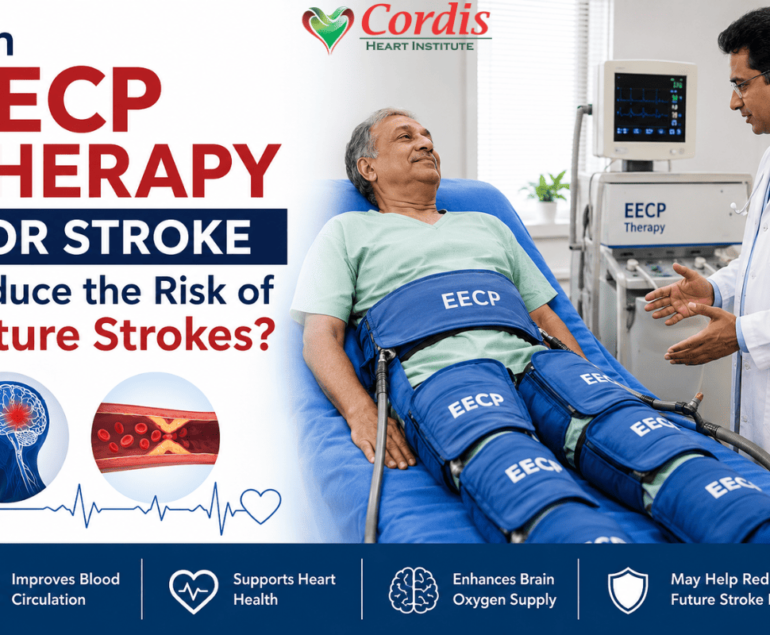
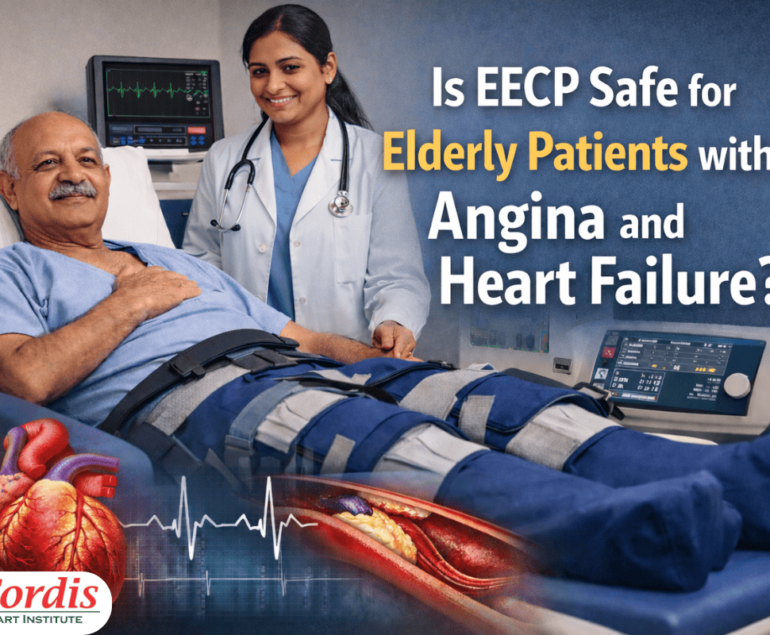
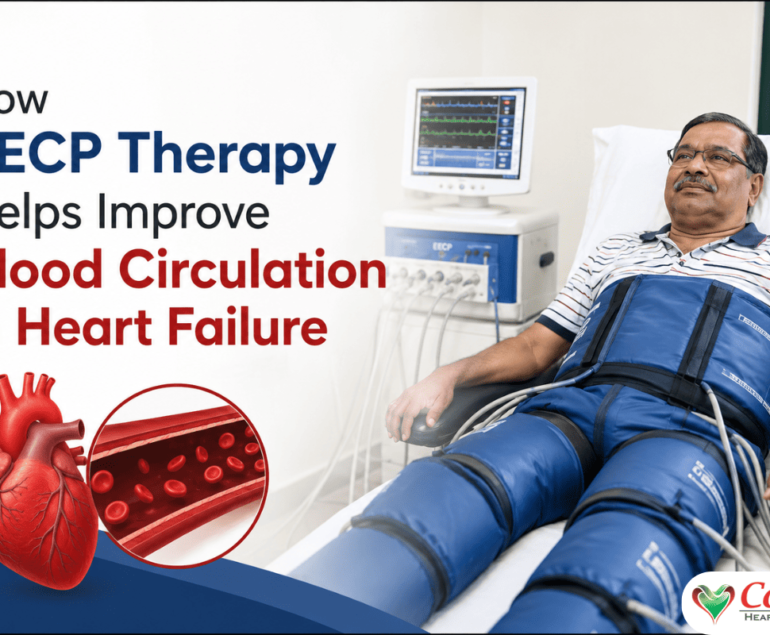
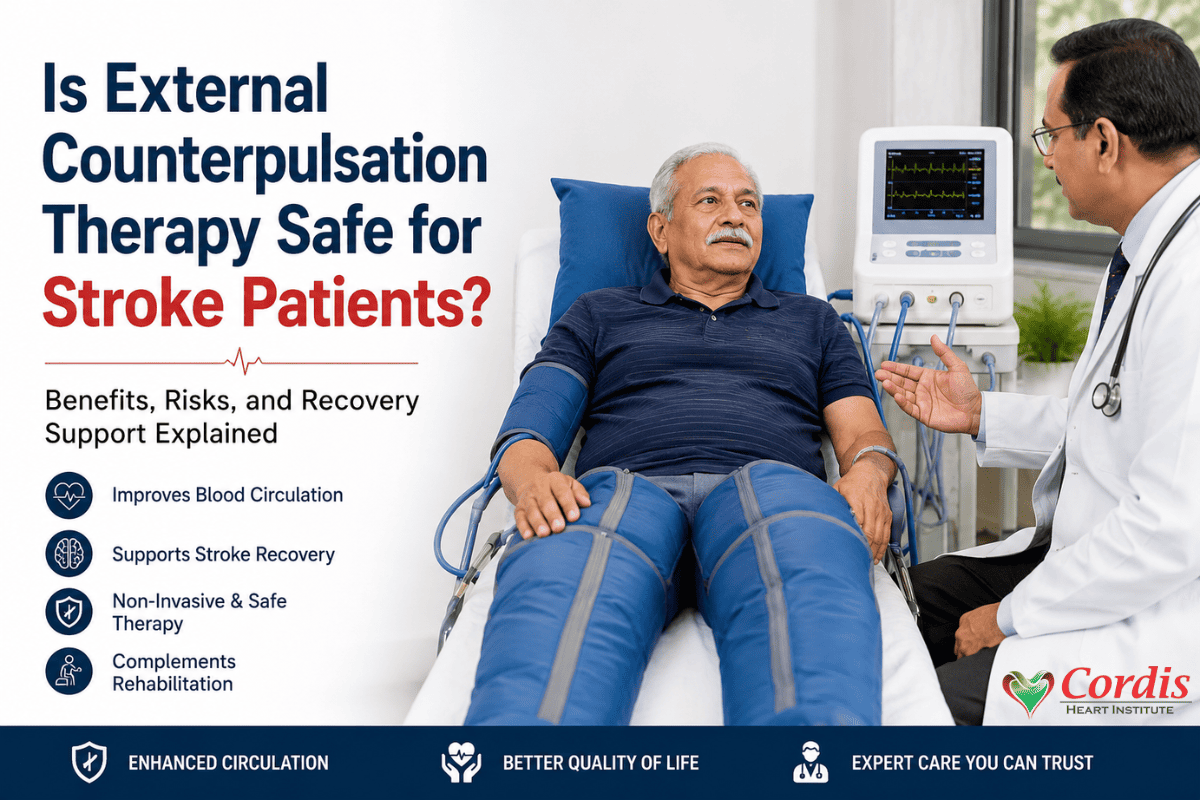
During EECP treatment, inflatable cuffs are wrapped around the calves, thighs, and lower hips. These cuffs are connected to a computerized system that synchronizes inflation and deflation with the patient’s heartbeat using an electrocardiogram (ECG).
The cuffs inflate during the relaxation phase of the heart (diastole), gently pushing blood toward the heart and upper body. Just before the next heartbeat, the cuffs rapidly deflate, reducing resistance and making it easier for the heart to pump blood.
This carefully timed process increases blood circulation without placing extra strain on the heart.
How External Counterpulsation Therapy Works
EECP uses the body’s natural circulation to improve blood flow.
The treatment works by:
- Increasing oxygen-rich blood supply to vital organs
- Supporting healthy blood vessel function
- Improving circulation in areas with reduced blood flow
- Reducing the workload on the heart
- Encouraging the development of small collateral blood vessels in some patients
These effects have made EECP a valuable treatment option for many people with cardiovascular conditions. Researchers are now investigating whether similar improvements in circulation may benefit selected stroke survivors.
How the Treatment Improves Blood Circulation
Healthy blood circulation plays a key role in delivering oxygen and nutrients to tissues throughout the body.
After a stroke, some areas of the brain may receive reduced blood flow due to damaged blood vessels or impaired circulation. While EECP cannot reverse brain damage caused by a stroke, improving overall circulation may support the body’s natural healing process.
Studies suggest that EECP may help:
- Improve vascular function
- Increase blood flow efficiency
- Enhance oxygen delivery
- Support healthy endothelial function
- Improve circulation throughout the body
Researchers continue to study these potential effects, and results may vary depending on each patient’s condition.
What Happens During an EECP Session?
Many patients are surprised by how comfortable EECP treatment feels.
A typical session involves the following steps:
- The patient lies comfortably on a treatment bed.
- ECG electrodes are attached to monitor heart rhythm.
- Blood pressure is monitored throughout the session.
- Inflatable cuffs are placed around both legs.
- The computerized system synchronizes cuff inflation with the heartbeat.
- The treatment continues for approximately one hour.
Patients remain awake during the session and can often read, watch television, or listen to music.
Most treatment plans involve 35 one-hour sessions, typically scheduled five days a week for seven weeks. The exact duration may vary depending on the patient’s medical condition and treatment goals.
Can Stroke Patients Receive External Counterpulsation Therapy?
One of the most common questions patients ask is whether EECP is suitable after experiencing a stroke.
The answer depends on several factors. Every stroke is different, and every patient’s recovery journey is unique.
Doctors consider:
- The type of stroke
- Time since the stroke occurred
- Current neurological condition
- Heart health
- Blood pressure control
- Existing medical conditions
- Current medications
- Overall physical condition
For this reason, EECP should never be started without a detailed medical assessment.
Who May Benefit from External Counterpulsation Therapy?
Although research is still evolving, some stroke survivors may benefit from EECP as part of a broader rehabilitation plan.
Potential candidates may include patients who:
- Have stable medical conditions
- Have completed emergency stroke treatment
- Continue to experience reduced exercise tolerance
- Have impaired circulation
- Also suffer from coronary artery disease
- Have chronic angina alongside previous stroke
- Need additional support during rehabilitation
The decision should always be made by an experienced physician after reviewing the patient’s complete medical history.
Stroke Recovery Goals That EECP May Support
Stroke rehabilitation focuses on helping patients regain as much independence as possible.
Depending on the individual case, EECP may support rehabilitation by helping improve:
- Physical endurance
- Walking tolerance
- Daily activity levels
- Energy levels
- Overall cardiovascular health
- Exercise capacity
It is important to understand that EECP is not a cure for stroke. Instead, it may complement established rehabilitation therapies in carefully selected patients.
Which Types of Stroke Patients May Be Considered?
Not every stroke patient is an appropriate candidate for External Counterpulsation Therapy.
Doctors generally evaluate patients with:
- Ischemic stroke recovery
- Stable cardiovascular status
- Controlled blood pressure
- No active bleeding disorders
- No severe vascular complications
Patients with recent hemorrhagic stroke or unstable medical conditions usually require additional evaluation before considering EECP.
Eligibility varies from patient to patient, making specialist consultation essential.
Why Medical Evaluation Is Necessary Before Treatment
Safety should always come first.
Before recommending EECP, physicians typically perform a complete medical assessment that may include:
- Review of medical history
- Physical examination
- Blood pressure assessment
- Heart rhythm evaluation
- Cardiac investigations if required
- Review of current medications
- Stroke history evaluation
At Cordis Heart Institute, Dr. Abhijit Aklujkar conducts a detailed assessment before recommending External Counterpulsation Therapy. This helps identify whether the treatment is appropriate and ensures that patient safety remains the highest priority.
Is External Counterpulsation Therapy Safe for Stroke Patients?
The safety of EECP for stroke patients has been the focus of several clinical studies over the years.
Current evidence suggests that External Counterpulsation Therapy may be safe for selected stroke patients when performed under proper medical supervision and after careful evaluation. However, safety depends on several factors, including the patient’s overall health, stroke history, heart condition, and the presence of any medical contraindications.
EECP is considered non-invasive, meaning it does not involve surgery, catheters, or general anesthesia. This makes it an attractive option for patients who may not be suitable candidates for invasive procedures.
However, like any medical treatment, EECP is not risk-free. Patients with uncontrolled high blood pressure, active blood clots, severe valve disease, or certain vascular conditions may not be suitable candidates.
Rather than asking whether EECP is universally safe, the better question is whether it is safe for your specific medical condition. That answer can only be determined through a detailed evaluation by an experienced physician.
What Clinical Studies Say About the Safety of EECP
Over the past two decades, researchers have explored the role of Enhanced External Counterpulsation (EECP) in improving circulation for patients with cardiovascular diseases and, more recently, for certain neurological conditions. While EECP is well-established as a treatment for chronic angina and selected cases of heart failure, research on its use after stroke is still developing.
Several studies suggest that EECP may improve blood flow, vascular function, and physical performance in carefully selected stroke patients. Some researchers have also reported improvements in walking ability, exercise tolerance, and quality of life when EECP is used alongside standard rehabilitation.
However, it’s important to understand that current evidence does not support EECP as a standalone treatment for stroke. Instead, it may be considered an additional therapy for selected patients after careful medical evaluation.
Medical organizations continue to recommend larger clinical studies to better understand its long-term effectiveness and identify which patients are most likely to benefit.
How EECP Is Performed Without Surgery
One of the reasons many patients ask about EECP is because it is completely non-invasive.
Unlike angioplasty or other interventional procedures, EECP does not involve:
- Surgery
- Needles or injections
- Catheters
- Hospital admission in most cases
- General anesthesia
Patients remain fully awake throughout the treatment. The inflatable cuffs gently compress the legs in rhythm with the heartbeat, helping improve circulation while allowing patients to relax during the session.
Because there is no surgical wound, recovery time after each session is minimal. Most people can return to their normal daily routine shortly after treatment, unless advised otherwise by their doctor.
Possible Side Effects and Risks
Although EECP is generally well tolerated, no medical treatment is entirely free of risk.
Some patients may experience mild and temporary side effects, including:
- Mild discomfort from the pressure cuffs
- Temporary skin redness
- Bruising on the legs
- Muscle soreness
- Fatigue during the first few sessions
These symptoms usually improve as the body becomes accustomed to the treatment.
Serious complications are uncommon when patients are properly screened before therapy.
The risk of complications increases if EECP is performed in patients with medical conditions that make the treatment unsuitable. This is why a thorough evaluation is essential before starting therapy.
Patients should immediately inform their healthcare provider if they experience chest pain, severe dizziness, shortness of breath, or unusual symptoms during treatment.
When EECP May Not Be Recommended
External Counterpulsation Therapy is not appropriate for every patient.
Your doctor may advise against EECP if you have:
- Uncontrolled high blood pressure
- Severe aortic valve disease
- Active deep vein thrombosis (DVT)
- Severe peripheral artery disease
- Active bleeding disorders
- Severe heart rhythm abnormalities
- Recent major surgery involving the legs
- Significant leg wounds or infections
Patients who have recently experienced a hemorrhagic stroke may also require additional evaluation before this therapy is considered.
The decision is always based on the patient’s overall health rather than the stroke alone.
Why Supervised Treatment Matters
EECP should always be performed under trained medical supervision.
Before every treatment session, healthcare professionals monitor important parameters such as:
- Heart rate
- Blood pressure
- Heart rhythm
- Patient comfort
- Overall response to treatment
Continuous monitoring allows the care team to identify any concerns early and make adjustments if necessary.
At Cordis Heart Institute, every patient undergoes a structured assessment before beginning EECP. Throughout the treatment program, experienced healthcare professionals monitor progress to help ensure both safety and comfort.
How External Counterpulsation Therapy May Help Stroke Recovery
Stroke recovery often takes months, and for some patients, even years. While physiotherapy, occupational therapy, speech therapy, and medications remain the foundation of rehabilitation, supportive treatments such as EECP may provide additional benefits for selected individuals.
The primary goal of EECP is not to replace rehabilitation but to improve circulation, which may support the body’s natural healing process.
Supporting Blood Flow to the Brain
The brain depends on a constant supply of oxygen-rich blood to function properly.
EECP increases blood flow during the heart’s relaxation phase, which may improve circulation throughout the body. Researchers believe this improved circulation could help support blood vessel function and oxygen delivery.
Although EECP cannot repair damaged brain tissue, better circulation may contribute to improved overall vascular health in suitable patients.
Further research is ongoing to better understand these effects.
Improving Physical Endurance
Many stroke survivors notice that they become tired more quickly than before their stroke.
Reduced endurance can make everyday activities such as walking, climbing stairs, or shopping more challenging.
By improving cardiovascular efficiency and circulation, EECP may help some patients gradually increase their physical endurance. Better stamina may allow patients to participate more actively in rehabilitation exercises and daily routines.
Helping Reduce Fatigue
Post-stroke fatigue is one of the most common challenges during recovery.
While fatigue has many causes, improved circulation may help some patients feel more energetic over time.
Patients who respond well to EECP sometimes report:
- Better exercise tolerance
- Less tiredness during daily activities
- Improved confidence in movement
- Increased participation in rehabilitation programs
Results vary from person to person, and expectations should always remain realistic.
Supporting Rehabilitation Alongside Physiotherapy
EECP should not replace physiotherapy or occupational therapy.
Instead, many specialists consider it a complementary treatment that may work alongside traditional rehabilitation.
A complete rehabilitation program may include:
- Physiotherapy
- Occupational therapy
- Speech therapy
- Lifestyle modification
- Medication management
- Nutritional counselling
- EECP, where medically appropriate
Combining therapies allows healthcare providers to address different aspects of recovery while focusing on the patient’s individual goals.
Improving Quality of Life for Some Patients
Recovery after stroke is about more than physical strength.
Many patients want to return to activities they enjoy, spend time with family, and regain confidence in their daily lives.
When used in carefully selected patients, EECP may contribute to improvements in:
- Walking distance
- Daily activity levels
- Exercise capacity
- Physical independence
- Overall well-being
These improvements may not occur in every patient, but even small gains can make a meaningful difference during long-term recovery.
Benefits of External Counterpulsation Therapy for Stroke Patients
While research continues, EECP offers several practical advantages that make it an appealing option for selected patients.
Completely Non-Invasive Treatment
One of the biggest advantages of EECP is that it does not require surgery.
There are:
- No incisions
- No stitches
- No implanted devices
- No recovery from surgery
This makes the treatment suitable for many patients who prefer non-invasive options or are not candidates for surgical procedures.
No Hospital Admission Required
Most EECP sessions are performed on an outpatient basis.
Patients typically visit the treatment center, complete their session, and return home the same day.
This allows them to continue their normal routine while receiving treatment.
No General Anesthesia
General anesthesia carries its own risks, especially for older adults and patients with multiple medical conditions.
Since EECP is performed while the patient is awake, these anesthesia-related risks are avoided.
Patients can communicate with the healthcare team throughout each session, making the treatment both safe and reassuring.
Comfortable Treatment Sessions
Many first-time patients expect the pressure cuffs to be uncomfortable.
In reality, most people adapt to the rhythmic inflation and deflation after the first few sessions.
Patients often spend the treatment hour:
- Reading a book
- Listening to music
- Watching television
- Relaxing
Comfort is monitored throughout the session, and the treatment can be adjusted if necessary.
May Improve Daily Functional Capacity
One of the main goals of stroke rehabilitation is helping patients perform everyday activities more independently.
By supporting circulation and cardiovascular health, EECP may help some patients improve their ability to:
- Walk longer distances
- Perform household tasks
- Participate in rehabilitation exercises
- Maintain an active lifestyle
These functional improvements can positively affect confidence and overall quality of life when combined with a structured rehabilitation program.
Who Should Avoid External Counterpulsation Therapy?
Although EECP has a good safety profile for appropriately selected patients, it is not recommended for everyone.
Your doctor may advise against treatment if you have certain medical conditions that increase the risk of complications.
These may include:
Uncontrolled High Blood Pressure
Very high blood pressure should be stabilized before considering EECP, as uncontrolled hypertension can increase treatment risks.
Severe Peripheral Artery Disease
Patients with advanced blockage in the arteries of the legs may not tolerate the repeated cuff compression safely.
Deep Vein Thrombosis (DVT)
EECP should not be performed in patients with an active blood clot in the legs because compression could increase the risk of complications.
Severe Aortic Valve Disease
Patients with severe aortic valve disorders require careful cardiac evaluation before considering EECP.
Certain Bleeding Disorders
Individuals with active bleeding conditions or those at high risk of bleeding may not be suitable candidates until the underlying issue has been addressed.
The safest approach is always a detailed medical assessment before treatment begins.
What to Expect Before, During, and After EECP Treatment
If your doctor recommends External Counterpulsation Therapy, understanding the treatment process can help you feel more comfortable and prepared.
Initial Medical Consultation
Your journey begins with a detailed consultation. The doctor will review your:
- Medical history
- Stroke history
- Heart condition
- Current symptoms
- Medications
- Lifestyle habits
The purpose of this evaluation is to determine whether EECP is appropriate for your individual condition.
At Cordis Heart Institute, Dr. Abhijit Aklujkar takes the time to understand each patient’s health profile before recommending any treatment plan.
Physical Examination
A physical examination helps assess your overall health and identify any conditions that may affect the safety or effectiveness of EECP.
The doctor may check:
- Blood pressure
- Heart rate
- Peripheral pulses
- Leg health
- Mobility
- Signs of vascular disease
Recommended Diagnostic Tests
Depending on your medical condition, your doctor may recommend investigations such as:
- Electrocardiogram (ECG)
- Echocardiography
- Blood tests
- Vascular assessment
- Cardiac evaluation
- Brain imaging reports (if available)
These reports provide a clearer picture of your cardiovascular and neurological health before treatment begins.
Typical Treatment Schedule
A standard EECP program usually consists of:
- One-hour sessions
- Five days per week
- Approximately seven weeks
- Around 35 treatment sessions
Your doctor may modify this schedule depending on your progress and overall condition.
Consistency is important, as regular sessions are generally recommended to achieve the best possible results.
Follow-Up Care
Treatment does not end after the final EECP session.
Your healthcare team may recommend:
- Follow-up consultations
- Blood pressure monitoring
- Ongoing rehabilitation exercises
- Heart-healthy nutrition
- Medication adherence
- Regular physical activity as advised
These lifestyle measures continue to play an important role in long-term recovery.
External Counterpulsation Therapy vs Traditional Stroke Rehabilitation
Many patients wonder whether EECP can replace conventional stroke rehabilitation.
The simple answer is no.
Stroke rehabilitation involves multiple therapies, each designed to improve a different aspect of recovery. EECP may complement these therapies but should not replace them.
EECP vs Physiotherapy
Physiotherapy focuses on restoring:
- Strength
- Balance
- Walking ability
- Coordination
- Mobility
EECP, on the other hand, focuses on improving circulation and cardiovascular function.
These treatments serve different purposes and may work well together when recommended by your healthcare team.
EECP vs Medication Alone
Medications remain essential after a stroke.
They help reduce the risk of another stroke by managing conditions such as:
- High blood pressure
- High cholesterol
- Diabetes
- Blood clotting disorders
EECP does not replace prescribed medications. Instead, it may be considered as an additional therapy for selected patients.
Never stop or change your medications without consulting your doctor.
Can EECP Be Combined With Rehabilitation Programs?
Yes. In many cases, EECP may be incorporated into a broader rehabilitation plan that includes:
- Physiotherapy
- Occupational therapy
- Speech therapy
- Nutritional counselling
- Lifestyle modification
- Cardiac rehabilitation
A coordinated approach allows different treatments to support the patient’s recovery goals.
Who Is a Good Candidate for External Counterpulsation Therapy?
Not every stroke survivor will benefit from EECP. Careful patient selection is one of the most important factors in achieving safe and effective outcomes.
Eligibility Criteria
A patient may be considered for EECP if they:
- Have a stable medical condition
- Have completed emergency stroke treatment
- Do not have major contraindications
- Are able to attend regular treatment sessions
- Can participate in a rehabilitation program
Eligibility is determined after a complete medical evaluation rather than age alone.
Factors Doctors Consider
Before recommending EECP, doctors assess several factors, including:
- Type of stroke
- Time since the stroke occurred
- Heart function
- Blood pressure control
- Circulation
- Existing medical conditions
- Current medications
- Overall fitness
This comprehensive assessment helps identify patients who are most likely to benefit while minimizing potential risks.
Importance of Individual Assessment
No two stroke patients have the same recovery journey.
At Cordis Heart Institute, Dr. Abhijit Aklujkar evaluates every patient based on their medical history, stroke severity, heart condition, current symptoms, and overall health before recommending External Counterpulsation Therapy.
This personalized approach ensures that treatment decisions are based on clinical evidence and the patient’s individual needs.
Why Choose Cordis Heart Institute for External Counterpulsation Therapy?
Choosing the right healthcare provider is just as important as choosing the right treatment.
Experienced Cardiac Care Team
The experienced team at Cordis Heart Institute provides evidence-based care for patients with cardiovascular conditions and supports stroke survivors through personalized treatment planning.
Personalized Patient Evaluation
Every patient is different.
Rather than following a standard protocol, the medical team develops an individualized treatment plan based on clinical findings, overall health, and recovery goals.
Advanced Non-Invasive Treatment Facilities
The institute offers modern facilities for non-invasive therapies, including EECP, while maintaining a strong focus on patient safety, comfort, and quality care.
Patient-Centered Care
From the initial consultation to follow-up appointments, patients receive ongoing guidance throughout their treatment journey.
The goal is not only to improve circulation but also to help patients regain confidence and achieve the best possible quality of life.
Frequently Asked Questions (FAQs)
Is External Counterpulsation Therapy safe after a stroke?
EECP may be safe for selected stroke patients when recommended by a qualified doctor after a detailed medical evaluation. It is not suitable for everyone.
How soon after a stroke can EECP therapy begin?
The timing varies depending on the type of stroke, overall recovery, and medical stability. Your treating physician will determine the appropriate time to start therapy.
Does EECP improve blood circulation to the brain?
EECP is designed to improve overall blood circulation. Some studies suggest it may support blood flow and vascular function, but more research is needed to confirm its effects specifically on the brain.
Is External Counterpulsation Therapy painful?
Most patients do not find EECP painful. You may feel firm pressure from the cuffs during treatment, but this is generally well tolerated.
How many EECP sessions are usually required?
A typical course includes approximately 35 one-hour sessions over seven weeks. The exact schedule may vary based on your doctor’s recommendations.
Can EECP replace physiotherapy after stroke?
No. EECP is considered a supportive therapy and should not replace physiotherapy, occupational therapy, speech therapy, or prescribed medications.
Who should not receive External Counterpulsation Therapy?
Patients with active deep vein thrombosis, severe aortic valve disease, uncontrolled hypertension, certain bleeding disorders, or other contraindications may not be suitable candidates.
Are there any side effects of EECP therapy?
Some patients may experience temporary skin redness, mild bruising, muscle soreness, or discomfort from the pressure cuffs. Serious complications are uncommon when appropriate screening is performed.
Is EECP covered by insurance?
Insurance coverage varies depending on the insurer, policy terms, and medical indication. It’s best to check with your insurance provider and the hospital before starting treatment.
Where can I receive External Counterpulsation Therapy?
You can consult Dr. Abhijit Aklujkar at Cordis Heart Institute to determine whether EECP is appropriate for your condition and discuss your treatment options.
Conclusion
Recovering from a stroke is a gradual process that often requires a combination of medical care, rehabilitation, lifestyle changes, and ongoing support. While External Counterpulsation Therapy (EECP) is not a cure for stroke, it may offer additional benefits for carefully selected patients by supporting blood circulation and cardiovascular health.
Current evidence suggests that EECP can be a safe, non-invasive treatment option when performed under medical supervision and after a thorough clinical evaluation. The key is selecting the right patients and integrating EECP into a broader rehabilitation plan rather than using it as a replacement for standard stroke care.
If you or a loved one is considering External Counterpulsation Therapy after a stroke, speak with an experienced specialist who can assess your individual medical condition and recommend the most appropriate treatment approach.
Book a Consultation at Cordis Heart Institute
If you’re looking for expert guidance on External Counterpulsation Therapy for stroke recovery, schedule a consultation with Dr. Abhijit Aklujkar at Cordis Heart Institute.
A detailed medical evaluation can help determine whether EECP is suitable for your condition and how it can fit into your overall rehabilitation plan. With personalized care, advanced non-invasive treatment options, and a patient-first approach, the team at Cordis Heart Institute is committed to supporting your recovery journey.