A stroke can change life in an instant. Many stroke survivors face challenges such as weakness, difficulty speaking, memory problems, and reduced mobility. While conventional rehabilitation remains the foundation of recovery, many patients and families continue searching for additional therapies that may support healing and improve quality of life.
EECP, or Enhanced External Counterpulsation, is widely known for helping improve circulation in patients with heart-related conditions. In recent years, researchers and healthcare professionals have also explored its potential role in supporting blood flow to the brain, particularly in patients recovering from stroke.
At Cordis Heart Institute, Dr Abhijit Aklujkar evaluates patients seeking non-invasive options that may complement their recovery journey. Understanding how EECP works and what current evidence suggests can help patients make informed decisions about their treatment options.
What Is EECP Therapy?
Understanding Enhanced External Counterpulsation (EECP)
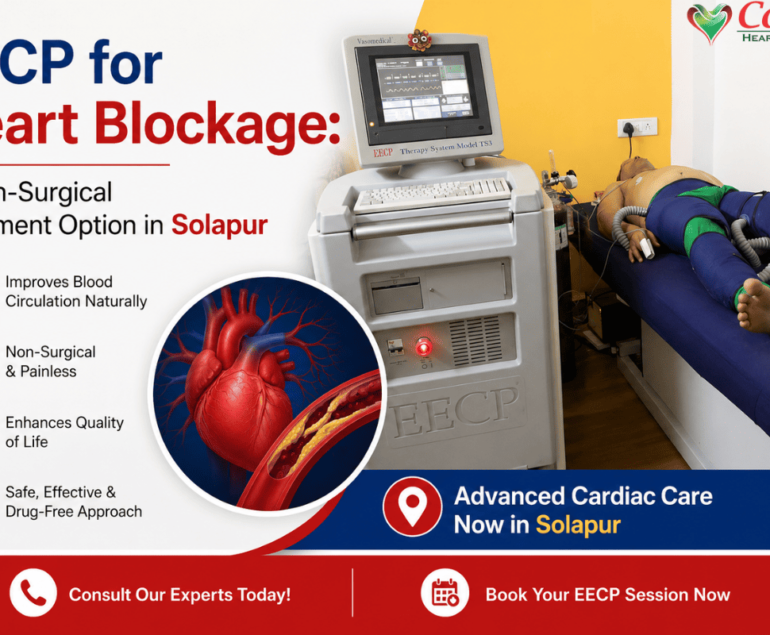
Enhanced External Counterpulsation, commonly called EECP, is a non-invasive treatment designed to improve blood circulation throughout the body.
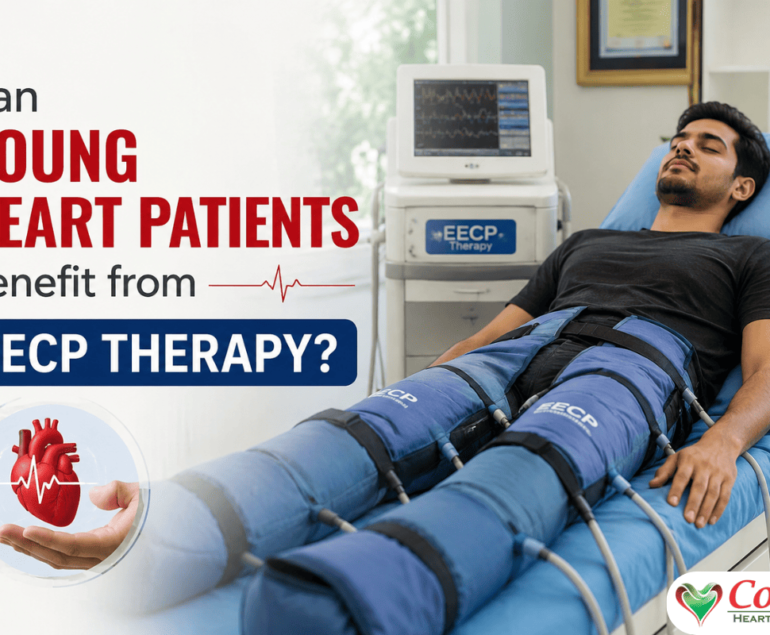
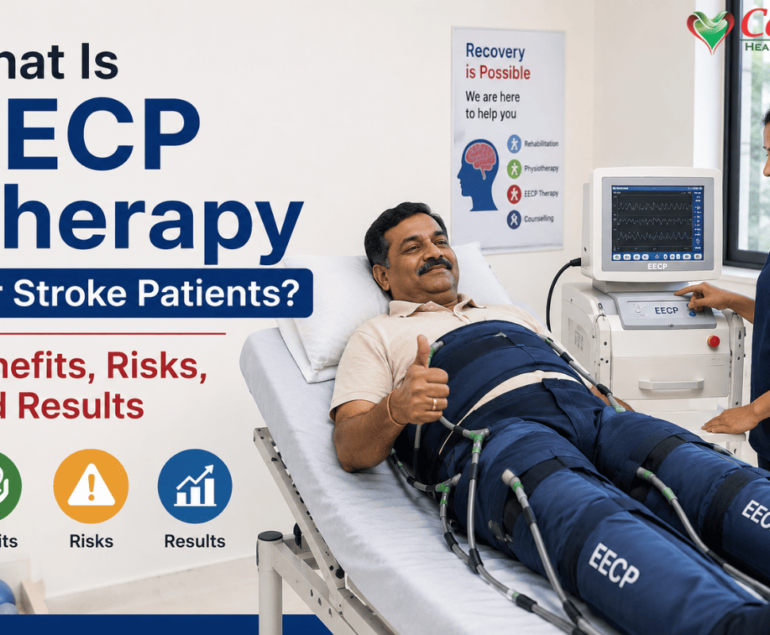
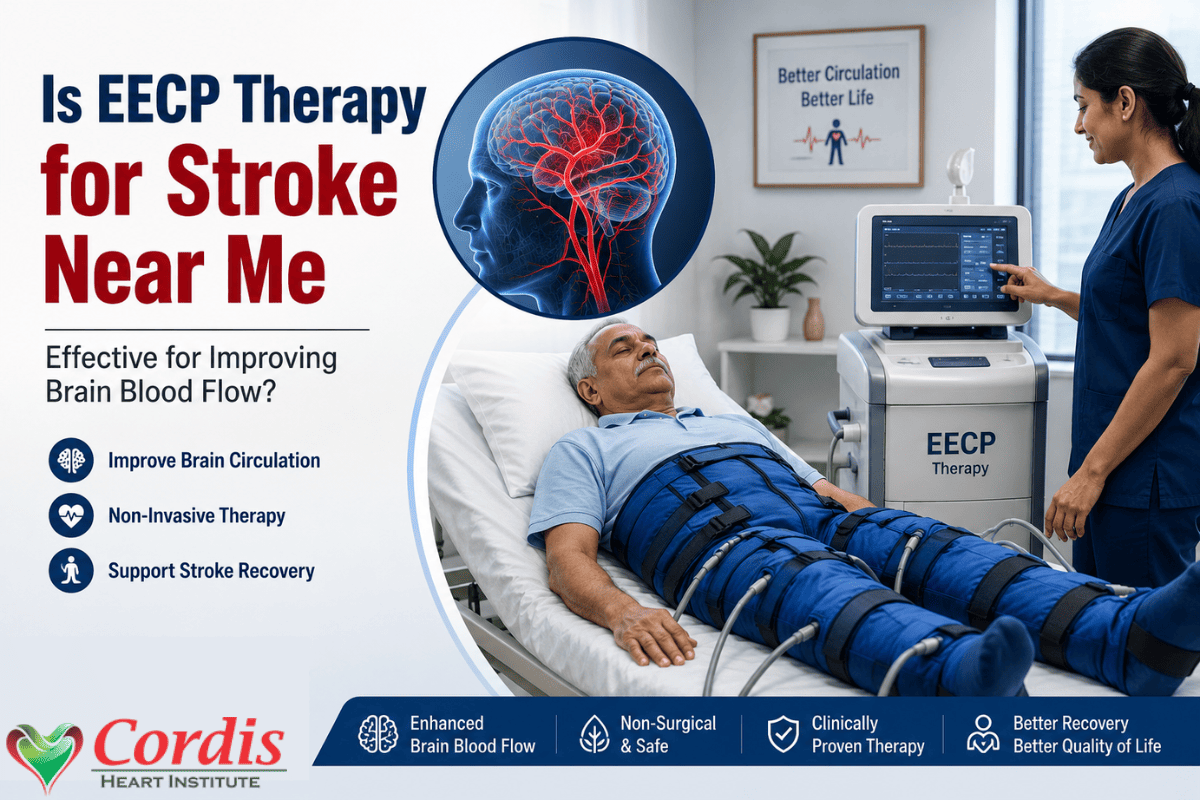
During treatment, inflatable cuffs are wrapped around the calves, thighs, and buttocks. These cuffs inflate and deflate in sync with the patient’s heartbeat. The timing is controlled through ECG monitoring, ensuring that blood flow is enhanced during each cardiac cycle.
Unlike surgery or invasive procedures, EECP does not require incisions, anesthesia, or hospitalization.
How EECP Improves Blood Circulation
The primary goal of EECP therapy is to improve circulation by increasing blood return to the heart and supporting the development of natural collateral blood vessels.
Potential benefits include:
- Improved oxygen-rich blood flow
- Better vascular function
- Increased circulation to various organs
- Enhanced endothelial health
- Support for overall cardiovascular performance
When blood circulation improves throughout the body, organs such as the brain may also benefit from better oxygen and nutrient delivery.
Why EECP Is Different from Surgical Treatments
Many patients prefer EECP because it is:
- Non-invasive
- Comfortable
- Performed on an outpatient basis
- Free from surgical risks
- Associated with minimal recovery time
Patients can typically return to their normal daily routine immediately after treatment sessions.
Can Poor Brain Blood Flow Affect Stroke Recovery?
Understanding Stroke and Brain Damage
A stroke occurs when blood flow to part of the brain is interrupted.
The two primary types of stroke include:
Ischemic Stroke
- Caused by blockage of a blood vessel
- Represents the majority of stroke cases
Hemorrhagic Stroke
- Caused by bleeding within the brain
- Requires different medical management
When blood flow decreases, brain cells receive less oxygen and nutrients. This can lead to damage affecting movement, speech, memory, and cognitive function.
The Role of Blood Supply in Brain Healing
The brain depends heavily on a continuous blood supply.
Adequate circulation helps:
- Deliver oxygen to brain tissue
- Transport essential nutrients
- Remove metabolic waste products
- Support cellular repair mechanisms
- Promote neuroplasticity
Neuroplasticity refers to the brain’s ability to reorganize and create new neural connections after injury.
Common Symptoms Linked to Reduced Brain Blood Flow
Reduced circulation may contribute to symptoms such as:
- Weakness in arms or legs
- Difficulty speaking
- Poor concentration
- Memory issues
- Dizziness
- Fatigue
- Impaired balance
Supporting healthy blood flow remains an important part of long-term stroke recovery.
How EECP Therapy May Help Improve Brain Blood Flow After Stroke
The Science Behind EECP and Cerebral Circulation
Researchers believe EECP may influence circulation beyond the heart.
During treatment, the rhythmic inflation and deflation of cuffs creates increased blood flow and pressure changes within blood vessels. These effects may help improve vascular function and stimulate the release of substances that support healthy blood vessel activity.
Some studies suggest that EECP may increase cerebral perfusion, which refers to blood flow reaching the brain.
How Increased Blood Flow Supports Stroke Rehabilitation
Improved circulation may offer several theoretical advantages:
- Better oxygen delivery to recovering brain tissue
- Enhanced nutrient supply
- Support for rehabilitation exercises
- Improved energy levels
- Better tissue healing environment
While EECP is not considered a cure for stroke, it may serve as an additional supportive therapy for selected patients.
Research and Clinical Findings on EECP for Stroke Patients
Several studies have explored the relationship between EECP and neurological recovery.
Research has reported potential improvements in:
- Cerebral blood flow
- Cognitive function
- Physical endurance
- Neurological recovery markers
However, it is important to note that research is still evolving. More large-scale studies are needed to determine exactly which stroke patients benefit most from EECP therapy.
Patients should always consult a qualified healthcare professional before beginning treatment.
Benefits of EECP Therapy for Stroke Recovery
Improved Brain Oxygen Supply
One of the main goals of EECP therapy for brain blood flow is improving oxygen delivery to tissues.
Better oxygen availability may support brain function and rehabilitation efforts.
Better Circulation Throughout the Body
Stroke recovery is not only about the brain.
Many stroke survivors also have underlying cardiovascular conditions such as:
- High blood pressure
- Coronary artery disease
- Diabetes
- Peripheral vascular disease
Improving overall circulation may contribute to better cardiovascular health.
Support for Physical Rehabilitation Programs
Physical therapy remains essential after stroke.
When circulation improves, patients may experience greater comfort and stamina during rehabilitation exercises.
Non-Invasive and Comfortable Treatment
Many patients appreciate that EECP does not involve:
- Surgery
- Hospital admission
- Recovery from invasive procedures
Treatment sessions are generally comfortable and supervised by trained professionals.
Potential Improvement in Daily Activities and Quality of Life
Every patient’s recovery journey is different.
Some individuals report improvements in:
- Energy levels
- Walking capacity
- Physical endurance
- Daily functioning
These improvements can contribute to a better quality of life.
Who May Be a Good Candidate for EECP Therapy After Stroke?
Stroke Survivors with Circulation-Related Challenges
Patients who continue experiencing symptoms related to poor circulation may benefit from a medical evaluation.
Patients Looking for Non-Surgical Rehabilitation Support
EECP may appeal to individuals seeking additional support without undergoing invasive procedures.
Individuals Seeking Additional Recovery Options
EECP is often considered alongside traditional rehabilitation rather than replacing it.
Importance of Medical Evaluation Before Starting EECP
Not every stroke survivor is an ideal candidate for EECP therapy.
At Cordis Heart Institute, Dr Abhijit Aklujkar performs a detailed assessment that may include:
- Medical history review
- Cardiovascular evaluation
- Stroke history analysis
- Current medications review
- Treatment suitability assessment
A personalized approach helps determine whether EECP may be appropriate.
What to Expect During EECP Therapy Sessions
Step-by-Step Treatment Process
A typical session involves:
- Placement of inflatable cuffs on the legs
- ECG monitoring setup
- Controlled inflation and deflation cycles
- Continuous monitoring by trained staff
Duration and Number of Sessions
Most EECP programs involve approximately:
- 35 sessions
- One hour per session
- Five to six days per week
The exact schedule varies depending on individual needs.
Comfort and Safety During Treatment
Patients remain awake throughout the procedure and can often:
- Read
- Listen to music
- Watch television
- Relax comfortably
Monitoring Progress Throughout Therapy
Healthcare providers regularly monitor:
- Symptoms
- Circulation status
- Overall response to treatment
Is EECP Therapy Safe for Stroke Patients?
Safety Profile of EECP Treatment
EECP has been used for many years in cardiovascular care and generally has a favorable safety profile when performed under proper medical supervision.
Potential Side Effects and Precautions
Some patients may experience:
- Mild skin irritation
- Temporary leg discomfort
- Muscle soreness
These effects are usually manageable and temporary.
Conditions That May Require Special Evaluation
Additional evaluation may be necessary for patients with:
- Severe valve disease
- Certain heart rhythm disorders
- Deep vein thrombosis
- Uncontrolled hypertension
Why Expert Supervision Matters
Proper screening and monitoring help maximize safety and treatment effectiveness.
EECP Therapy vs Traditional Stroke Rehabilitation
Physical Therapy and Rehabilitation Programs
Physical therapy remains a cornerstone of stroke recovery.
Medication-Based Management
Many patients require medications to manage:
- Blood pressure
- Cholesterol
- Blood clot risk
- Diabetes
How EECP Can Complement Existing Recovery Plans
EECP is generally viewed as a supportive therapy rather than a replacement for established treatments.
Combined Approach for Better Outcomes
Many specialists believe the best results often come from combining:
- Medical management
- Physical rehabilitation
- Lifestyle changes
- Nutritional support
- Appropriate circulation-enhancing therapies
Why Choose Cordis Heart Institute for EECP Therapy?
Advanced EECP Treatment Facilities
Cordis Heart Institute provides modern EECP treatment services in a patient-focused environment.
Experienced Care Under Dr Abhijit Aklujkar
Dr Abhijit Aklujkar has extensive experience in cardiovascular care and patient evaluation.
Patient-Centered Treatment Approach
Each patient receives an individualized assessment based on their health status and recovery goals.
Focus on Long-Term Circulation and Recovery Support
The team focuses on helping patients improve circulation, maintain heart health, and support overall well-being.
Frequently Asked Questions About EECP Therapy for Stroke Near Me
Can EECP therapy improve blood flow to the brain after a stroke?
Research suggests EECP may help improve cerebral circulation in some patients, though individual results vary.
Is EECP therapy approved for stroke recovery?
EECP is primarily approved for certain cardiovascular conditions. Its use in stroke recovery should be discussed with a qualified healthcare provider.
How long does it take to see results from EECP therapy?
Some patients notice changes within a few weeks, while others may require completion of the full treatment program.
Is EECP therapy painful?
Most patients find the treatment comfortable and well tolerated.
Can elderly stroke patients undergo EECP treatment?
Many elderly patients can receive EECP therapy after proper medical evaluation.
How many EECP sessions are usually required?
A standard course often includes approximately 35 sessions.
Are there any risks associated with EECP therapy?
Like any medical treatment, EECP carries some risks, but serious complications are uncommon when appropriate screening is performed.
Where can I find EECP therapy for stroke near me?
Patients interested in learning more about EECP therapy can schedule a consultation at Cordis Heart Institute for a personalized assessment.
Could EECP Therapy Be the Right Stroke Recovery Support for You?
Recovering from a stroke is often a long process that requires patience, rehabilitation, and ongoing medical care. While traditional therapies remain the foundation of stroke recovery, additional approaches that support healthy circulation are receiving increasing attention.
EECP therapy offers a non-invasive option that may help improve blood flow throughout the body and potentially support cerebral circulation. Although research continues to evolve, many patients and healthcare professionals are interested in its role as a complementary treatment for stroke rehabilitation.
The most important step is receiving a thorough medical evaluation to determine whether EECP is appropriate for your specific condition.
If you are searching for EECP Therapy for Stroke Near Me, schedule a consultation with Dr Abhijit Aklujkar at Cordis Heart Institute. Our team can help you understand your treatment options and create a personalized plan that supports your recovery goals.
Take the next step toward better circulation and stroke recovery. Contact Cordis Heart Institute today to learn more about EECP therapy and whether it may be right for you.