Heart problems in older age often come with a tough question: Is surgery the only option? Many elderly patients diagnosed with angina or heart failure worry about undergoing invasive procedures like bypass surgery or angioplasty due to higher risks, longer recovery, and existing health conditions.
This is where Enhanced External Counterpulsation (EECP) comes into the picture.
So, is EECP safe for elderly patients with angina and heart failure?
The short answer: Yes, for many patients, it is a safe and effective non-surgical treatment.
At Cordis Heart Institute, under the guidance of Dr Abhijit Aklujkar, EECP has helped many elderly patients manage heart conditions without surgery. In this article, you’ll understand how EECP works, its safety profile, benefits, risks, and whether it’s the right choice.
What is EECP Treatment?
EECP (Enhanced External Counterpulsation) is a non-invasive heart treatment designed to improve blood flow to the heart.
How EECP Works
During the procedure:
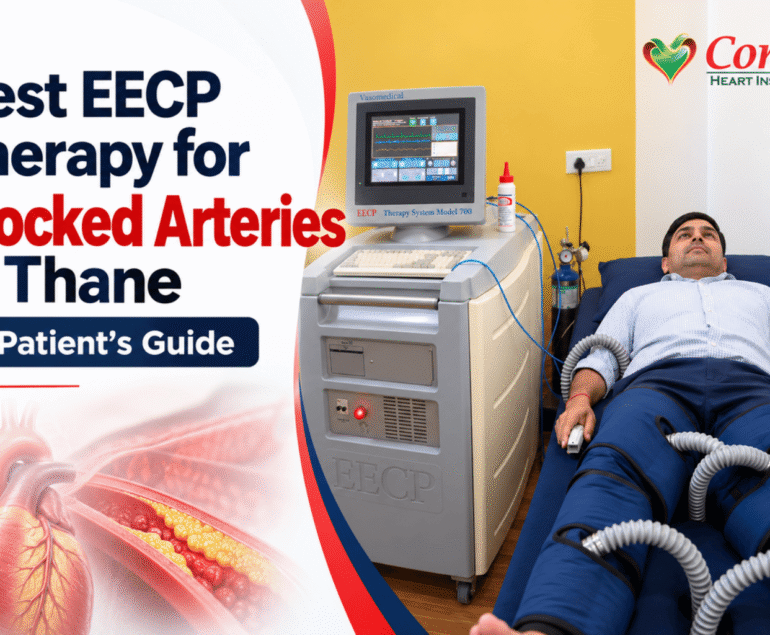
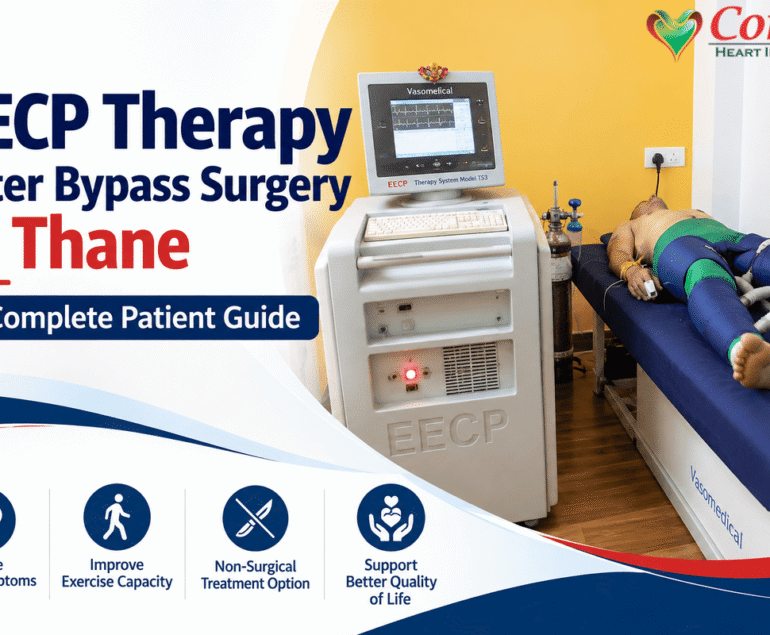
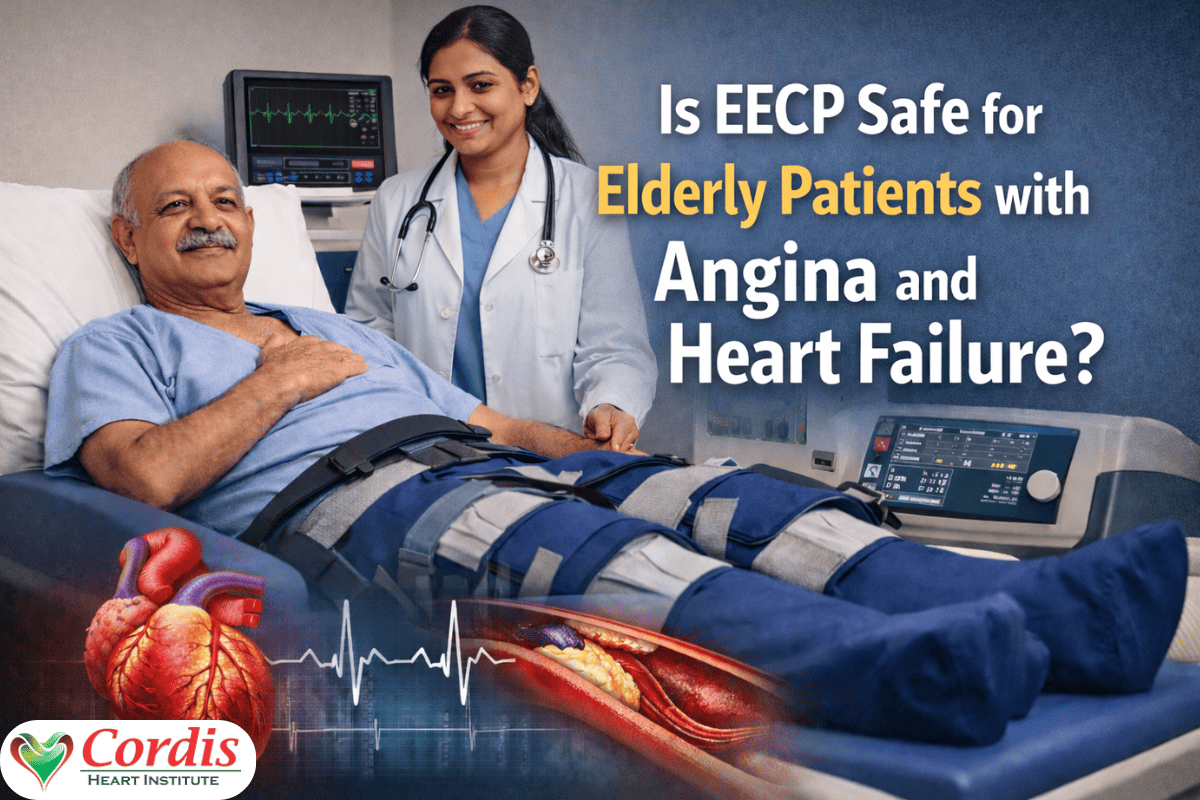
- Cuffs are wrapped around the patient’s legs
- These cuffs inflate and deflate in sync with the heartbeat
- This improves blood circulation and oxygen supply to the heart
Over time, EECP helps develop natural bypasses (collateral circulation), allowing blood to reach blocked arteries.
Why EECP is a Non-Surgical Alternative
- No surgery or incisions
- No anesthesia required
- Completely outpatient procedure
- Minimal recovery time
This makes it especially suitable for elderly patients who may not tolerate surgery well.
Understanding Angina and Heart Failure in Elderly Patients
What is Angina?
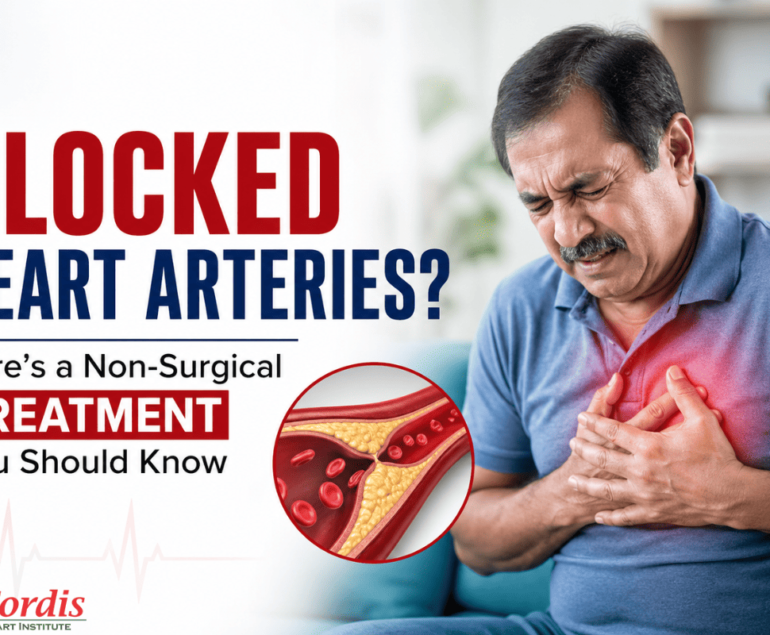
Angina is chest pain caused by reduced blood flow to the heart. It often feels like:
- Pressure or tightness in the chest
- Pain spreading to arms, neck, or jaw
What is Heart Failure?
Heart failure doesn’t mean the heart stops working. It means:
- The heart cannot pump blood efficiently
- The body doesn’t get enough oxygen-rich blood
Why Elderly Patients Need Safer Treatment Options
Older adults often:
- Have multiple health conditions (diabetes, BP, kidney issues)
- Face higher surgical risks
- Need treatments with low recovery time
That’s why non-invasive options like EECP are gaining attention.
Is EECP Safe for Elderly Patients?
This is the most important concern—and rightly so.
Clinical Evidence Supporting EECP Safety
Several studies have shown that EECP:
- Improves symptoms of angina
- Enhances exercise tolerance
- Reduces hospital visits
For elderly patients, this means better quality of life without major procedures.
Safety Profile of EECP Therapy
EECP is widely considered:
- Low-risk
- Non-invasive
- Well-tolerated by seniors
Unlike surgery, it does not involve:
- Cutting the body
- General anesthesia
- Long hospital stays
Expert Evaluation Matters
At Cordis Heart Institute, Dr Abhijit Aklujkar carefully evaluates each patient before recommending EECP. Factors considered include:
- Age and overall health
- Severity of heart condition
- Existing medical issues
This personalized approach ensures safety and effectiveness.
Benefits of EECP for Elderly Patients
- Relief from Angina Symptoms
Patients often experience:
- Fewer chest pain episodes
- Reduced dependency on medication
- Improved Blood Circulation
EECP encourages the formation of new blood vessels, improving heart function naturally.
- Better Quality of Life
After completing EECP therapy, many elderly patients report:
- Increased energy levels
- Better mobility
- Improved daily functioning
- Reduced Need for Surgery
In some cases, EECP can:
- Delay surgery
- Avoid repeat angioplasty
- Offer relief when surgery is not possible
Who is the Ideal Candidate for EECP?
Suitable Patients
EECP is often recommended for:
- Chronic angina patients
- Heart failure patients
- Patients not fit for bypass surgery
- Those with recurring blockages
Who Should Avoid EECP?
EECP may not be suitable for patients with:
- Severe valve disease
- Uncontrolled high blood pressure
- Deep vein thrombosis
- Certain arrhythmias
A proper medical evaluation is essential before starting treatment.
EECP Procedure: What to Expect
Duration and Sessions
- Typically 35 sessions
- Each session lasts about 1 hour
- Conducted over 5–7 weeks
What Happens During Treatment
- Patient lies comfortably on a bed
- Cuffs inflate and deflate rhythmically
- No pain involved
Recovery and Aftercare
- No hospitalization required
- Patients can resume normal activities immediately
- Gradual improvement over weeks
Risks and Side Effects of EECP
Common Mild Side Effects
- Slight leg discomfort
- Skin irritation from cuffs
These are temporary and manageable.
Rare Risks
Serious complications are rare when treatment is done under medical supervision.
How Cordis Heart Institute Ensures Safety
- Detailed pre-treatment screening
- Continuous monitoring during sessions
- Personalized treatment plans
EECP vs Surgery: Which is Better for Elderly Patients?
Factor | EECP | Bypass Surgery |
Invasiveness | Non-invasive | Highly invasive |
Risk Level | Low | High |
Recovery Time | Immediate | Weeks to months |
Hospital Stay | Not required | Required |
When EECP is a Better Option
- High-risk surgical patients
- Elderly individuals with multiple conditions
- Patients seeking non-surgical treatment
Real Patient Outcomes and Success Stories
At Cordis Heart Institute, many elderly patients have:
- Experienced reduced angina symptoms
- Improved heart function
- Regained independence in daily life
Under Dr Abhijit Aklujkar, EECP has been used as a reliable alternative for patients who were not candidates for surgery.
FAQs: EECP for Elderly Patients
Is EECP safe for senior citizens above 70?
Yes, EECP is generally safe for patients above 70 when evaluated properly by a doctor.
Can EECP replace bypass surgery?
In some cases, yes. Especially when surgery is risky or not feasible.
How long do EECP results last?
Results can last for years, especially with lifestyle changes.
Is EECP painful?
No, the procedure is painless and comfortable.
What is the success rate of EECP?
Many patients report significant improvement in symptoms and quality of life.
Are there side effects in older adults?
Mostly mild and temporary, such as leg discomfort.
How soon can results be seen?
Some patients feel better within a few sessions, while full benefits appear after completing treatment.
Conclusion
So, is EECP safe for elderly patients with angina and heart failure?
For many patients, the answer is yes.
EECP offers a non-surgical, low-risk option that improves heart function, reduces symptoms, and helps elderly patients live more comfortably. While it may not replace surgery in every case, it provides a strong alternative—especially for those who cannot undergo invasive procedures.
With proper evaluation and expert supervision, EECP can be a life-changing treatment.
If you or a loved one is struggling with angina or heart failure and looking for a non-surgical option, it may be time to consider EECP.
Consult the experts at Cordis Heart Institute
Get personalized guidance from Dr Abhijit Aklujkar and find out if EECP is right for you.