Are you thinking about having EECP therapy for your heart problem? You may be wondering if EECP therapy is completely safe. Well, the short answer is yes – if proper precautions are taken with regard to your treatment. Although EECP has been shown to improve blood flow and relieve the symptoms of angina (chest pain), neglecting basic safety precautions could cause an individual not to get the full benefit of EECP treatment and may even cause them harm.
The Cordis Heart Institute, with Dr. Abhijit Aklujkar as the Medical Director, treats patient safety as their number one priority from day one of the EECP therapy process. This guide contains information regarding some of the things to think about in relation to safety before, during, and after your EECP therapy so you can achieve optimal results with EECP treatment.
What is EECP Therapy? A Quick Overview
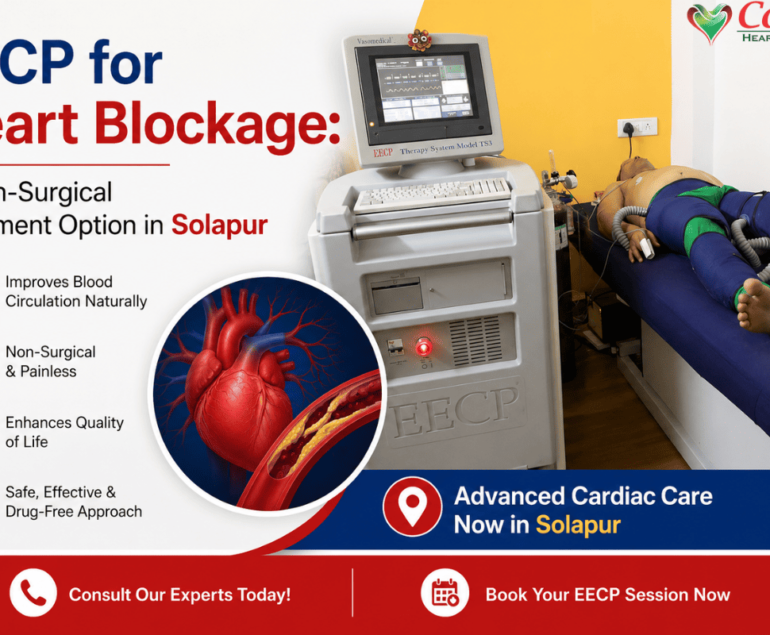
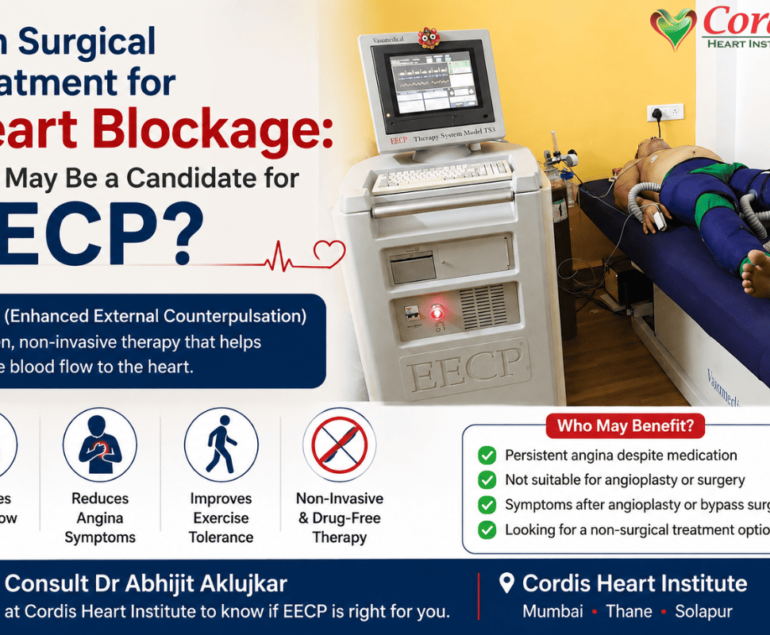
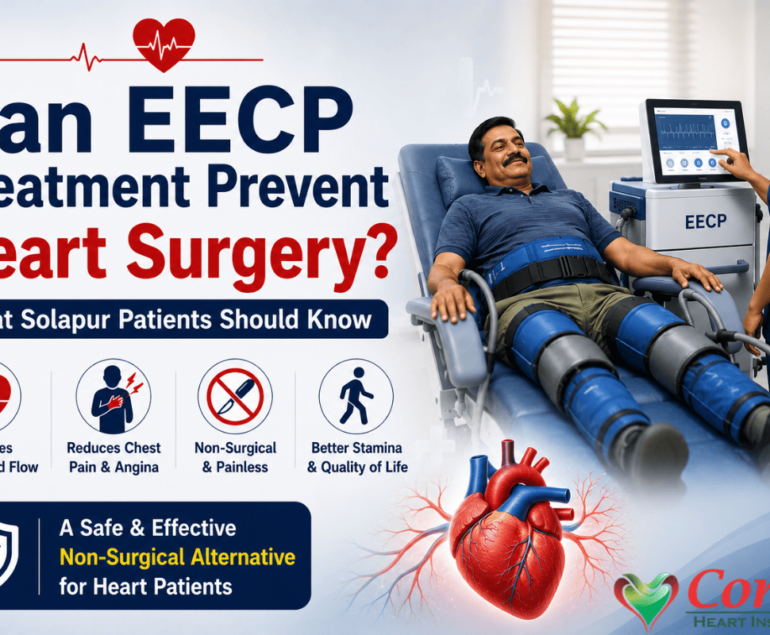
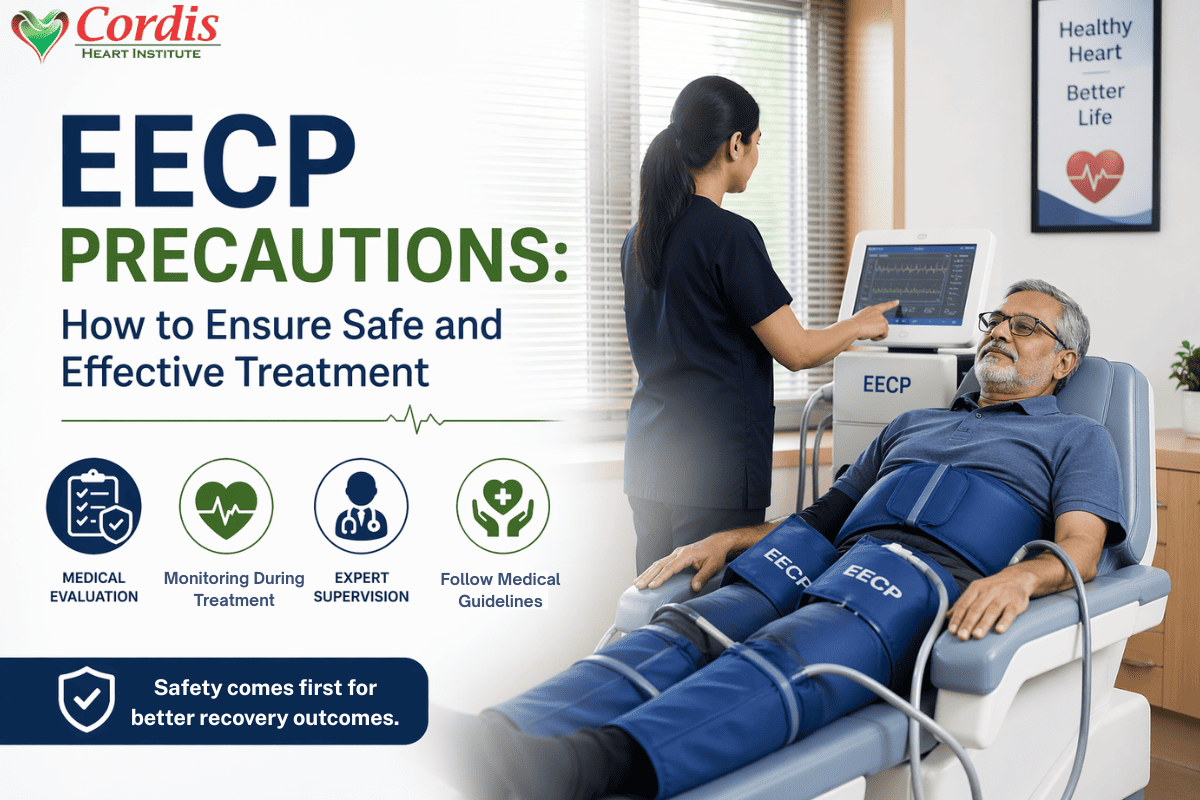
EECP (Enhanced External Counterpulsation) is a non-invasive treatment designed to improve blood circulation to the heart. It uses inflatable cuffs wrapped around the legs that rhythmically compress and release in sync with your heartbeat.
How It Works
- Increases oxygen-rich blood flow to the heart
- Helps form natural bypass vessels (collateral circulation)
- Reduces chest pain (angina)
Who Needs EECP Therapy?
- Patients with chronic angina
- Individuals not suitable for bypass surgery or angioplasty
- People looking for a non-surgical heart treatment
This therapy is widely recommended because it avoids surgical risks, but proper precautions still play a big role in success.
Why EECP Precautions Are Important
Skipping safety steps in any medical treatment is never a good idea, and EECP is no exception.
Here’s Why Precautions Matter
- Improve treatment effectiveness
- Reduce chances of side effects
- Ensure smooth session experience
- Help doctors personalize therapy
When done under expert supervision like at Cordis Heart Institute, EECP is considered safe. But individual health conditions can change how your body responds, which is why precautions are not optional.
Pre-Treatment Precautions for EECP Therapy
1. Medical Evaluation Before Starting EECP
Before beginning therapy, a detailed health check is essential.
Typical Assessments Include:
- ECG and stress test
- Blood pressure evaluation
- Medical history review
A consultation with Dr Abhijit Aklujkar helps determine whether EECP is the right choice for your condition.
2. Conditions That Require Extra Caution
Some patients need closer monitoring during EECP therapy:
- Uncontrolled high blood pressure
- Irregular heart rhythms (arrhythmias)
- Peripheral artery disease
- Pregnancy
These conditions don’t always rule out EECP, but they require careful planning and supervision.
3. Medications and Lifestyle Adjustments
Before starting EECP, small changes can improve safety and results.
What to Keep in Mind
- Continue prescribed heart medications unless advised otherwise
- Avoid heavy meals before sessions
- Stay hydrated
- Get proper sleep
These simple steps can make sessions more comfortable and effective.
Precautions During EECP Treatment Sessions
1. Continuous Monitoring is Essential
During each session:
- Heart rate is tracked
- Blood pressure is monitored
- Medical staff remains present
This ensures immediate action if anything unusual occurs.
2. What Patients Should Be Careful About
- Wear loose, comfortable clothing
- Avoid eating heavy meals before therapy
- Inform staff about any discomfort
These may seem basic, but they directly affect your experience.
3. Normal Sensations vs Warning Signs
Normal
- Mild pressure in legs
- Slight fatigue after sessions
Warning Signs
- Chest pain
- Dizziness
- Shortness of breath
If you notice warning signs, inform the medical team immediately.
Post-Treatment Care: Ensuring Long-Term Benefits
1. Lifestyle Changes After EECP
EECP improves blood flow, but long-term results depend on your habits.
Recommended Changes
- Heart-healthy diet
- Regular walking or light exercise
- Stress management techniques like yoga
2. Follow-Up Care and Monitoring
Regular follow-ups help track improvement and prevent relapse.
- Schedule periodic check-ups
- Monitor symptoms closely
- Stay in touch with your cardiologist
3. Maintaining Heart Health After EECP
Think of EECP as a starting point, not a permanent fix.
- Avoid smoking and alcohol
- Manage cholesterol and blood pressure
- Stick to prescribed medications
Who Should Avoid EECP Therapy?
While EECP is safe for many, some conditions make it unsuitable:
- Severe aortic valve leakage
- Deep vein thrombosis (DVT)
- Severe hypertension
- Bleeding disorders
A proper evaluation at Cordis Heart Institute ensures that only suitable candidates undergo treatment.
Benefits of Following Proper EECP Precautions
Patients who follow recommended precautions often experience:
- Better blood circulation
- Reduced angina episodes
- Improved energy levels
- Lower risk of complications
In simple terms, precautions directly impact results.
Why Choose Cordis Heart Institute for EECP Treatment
Choosing the right hospital is just as important as the treatment itself.
What Sets Them Apart
- Experienced care under Dr Abhijit Aklujkar
- Advanced EECP technology
- Patient-focused approach
- Consistent treatment outcomes
This combination ensures both safety and effectiveness.
Frequently Asked Questions (FAQs)
Is EECP therapy safe for all heart patients?
Not for everyone. A medical evaluation is required to confirm suitability.
What precautions should be taken before EECP therapy?
Get proper diagnosis, follow medication guidelines, and avoid heavy meals before sessions.
Can EECP therapy cause side effects?
Mild fatigue or leg discomfort can occur, but serious issues are rare with proper monitoring.
How many sessions are required?
Typically 35 sessions over 6–7 weeks, depending on the patient’s condition.
Is EECP painful?
No. Most patients feel only mild pressure from the cuffs.
What should I avoid during EECP therapy?
Heavy meals, tight clothing, and ignoring symptoms.
Conclusion: Safe EECP Starts with the Right Precautions
EECP therapy offers a powerful, non-surgical way to improve heart health but the results depend heavily on how carefully the treatment is followed.
By understanding and applying the right EECP precautions, you reduce risks, improve outcomes, and get the full benefit of the therapy.
If you’re considering EECP, the safest step forward is expert guidance.
Book your consultation at Cordis Heart Institute with Dr Abhijit Aklujkar today. Find out if EECP is the right solution for your heart and start your journey toward better health without surgery.