A stroke can change a person’s life within minutes. It may affect movement, speech, memory, and independence. While many people focus on recovering from their first stroke, another important concern often follows: Can another stroke be prevented?
This question leads many patients and families to search for additional therapies that may support recovery and long-term health. One treatment that has gained attention in recent years is Enhanced External Counterpulsation (EECP) Therapy. Known for improving blood circulation without surgery, EECP has been widely used for certain heart conditions. Researchers are also studying its possible role in supporting stroke recovery and improving blood flow to the brain.
So, can EECP therapy for stroke reduce the risk of future strokes? The answer is not as simple as yes or no. Current research suggests that EECP may help improve circulation, support rehabilitation, and contribute to better vascular health in selected patients. However, it should not be considered a replacement for proven stroke prevention strategies such as medication, lifestyle changes, and regular medical care.
At Cordis Heart Institute, Dr. Abhijit Aklujkar carefully evaluates every patient before recommending EECP therapy. The treatment is offered as part of a personalized care plan designed to support cardiovascular health and recovery where appropriate.
In this article, you’ll learn how EECP therapy works, what current research says, who may benefit from it, and whether it can play a role in reducing the risk of another stroke.
Understanding Stroke and Why Future Stroke Risk Remains High
A stroke occurs when the brain does not receive enough oxygen and nutrients due to interrupted blood flow or bleeding. Brain cells begin to die within minutes, making immediate medical treatment essential.
Even after successful treatment, stroke survivors remain at a higher risk of having another stroke. This is why recovery involves much more than regaining strength. It also focuses on identifying and managing the factors that increase the chance of recurrence.
What Happens During a Stroke?
There are three main types of stroke, and each affects the brain differently.
Ischemic Stroke
An ischemic stroke is the most common type, accounting for nearly 85% of all strokes. It occurs when a blood clot blocks an artery supplying blood to the brain.
Common causes include:
- Atherosclerosis (narrowed arteries)
- Blood clots from the heart
- High cholesterol
- Irregular heart rhythm, such as atrial fibrillation
Because blood flow is reduced, brain tissue begins to suffer damage quickly.
Hemorrhagic Stroke
A hemorrhagic stroke occurs when a blood vessel in the brain bursts, causing bleeding inside or around the brain.
This type of stroke is often linked to:
- Uncontrolled high blood pressure
- Brain aneurysms
- Blood vessel abnormalities
- Certain bleeding disorders
Treatment focuses on controlling the bleeding and reducing pressure inside the brain.
Transient Ischemic Attack (TIA)
A Transient Ischemic Attack, often called a “mini-stroke,” causes temporary blockage of blood flow to the brain.
Symptoms usually resolve within a few minutes or hours, but a TIA should never be ignored. It serves as an important warning sign that a major stroke could occur in the future if preventive measures are not taken.
Common Risk Factors for Recurrent Stroke
The chances of another stroke increase when underlying health conditions remain uncontrolled. Many of these risk factors are manageable with medical treatment and lifestyle modifications.
High Blood Pressure
High blood pressure is one of the leading causes of both first-time and recurrent strokes. Constant pressure damages blood vessels and increases the risk of blockage or rupture.
Maintaining healthy blood pressure through medication, diet, exercise, and regular monitoring is one of the most effective ways to reduce stroke risk.
Diabetes
High blood sugar damages blood vessels over time and speeds up the development of atherosclerosis. People with diabetes are more likely to develop heart disease and experience another stroke.
Good diabetes management includes regular blood sugar monitoring, healthy eating, exercise, and prescribed medications.
High Cholesterol
Excess LDL cholesterol can build up inside arteries, reducing blood flow to the brain and increasing the risk of blood clots.
Lowering cholesterol through medication and dietary changes helps improve vascular health.
Smoking
Smoking damages the lining of blood vessels, increases blood pressure, and makes blood more likely to clot.
Quitting smoking significantly lowers the risk of future strokes and improves overall cardiovascular health.
Obesity
Carrying excess body weight increases the likelihood of developing hypertension, diabetes, and high cholesterol, all of which contribute to stroke risk.
Even modest weight loss can positively affect long-term health.
Heart Disease
Certain heart conditions increase the risk of blood clots traveling to the brain.
Examples include:
- Coronary artery disease
- Heart failure
- Atrial fibrillation
- Heart valve disorders
Managing heart disease is an important part of stroke prevention.
Physical Inactivity
A sedentary lifestyle contributes to obesity, diabetes, and poor circulation.
Regular physical activity helps improve blood flow, supports heart health, and lowers several stroke risk factors at once.
Why Stroke Prevention Matters After Recovery
Recovering from a stroke often involves physiotherapy, speech therapy, occupational therapy, and medication. While these treatments help patients regain independence, preventing another stroke is equally important.
A second stroke may cause:
- Greater disability
- Reduced mobility
- Memory problems
- Speech difficulties
- Increased dependence on caregivers
- Higher risk of hospitalization
Long-term prevention usually combines:
- Blood pressure control
- Cholesterol management
- Diabetes treatment
- Blood-thinning medications when prescribed
- Regular exercise
- Healthy eating
- Smoking cessation
- Ongoing follow-up with healthcare professionals
Some patients may also benefit from additional therapies that improve circulation under specialist supervision. This is where EECP therapy has generated interest.
What Is EECP Therapy?
Enhanced External Counterpulsation (EECP) Therapy is a non-invasive treatment designed to improve blood circulation throughout the body. Unlike surgery or catheter-based procedures, EECP does not involve incisions, anesthesia, or hospital admission.
Originally developed for patients with chronic angina and certain forms of heart disease, EECP therapy is now being studied for its potential role in improving circulation in other conditions, including stroke recovery.
The treatment aims to increase blood flow, improve oxygen delivery to tissues, and support the body’s natural ability to develop small collateral blood vessels.
How Enhanced External Counterpulsation (EECP) Works
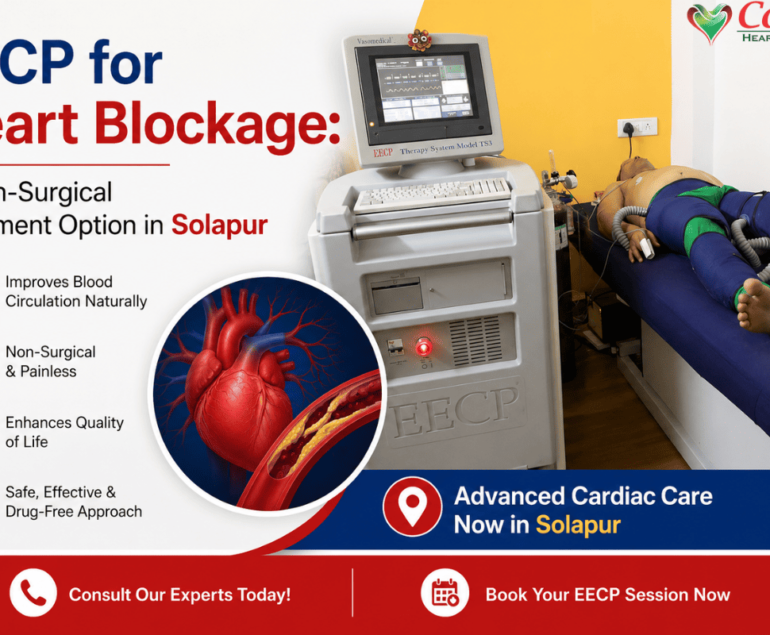
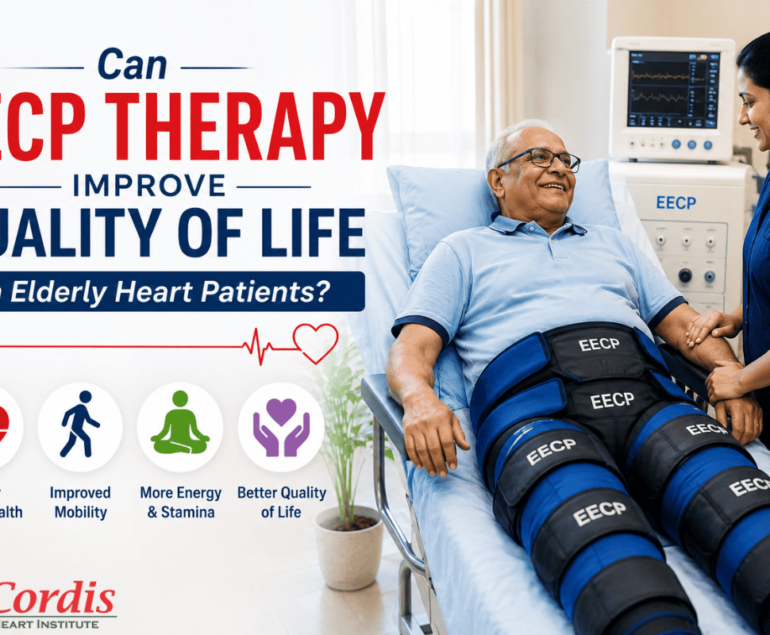
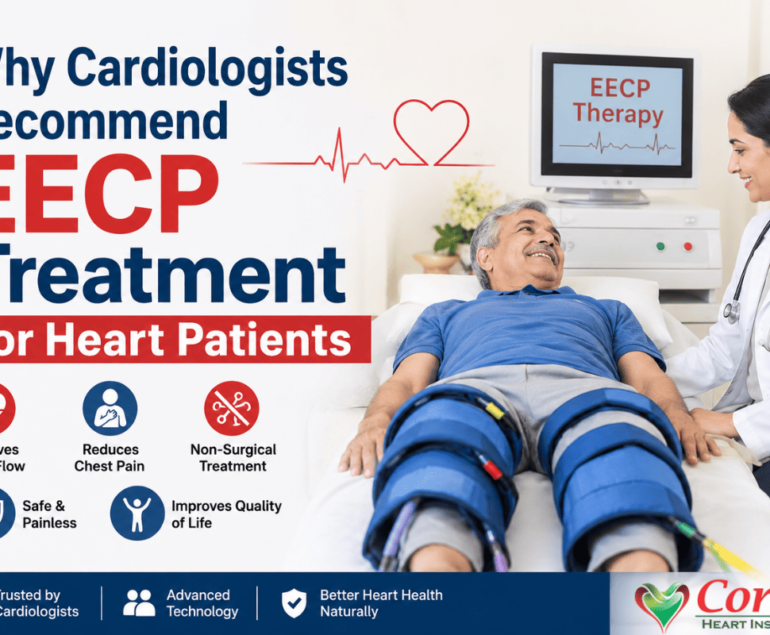
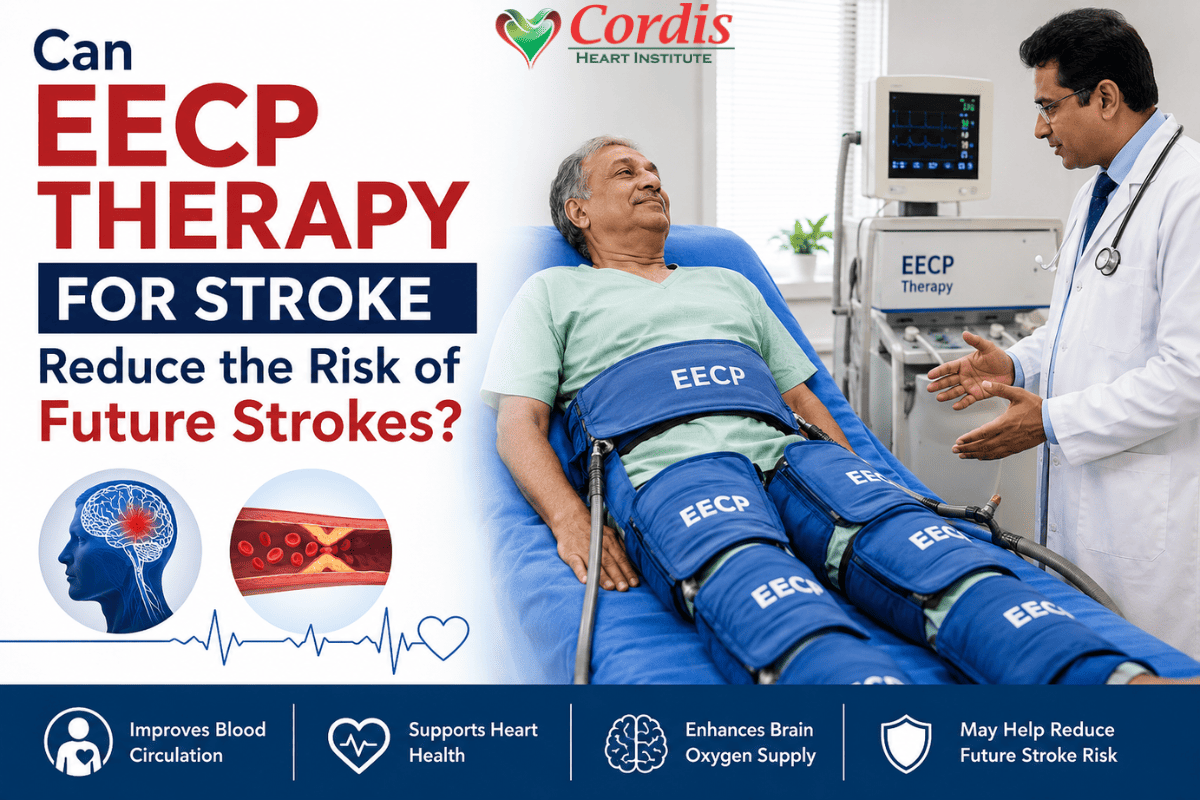
During an EECP session, inflatable cuffs are wrapped around the calves, thighs, and buttocks.
These cuffs inflate and deflate in a carefully timed sequence that matches the patient’s heartbeat.
The process helps:
- Increase blood flow back to the heart
- Improve circulation throughout the body
- Enhance oxygen delivery to vital organs
- Reduce the workload on the heart
Over multiple treatment sessions, improved circulation may help certain patients experience better exercise tolerance and improved quality of life.
How EECP Improves Blood Circulation
Healthy circulation ensures that oxygen and nutrients reach every organ, including the brain.
Researchers believe EECP may:
- Improve blood vessel function
- Increase nitric oxide production, which helps blood vessels relax
- Encourage the formation of collateral blood vessels
- Improve circulation in areas with reduced blood supply
- Support healthier endothelial function
Better circulation does not reverse brain damage caused by a stroke, but it may create conditions that support rehabilitation in selected patients.
What Happens During an EECP Session?
EECP therapy is generally performed in an outpatient setting.
A typical session lasts about one hour.
During treatment:
- The patient lies comfortably on a treatment bed.
- ECG sensors continuously monitor the heartbeat.
- Blood pressure is monitored throughout the session.
- Air cuffs inflate and deflate in rhythm with each heartbeat.
- The patient can usually relax, listen to music, or read during treatment.
Most treatment plans involve approximately 35 sessions spread over several weeks, although the exact schedule depends on the patient’s condition and the treating physician’s recommendation.
Is EECP Therapy Pain-Free and Non-Surgical?
Yes. EECP therapy is considered a non-invasive treatment.
There are:
- No injections
- No surgery
- No anesthesia
- No hospital stay
- No recovery period after each session
Most patients tolerate the treatment well, although some may experience temporary pressure from the inflatable cuffs during therapy.
Before starting EECP, patients undergo a detailed medical evaluation to determine whether the treatment is appropriate for their condition.
At Cordis Heart Institute, Dr. Abhijit Aklujkar reviews each patient’s medical history, current health status, and treatment goals before recommending EECP therapy as part of a personalized care plan.
Can EECP Therapy for Stroke Reduce the Risk of Future Strokes?
This is one of the most common questions asked by stroke survivors and their families. While there is growing interest in the use of EECP therapy after stroke, it is important to understand what current evidence shows and where more research is still needed.
Stroke prevention depends on addressing several factors, including blood pressure, cholesterol, diabetes, heart health, and lifestyle habits. EECP therapy is not a substitute for these proven strategies. Instead, it may serve as a supportive treatment for selected patients by improving blood circulation and vascular function.
The Connection Between Blood Flow and Brain Health
The brain depends on a constant supply of oxygen-rich blood to function properly. Even brief interruptions in blood flow can damage brain tissue.
After an ischemic stroke, some areas surrounding the damaged brain tissue may receive reduced blood flow. Researchers believe that improving circulation could help support these areas during recovery.
EECP therapy works by increasing blood flow throughout the body. This improved circulation may also contribute to better oxygen delivery and healthier blood vessel function, which are important for overall brain health.
How Improved Circulation May Support Stroke Recovery
Better circulation alone cannot reverse the damage caused by a stroke, but it may support rehabilitation by improving the body’s ability to deliver oxygen and nutrients to tissues.
Some studies have suggested that selected stroke patients undergoing EECP therapy experienced improvements in functional recovery, exercise tolerance, and overall quality of life. Researchers believe these effects may be related to improved endothelial function and better blood vessel performance.
However, patient outcomes can vary based on factors such as age, the type of stroke, existing medical conditions, and the timing of treatment.
Can EECP Lower Stroke Risk?
Current evidence suggests that EECP therapy may help improve circulation and vascular health, which are factors associated with better cardiovascular function. These improvements could contribute to lowering certain risk factors linked to recurrent stroke in appropriate patients.
However, there is no conclusive evidence that EECP therapy alone prevents future strokes. Larger clinical studies are still needed to confirm its long-term impact on stroke recurrence.
For this reason, EECP should be viewed as part of a broader recovery plan that includes prescribed medications, rehabilitation, healthy lifestyle changes, and regular follow-up with experienced healthcare professionals.
For patients who may be suitable candidates, a detailed evaluation by Dr. Abhijit Aklujkar at Cordis Heart Institute can help determine whether EECP therapy should be included as part of an individualized stroke recovery program.
Potential Benefits of EECP Therapy After Stroke
Every stroke survivor has a unique recovery journey. Some regain strength quickly, while others need months of rehabilitation to improve mobility, speech, and daily activities. Along with conventional rehabilitation, therapies that improve blood circulation are being studied for their potential to support recovery.
EECP therapy is one such treatment. Although it is not a cure for stroke and cannot repair damaged brain tissue, improved blood flow may help create a healthier environment for recovery in selected patients.
Below are some of the potential benefits associated with EECP therapy after stroke.
May Improve Blood Flow to the Brain
One of the primary goals of EECP therapy is to improve blood circulation throughout the body. During treatment, the synchronized inflation and deflation of air cuffs help increase blood flow and reduce the workload on the heart.
Researchers believe this improved circulation may also benefit the brain by:
- Increasing oxygen-rich blood supply
- Supporting healthier blood vessel function
- Improving endothelial health
- Encouraging the development of collateral circulation
Collateral blood vessels are small natural pathways that may help maintain blood flow when major arteries become narrowed or blocked. While these vessels cannot replace emergency stroke treatment, they may support long-term vascular health.
May Reduce Weakness and Fatigue
Fatigue is one of the most common challenges after a stroke. Many patients report feeling physically exhausted even after completing simple daily activities.
By improving circulation and oxygen delivery, EECP therapy may help some patients experience:
- Better energy levels
- Reduced physical fatigue
- Improved stamina
- Greater ability to participate in rehabilitation exercises
When patients have more energy, they are often better able to engage in physiotherapy, occupational therapy, and other rehabilitation programs that are essential for recovery.
May Support Better Walking and Mobility
Walking difficulties are common after a stroke due to muscle weakness, balance problems, or reduced coordination.
Although EECP does not directly strengthen muscles, improved circulation may support rehabilitation efforts by helping muscles receive more oxygen during activity.
Some patients have reported improvements in:
- Walking distance
- Balance
- Leg endurance
- Daily movement
These improvements are most effective when EECP is combined with structured physiotherapy and regular exercise under professional supervision.
May Improve Exercise Tolerance
Many stroke survivors avoid physical activity because they become tired quickly.
Regular exercise plays an important role in preventing another stroke by helping control:
- Blood pressure
- Body weight
- Blood sugar
- Cholesterol
- Heart health
If EECP therapy improves circulation and exercise capacity, patients may find it easier to stay active and follow their rehabilitation plan.
Better exercise tolerance can also support long-term cardiovascular health, which is an important part of reducing future stroke risk.
May Improve Overall Quality of Life
Recovery after a stroke involves much more than physical healing. It also includes emotional well-being, independence, and confidence.
Some patients receiving EECP therapy have reported improvements in:
- Daily activities
- Physical endurance
- Confidence while walking
- Participation in family and social life
- Overall sense of well-being
It is important to remember that results vary from person to person. Age, stroke severity, existing medical conditions, and participation in rehabilitation all influence recovery outcomes.
Who Can Benefit from EECP Therapy?
EECP therapy is not suitable for every stroke survivor. Before starting treatment, a detailed medical evaluation is necessary to determine whether the therapy is safe and appropriate.
At Cordis Heart Institute, Dr. Abhijit Aklujkar carefully reviews each patient’s medical history, heart health, stroke type, and current medications before recommending EECP.
Patients Recovering from Ischemic Stroke
Most research on EECP therapy has focused on people who have experienced an ischemic stroke, where blood flow to the brain was blocked by a clot.
Some patients recovering from ischemic stroke may benefit if they:
- Have stable medical conditions
- Are participating in rehabilitation
- Need additional support for circulation
- Have no major contraindications to EECP
Treatment should always be planned alongside a neurologist and cardiologist.
Individuals with Poor Blood Circulation
Patients with reduced circulation due to vascular disease may also be considered for EECP therapy.
These individuals may include those with:
- Peripheral artery disease
- Coronary artery disease
- Chronic angina
- Reduced exercise tolerance
Improving circulation may support overall cardiovascular health while complementing existing medical treatment.
Patients with Heart Disease and Stroke History
Many stroke survivors also have heart disease. Since EECP has been used for patients with chronic angina and certain forms of coronary artery disease, individuals with both conditions may be evaluated for treatment.
Patients with:
- Coronary artery disease
- Previous angioplasty
- Previous bypass surgery
- Stable heart failure (in selected cases)
may benefit from a multidisciplinary assessment to determine whether EECP is appropriate.
Who Should Avoid EECP Therapy?
Although EECP is considered safe for many patients, it is not recommended for everyone.
Your doctor may advise against EECP if you have:
- Severe aortic valve disease
- Active blood clots
- Deep vein thrombosis
- Severe uncontrolled hypertension
- Active bleeding disorders
- Significant irregular heart rhythms that interfere with treatment timing
- Severe peripheral vascular disease
- Pregnancy
- Certain uncontrolled heart conditions
A complete cardiovascular evaluation helps identify any conditions that could make treatment unsafe.
Never begin EECP therapy without medical advice from a qualified healthcare professional.
What Does Research Say About EECP Therapy for Stroke?
Interest in EECP therapy has grown over the past decade because of its ability to improve circulation without surgery. Researchers continue to investigate whether these circulatory benefits can also support stroke recovery.
While the findings are encouraging, the evidence should be interpreted carefully.
Current Clinical Evidence
Several clinical studies have explored the effects of EECP therapy in patients recovering from ischemic stroke.
Researchers have examined outcomes such as:
- Blood flow to the brain
- Functional recovery
- Walking ability
- Quality of life
- Neurological improvement
Some studies suggest that EECP may improve cerebral blood flow and support rehabilitation in selected patients.
Potential Benefits Observed in Studies
Published research has reported improvements in some patients, including:
- Better cerebral circulation
- Improved exercise capacity
- Increased functional independence
- Better endurance during rehabilitation
- Improved vascular function
Researchers believe these effects may result from improved endothelial function and increased blood flow.
However, these findings do not prove that EECP prevents another stroke.
Limitations of Current Research
Despite promising results, there are several limitations.
Many studies:
- Include relatively small groups of patients
- Have short follow-up periods
- Use different treatment protocols
- Measure different outcomes
Because of these differences, it is difficult to draw firm conclusions about long-term stroke prevention.
Larger, well-designed clinical trials are still needed.
Why More Research Is Needed
Stroke recovery is influenced by many factors, including:
- Patient age
- Stroke severity
- Existing medical conditions
- Rehabilitation intensity
- Medication adherence
- Lifestyle changes
Future research will help determine:
- Which patients benefit the most
- The ideal timing for EECP therapy
- The best treatment duration
- Whether EECP reduces long-term stroke recurrence
Until stronger evidence becomes available, EECP should be considered a complementary therapy rather than a replacement for standard stroke care.
EECP Therapy vs Traditional Stroke Rehabilitation
Stroke rehabilitation remains the foundation of recovery. EECP therapy should be viewed as an additional treatment that may support rehabilitation by improving circulation.
EECP Therapy | Traditional Stroke Rehabilitation |
Non-invasive treatment | Physical therapy |
Focuses on improving circulation | Focuses on muscle strength and coordination |
May improve vascular function | Improves movement and daily activities |
May improve exercise tolerance | Improves balance, speech, and independence |
Complements rehabilitation | Core treatment after stroke |
Which Approach Is Better?
The answer is not choosing one over the other.
Stroke rehabilitation addresses movement, speech, coordination, and functional recovery. EECP focuses on improving circulation and cardiovascular support.
For many patients, the most effective recovery plan combines:
- Neurological care
- Physiotherapy
- Occupational therapy
- Speech therapy
- Lifestyle modification
- Medication
- Regular follow-up
- EECP therapy, when recommended by the treating physician
A personalized treatment plan offers the best opportunity for long-term recovery.
Lifestyle Changes That Help Prevent Future Strokes
No therapy can replace healthy daily habits. Whether or not EECP is part of your recovery plan, reducing the risk of another stroke depends largely on controlling the factors that caused the first one.
Here are the most important lifestyle changes every stroke survivor should follow.
Maintain Healthy Blood Pressure
High blood pressure remains the leading risk factor for recurrent stroke.
To keep your blood pressure under control:
- Take prescribed medications regularly.
- Reduce salt intake.
- Stay physically active.
- Monitor your blood pressure at home.
- Attend routine medical check-ups.
Even small improvements in blood pressure can significantly lower stroke risk.
Control Diabetes
High blood sugar damages blood vessels and increases the risk of both stroke and heart disease.
Good diabetes management includes:
- Monitoring blood glucose levels
- Following a balanced diet
- Taking medications or insulin as prescribed
- Staying physically active
- Maintaining a healthy weight
Eat a Heart-Healthy Diet
A nutritious diet supports both heart and brain health.
Choose foods such as:
- Fresh fruits
- Green vegetables
- Whole grains
- Lean proteins
- Fish rich in omega-3 fatty acids
- Nuts and seeds
Limit:
- Fried foods
- Processed snacks
- Sugary beverages
- Foods high in saturated fat
- Excess salt
A dietitian can help create a meal plan based on your medical needs.
Exercise Regularly
Regular physical activity improves circulation and reduces several stroke risk factors.
After medical clearance, aim for activities such as:
- Walking
- Light cycling
- Stretching exercises
- Balance training
- Physiotherapy exercises
Even 30 minutes of moderate activity on most days can make a meaningful difference.
Quit Smoking
Smoking damages blood vessels, raises blood pressure, and increases the likelihood of blood clots.
Quitting smoking is one of the most effective steps you can take to protect your heart and brain.
If quitting feels difficult, ask your healthcare provider about counseling or smoking cessation programs.
Take Prescribed Medications
Many stroke survivors require long-term medications such as:
- Blood pressure medicines
- Cholesterol-lowering drugs
- Blood thinners
- Diabetes medications
Never stop taking these medications without consulting your doctor, even if you feel well.
Attend Regular Follow-Up Visits
Stroke recovery does not end when rehabilitation is complete.
Routine follow-up appointments allow your healthcare team to:
- Monitor blood pressure and cholesterol
- Adjust medications if needed
- Assess recovery progress
- Identify new risk factors early
- Decide whether additional therapies, including EECP, may be appropriate
At Cordis Heart Institute, Dr. Abhijit Aklujkar works closely with patients to develop long-term cardiovascular care plans focused on recovery, prevention, and improved quality of life.
Why Choose Cordis Heart Institute for EECP Therapy?
Recovering from a stroke often requires support from multiple specialists. While rehabilitation focuses on regaining movement and independence, maintaining good cardiovascular health is equally important for long-term recovery. Choosing the right healthcare team can make a meaningful difference in your treatment journey.
At Cordis Heart Institute, every patient receives an individualized treatment plan based on their medical history, current health condition, and recovery goals. If EECP therapy is considered appropriate, it is recommended only after a detailed medical evaluation.
Experienced Cardiac Care Team
Stroke and heart disease are closely connected. Many stroke survivors also have conditions such as coronary artery disease, hypertension, diabetes, or heart failure.
The team at Cordis Heart Institute understands these complex relationships and works to provide coordinated cardiovascular care that complements your neurologist’s recommendations and rehabilitation program.
Patients receive guidance on:
- Managing cardiovascular risk factors
- Improving heart health
- Long-term stroke prevention strategies
- Lifestyle modification
- Regular monitoring and follow-up care
Advanced EECP Technology
EECP therapy requires precise synchronization with the patient’s heartbeat to achieve the desired circulatory benefits.
At Cordis Heart Institute, treatment is delivered using advanced EECP systems designed to provide accurate timing, patient comfort, and continuous monitoring throughout each session.
Before treatment begins, every patient undergoes a thorough assessment to determine whether EECP is suitable for their condition.
Personalized Treatment Plans
No two stroke survivors have the same medical history or recovery goals.
Factors considered before recommending EECP include:
- Type of stroke
- Time since the stroke
- Current neurological condition
- Heart health
- Existing medical conditions
- Current medications
- Rehabilitation progress
This personalized approach helps ensure that patients receive treatment that aligns with their individual needs.
Patient-Centered Care
Recovery after a stroke can be physically and emotionally challenging. At Cordis Heart Institute, patient education is an important part of the treatment process.
The care team helps patients and families understand:
- How EECP therapy works
- Expected treatment duration
- Potential benefits
- Safety considerations
- Lifestyle changes that support recovery
Open communication allows patients to make informed decisions about their care.
Expert Guidance by Dr. Abhijit Aklujkar
Dr. Abhijit Aklujkar believes in evidence-based, patient-focused cardiovascular care.
Before recommending EECP therapy, he carefully evaluates:
- Overall cardiovascular health
- Stroke history
- Current symptoms
- Existing risk factors
- Suitability for treatment
His goal is to recommend therapies that support each patient’s recovery while following established medical guidelines and current clinical evidence.
Frequently Asked Questions (FAQs)
Can EECP therapy prevent another stroke?
EECP therapy may improve blood circulation and vascular function, which can support overall cardiovascular health. However, there is currently no conclusive evidence that EECP alone prevents future strokes. It should be considered as part of a broader treatment plan that includes medications, rehabilitation, healthy lifestyle habits, and regular medical follow-up.
Is EECP therapy safe for stroke survivors?
For many patients, EECP is considered a safe, non-invasive treatment when recommended by a qualified physician. Before starting therapy, a detailed medical evaluation is necessary to identify any conditions that may make the treatment unsuitable.
How many EECP sessions are usually recommended?
A standard EECP program often includes 35 one-hour sessions, typically completed over seven weeks. The exact number of sessions may vary depending on the patient’s condition and the treating physician’s recommendations.
Who should not undergo EECP therapy?
EECP may not be suitable for people with:
- Severe aortic valve disease
- Active blood clots
- Deep vein thrombosis
- Severe uncontrolled hypertension
- Certain irregular heart rhythms
- Active bleeding disorders
- Pregnancy
- Some advanced cardiovascular conditions
Your doctor will determine whether EECP is appropriate after a complete evaluation.
Can EECP improve weakness after stroke?
Some studies suggest that improved blood circulation may support rehabilitation and help certain patients experience better mobility and reduced fatigue. However, EECP does not directly repair damaged brain tissue. Physiotherapy and rehabilitation remain the primary treatments for improving weakness after a stroke.
Does EECP improve blood circulation to the brain?
EECP is designed to improve circulation throughout the body. Some research indicates that it may increase cerebral blood flow in selected patients, but further studies are needed to confirm its long-term effects on brain circulation and stroke outcomes.
Is EECP covered by insurance?
Insurance coverage for EECP therapy varies depending on the insurer, policy terms, and the medical condition being treated. It is best to check with your insurance provider and the hospital before starting treatment.
When should stroke patients consider EECP therapy?
Patients should consider EECP therapy only after their condition has stabilized and following a detailed evaluation by their treating physician. It is generally considered as a complementary treatment for selected patients and should not replace standard stroke rehabilitation or medical management.
Conclusion
A stroke can have lasting effects on physical health, independence, and quality of life. While recovery focuses on regaining strength and function, preventing another stroke is just as important.
So, can EECP therapy for stroke reduce the risk of future strokes? Current evidence suggests that EECP may support better blood circulation, improve vascular function, and complement stroke rehabilitation in carefully selected patients. These benefits may contribute to better cardiovascular health and recovery. However, EECP should not be viewed as a standalone solution for stroke prevention.
The most effective approach to reducing the risk of another stroke includes controlling blood pressure, managing diabetes and cholesterol, taking prescribed medications, following a healthy lifestyle, and participating in rehabilitation. When recommended by an experienced physician, EECP therapy may become a valuable addition to this comprehensive care plan.
If you or a loved one is recovering from a stroke and would like to know whether EECP therapy is appropriate, consult a qualified specialist who can assess your individual medical needs and recommend the most suitable treatment options.
Book a Consultation at Cordis Heart Institute
If you’re looking for expert guidance on EECP therapy for stroke recovery, the team at Cordis Heart Institute is here to help.
Under the care of Dr. Abhijit Aklujkar, every patient receives a thorough evaluation and a personalized treatment plan based on their medical condition, recovery goals, and overall cardiovascular health.
Whether you’re exploring additional support after a stroke or seeking ways to improve circulation and heart health, our team can help you understand your options.
Schedule your consultation today and take the next step toward a healthier recovery.