Heart disease continues to affect millions of people worldwide, and many patients fear undergoing major surgeries such as bypass surgery or angioplasty. The good news is that modern cardiology now offers safer, non-invasive options for selected patients. One treatment that has gained attention among heart specialists is EECP treatment for heart patients.
Enhanced External Counter Pulsation, commonly known as EECP therapy, is a non-surgical heart treatment recommended by cardiologists for patients suffering from chest pain, blocked arteries, reduced blood flow, and coronary artery disease. At Cordis Heart Institute, patients receive advanced EECP therapy under the supervision of Dr Abhijit Aklujkar, helping many improve their quality of life without surgery.
In this article, you will learn how EECP therapy works, why cardiologists recommend it, who can benefit from it, and why it is becoming one of the preferred heart blockage treatments without surgery.
What Is EECP Treatment?
Understanding Enhanced External Counter Pulsation (EECP)
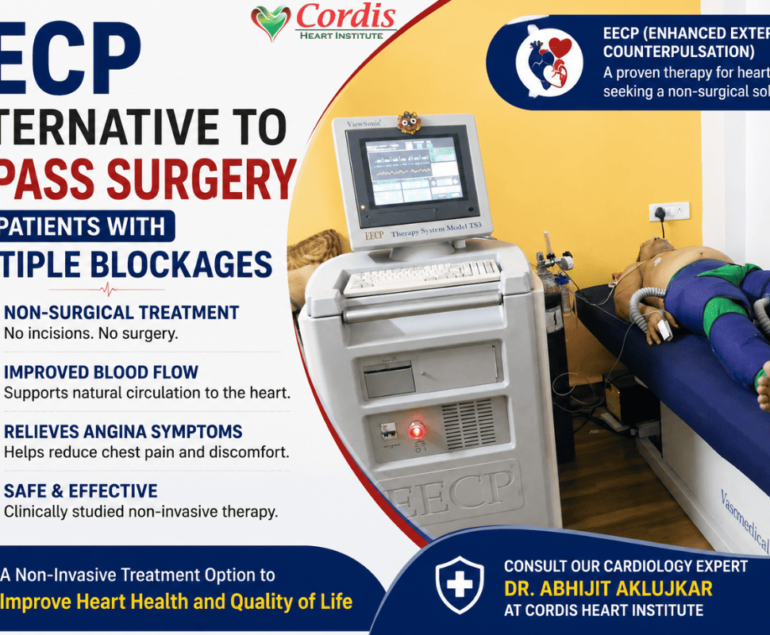
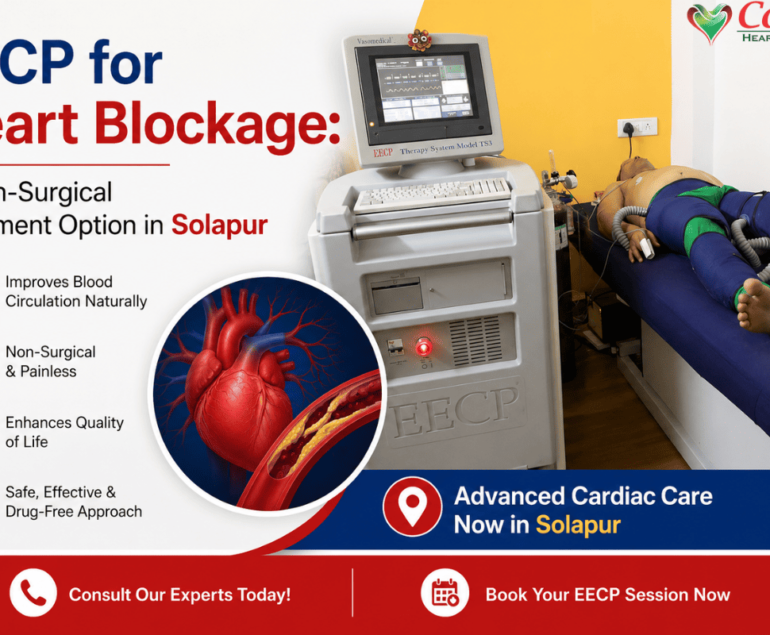
EECP stands for Enhanced External Counter Pulsation. It is a non-invasive therapy designed to improve blood circulation to the heart naturally. Unlike bypass surgery or angioplasty, EECP does not involve cuts, anesthesia, or hospital admission.
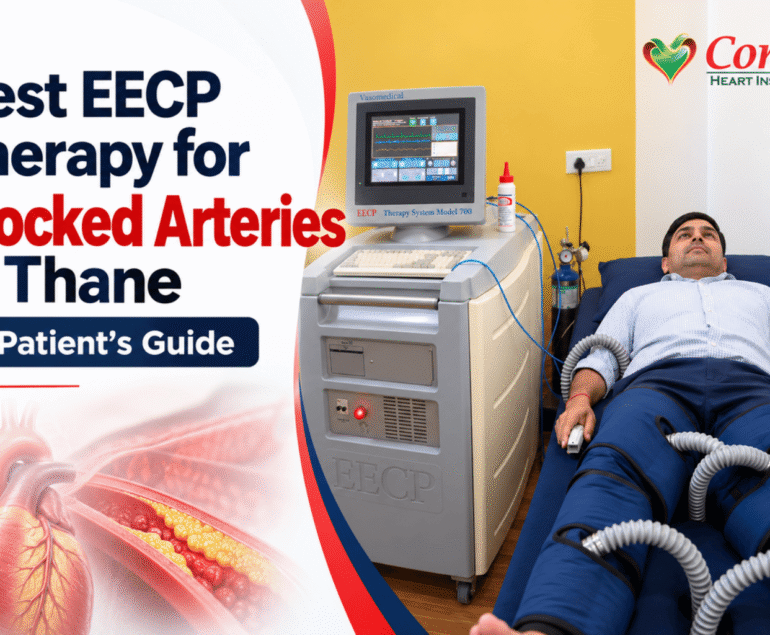
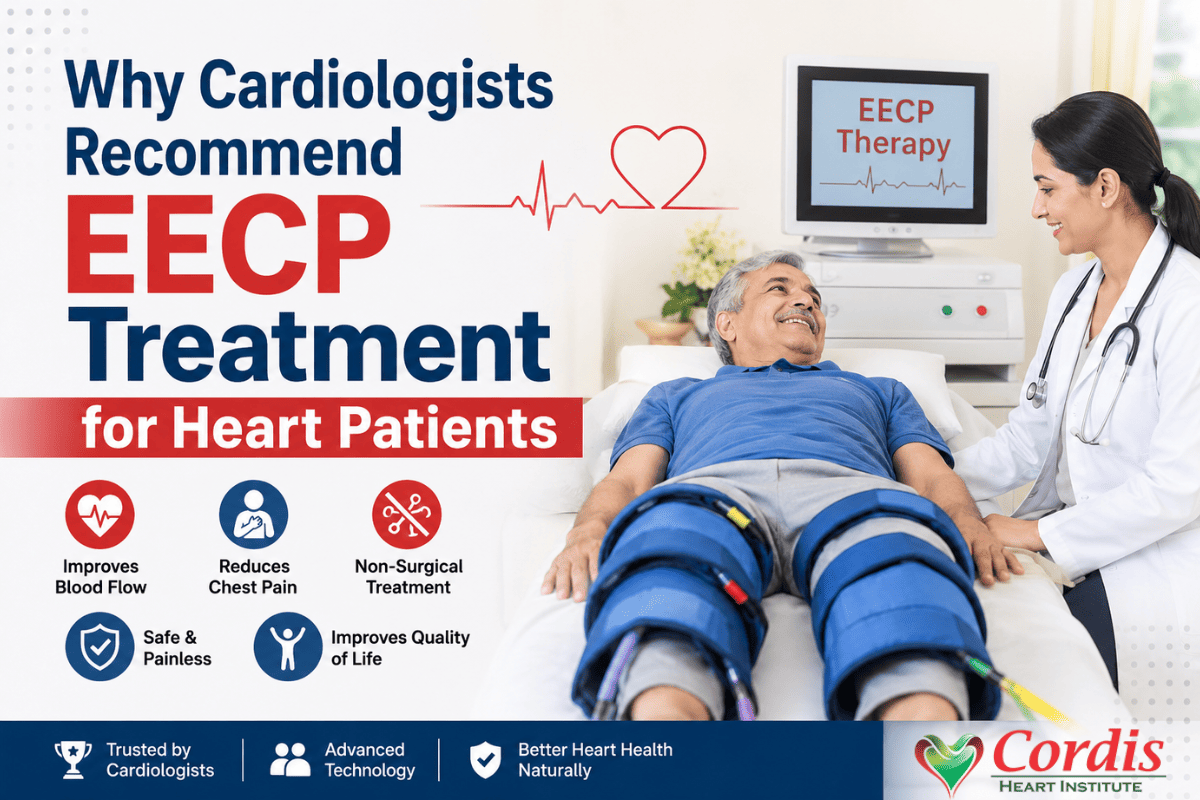
During the procedure, inflatable cuffs are wrapped around the patient’s legs, thighs, and lower body. These cuffs inflate and deflate in sync with the heartbeat. This process helps push oxygen-rich blood back toward the heart, improving circulation and reducing stress on the heart muscles.
Many cardiologists recommend EECP treatment for heart patients who want relief from symptoms without undergoing invasive procedures.
How EECP Therapy Works
The EECP therapy procedure is simple and comfortable for most patients.
Here’s how it works:
- The patient lies comfortably on a treatment bed.
- ECG monitoring tracks the heartbeat.
- Inflatable cuffs around the legs inflate during the resting phase of the heartbeat.
- The cuffs deflate just before the heart pumps again.
- This improves blood supply to the coronary arteries.
Over time, EECP therapy encourages the development of smaller blood vessels known as collateral circulation. These vessels create alternative pathways for blood flow, helping the heart receive more oxygen.
Why EECP Is Considered a Non-Surgical Heart Treatment
One major reason cardiologists recommend EECP therapy is because it offers a heart treatment without surgery.
Unlike bypass surgery:
- No cuts are required
- No anesthesia is needed
- No ICU stay is involved
- Recovery time is minimal
Patients can usually continue their normal routine during treatment. This makes EECP therapy especially helpful for elderly patients, diabetic patients, or those who may not be fit for surgery.
Why Cardiologists Recommend EECP Treatment
Improves Blood Flow Naturally
One of the biggest EECP treatment benefits is its ability to improve blood circulation naturally. By enhancing blood flow, the therapy helps the heart receive more oxygen and nutrients.
Cardiologists often recommend EECP treatment for patients with reduced blood supply to the heart due to blocked arteries.
Helps Reduce Chest Pain (Angina)
Chest pain caused by poor blood flow is one of the most common symptoms in heart patients. EECP therapy can reduce the frequency and intensity of angina attacks.
Many patients report:
- Less chest discomfort
- Better stamina
- Improved breathing
- Increased energy levels
This improvement allows patients to perform daily activities more comfortably.
Supports Patients With Blocked Arteries
Patients with severe blockages are not always suitable candidates for surgery. In such cases, EECP therapy for blocked arteries can provide symptom relief and improve circulation.
Although EECP does not physically remove blockages, it helps the body develop alternate blood pathways. This improves oxygen delivery to the heart muscles.
Improves Quality of Life
A healthy heart directly affects quality of life. After completing EECP treatment, many patients experience:
- Better sleep
- Improved walking ability
- Reduced fatigue
- Increased confidence in daily life
At Cordis Heart Institute, many patients undergoing EECP treatment report noticeable improvement within a few weeks.
Lower Risk Compared to Surgical Procedures
Compared to bypass surgery or angioplasty, EECP therapy carries significantly lower procedural risk.
There is:
- No surgical wound
- No major blood loss
- Minimal recovery period
- Lower complication risk
This makes EECP therapy a preferred option for patients seeking safe heart treatment options.
Who Is the Right Candidate for EECP Therapy?
EECP treatment is not suitable for every patient, but it can be highly beneficial for selected cases.
Patients With Coronary Artery Disease
People diagnosed with coronary artery disease often experience reduced blood flow to the heart. EECP therapy can help improve circulation and reduce symptoms.
Patients Who Want to Avoid Surgery
Many patients are afraid of undergoing bypass surgery. Others may have medical conditions that increase surgical risk.
EECP therapy offers an alternative to heart surgery for eligible patients.
Patients With Chronic Chest Pain
Persistent angina can affect daily life. Cardiologists may recommend EECP therapy when medications alone are not enough.
Elderly and Diabetic Patients
Older adults and diabetic patients often face higher surgical risks. Because EECP is non-invasive, it is generally considered safer for these groups.
According to Dr Abhijit Aklujkar, patient evaluation is essential before starting therapy to ensure the best possible outcomes.
Top Benefits of EECP Treatment for Heart Patients
Non-Invasive and Painless Procedure
Most patients describe EECP therapy as comfortable and painless. Sessions are conducted in a relaxed environment while patients remain fully awake.
No Hospital Admission Required
Unlike major surgeries, EECP therapy usually does not require hospitalization. Patients can go home immediately after sessions.
Faster Recovery
Since there are no surgical cuts, patients recover quickly and continue normal activities with minimal interruption.
Improves Heart Function
Regular EECP sessions may improve heart efficiency and circulation over time.
Cost-Effective Compared to Surgery
EECP therapy is often more affordable than bypass surgery or repeated hospital procedures.
EECP Therapy | Bypass Surgery |
Non-surgical | Surgical |
No anesthesia | Requires anesthesia |
Minimal recovery | Longer recovery |
Lower procedural risk | Higher procedural risk |
EECP Treatment vs Angioplasty vs Bypass Surgery
Key Differences Patients Should Know
Angioplasty and bypass surgery physically open or bypass blocked arteries. EECP therapy works differently by improving circulation naturally.
Angioplasty:
- Involves inserting a stent
- Requires hospitalization
- Minimally invasive but still procedural
Bypass Surgery:
- Major surgery
- Longer recovery
- Requires anesthesia
EECP Therapy:
- Completely non-invasive
- No cuts or stents
- Outpatient treatment
Which Treatment Is Safer?
The best treatment depends on the patient’s condition. For many patients who are not suitable for surgery, EECP can be a safer option.
A cardiologist should always evaluate:
- Severity of blockage
- Heart function
- Overall health condition
- Medical history
When EECP Can Be a Better Alternative
EECP may be recommended when:
- Surgery carries high risk
- Patients prefer non-surgical treatment
- Symptoms continue despite medication
- Recovery from surgery is difficult
What Happens During an EECP Session?
Duration of Each Session
Each EECP session usually lasts around one hour.
Number of Sessions Required
Most treatment plans involve:
- 35 sessions
- Conducted over several weeks
The exact duration depends on the patient’s condition.
What Patients Feel During Treatment
Patients may feel rhythmic pressure on their legs due to cuff inflation. Most adjust comfortably within a few sessions.
At Cordis Heart Institute, patients are monitored carefully throughout the procedure for comfort and safety.
Recovery and Aftercare Tips
Patients are generally advised to:
- Continue heart medications
- Follow a healthy diet
- Stay physically active
- Attend follow-up consultations
Success Stories and Real Patient Outcomes
Many patients who undergo EECP therapy report:
- Better exercise tolerance
- Reduced chest pain
- Improved breathing
- Greater confidence in daily activities
At Cordis Heart Institute, the focus remains on personalized care and long-term heart health improvement.
Why Choose Cordis Heart Institute for EECP Treatment?
Choosing the right heart care center matters when it comes to cardiac treatment.
Advanced Cardiac Care Technology
Cordis Heart Institute uses modern diagnostic and treatment approaches for cardiac patients.
Experienced Heart Specialists
Under the guidance of Dr Abhijit Aklujkar, patients receive personalized cardiac care based on their medical condition and lifestyle needs.
Personalized Treatment Plans
Every patient is different. Treatment plans are customized after proper evaluation and cardiac assessment.
Trusted EECP Treatment in Mumbai
Patients looking for EECP treatment in Mumbai often seek hospitals that combine experience, patient safety, and advanced cardiac care.
FAQs About EECP Treatment for Heart Patients
Is EECP treatment safe for heart patients?
Yes, EECP therapy is generally considered safe for selected heart patients when performed under medical supervision.
Can EECP remove heart blockage?
EECP does not remove blockages physically, but it helps improve blood circulation through alternative blood vessel pathways.
How long do EECP results last?
Results may last for several months or years depending on lifestyle, heart condition, and ongoing medical care.
Is EECP painful?
Most patients find EECP therapy comfortable and painless.
What is the success rate of EECP therapy?
Many patients experience symptom improvement, especially reduced chest pain and better exercise tolerance.
Can diabetic patients undergo EECP treatment?
Yes, diabetic patients may benefit from EECP therapy after proper evaluation by a cardiologist.
How much does EECP treatment cost in India?
Costs vary depending on the hospital, treatment duration, and patient condition.
Is EECP approved by doctors and cardiologists?
Yes, many cardiologists worldwide recommend EECP therapy for selected patients with coronary artery disease and chronic angina.
Conclusion
Heart disease can affect every aspect of life, but modern treatments now provide safer and less invasive options for many patients. EECP treatment for heart patients has emerged as an effective non-surgical heart treatment that helps improve circulation, reduce chest pain, and improve quality of life.
For patients seeking an alternative to bypass surgery or angioplasty, EECP therapy may offer hope without the risks associated with major surgery.
Under the expert guidance of Dr Abhijit Aklujkar, Cordis Heart Institute continues to provide patient-focused cardiac care with advanced EECP treatment solutions.
If you or your loved one is experiencing chest pain, blocked arteries, or reduced heart function, consult a heart specialist to understand whether EECP therapy is the right option for you.