A diagnosis of heart blockage can be worrying, especially when you hear about angioplasty, stents or bypass surgery. Many patients and their families want to know whether heart blockage treatment without surgery in Mira Road, Mumbai, is possible.
The answer depends on the location and severity of the blockage, the symptoms you experience, your heart function and your overall health. Some patients can manage coronary artery disease with medicines and lifestyle changes. Others may benefit from Enhanced External Counterpulsation (EECP), a non-invasive therapy used to help relieve chronic angina in selected patients.
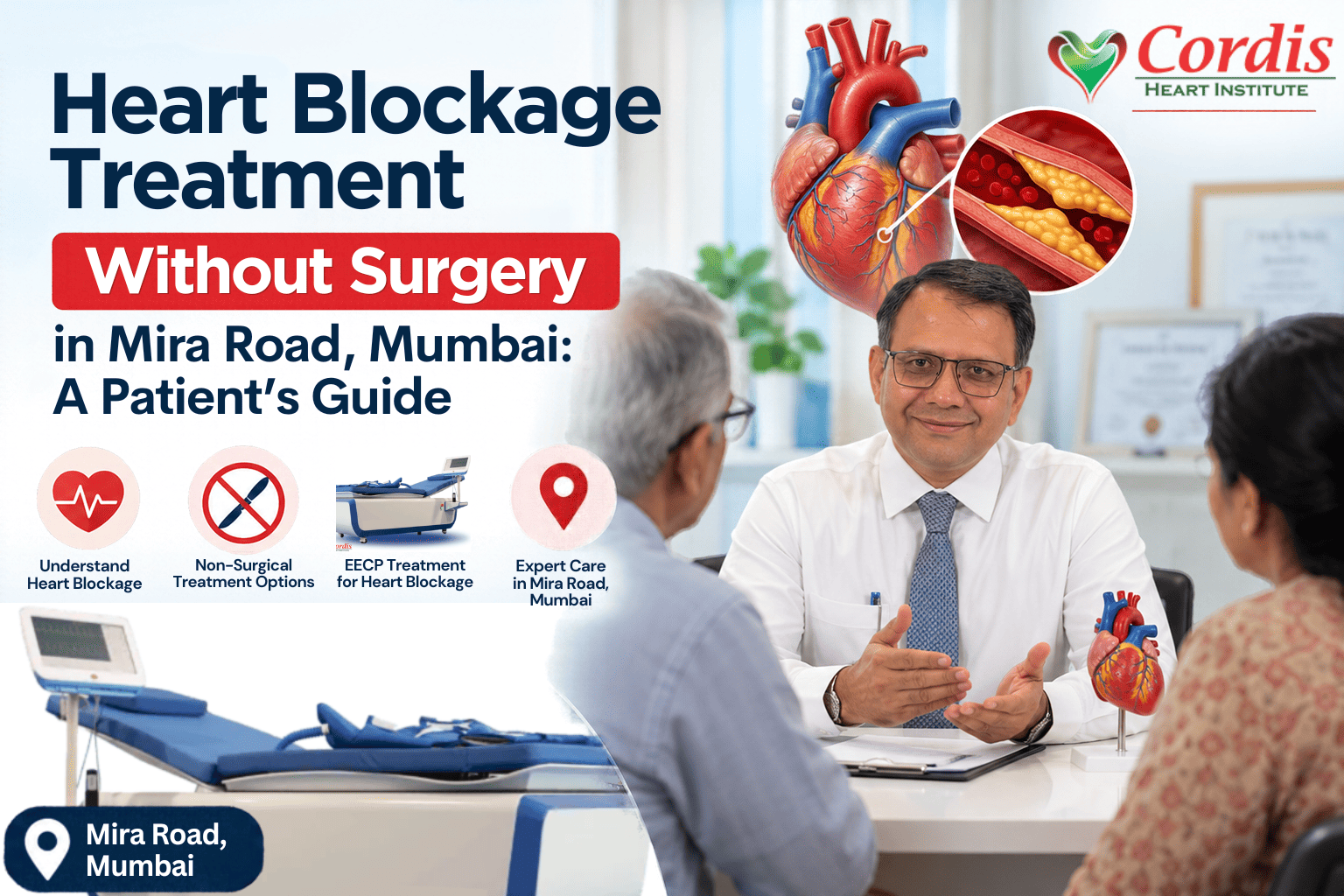
At Cordis Heart Institute, patients can discuss their symptoms, medical reports and treatment options with Dr Abhijit Aklujkar. The right approach begins with a proper cardiac assessment, not simply choosing a treatment because it does not involve surgery.
This guide explains the causes of heart blockage, available non-surgical treatments, how EECP works and when medical attention is necessary.
What Is Heart Blockage and Why Does It Occur?
Heart blockage commonly refers to the narrowing of the coronary arteries, which supply oxygen-rich blood to the heart muscle. This narrowing often develops when cholesterol, fat and other substances accumulate inside artery walls, forming deposits called plaque. This condition is known as coronary artery disease.
When blood flow becomes restricted, a person may experience chest pain, pressure or breathlessness, particularly during physical activity. In some cases, a plaque can rupture and trigger a blood clot, leading to a heart attack.
Common risk factors for heart blockage
Several factors can increase the risk of coronary artery disease:
- High cholesterol and high blood pressure
- Diabetes and excess body weight
- Smoking or tobacco use
- Physical inactivity
- An unhealthy diet
- Family history of heart disease
- Increasing age
What are the symptoms of heart blockage?
Symptoms can vary between individuals. Common warning signs include chest discomfort, shortness of breath, unusual tiredness and discomfort that spreads to the arms, back, neck or jaw.
Some people have few or no noticeable symptoms before a serious cardiac event. If you experience new or severe chest pain, particularly with sweating, nausea or breathlessness, seek emergency medical care immediately.
Can Heart Blockage Be Treated Without Surgery?
Yes, some patients can manage coronary artery disease without an operation. However, non-surgical treatment does not mean that every blocked artery can safely be left untreated.
A cardiologist considers the degree of narrowing, the affected arteries, symptoms, heart function and the risk of future cardiac events before recommending a treatment plan.
1. Medicines for heart blockage
Doctors may prescribe medicines to manage cholesterol, blood pressure, clotting risk and chest pain. These treatments can help control symptoms and reduce the risk of complications.
Patients should take medicines as prescribed and should not stop aspirin, cholesterol-lowering medicines or other cardiac medication without medical advice.
2. Lifestyle changes
A heart-healthy diet, smoking cessation, appropriate physical activity and control of diabetes and blood pressure can support long-term heart health.
These changes are important even when a patient receives a stent, undergoes bypass surgery or completes EECP therapy.
3. Cardiac rehabilitation
For suitable patients, a supervised cardiac rehabilitation programme can support recovery, improve physical capacity and help establish safer exercise habits.
4. EECP therapy
EECP may help selected patients who experience chronic angina despite medical treatment, particularly when further procedures are not suitable or have not adequately relieved symptoms.
However, EECP does not remove plaque or physically open a blocked artery. Patients who need urgent or necessary revascularisation should not delay it in favour of EECP.
What Is EECP Treatment and How Does It Work?
Enhanced External Counterpulsation, commonly called EECP, is a non-invasive therapy used to help manage chronic angina in selected patients with coronary artery disease.
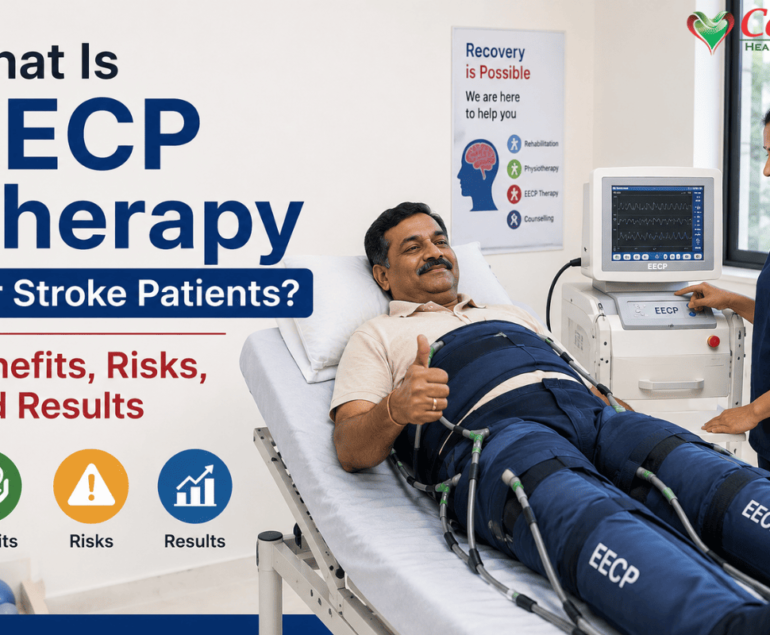
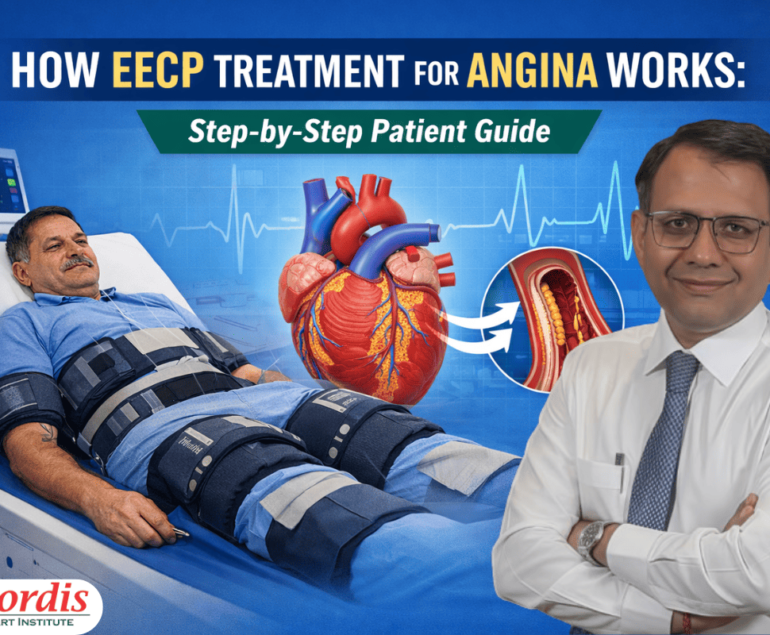
During EECP treatment, inflatable cuffs are wrapped around the calves, thighs and buttocks. The cuffs inflate and deflate in coordination with the heartbeat. This process helps support blood flow towards the heart and reduces the workload on the heart during certain phases of the cardiac cycle.
Who May Benefit From EECP Therapy?
A cardiologist may consider EECP for patients who:
- Experience persistent chronic angina despite prescribed medicines.
- Have symptoms that limit daily activities.
- Are not suitable candidates for further coronary procedures.
- Continue to experience angina after angioplasty or bypass surgery.
The suitability of EECP depends on the patient’s medical history, heart condition and other health factors. The treatment does not remove plaque from coronary arteries or replace an urgent procedure when one is needed.
How Many EECP Sessions Are Required?
A commonly used EECP course consists of approximately 35 sessions, often lasting around one hour each over several weeks. The treating team will confirm the schedule based on the patient’s needs and medical assessment.
EECP vs Angioplasty vs Bypass Surgery
These treatments have different purposes, and the right choice depends on the patient’s condition.
Feature | EECP | Angioplasty | Bypass surgery |
Method | External pressure cuffs | Catheter and balloon, often with a stent | Creates a new route for blood flow |
Main purpose | May relieve chronic angina | Opens a narrowed artery | Bypasses a narrowed artery |
Removes plaque? | No | Usually compresses plaque against the artery wall | No, bypasses the affected section |
Recovery | No surgical incision | Depends on the procedure | Generally longer |
Best suited for | Selected chronic angina patients | Patients who need and are suitable for PCI | Patients who need and are suitable for bypass |
Is EECP better than angioplasty? Neither treatment is universally better. EECP may help relieve symptoms in selected patients, while angioplasty or bypass surgery may be necessary to restore blood flow in particular cases. A cardiologist should explain the benefits and risks of each option.
How Is Heart Blockage Diagnosed?
Before recommending heart blockage treatment without surgery, a cardiologist may review symptoms and medical history and recommend tests such as:
- ECG: Records the heart’s electrical activity.
- Echocardiography: Evaluates the heart’s structure and pumping function.
- Stress testing: Assesses how the heart responds to exertion when appropriate.
- CT coronary angiography: Uses CT imaging to examine coronary arteries.
- Coronary angiography: Shows the location and severity of coronary artery narrowing.
Not every patient needs every test. The doctor selects investigations according to the clinical situation.
Lifestyle Changes That Support Heart Health
Treatment does not end with symptom relief. Daily habits and regular medical follow-up help manage coronary artery disease over time.
- Eat a balanced diet: Include vegetables, fruit, whole grains and suitable protein sources. Limit excess salt and foods high in saturated and trans fats.
- Stay active safely: Follow your doctor’s advice about exercise, especially if you have chest pain or breathlessness.
- Manage cholesterol, blood pressure and diabetes: Attend regular check-ups and take prescribed medicines.
- Stop smoking: Avoid tobacco and second-hand smoke.
- Attend follow-up appointments: Report new symptoms and discuss any concerns about your treatment.
These steps support long-term heart health but cannot guarantee that an existing blockage will disappear.
Cost of EECP Treatment in Mira Road, Mumbai
The cost of EECP treatment can vary according to the prescribed number of sessions, initial consultation, investigations and individual treatment requirements.
For current EECP treatment charges at Cordis Heart Institute, contact the hospital directly. Also check with your health insurer about eligibility, reimbursement and policy exclusions before starting treatment.
Frequently Asked Questions
1. Can heart blockage be treated without surgery?
Some patients can manage coronary artery disease with medicines and lifestyle changes. EECP may help selected patients with chronic angina. Others may need angioplasty or bypass surgery, depending on the severity and location of the blockage.
2. Can EECP remove heart blockage naturally?
No. EECP does not dissolve plaque or physically clear a blocked artery. It may help relieve chronic angina symptoms in suitable patients.
3. Is EECP an alternative to angioplasty?
EECP may be considered for certain patients with persistent chronic angina. However, it cannot replace angioplasty or other urgent treatment when restoring blood flow is medically necessary.
4. Is EECP treatment painful?
EECP is non-invasive, but the pressure from the cuffs may feel uncomfortable. Tell the treating team about any discomfort or existing medical conditions before treatment.
5. Who should not undergo EECP treatment?
Some heart valve conditions, uncontrolled high blood pressure, certain rhythm disorders and vascular conditions may affect suitability. A cardiologist must assess individual risks and contraindications.
6. Which doctor should I consult for heart blockage treatment in Mira Road?
You can contact Cordis Heart Institute to enquire about consulting Dr Abhijit Aklujkar and confirm current appointment availability and the appropriate treatment options.
Conclusion: Find the Right Heart Blockage Treatment in Mira Road
A heart blockage diagnosis does not mean every patient needs the same treatment. Depending on the severity of the disease and the symptoms, treatment may involve medicines, lifestyle changes, EECP therapy, angioplasty or bypass surgery.
For patients experiencing chronic angina, EECP may be an option worth discussing with a cardiologist. However, it does not remove arterial plaque, and it should never delay urgent treatment.
If you are looking for heart blockage treatment without surgery in Mira Road, Mumbai, contact Cordis Heart Institute to enquire about a consultation with Dr Abhijit Aklujkar. Discuss your cardiac reports, symptoms and whether EECP therapy is suitable for your condition.