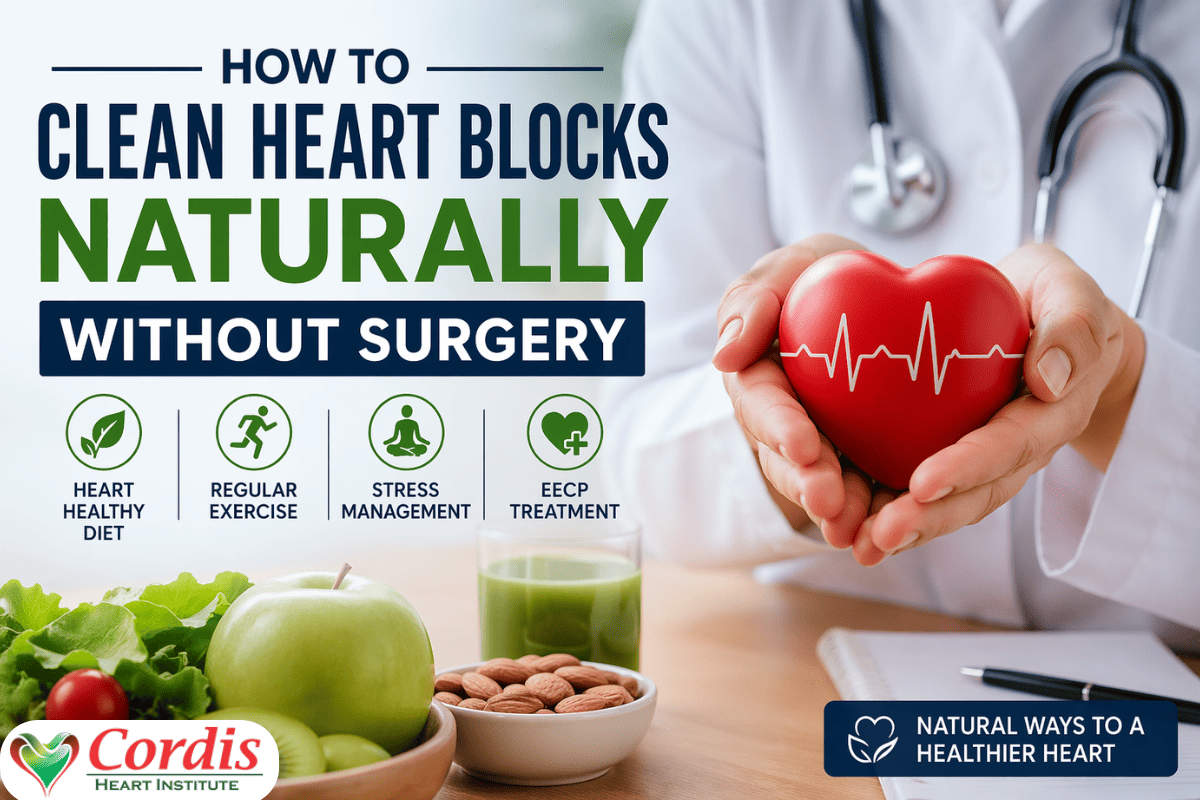
Heart blockage is one of the most common and feared health conditions today. The moment people hear terms like “blocked arteries” or “angioplasty,” the first thought is surgery. But here’s the real question many patients ask: Is it possible to clean heart blocks naturally without surgery?
The answer isn’t black and white. While completely “removing” plaque naturally is rare, you can reduce blockage progression, improve blood flow, and even avoid surgery in many cases with the right approach.
At Cordis Heart Institute, under the guidance of Dr Abhijit Aklujkar, patients are increasingly opting for non-surgical solutions like lifestyle correction and advanced therapies such as EECP.
Let’s break it down in a practical, no-fluff way.
What Are Heart Blocks?
Understanding Heart Blockage
Heart blockage happens when fatty deposits (plaque) build up inside your arteries. This reduces blood flow to the heart, increasing the risk of chest pain and heart attack.
There are two main types:
- Partial blockage: Blood flow is reduced but not completely blocked
- Severe blockage: Blood flow is critically restricted
Common Causes of Heart Blockage
- High cholesterol
- Smoking
- Diabetes
- High blood pressure
- Lack of physical activity
Warning Signs You Shouldn’t Ignore
- Chest discomfort or heaviness
- Shortness of breath
- Fatigue during normal activities
- In some cases, no symptoms at all (silent blockage)
Can Heart Blocks Be Cleared Naturally?
Myth vs Reality
Let’s be clear. The idea of completely “cleaning” arteries naturally is often exaggerated.
What is possible:
- Slowing plaque buildup
- Stabilizing existing blockages
- Improving blood circulation
- Reducing symptoms
When Surgery Is Not Immediately Required
You may not need surgery if:
- Blockage is mild to moderate
- Symptoms are manageable
- Your condition is stable
This is where natural methods and non-surgical treatments can help.
Best Natural Ways to Reduce Heart Blockage
1. Follow a Heart-Healthy Diet
Your diet directly affects your arteries.
Foods to include:
- Leafy greens like spinach and kale
- Nuts (almonds, walnuts)
- Omega-3 rich foods like fish and flaxseeds
- Fruits rich in antioxidants
Foods to avoid:
- Fried foods
- Processed snacks
- Trans fats
- Excess sugar
👉 Tip: Aim for a diet that supports cholesterol control naturally.
2. Exercise Regularly
Physical activity improves blood circulation and heart strength.
Best options:
- Brisk walking (30 minutes daily)
- Light jogging or cycling
- Yoga and breathing exercises
Consistency matters more than intensity.
3. Lifestyle Changes That Actually Work
- Quit smoking completely
- Limit alcohol intake
- Manage stress through meditation or mindfulness
- Maintain a healthy weight
4. Control Cholesterol & Blood Pressure
- Increase fiber intake (oats, vegetables)
- Reduce salt consumption
- Monitor levels regularly
These changes directly impact how your arteries behave over time.
EECP Treatment: A Proven Non-Surgical Solution
What Is EECP Treatment?
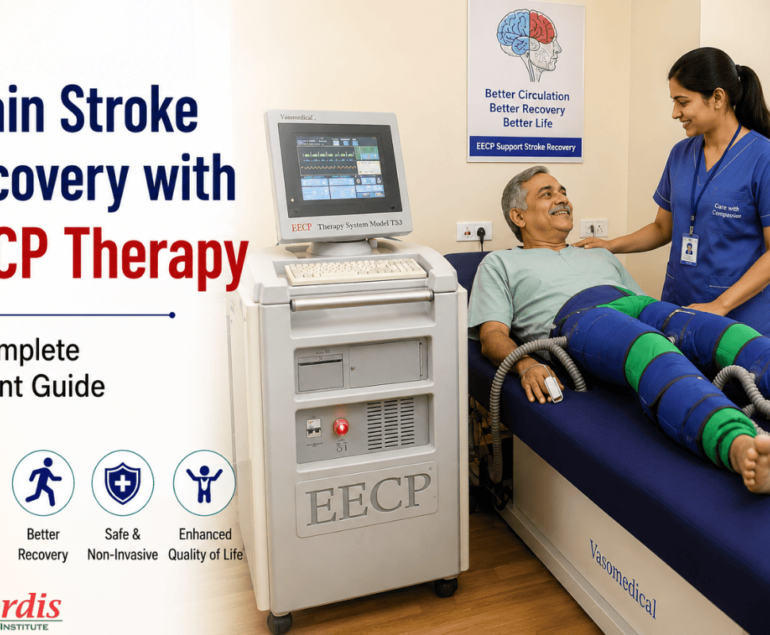
EECP (Enhanced External Counter Pulsation) is a non-invasive therapy that improves blood flow to the heart.
It works by:
- Using cuffs around the legs
- Increasing circulation during treatment sessions
- Helping develop natural bypass (collateral circulation)
Benefits of EECP
- No surgery
- No hospital stay
- No recovery downtime
- Improves oxygen supply to the heart
Who Should Consider EECP?
- Patients who want to avoid bypass surgery
- People with chronic chest pain (angina)
- Those not suitable for surgery
EECP at Cordis Heart Institute
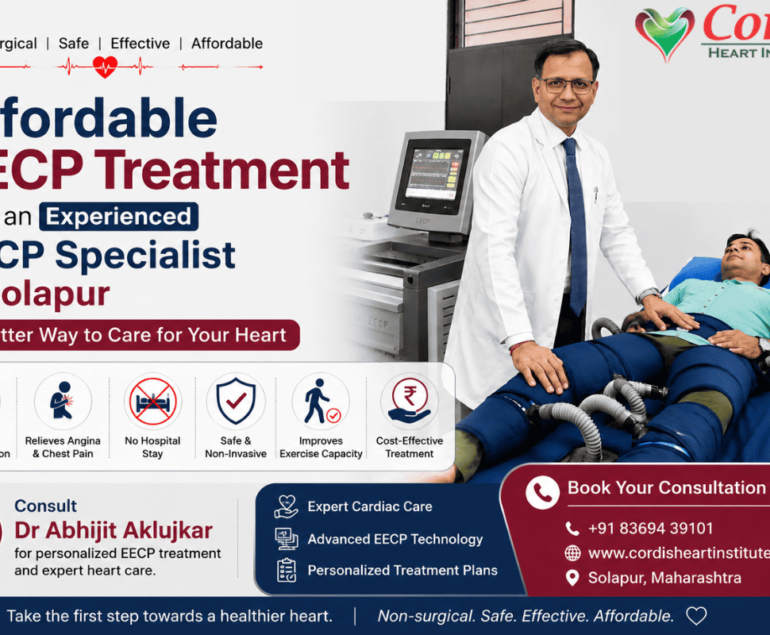
At Cordis Heart Institute, EECP is offered under expert supervision by Dr Abhijit Aklujkar, focusing on patient safety and long-term improvement.
Natural Remedies vs Medical Treatments
Approach | What It Does | Best For |
Lifestyle changes | Slows progression | Early-stage blockage |
Medication | Controls risk factors | Moderate cases |
EECP | Improves circulation | Non-surgical option |
Surgery | Removes blockage | Severe cases |
👉 In many cases, a combination works best.
How Long Does It Take to See Results?
There’s no overnight fix.
- Diet & lifestyle: 3–6 months
- EECP therapy: noticeable improvement within weeks
- Long-term control: ongoing effort
Regular tests like lipid profile and stress tests help track progress.
Risks of Ignoring Heart Blockage
Ignoring symptoms can lead to:
- Heart attack
- Stroke
- Sudden cardiac arrest
Early action makes a huge difference.
Frequently Asked Questions
Can heart blockage be removed without surgery?
Not completely in most cases, but it can be managed and reduced effectively.
What foods help clear blocked arteries?
Foods rich in fiber, omega-3, and antioxidants support artery health.
Is EECP treatment safe?
Yes, it is a clinically approved, non-invasive therapy with minimal risk.
How much blockage is dangerous?
Blockages above 70% are generally considered serious and need medical attention.
Can exercise remove plaque from arteries?
Exercise won’t remove plaque but helps prevent further buildup.
What is the best non-surgical treatment for heart blockage?
EECP is one of the most effective non-surgical options available today.
How do I know if I have heart blockage?
You need medical tests like ECG, stress test, or angiography for confirmation.
Conclusion: What Should You Do Next?
If you’re dealing with heart blockage, don’t jump straight to surgery.
Start with:
- Diet and lifestyle correction
- Regular monitoring
- Exploring non-surgical options like EECP
The right combination can help you manage the condition safely and effectively.
If you’re looking for a non-surgical solution:
Book your consultation at Cordis Heart Institute with Dr Abhijit Aklujkar today.