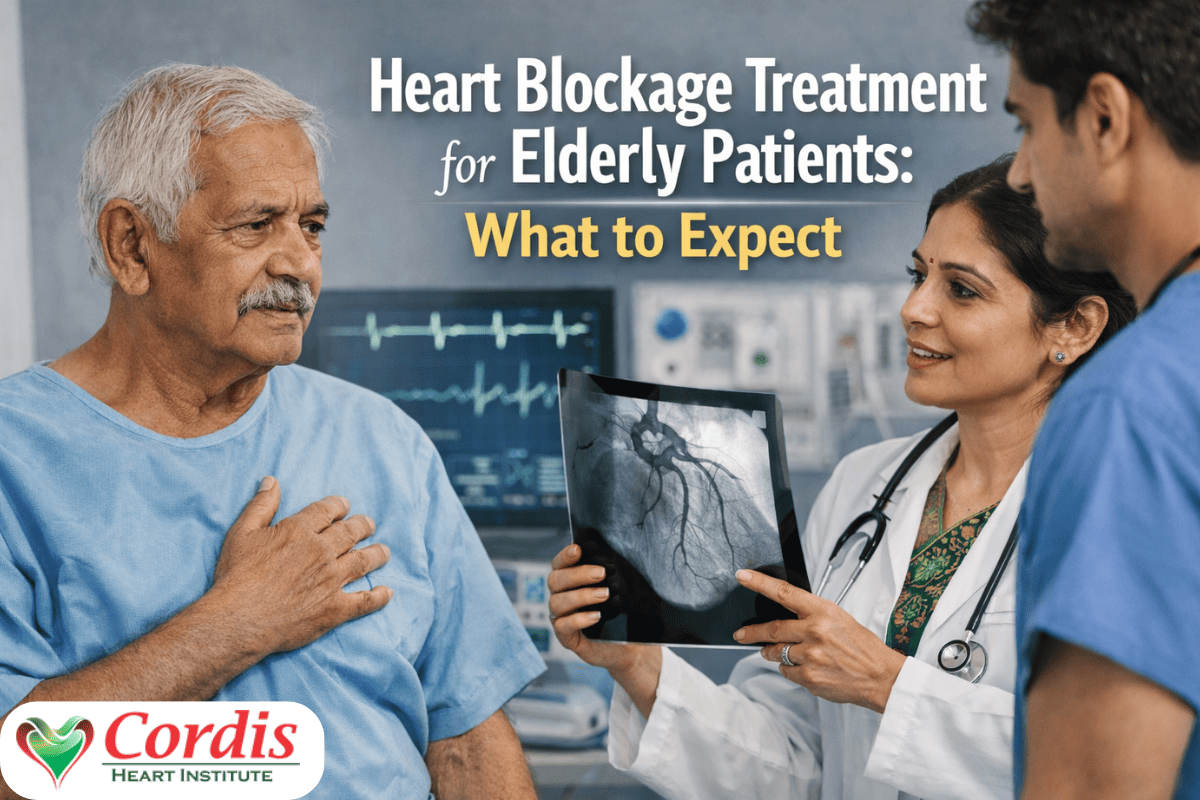
Heart disease becomes increasingly prevalent as people get older, and one of the greatest dangers associated with heart disease is having blocks in the arteries. For most families, the main question that comes to mind is what is the safest and most effective form of treatment for elderly individuals with blocked arteries.
When treating an elderly man or woman who has heart disease, the treatment decision will usually be much more difficult compared to treatment for a younger individual, because an elderly person will typically have other medical problems such as diabetes and hypertension. Therefore, when making a determination as to which treatment option an elderly person should receive will be based not only on the level of obstruction, but on their overall health, lifestyle, and how well they are able to recover from surgery.
At Cordis Heart Institute, under the direction of Dr. Abhijit Aklujkar, we develop an individualized treatment plan in our elderly patients that meets the needs of providing the best possible outcome in a manner that is safe, comfortable, and able to enhance the individual’s quality of life in the long-term.
In this publication, you will learn about the various types of treatments available for patients with heart blockages, information on how long the recovery from the different types of treatment may take, as well as how to make the best treatment decision for you or for your loved ones.
What is Heart Blockage?
Heart blockage occurs when the arteries supplying blood to the heart become narrowed or blocked due to plaque buildup. This condition is medically known as Coronary Artery Disease.
What Causes Heart Blockage in Elderly Patients
- Cholesterol buildup over time
- High blood pressure
- Diabetes
- Smoking history
- Sedentary lifestyle
As age increases, arteries naturally lose flexibility, making seniors more vulnerable.
Common Symptoms in Senior Citizens
Heart blockage symptoms in elderly patients can sometimes be subtle or even silent.
- Chest discomfort or pressure
- Breathlessness while walking
- Unusual fatigue
- Dizziness
- Silent heart attacks (no obvious symptoms)
This makes early diagnosis and regular checkups very important.
Why Heart Blockage Treatment is Different for Elderly Patients
Treating elderly patients requires a careful and balanced approach.
- Multiple conditions: Many seniors have diabetes, kidney issues, or BP
- Higher surgical risk: Recovery may take longer
- Medication sensitivity: Side effects can be stronger
- Focus on quality of life: Not just survival, but comfort and independence
This is why personalized care from experienced specialists matters.
Types of Heart Blockage Treatment Options
Choosing the right heart blockage treatment depends on the severity of blockage and overall health.
1. Medication-Based Heart Blockage Treatment
For mild to moderate blockage, doctors often start with medicines.
- Blood thinners to prevent clots
- Statins to reduce cholesterol
- BP control medications
This approach is suitable when surgery is not necessary or risky.
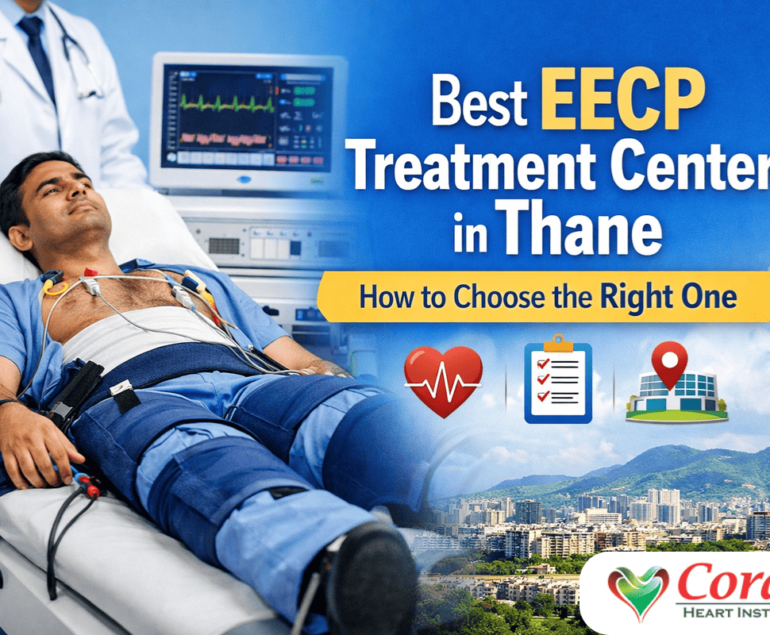
2. Non-Surgical Treatment (EECP Therapy)
One of the safest options for elderly patients is Enhanced External Counterpulsation (EECP).
How it works:
- Improves blood flow to the heart
- Reduces chest pain
- Enhances oxygen supply
Why it’s ideal for seniors:
- Non-invasive
- No surgery or anesthesia
- Minimal risk
This treatment is available at Cordis Heart Institute, making it a strong option for patients who want to avoid surgery.
3. Angioplasty (Stent Placement)
Coronary Angioplasty involves opening blocked arteries using a balloon and placing a stent.
- Recommended for severe blockages
- Faster recovery than surgery
- Still carries some risk in elderly patients
4. Bypass Surgery (CABG)
Coronary Artery Bypass Surgery is used when multiple arteries are blocked.
- Creates a new route for blood flow
- More invasive
- Longer recovery time
Doctors usually recommend this only when absolutely necessary for elderly patients.
How Doctors Decide the Best Heart Blockage Treatment
At Cordis Heart Institute, treatment decisions are based on:
- Age and overall health
- Severity and location of blockage
- Lifestyle and mobility
- Patient preferences
Dr Abhijit Aklujkar ensures that each patient receives a treatment plan that balances safety and effectiveness.
What to Expect Before, During, and After Treatment
Diagnosis Process
- ECG
- 2D Echo
- Angiography
These tests help identify the severity of blockage.
During Treatment
- Hospital stay may vary from a few hours to several days
- Non-surgical options like EECP don’t require admission
- Procedures are explained in simple terms to patients and families
Recovery & Aftercare
- Follow a heart-healthy diet
- Take medications regularly
- Gradual physical activity
- Routine follow-ups
Recovery depends on the type of heart blockage treatment chosen.
Risks and Safety of Heart Blockage Treatment in Elderly
Every treatment has some risks, but proper care reduces complications.
- Surgical risks in bypass
- Bleeding or clotting risks in angioplasty
- Medication side effects
This is why expert supervision is essential.
Best Lifestyle Changes to Support Heart Blockage Treatment
Long-term success depends on daily habits.
- Eat low-fat, heart-friendly food
- Walk regularly (as advised by doctor)
- Manage stress
- Quit smoking
- Maintain regular checkups
Even the best heart blockage treatment needs lifestyle support to work effectively.
Why Choose Cordis Heart Institute for Heart Blockage Treatment
- Focus on elderly cardiac care
- Availability of non-surgical options like EECP
- Personalized treatment plans
- Experienced guidance by Dr Abhijit Aklujkar
Patients receive care that is both safe and suited to their condition.
FAQs: Heart Blockage Treatment for Elderly Patients
1. What is the safest heart blockage treatment for elderly patients?
Non-surgical options like EECP and medication are often considered safer, depending on the condition.
2. Can heart blockage be treated without surgery in old age?
Yes, many patients benefit from medicines and EECP therapy.
3. Is angioplasty safe for patients above 70?
It can be safe if the patient is stable and properly evaluated.
4. How long does recovery take after heart blockage treatment?
Recovery varies from a few days (angioplasty) to weeks (bypass surgery).
5. What are the warning signs of severe heart blockage?
Chest pain, breathlessness, and sudden fatigue.
6. Is EECP effective for elderly heart patients?
Yes, it improves blood flow and reduces symptoms without surgery.
7. Can lifestyle changes reverse heart blockage?
They may not fully reverse it but can prevent worsening.
Conclusion: Take the Right Step at the Right Time
Heart problems can be scary for older adults; however, fortunately there are many options for treatment to prevent blockage of the heart today that will be safe and effective.
There are different treatments available based on the results of your or your loved one’s symptom evaluation, including medication and non-invasive forms of therapy (such as EECP), as well as surgical methods including angioplasty or bypass surgery.
If you or your loved one are experiencing symptoms, you cannot afford to wait.
If you see someone with potential symptoms of heart blockage, do not hesitate to book a consultation at Cordis Heart Institute with Dr Aklujkar. Early diagnosis and receiving the right treatment will guide you to optimal heart health.