Heart surgery can feel overwhelming. The thought of bypass surgery, long hospital stays, heavy expenses, and weeks of recovery is enough to make many patients anxious. In fact, one of the most common questions heart patients ask today is:
“Is there any treatment for heart blockage without surgery?”
The good news is that not every heart patient immediately needs bypass surgery or angioplasty. Modern cardiology now offers non-invasive options that may help improve blood circulation naturally and reduce symptoms without major surgery.
One such option is EECP therapy, a widely discussed non surgical heart treatment in Thane offered at Cordis Heart Institute under the guidance of Dr Abhijit Aklujkar.
For suitable patients, this treatment may help reduce chest pain, improve stamina, and support heart health without cuts, stitches, or lengthy hospitalization.
What Is Non Surgical Heart Treatment?
Non surgical heart treatment refers to therapies that help improve heart function without open-heart surgery or invasive procedures. Among these treatments, EECP therapy has become increasingly popular for patients looking for a safer alternative.
Understanding EECP Therapy
EECP stands for Enhanced External Counter Pulsation. It is a non-invasive treatment designed to improve blood flow to the heart naturally.
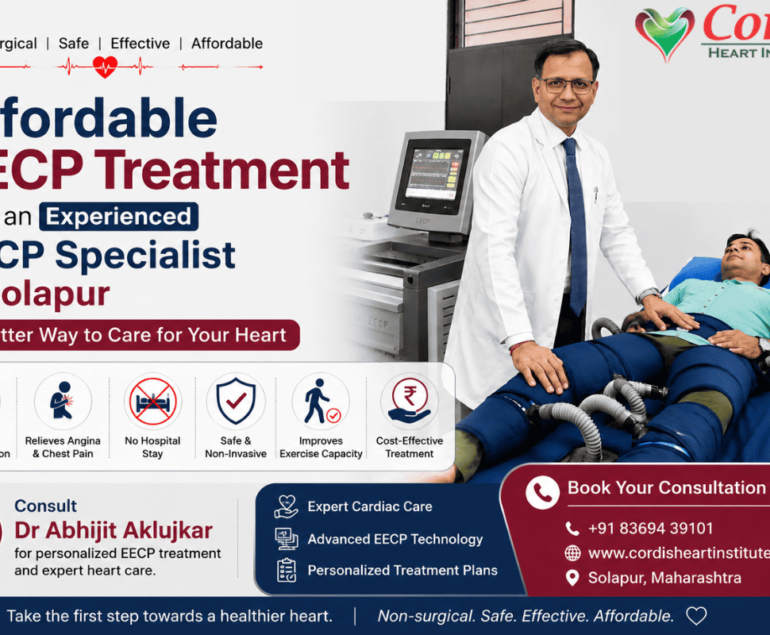
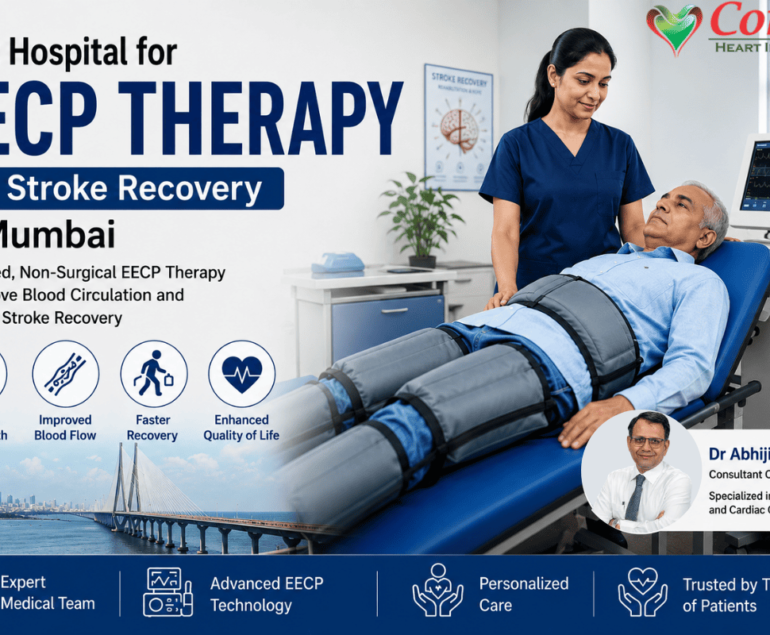
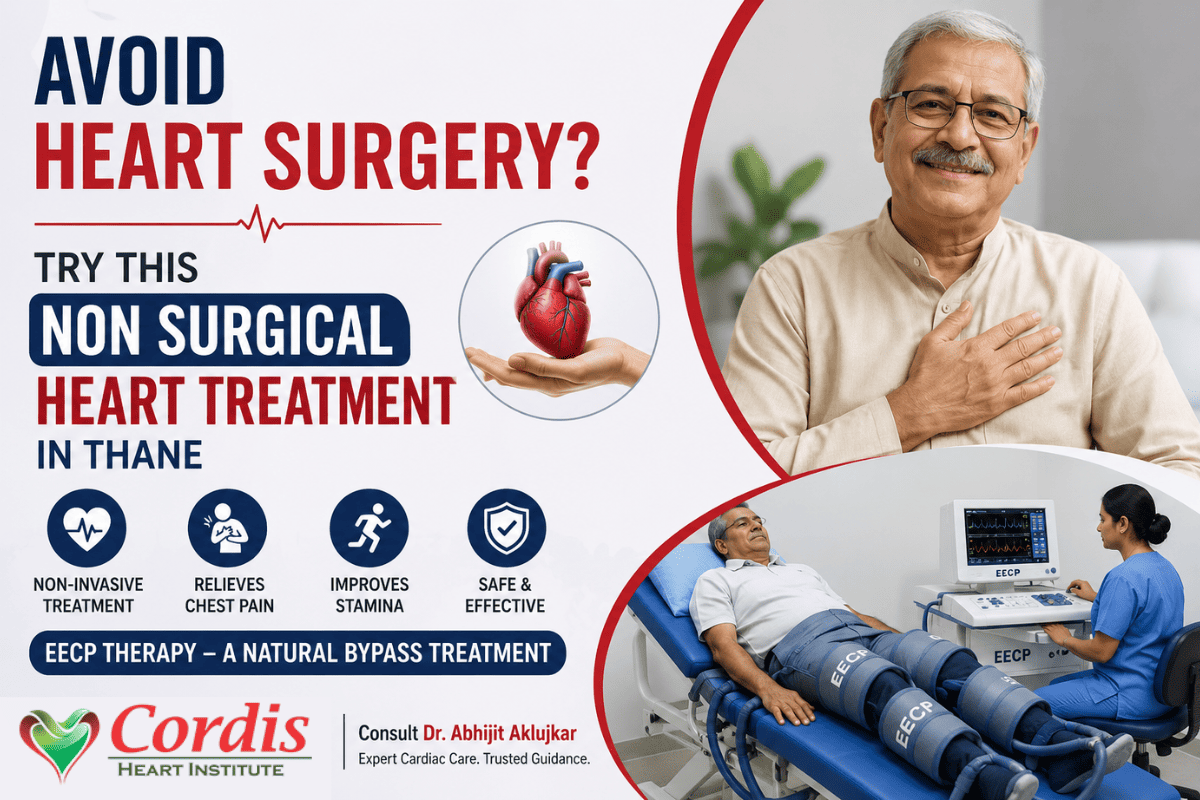
During the procedure, inflatable cuffs are wrapped around the legs. These cuffs gently inflate and deflate in sync with the heartbeat. This process helps push oxygen-rich blood toward the heart and may encourage the formation of small natural bypass blood vessels.
That is why many people call EECP a “natural bypass treatment.”
Unlike surgery, there are:
- No cuts
- No anesthesia
- No ICU stay
- No long recovery period
Patients simply lie comfortably during the sessions while the machine works to support circulation.
How EECP Helps Heart Patients
Patients with blocked arteries often experience reduced blood flow to the heart. This can lead to:
- Chest pain
- Breathlessness
- Fatigue
- Reduced physical activity
EECP therapy may help by:
- Improving circulation
- Increasing oxygen supply
- Reducing angina symptoms
- Supporting heart function
- Improving energy levels
Many patients report feeling more active and comfortable after completing their treatment sessions.
Who Should Consider EECP Treatment?
Not every patient requires surgery immediately. In some cases, doctors may suggest trying a non-invasive heart treatment first.
Patients With Heart Blockage
People diagnosed with mild or moderate heart blockage may benefit from EECP therapy. It can be considered for:
- Coronary artery disease
- Angina patients
- Reduced blood flow conditions
Some patients who were advised bypass surgery may also discuss EECP with their cardiologist as an additional option.
Elderly or High-Risk Patients
Certain patients are considered high-risk for surgery, including:
- Elderly individuals
- Diabetic patients
- Patients with kidney problems
- Patients with multiple health conditions
For such patients, avoiding invasive surgery can sometimes reduce complications and recovery challenges.
Patients With Recurring Chest Pain
Patients experiencing recurring chest discomfort or breathlessness during walking or physical activity often look for alternatives to surgery.
EECP therapy may help reduce these symptoms and improve daily comfort levels.
How EECP Treatment Works
One reason many people prefer EECP treatment in Thane is because the process is simple and comfortable.
Step-by-Step EECP Procedure
A standard EECP session usually lasts around one hour.
Here’s what typically happens:
- The patient lies on a treatment bed.
- Inflatable cuffs are wrapped around the calves, thighs, and hips.
- The machine synchronizes with the heartbeat using ECG monitoring.
- The cuffs inflate and deflate rhythmically.
Most treatment plans involve:
- 35 sessions
- 5 to 6 sessions per week
- Around 6 to 7 weeks of therapy
Is EECP Painful?
No. EECP is generally considered painless and non-invasive.
Patients remain awake throughout the session and can even relax, listen to music, or watch television.
Unlike surgery:
- No stitches are involved
- No hospitalization is needed
- No anesthesia is required
That makes it appealing for people searching for safe heart treatment without surgery.
Recovery During Treatment
Since EECP is non-invasive, most patients continue their regular daily routine during therapy.
Doctors may also recommend:
- Walking regularly
- Following a heart-healthy diet
- Managing stress
- Avoiding smoking and alcohol
These lifestyle changes often work together with the therapy to support better results.
Benefits of Non Surgical Heart Treatment
The biggest reason patients search for non surgical heart treatment in Thane is simple: they want effective treatment without major surgery.
Avoid Major Surgery Risks
Heart surgeries can involve:
- Infection risks
- Long recovery periods
- ICU care
- Physical discomfort
EECP avoids many of these concerns because it does not involve any surgical procedure.
Faster Recovery
After bypass surgery, recovery may take weeks or even months.
With EECP therapy, many patients continue normal activities during the treatment period itself.
That means:
- Less interruption to work
- Better mobility
- Easier daily life
More Affordable Than Surgery
Heart surgeries can be financially stressful for many families.
EECP therapy is often considered a more affordable option compared to bypass surgery, especially when hospitalization costs are included.
Improved Quality of Life
Patients who respond well to EECP treatment often report:
- Better stamina
- Reduced chest discomfort
- Easier breathing
- Increased confidence in daily activities
While results vary from person to person, many people experience noticeable improvements in their overall lifestyle.
Why Choose Dr Abhijit Aklujkar at Cordis Heart Institute?
Choosing the right cardiologist is just as important as choosing the treatment itself.
At Cordis Heart Institute, patients receive focused cardiac care under the guidance of Dr Abhijit Aklujkar.
Patient-Focused Cardiac Care
Every heart patient is different. Some may require surgery, while others may benefit from non-invasive therapies.
A detailed evaluation helps determine:
- Severity of blockage
- Heart function
- Symptoms
- Existing medical conditions
This personalized approach helps patients understand their available treatment options clearly.
Modern Cardiac Assessment
Advanced diagnostic methods help evaluate heart health accurately before recommending treatment.
This allows patients to make informed decisions regarding:
- EECP therapy
- Medication management
- Lifestyle modifications
- Surgical options if needed
Support Beyond Treatment
Heart care is not only about procedures. It also includes:
- Diet guidance
- Exercise planning
- Stress management
- Long-term heart monitoring
Patients often appreciate having continuous guidance throughout their recovery journey.
EECP vs Bypass Surgery: Which Is Better?
This is one of the most searched questions online.
The answer depends entirely on the patient’s condition.
Feature | EECP Therapy | Bypass Surgery |
Invasive | No | Yes |
Hospital Stay | Minimal | Several Days |
Recovery Time | Faster | Longer |
Surgical Risks | Lower | Higher |
Cost | Usually Lower | Higher |
When Surgery May Still Be Necessary
It is important to understand that EECP is not a replacement for surgery in every case.
Some severe conditions may still require:
- Angioplasty
- Stent placement
- Bypass surgery
That is why proper evaluation by a cardiologist is essential before choosing treatment.
A balanced approach always works best.
Lifestyle Changes That Support Heart Recovery
Even the best treatment works better when combined with healthy habits.
Follow a Heart-Healthy Diet
Focus on:
- Fresh vegetables
- Fruits
- Whole grains
- Lean protein
- Less salt and processed food
Avoid excessive:
- Fried food
- Sugar
- Smoking
- Alcohol
Stay Physically Active
Simple activities like walking can support heart health significantly.
Regular movement helps:
- Improve circulation
- Maintain weight
- Reduce stress
- Improve stamina
Manage Stress Properly
Stress can affect blood pressure and heart health.
Helpful practices include:
- Meditation
- Deep breathing
- Yoga
- Adequate sleep
Frequently Asked Questions About Non Surgical Heart Treatment
What is the best non surgical treatment for heart blockage?
EECP therapy is one of the most commonly discussed non-invasive treatments for improving circulation and reducing symptoms related to heart blockage.
Is EECP treatment safe?
EECP is generally considered safe for eligible patients when performed under medical supervision.
Can EECP replace bypass surgery?
Not always. Some patients may still require surgery depending on the severity of blockage and overall heart condition.
How many EECP sessions are needed?
Most treatment plans include around 35 sessions over several weeks.
Is there any recovery time after EECP?
Since the treatment is non-invasive, patients usually continue normal activities during therapy.
Who should avoid EECP therapy?
Patients with certain medical conditions may not be suitable candidates. A cardiologist evaluation is necessary before starting treatment.
Final Thoughts
Heart disease treatment has changed significantly over the years. Today, many patients are actively searching for safer and less invasive options before considering major surgery.
For eligible individuals, EECP therapy may offer a promising non surgical heart treatment in Thane that supports circulation, reduces discomfort, and improves quality of life.
The key is early diagnosis and proper medical guidance.
If you or your loved one is dealing with chest pain, heart blockage, or reduced stamina, consulting an experienced cardiologist can help you understand the right path forward.
To learn more about EECP treatment and personalized cardiac care, connect with Dr Abhijit Aklujkar at Cordis Heart Institute.