Heart disease is still one of the most common health concerns today, and many patients hesitate when they hear words like surgery, stents, or bypass. The fear is real. People want a solution that works but doesn’t involve major procedures or long recovery time. That’s where EECP treatment benefits come into the picture.
Enhanced External Counterpulsation (EECP) is gaining attention as a non-surgical heart treatment that helps improve blood flow and reduce chest pain without invasive procedures. At Cordis Heart Institute, under the guidance of Dr Abhijit Aklujkar, many patients are now exploring this safer path to heart care.
If you’re looking for a safe heart blockage treatment, this guide will help you understand how EECP works, who it’s for, and whether it’s the right option for you.
What is EECP Treatment?
EECP (Enhanced External Counterpulsation) is a non-invasive therapy designed to improve blood circulation to the heart. It is especially useful for patients dealing with angina or blocked arteries who want to avoid surgery.
How EECP Therapy Works
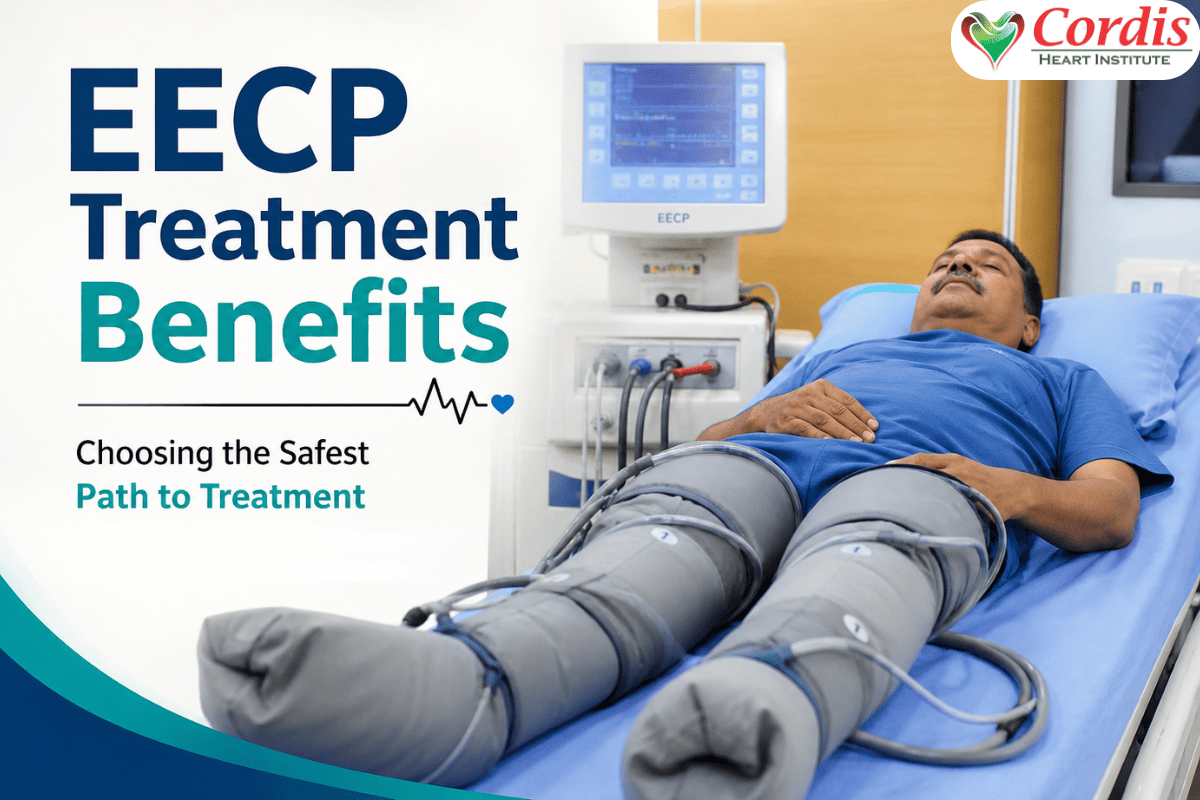
During EECP therapy, cuffs are wrapped around your legs and thighs. These cuffs inflate and deflate in sync with your heartbeat. This process helps push blood back toward the heart, increasing oxygen supply and improving circulation.
Over time, this encourages the formation of new blood vessels, also known as collateral circulation. These new pathways help bypass blocked arteries naturally.
Who Needs EECP Treatment?
EECP is often recommended for:
- Patients with chronic chest pain (angina)
- Individuals with heart blockage who want to avoid surgery
- Patients who are not fit for angioplasty or bypass
- Those still experiencing symptoms after stent or bypass procedures
Top EECP Treatment Benefits
- Non-Surgical and Safe Treatment Option
One of the biggest advantages of EECP is that it doesn’t involve surgery. There are no cuts, no anesthesia, and no hospital stay. This makes it a strong option for patients who are worried about invasive procedures.
- Improves Blood Circulation Naturally
EECP helps your body create new blood vessels. This natural process improves blood flow to the heart and reduces strain on blocked arteries.
- Reduces Chest Pain (Angina Relief)
Many patients report a noticeable reduction in chest pain after completing EECP sessions. This leads to better daily functioning and improved quality of life.
- Low Risk Compared to Surgery
Compared to bypass surgery or angioplasty, EECP carries minimal risk. It’s especially helpful for elderly patients or those with multiple health conditions.
- Faster Recovery with No Downtime
Since it’s non-invasive, patients can resume normal activities almost immediately after each session. There’s no long recovery period.
EECP vs Surgery: Which is Safer?
When choosing between EECP and traditional procedures, safety and recovery are major concerns.
EECP vs Bypass Surgery
Factor | EECP | Bypass Surgery |
Invasiveness | Non-invasive | Major surgery |
Recovery Time | Immediate | Weeks to months |
Risk | Low | Moderate to high |
Hospital Stay | Not required | Required |
EECP vs Angioplasty
Factor | EECP | Angioplasty |
Procedure Type | External therapy | Invasive |
Repeat Risk | Low | Possible |
Downtime | None | Few days |
When Doctors Recommend EECP
Doctors may suggest EECP when:
- Surgery is risky
- Symptoms persist after other treatments
- Patients prefer a non-surgical option
At Cordis Heart Institute, Dr Abhijit Aklujkar evaluates each case carefully before recommending the best approach.
Why Choose EECP Treatment at Cordis Heart Institute
Choosing the right center matters just as much as choosing the treatment.
At Cordis Heart Institute, patients benefit from:
- Advanced EECP equipment
- Close monitoring by Dr Abhijit Aklujkar
- Personalized treatment plans
- Strong patient support and follow-up care
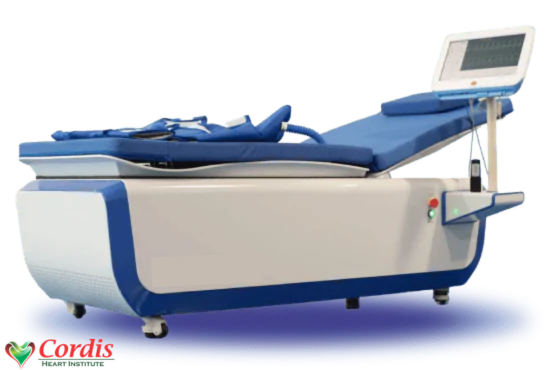
This combination helps improve outcomes and ensures patients feel confident throughout the process.
Who is the Right Candidate for EECP Therapy?
EECP is suitable for:
- Patients with stable angina
- Individuals with lifestyle-related heart issues
- People not eligible for surgery
- Patients looking for a non-invasive option
However, it may not be suitable for certain conditions like severe valve disease or uncontrolled hypertension. A proper medical evaluation is always required.
EECP Treatment Procedure: Step-by-Step
Before Treatment
- Medical assessment
- Review of symptoms and history
- Basic tests like ECG or stress test
During the Session
- Patient lies comfortably on a treatment bed
- Cuffs are placed on legs
- Each session lasts about 1 hour
- Typically done 5–6 days a week for several weeks
After Treatment
- No recovery time needed
- Gradual improvement in symptoms
- Regular follow-ups recommended
Are There Any Side Effects of EECP?
EECP is generally considered safe. Some patients may experience:
- Mild leg discomfort
- Skin irritation due to cuffs
- Temporary fatigue
Serious side effects are rare when performed under proper medical supervision.
EECP Success Rate and Patient Outcomes
Studies and clinical experience suggest that many patients experience:
- Reduced angina symptoms
- Improved exercise capacity
- Better overall heart function
At centers like Cordis Heart Institute, outcomes improve further with expert supervision and proper patient selection.
Cost of EECP Treatment in India
The cost of EECP treatment in India is significantly lower than surgery.
- EECP: More affordable overall
- Angioplasty: Moderate cost
- Bypass surgery: Expensive
Exact pricing depends on the number of sessions and individual patient needs. Still, EECP remains one of the most affordable heart treatment options in India.
FAQs About EECP Treatment
Is EECP better than angioplasty?
It depends on the condition. EECP is a good option for patients who want a non-surgical route or are not fit for angioplasty.
How long does EECP treatment last?
Each session lasts about an hour, and the full course usually runs for several weeks.
Is EECP treatment permanent?
Results can last long, especially with lifestyle changes and proper care.
Can EECP remove heart blockage?
It doesn’t remove blockages but improves blood flow by creating new pathways.
Is EECP painful?
Most patients find it comfortable, though some feel mild pressure.
Who should avoid EECP therapy?
Patients with certain conditions like severe valve disease should consult a doctor before considering EECP.
Conclusion: Is EECP the Right Choice for You?
If you’re looking for a safe heart blockage treatment without surgery, EECP offers a strong alternative. It improves blood flow, reduces symptoms, and allows you to get back to normal life without the stress of major procedures.
At Cordis Heart Institute, guided by Dr Abhijit Aklujkar, patients receive focused care tailored to their condition.
Ready to take the next step? Book a consultation today and find out if EECP is the right treatment for your heart.