Paralysis can change a person’s life overnight. Everyday activities such as walking, holding objects, speaking, or even getting out of bed may become difficult after a stroke or neurological injury. While rehabilitation remains the foundation of recovery, many patients and caregivers are now asking whether Enhanced External Counterpulsation for Paralysis can offer additional support during recovery.
Enhanced External Counterpulsation (EECP) is a non-invasive therapy that has been widely used for patients with coronary artery disease and chronic angina. In recent years, researchers have also started exploring its potential role in improving blood circulation to the brain and supporting stroke rehabilitation. Although EECP is not a cure for paralysis, it may benefit selected patients by improving circulation, oxygen delivery, and overall physical function when combined with conventional rehabilitation.
At Cordis Heart Institute, Dr Abhijit Aklujkar carefully evaluates every patient before recommending EECP therapy. This personalized approach helps determine whether the treatment may be a suitable addition to an individual’s recovery plan.
What Is Paralysis?
Paralysis is the loss of muscle movement in one or more parts of the body. Depending on the cause and severity, paralysis may affect a small area or an entire side of the body. It can occur suddenly, such as after a stroke, or develop gradually because of neurological disorders.
Some people experience temporary paralysis, while others may live with permanent movement limitations.
Partial vs Complete Paralysis
Partial paralysis means a person still has some muscle movement or sensation in the affected area.
Complete paralysis means there is no voluntary movement in the affected muscles.
The level of recovery depends on the cause, severity of nerve damage, and the rehabilitation received.
Types of Paralysis
Hemiplegia
Affects one side of the body and is commonly caused by stroke.
Paraplegia
Affects both legs and the lower body, usually after spinal cord injury.
Quadriplegia
Affects both arms and both legs due to severe spinal cord damage.
Monoplegia
Affects only one limb, such as an arm or a leg.
Common Causes of Paralysis
Several medical conditions can lead to paralysis, including:
- Stroke
- Brain injury
- Spinal cord injury
- Multiple sclerosis
- Brain tumors
- Cerebral palsy
- Neurological disorders
Among these, stroke remains one of the leading causes of paralysis worldwide.
What Is Enhanced External Counterpulsation (EECP)?
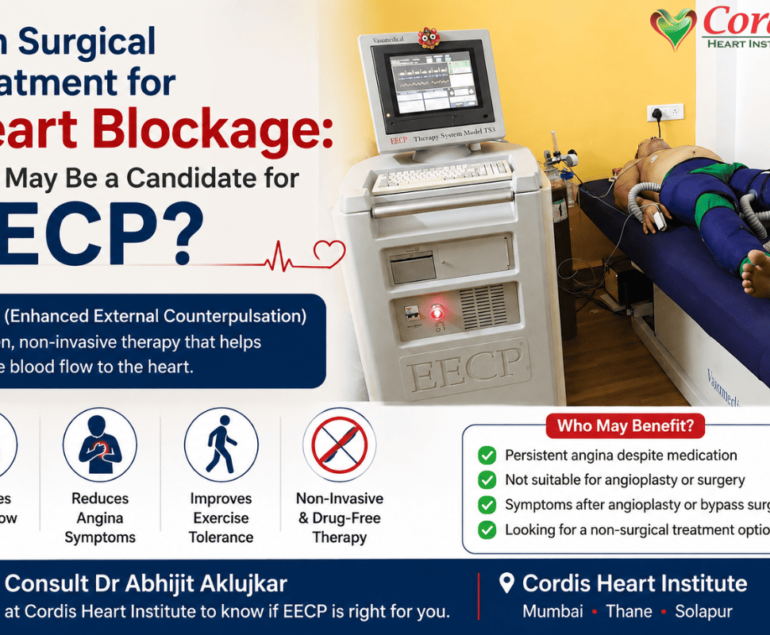
Enhanced External Counterpulsation (EECP) is a non-surgical therapy designed to improve blood circulation throughout the body.
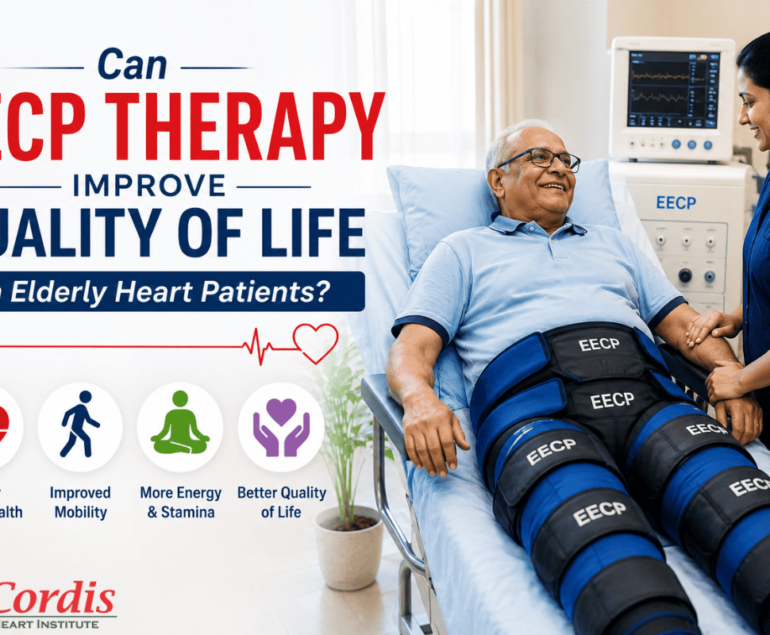
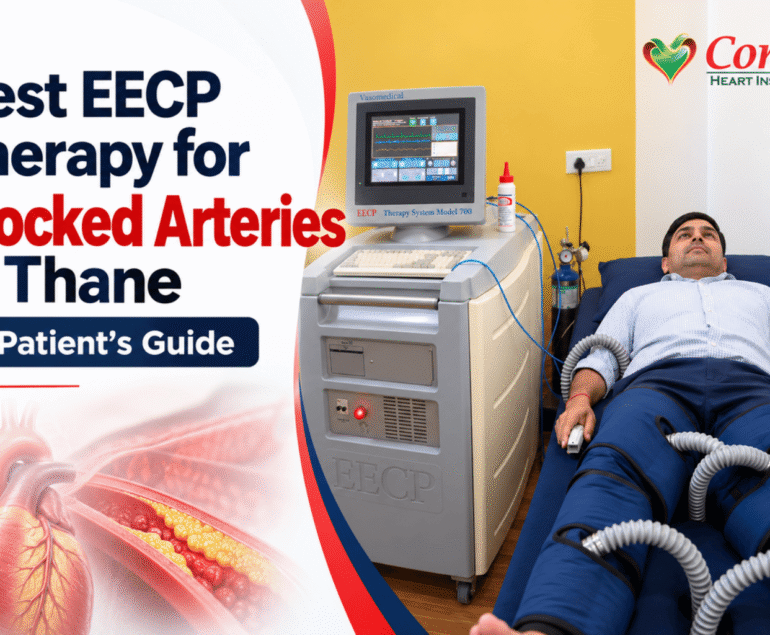
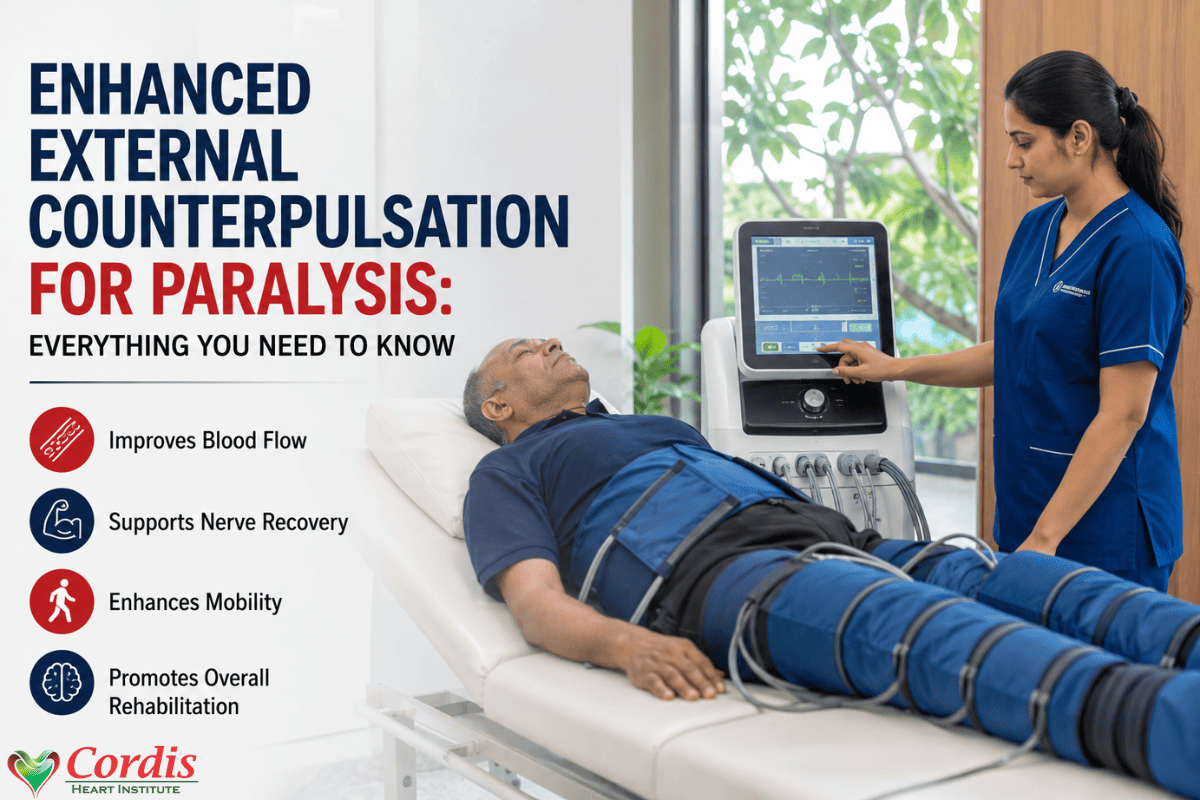
During treatment, inflatable cuffs are wrapped around the patient’s calves, thighs, and buttocks. These cuffs inflate and deflate in sync with the heartbeat using ECG monitoring.
This process helps increase blood flow during the heart’s resting phase while reducing the heart’s workload during pumping.
How EECP Works
The treatment follows a carefully timed sequence.
- Cuffs inflate one after another from the calves upward.
- Blood is gently pushed back toward the heart.
- Blood flow to vital organs increases.
- Oxygen-rich blood reaches tissues more efficiently.
Over time, improved circulation may support natural healing processes in selected patients.
How Long Does EECP Treatment Take?
A standard EECP session usually lasts about one hour.
Many patients receive therapy five to six days a week for approximately seven weeks, totaling around 35 sessions. However, treatment plans vary depending on the patient’s condition and medical advice.
Who Can Benefit from EECP?
EECP is commonly recommended for patients with:
- Chronic stable angina
- Coronary artery disease
- Heart failure in selected cases
- Patients who are not suitable candidates for bypass surgery or angioplasty
Researchers are also studying its potential role in stroke recovery and neurological rehabilitation.
Can Enhanced External Counterpulsation Help Patients with Paralysis?
One of the biggest questions patients ask is whether EECP can reverse paralysis.
The simple answer is no.
EECP does not repair damaged brain cells or nerves. However, it may support recovery by improving blood circulation and oxygen delivery, particularly in patients recovering from stroke.
The Connection Between Blood Flow and Recovery
The brain requires a constant supply of oxygen and nutrients to function properly.
After a stroke, blood flow to certain areas of the brain is disrupted. Although rehabilitation helps the brain adapt through neuroplasticity, adequate circulation remains important for overall recovery.
EECP may help improve circulation, which could support ongoing rehabilitation efforts.
Potential Benefits of EECP for Paralysis
When used alongside physiotherapy and medical treatment, EECP may offer benefits such as:
- Improved blood circulation
- Better oxygen delivery
- Reduced fatigue
- Increased exercise tolerance
- Better participation in rehabilitation
- Improved quality of life
These improvements vary from person to person and should not be considered guaranteed outcomes.
What Does Research Say About EECP for Paralysis?
Current research is encouraging but still limited.
Several small studies have suggested that EECP may improve cerebral blood flow and support neurological recovery in selected stroke patients.
Researchers believe improved circulation may create a better environment for brain recovery, especially when combined with rehabilitation.
However, larger clinical trials are still needed before EECP can become a standard treatment specifically for paralysis.
Patients should understand that current evidence supports EECP as a supportive therapy, not a replacement for established stroke rehabilitation.
Who Is a Good Candidate for EECP Therapy?
Not every patient with paralysis is suitable for EECP.
A detailed medical assessment is essential before starting treatment.
Patients who may benefit include:
- Individuals recovering from ischemic stroke
- Patients with reduced physical endurance
- Patients participating in active rehabilitation
- Patients with cardiovascular conditions where EECP is already indicated
EECP may not be suitable for patients with:
- Severe uncontrolled hypertension
- Active blood clots
- Severe valve disease
- Certain irregular heart rhythms
- Advanced peripheral artery disease
At Cordis Heart Institute, Dr Abhijit Aklujkar performs a complete evaluation before recommending treatment.
Benefits of EECP Therapy for Stroke Recovery
Increased Blood Flow to the Brain
Improved circulation may help deliver more oxygen and nutrients to healthy brain tissue.
Better Oxygen Delivery
Oxygen is essential for tissue repair and overall body function.
Improved Physical Endurance
Many patients report feeling less tired after completing EECP therapy.
Improved stamina may help patients participate more actively in rehabilitation sessions.
Better Quality of Life
Some patients experience improvements in daily activities because of increased energy levels and improved circulation.
EECP Therapy vs Traditional Rehabilitation
EECP should never replace rehabilitation.
Instead, it should be viewed as an additional therapy that may support recovery.
Physiotherapy
Physiotherapy improves muscle strength, balance, walking ability, and coordination.
Occupational Therapy
Occupational therapists help patients regain independence in daily activities.
Speech Therapy
Speech therapists assist patients with communication and swallowing difficulties after stroke.
Where EECP Fits In
EECP may improve circulation and endurance, allowing patients to participate more effectively in rehabilitation programs.
What Happens During an EECP Session?
Before Treatment
The medical team reviews your health status and connects ECG leads for heart monitoring.
During Treatment
Inflatable cuffs gently inflate and defate according to your heartbeat.
Most patients relax, read, or listen to music during the session.
After Treatment
Patients can usually return to normal daily activities immediately.
No hospital admission is required.
Is EECP Painful?
Most patients describe the treatment as comfortable.
Some may notice pressure around the legs from the inflatable cuffs, but this usually becomes easier after the first few sessions.
Risks and Side Effects of EECP
EECP has been used safely for many years in properly selected patients.
Possible side effects include:
- Temporary skin redness
- Mild leg discomfort
- Muscle soreness
- Bruising around the cuff areas
Serious complications are uncommon when treatment is performed under medical supervision.
Lifestyle Tips to Improve Paralysis Recovery
Recovery depends on much more than one therapy.
Patients should also focus on healthy lifestyle habits.
Continue Physiotherapy
Attend every scheduled rehabilitation session.
Consistency makes a difference.
Eat a Balanced Diet
Include:
- Lean protein
- Fresh vegetables
- Fruits
- Whole grains
- Healthy fats
Proper nutrition supports healing.
Control Blood Pressure and Diabetes
Managing these conditions reduces the risk of another stroke.
Stay Physically Active
Follow your therapist’s exercise recommendations.
Even small improvements matter.
Take Care of Mental Health
Depression and anxiety are common after stroke.
Counseling, family support, and support groups can improve emotional well-being.
Why Choose Cordis Heart Institute for EECP Therapy?
Choosing the right healthcare provider plays an important role in recovery.
At Cordis Heart Institute, patients receive personalized treatment plans based on their medical condition and recovery goals.
Patients benefit from:
- Experienced cardiac specialists
- Modern EECP technology
- Individual patient assessments
- Evidence-based treatment recommendations
- Coordinated care with rehabilitation professionals
Under the guidance of Dr Abhijit Aklujkar, every patient is evaluated carefully to determine whether EECP therapy is appropriate.
Frequently Asked Questions
Is EECP therapy effective for paralysis?
EECP may support recovery in selected patients by improving blood circulation, but it is not a cure for paralysis.
Can EECP help stroke patients recover faster?
Some studies suggest improved circulation may support rehabilitation, although results vary between patients.
How many EECP sessions are needed?
A standard course includes approximately 35 one-hour sessions.
Is EECP safe for elderly stroke patients?
Many elderly patients tolerate EECP well after proper medical evaluation.
Can EECP cure paralysis?
No. EECP does not reverse paralysis but may complement rehabilitation.
What is the success rate of EECP for paralysis?
There is currently no established success rate because research is still ongoing.
Is EECP painful?
Most patients experience only mild pressure from the inflatable cuffs.
Who should avoid EECP therapy?
Patients with certain heart conditions, blood clots, severe valve disease, or uncontrolled hypertension may not be suitable candidates.
Can EECP be combined with physiotherapy?
Yes. EECP is often considered a supportive therapy alongside physiotherapy and other rehabilitation programs.
Where can I get EECP therapy for paralysis in Mumbai?
Patients looking for expert evaluation can consult Dr Abhijit Aklujkar at Cordis Heart Institute to determine whether EECP therapy is appropriate for their condition.
Conclusion
Recovering from paralysis is a long journey that requires patience, consistent rehabilitation, and expert medical care. While Enhanced External Counterpulsation for Paralysis is not a cure, growing research suggests it may help selected patients by improving blood circulation, supporting physical endurance, and complementing stroke rehabilitation.
The best results are achieved when EECP is combined with physiotherapy, occupational therapy, speech therapy, medication, and healthy lifestyle changes.
If you or a loved one is recovering from stroke-related paralysis, a detailed medical assessment can help determine whether EECP therapy may be a suitable part of the recovery plan.
Consult Dr Abhijit Aklujkar at Cordis Heart Institute
At Cordis Heart Institute, every patient receives an individualized evaluation before treatment. Dr Abhijit Aklujkar and the clinical team carefully assess your medical history, current health, and rehabilitation goals to recommend the most appropriate care.
Book a consultation today to learn whether EECP therapy can be a valuable addition to your stroke recovery journey.