Paralysis can change a person’s life within seconds. Whether it develops after a stroke, brain injury, spinal cord injury, or a neurological disorder, it can affect movement, independence, and confidence. While rehabilitation through physiotherapy and medical care remains the foundation of recovery, many patients and families also look for supportive treatments that may improve circulation and help with rehabilitation.
One such option is EECP (Enhanced External Counterpulsation) Therapy. Originally developed to improve blood circulation in patients with heart disease, EECP is now being studied for its potential supportive role in selected patients recovering from stroke and paralysis. Although it is not a cure for paralysis, improving blood flow may support the body’s natural healing process when combined with standard rehabilitation.
If you are searching for Affordable EECP Therapy for Paralysis in Mumbai, this guide explains how EECP works, its possible benefits, who may be eligible, and why many patients choose Cordis Heart Institute for personalized care under the guidance of Dr Abhijit Aklujkar.
What Is Paralysis?
Paralysis is the loss of muscle function in one or more parts of the body. It occurs when communication between the brain and muscles is interrupted due to damage to the brain, spinal cord, or nerves. Depending on the severity and location of the injury, paralysis may affect a small area or the entire body.
Recovery differs from one person to another. Some individuals regain movement through rehabilitation, while others may require long-term supportive care.
Understanding Paralysis
Paralysis can be classified in several ways.
Temporary vs Permanent Paralysis
Temporary paralysis occurs when muscle movement returns after treatment or healing. It is commonly seen in certain nerve injuries or mild neurological conditions.
Permanent paralysis results from severe damage to the brain, spinal cord, or nerves where complete recovery may not be possible. Even in these situations, rehabilitation focuses on improving function, independence, and quality of life.
Partial vs Complete Paralysis
Partial paralysis means the affected muscles still have some movement or sensation.
Complete paralysis means there is no voluntary movement in the affected muscles.
The type of paralysis influences the rehabilitation plan and expected recovery.
Common Symptoms of Paralysis
Symptoms vary depending on the underlying condition but may include:
- Weakness in the arms or legs
- Loss of movement
- Muscle stiffness
- Difficulty walking
- Poor balance
- Loss of coordination
- Reduced sensation
- Difficulty performing daily activities
Patients recovering from stroke may also experience speech problems, swallowing difficulties, or facial weakness.
Common Causes of Paralysis
Understanding the cause of paralysis helps doctors recommend the most appropriate treatment and rehabilitation plan.
Stroke
Stroke is one of the leading causes of paralysis worldwide. It happens when blood flow to part of the brain is blocked or when a blood vessel bursts. Brain cells begin to die within minutes due to a lack of oxygen, which can lead to weakness or paralysis on one side of the body.
Brain Injury
Accidents, falls, or trauma can damage the areas of the brain responsible for movement. Rehabilitation often includes physiotherapy, occupational therapy, speech therapy, and supportive treatments.
Spinal Cord Injury
The spinal cord carries signals between the brain and the rest of the body. Damage to the spinal cord can interrupt these signals, leading to partial or complete paralysis below the level of the injury.
Nerve Disorders
Certain nerve diseases can weaken muscles gradually and reduce mobility over time.
Neurological Diseases
Conditions such as multiple sclerosis, motor neuron disease, and other neurological disorders may also affect muscle control and movement.
What Is EECP Therapy?
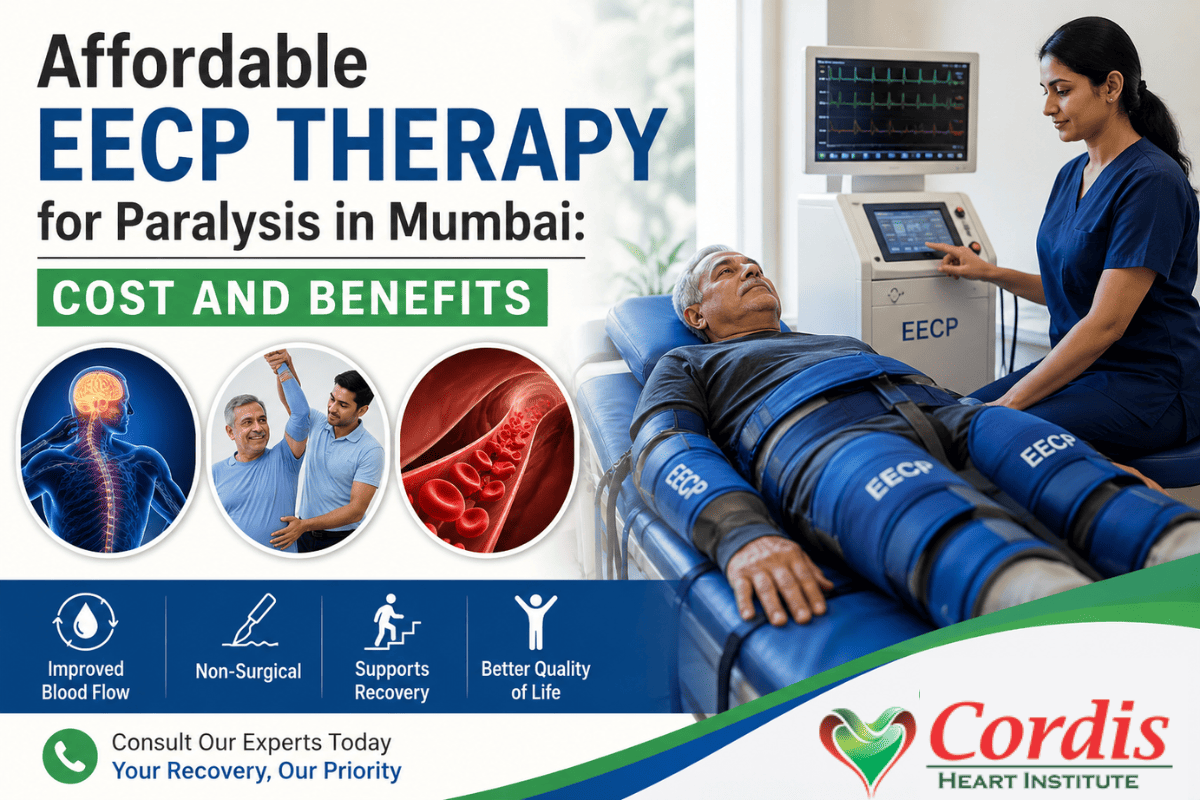
Enhanced External Counterpulsation (EECP) is a non-invasive, outpatient therapy designed to improve blood circulation throughout the body. Unlike surgery or invasive procedures, EECP does not involve injections, anesthesia, or hospital admission.
During treatment, inflatable cuffs are wrapped around the patient’s calves, thighs, and buttocks. These cuffs inflate and deflate in rhythm with the heartbeat under computer control.
EECP has been widely used for patients with coronary artery disease and chronic angina. Researchers are also studying its role in improving circulation for selected patients recovering from stroke and paralysis.
It is important to understand that EECP therapy for paralysis should be viewed as a supportive treatment rather than a replacement for conventional neurological rehabilitation.
How Does EECP Therapy Work?
The therapy follows the natural rhythm of the heart.
When the heart relaxes between beats (diastole), the cuffs inflate sequentially from the legs upward. This gently pushes blood back toward the heart, increasing blood flow and oxygen delivery.
Before the next heartbeat, the cuffs rapidly deflate, reducing the workload on the heart and allowing blood to flow more efficiently.
Over multiple sessions, this process may encourage the development of small collateral blood vessels that improve circulation.
The main mechanisms include:
- Improved blood circulation
- Better oxygen delivery
- Enhanced tissue perfusion
- Improved vascular function
- Support for collateral blood vessel development
These effects explain why EECP continues to be studied beyond heart disease.
Why Better Blood Flow Matters During Paralysis Recovery
Recovery from paralysis depends on several factors, including the extent of nerve damage, rehabilitation intensity, overall health, and blood circulation.
Healthy blood circulation supplies oxygen and nutrients that muscles, nerves, and surrounding tissues need for repair and function.
Poor circulation can contribute to:
- Muscle fatigue
- Reduced exercise tolerance
- Slow tissue recovery
- Weakness
- Reduced endurance during rehabilitation
By improving circulation, EECP may help create a better environment for rehabilitation. This is one reason some rehabilitation specialists consider EECP as part of a broader recovery program for selected patients.
However, patients should continue physiotherapy, occupational therapy, prescribed medications, and regular medical follow-up alongside any supportive therapy.
Can EECP Therapy Help Patients with Paralysis?
This is one of the most common questions asked by patients and caregivers.
The answer is that EECP may provide supportive benefits for some patients, particularly those recovering from stroke who have reduced circulation. However, it is not a cure for paralysis, and results vary from person to person.
A thorough medical evaluation is necessary to determine whether the therapy is appropriate.
Potential Benefits of EECP Therapy for Paralysis
Although individual outcomes differ, improving circulation may offer several potential advantages when combined with rehabilitation.
Better Blood Circulation
EECP increases blood flow throughout the body, helping oxygen-rich blood reach muscles and tissues more efficiently.
Increased Oxygen Supply
Improved oxygen delivery supports cellular function and may assist the body’s natural recovery processes.
Better Muscle Nourishment
Muscles require a continuous supply of nutrients to remain healthy. Improved circulation may support muscle conditioning during rehabilitation.
Reduced Fatigue
Many patients report feeling less tired after completing rehabilitation programs that include improved circulation strategies.
Improved Exercise Tolerance
Greater endurance can help some patients participate more actively in physiotherapy sessions.
Supports Rehabilitation
EECP should be viewed as an addition to established rehabilitation methods rather than a substitute. When combined with physiotherapy, occupational therapy, speech therapy, and lifestyle changes, it may contribute to better overall recovery.
Better Quality of Life
Improved circulation and rehabilitation participation may help some patients perform daily activities with greater confidence and comfort.
What Does Current Research Say?
Research into EECP for neurological recovery is still evolving.
Some studies suggest that improving blood circulation may support recovery in selected stroke patients by increasing blood flow to tissues and improving vascular function. Researchers continue to investigate how these effects may influence long-term rehabilitation outcomes.
However, current evidence also shows that:
- EECP is not a standalone treatment for paralysis.
- More large-scale clinical studies are needed.
- Treatment plans should always be individualized.
- Neurological rehabilitation remains the primary approach for recovery.
Patients should discuss their condition with an experienced physician before starting EECP therapy.
Benefits of Affordable EECP Therapy for Paralysis in Mumbai
For eligible patients, EECP offers several practical advantages that make it an attractive supportive therapy during rehabilitation.
Non-Surgical Treatment
One of the biggest benefits is that no surgery is required. Patients avoid surgical incisions, general anesthesia, and the recovery associated with invasive procedures.
Drug-Free Supportive Therapy
EECP does not rely on additional medications. It works mechanically by improving blood circulation, making it a complementary option alongside prescribed medical treatment.
Comfortable Outpatient Procedure
Most patients remain awake throughout the session and can communicate with the treatment team. Since the therapy is performed on an outpatient basis, patients usually return home the same day.
No Hospital Admission Required
Unlike many invasive procedures, EECP generally does not require hospital admission, reducing disruption to daily life and making ongoing treatment more convenient.
Minimal Recovery Time
Patients can usually resume their normal routine shortly after each session, subject to their physician’s advice and overall health condition.
Complements Physiotherapy and Rehabilitation
EECP is most effective when integrated into a broader rehabilitation plan that may include:
- Physiotherapy
- Occupational therapy
- Speech therapy
- Nutritional support
- Lifestyle modification
- Regular medical follow-up
At Cordis Heart Institute, every patient undergoes a detailed assessment before treatment. Under the guidance of Dr Abhijit Aklujkar, the care team develops a personalized approach based on the patient’s medical history, current condition, and rehabilitation goals.
Who Can Benefit from EECP Therapy?
Although EECP is best known for improving blood circulation in patients with heart disease, it may also be considered as a supportive therapy for selected individuals undergoing paralysis rehabilitation. The decision to start EECP should always be based on a detailed medical evaluation.
Patients who may benefit include:
Stroke Survivors
Many people experience weakness or paralysis after a stroke due to reduced blood flow to parts of the brain. While physiotherapy remains the main treatment, EECP may help improve circulation and support rehabilitation in selected patients.
Patients with Reduced Blood Circulation
Poor circulation can affect muscle function and slow recovery. By increasing blood flow and oxygen delivery, EECP may help create a better environment for tissue repair.
Individuals with Weakness After Stroke
Some stroke survivors continue to experience muscle weakness even after completing the initial phase of treatment. EECP may be recommended as part of a broader rehabilitation program.
Patients Undergoing Long-Term Rehabilitation
People participating in physiotherapy, occupational therapy, or speech therapy may be evaluated for EECP if their doctor believes improved circulation could complement their rehabilitation plan.
Patients Recommended by Their Physician
Every patient is different. Factors such as medical history, heart health, neurological condition, and current medications are considered before recommending EECP.
Who Should Avoid EECP Therapy?
EECP is not suitable for everyone. A thorough medical examination is essential before beginning treatment.
Your doctor may advise against EECP if you have:
- Severe uncontrolled high blood pressure
- Deep vein thrombosis (DVT)
- Severe aortic valve disease
- Active bleeding disorders
- Certain irregular heart rhythms
- Severe peripheral vascular disease
- Recent major surgery where compression is not advisable
Pregnant women and patients with certain vascular conditions may also require additional evaluation.
At Cordis Heart Institute, Dr Abhijit Aklujkar carefully reviews every patient’s medical history before recommending EECP therapy.
EECP Therapy Procedure: Step by Step
Understanding what happens during treatment can help patients feel more comfortable and confident.
Initial Consultation
Your journey begins with a detailed consultation. The doctor reviews:
- Medical history
- Current symptoms
- Previous stroke or neurological condition
- Existing medications
- Diagnostic reports
This helps determine whether EECP is an appropriate supportive treatment.
Medical Evaluation
Before starting therapy, additional investigations may be recommended, including:
- Blood pressure assessment
- ECG
- Echocardiogram (if required)
- Blood tests
- Review of neurological status
These evaluations help ensure patient safety throughout the treatment.
Treatment Sessions
During each session:
- Inflatable cuffs are wrapped around your calves, thighs, and buttocks.
- The cuffs inflate and deflate in sync with your heartbeat.
- A computerized system controls the pressure and timing.
- Patients remain awake throughout the procedure.
Most patients describe the treatment as comfortable after the first few sessions.
Duration of Each Session
A typical EECP session lasts approximately one hour.
The exact duration may vary depending on the treatment plan prepared by your doctor.
Number of Sessions Required
Many patients undergo around 35 sessions, usually spread over several weeks. However, the exact number depends on:
- Medical condition
- Recovery goals
- Overall health
- Physician’s recommendation
Follow-Up Care
EECP works best when combined with ongoing rehabilitation.
Patients are encouraged to continue:
- Physiotherapy
- Occupational therapy
- Speech therapy (when required)
- Prescribed medications
- Healthy lifestyle habits
- Regular follow-up appointments
Affordable EECP Therapy Cost for Paralysis in Mumbai
One of the most common questions patients ask is about the cost of treatment.
The total cost varies because every patient receives an individualized treatment plan.
What Influences EECP Therapy Cost?
Several factors affect the overall expense:
Number of Sessions
Patients requiring longer treatment programs may have a different overall cost than those needing fewer sessions.
Patient’s Medical Condition
The complexity of the neurological condition influences treatment planning.
Customized Rehabilitation Plan
Some patients may require EECP along with additional rehabilitation services, creating a personalized care program.
Hospital Infrastructure
Modern equipment, experienced staff, and quality patient care contribute to the overall treatment experience.
Doctor Supervision
Regular monitoring by experienced specialists ensures safe and effective treatment.
Instead of focusing only on price, patients should consider the quality of care, experience of the medical team, and available support services.
Is EECP Therapy Cost-Effective?
Although treatment involves multiple sessions, many patients consider EECP worthwhile because it is:
- Non-invasive
- Performed without surgery
- Usually completed as an outpatient procedure
- Designed to complement rehabilitation
- Associated with minimal downtime
The value of treatment should always be discussed with your treating doctor based on your individual condition and goals.
Why Choose Cordis Heart Institute for EECP Therapy?
Choosing the right hospital plays an important role in your rehabilitation journey.
Experienced Medical Team
Patients receive care from experienced healthcare professionals who focus on individualized treatment planning.
Advanced EECP Technology
The hospital uses modern EECP systems designed for patient comfort and precise treatment delivery.
Personalized Treatment Plans
No two patients recover in the same way. Treatment plans are tailored according to medical history, rehabilitation progress, and clinical findings.
Comprehensive Evaluation
Before recommending EECP, patients undergo a detailed assessment to determine whether the therapy is appropriate.
Comfortable Treatment Environment
A supportive environment helps patients remain relaxed throughout their treatment sessions.
Meet Dr Abhijit Aklujkar
Dr Abhijit Aklujkar is committed to providing patient-centered care through careful evaluation and evidence-based treatment planning.
Every patient receives individual attention to understand:
- Current symptoms
- Overall cardiovascular health
- Medical history
- Rehabilitation goals
- Suitability for EECP therapy
Rather than following a one-size-fits-all approach, treatment recommendations are based on each patient’s unique medical condition.
Lifestyle Tips to Support Paralysis Recovery
Medical treatment is only one part of recovery. Daily habits also make a meaningful difference.
Continue Physiotherapy
Regular physiotherapy remains one of the most important components of paralysis rehabilitation. Consistent exercise helps maintain joint flexibility, improve muscle strength, and encourage better mobility.
Eat a Balanced Diet
A healthy diet supports healing and overall health.
Include:
- Fresh fruits
- Green vegetables
- Whole grains
- Lean protein
- Healthy fats
Drink enough water throughout the day unless your doctor advises otherwise.
Attend Regular Follow-Up Visits
Regular appointments allow your doctor to monitor recovery and make changes to your treatment plan if needed.
Control Blood Pressure
High blood pressure increases the risk of another stroke. Take medications as prescribed and monitor your blood pressure regularly.
Manage Diabetes
Keeping blood sugar within the recommended range supports better healing and reduces complications.
Avoid Smoking and Excess Alcohol
Smoking damages blood vessels and affects circulation. Quitting smoking benefits both heart health and recovery.
Stay Physically Active
Follow the exercise program recommended by your rehabilitation team. Even small improvements can contribute to better independence over time.
Risks and Limitations of EECP Therapy
While EECP has helped many patients with cardiovascular conditions and may support selected individuals recovering from paralysis, it is important to understand its limitations.
- EECP is not a cure for paralysis.
- Results vary between individuals.
- Scientific research is still evolving for neurological applications.
- It should never replace physiotherapy or prescribed medical treatment.
- Careful patient selection is essential.
Always discuss expectations with your doctor before beginning therapy.
Frequently Asked Questions
Is EECP therapy effective for paralysis patients?
EECP may support rehabilitation by improving blood circulation in selected patients. However, it should be used alongside standard rehabilitation and only after medical evaluation.
How much does EECP therapy cost in Mumbai?
The cost depends on the number of sessions, your medical condition, and the treatment plan. Contact Cordis Heart Institute for a personalized consultation.
Is EECP therapy painful?
Most patients tolerate the treatment well. You may feel firm pressure from the inflatable cuffs, but it is generally considered comfortable after a few sessions.
How many EECP sessions are usually required?
Many treatment programs include around 35 sessions, although your doctor may recommend more or fewer depending on your condition.
Can EECP therapy help after a stroke?
Some studies suggest that improved circulation may support stroke rehabilitation in selected patients. It should always be combined with physiotherapy and other medical treatments.
Is EECP covered by insurance?
Insurance coverage varies between providers and policies. It is best to check directly with your insurance company.
Who is eligible for EECP therapy?
Eligibility depends on your medical history, current health condition, and physician’s assessment.
Are there any side effects?
Some patients may experience mild skin irritation or temporary discomfort from the pressure cuffs. Serious complications are uncommon when appropriate patients are selected.
Can elderly patients undergo EECP therapy?
Many older adults can safely receive EECP after a proper medical evaluation. Age alone does not determine eligibility.
Where can I get affordable EECP therapy for paralysis in Mumbai?
Patients looking for personalized assessment and supportive rehabilitation may consult Cordis Heart Institute, where Dr Abhijit Aklujkar evaluates each patient individually before recommending treatment.
Conclusion
Paralysis recovery is often a long journey that requires patience, consistent rehabilitation, and expert medical care. While physiotherapy, occupational therapy, and neurological treatment remain the foundation of recovery, supportive therapies may also have a role for selected patients.
EECP therapy is a non-invasive treatment that aims to improve blood circulation and oxygen delivery throughout the body. Although it is not a cure for paralysis, it may complement rehabilitation by supporting better circulation and helping patients participate more effectively in their recovery program.
If you are exploring Affordable EECP Therapy for Paralysis in Mumbai, the first step is a detailed medical evaluation to determine whether this treatment is appropriate for your condition.
Looking for Affordable EECP Therapy for Paralysis in Mumbai?
At Cordis Heart Institute, every patient receives a personalized assessment before treatment begins. Under the guidance of Dr Abhijit Aklujkar, our team develops individualized care plans based on your medical history, current condition, and rehabilitation goals.
If you or a loved one is recovering from paralysis and would like to learn whether EECP therapy may be a suitable supportive option, schedule a consultation with our specialists today.
Together, we can help you make informed decisions about your recovery journey.