Heart disease continues to be one of the leading health concerns in India. Busy lifestyles, unhealthy eating habits, stress, diabetes, high blood pressure, and high cholesterol have increased the number of people diagnosed with heart blockage at a younger age than ever before. While angioplasty and bypass surgery are common treatment options, many patients also want to know whether there is a non-surgical alternative that may be suitable for their condition.
If you are searching for the Best Cardiologist in Mumbai for Non-Surgical Heart Blockage Treatment with EECP, choosing the right heart specialist is the first step toward receiving the most appropriate care. An experienced cardiologist will evaluate your symptoms, review your medical history, perform the necessary diagnostic tests, and recommend a treatment plan based on your condition rather than a one-size-fits-all approach.
At Cordis Heart Institute, Dr Abhijit Aklujkar focuses on providing patient-centered cardiac care using advanced diagnostic methods and evidence-based treatment options. For carefully selected patients, Enhanced External Counterpulsation (EECP) may be considered as a non-invasive treatment that can help improve blood circulation and reduce symptoms such as chest pain.
This guide explains why choosing the right cardiologist matters, how heart blockage develops, and when non-surgical treatment with EECP may be an option.
Why Choosing the Best Cardiologist in Mumbai Matters for Heart Blockage Treatment
Heart blockage is not the same for every patient. Two people may have similar symptoms but require completely different treatment plans. That is why selecting an experienced cardiologist is one of the most important decisions you can make.
A qualified Cardiologist in Mumbai looks beyond test reports. They assess your overall heart health, lifestyle, medical history, existing illnesses, and future risk factors before recommending the most suitable treatment.
Experience Makes a Difference in Cardiac Care
Managing heart disease requires years of clinical experience and careful decision-making. An experienced cardiologist understands when medication alone is enough, when minimally invasive procedures are appropriate, and when surgical treatment may be necessary.
Every patient deserves a treatment recommendation based on medical evidence instead of assumptions. At Cordis Heart Institute, patients undergo a thorough evaluation before any treatment plan is suggested.
Early diagnosis and timely treatment often reduce the chances of complications and help patients maintain a better quality of life.
Importance of Accurate Diagnosis Before Treatment
Many people believe that chest pain always means a severe heart blockage. In reality, chest discomfort can have several causes, including:
- Coronary artery disease
- Muscle pain
- Acid reflux
- Lung conditions
- Anxiety
Similarly, some patients with severe heart blockage may experience only mild symptoms.
A cardiologist usually recommends investigations such as:
- Electrocardiogram (ECG)
- 2D Echocardiography
- Treadmill Test (TMT)
- CT Coronary Angiography
- Coronary Angiography
- Blood investigations
These tests help determine the location, severity, and extent of blockage before deciding the next step in treatment.
Personalized Treatment Plans for Every Patient
No two hearts are exactly alike.
Factors that influence treatment decisions include:
- Age
- Number of blocked arteries
- Severity of blockage
- Heart pumping function
- Presence of diabetes
- Kidney function
- Blood pressure
- Previous heart attack
- Overall fitness
For some patients, medications and lifestyle changes may provide adequate symptom control. Others may require angioplasty or bypass surgery. Certain patients with chronic stable angina who meet specific medical criteria may also be evaluated for EECP Treatment in Mumbai as part of their overall management plan.
This personalized approach helps patients receive treatment that matches their individual needs.
Benefits of Consulting a Dedicated Heart Specialist
Consulting an experienced heart specialist offers several advantages beyond treating existing disease.
These include:
- Early detection of heart problems
- Better management of blood pressure
- Cholesterol control
- Diabetes management
- Reduced risk of future cardiac events
- Long-term heart health monitoring
Regular follow-up visits also allow doctors to identify changes before they become serious health concerns.
Meet Dr Abhijit Aklujkar – Experienced Cardiologist at Cordis Heart Institute
Finding the right doctor often brings confidence during a stressful time. Patients want someone who listens carefully, explains treatment options clearly, and focuses on long-term heart health rather than only immediate symptoms.
Dr Abhijit Aklujkar is associated with Cordis Heart Institute, where patients receive comprehensive cardiac evaluation and individualized treatment plans based on current clinical guidelines.
Professional Experience and Cardiology Expertise
Heart disease can present in many different ways. Some patients arrive with severe chest pain requiring urgent attention, while others seek advice after routine health checkups reveal early signs of coronary artery disease.
Dr Abhijit Aklujkar evaluates every patient thoroughly before recommending the most appropriate treatment. His approach combines modern diagnostic techniques with evidence-based cardiac care to help patients make informed decisions about their health.
Patients receive guidance on:
- Heart blockage management
- Preventive cardiology
- Risk factor control
- Medication management
- Lifestyle modifications
- Long-term follow-up care
Conditions Treated
At Cordis Heart Institute, patients receive care for a wide range of cardiovascular conditions, including:
Heart Blockage
Blocked coronary arteries reduce blood flow to the heart muscle, increasing the risk of chest pain and heart attack. Early diagnosis plays a key role in preventing complications.
Angina
Angina is discomfort or chest pain caused by reduced blood supply to the heart. Identifying the underlying cause helps determine the most suitable treatment strategy.
Coronary Artery Disease
Coronary artery disease develops gradually due to plaque buildup inside the arteries. Lifestyle changes, medication, and other treatment options may help manage the condition depending on its severity.
Chest Pain
Not every episode of chest pain is caused by heart disease, but persistent or recurring symptoms should never be ignored. A proper cardiac evaluation helps identify the exact cause.
High Blood Pressure
Uncontrolled hypertension places additional strain on the heart and blood vessels, increasing the risk of heart attack, stroke, and heart failure.
Heart Failure
Heart failure does not mean the heart has stopped working. It means the heart cannot pump blood as efficiently as it should. Early treatment often helps improve symptoms and quality of life.
A Patient-Centered Approach to Heart Care
Every patient has different concerns, goals, and medical needs.
Some people want to understand whether surgery is necessary. Others are looking for ways to manage their condition with medication and lifestyle changes. Many simply need reassurance after receiving abnormal test results.
At Cordis Heart Institute, consultations focus on listening first. Patients receive detailed explanations about their diagnosis, available treatment options, expected outcomes, and the importance of regular follow-up.
This approach allows patients and their families to participate actively in treatment decisions while understanding both the benefits and limitations of each option.
What is Heart Blockage?
Heart blockage, also known as coronary artery disease (CAD), occurs when fatty deposits called plaque build up inside the coronary arteries. These arteries supply oxygen-rich blood to the heart muscle.
Over time, plaque narrows the arteries, making it harder for blood to reach the heart. When blood flow decreases significantly, the heart receives less oxygen, which can cause symptoms such as chest pain or shortness of breath. If a blockage suddenly becomes complete, it can lead to a heart attack.
Because plaque develops gradually over many years, many people remain unaware that they have heart disease until symptoms become more noticeable.
Understanding Coronary Artery Disease
Coronary artery disease is one of the most common heart conditions worldwide.
The disease usually progresses slowly and may remain silent during its early stages. As the arteries become narrower, the heart works harder to receive enough oxygen, especially during physical activity or emotional stress.
Regular health checkups help identify the condition before serious complications occur.
Common Causes of Heart Blockage
Several lifestyle and medical conditions increase the risk of developing coronary artery disease.
High Cholesterol
Excess LDL cholesterol contributes to plaque formation inside the arteries.
Diabetes
High blood sugar damages blood vessels over time and increases the likelihood of heart disease.
Smoking
Smoking damages artery walls, reduces oxygen levels in the blood, and accelerates plaque buildup.
High Blood Pressure
Persistent high blood pressure puts extra stress on the arteries, making them more vulnerable to damage.
Obesity
Being overweight increases the risk of diabetes, hypertension, and abnormal cholesterol levels, all of which contribute to heart blockage.
Family History
People with close relatives who have experienced heart disease at an early age may have a higher genetic risk.
Early Warning Signs You Should Never Ignore
Heart blockage may develop without noticeable symptoms, but common warning signs include:
- Chest pain or pressure
- Shortness of breath
- Fatigue during routine activities
- Pain spreading to the left arm
- Neck discomfort
- Jaw pain
- Sweating without obvious reason
- Dizziness or light-headedness
If these symptoms occur suddenly or become severe, immediate medical attention is essential.
Early diagnosis gives patients more treatment options and improves the chances of managing heart disease successfully.
What is EECP Treatment?
Many people diagnosed with coronary artery disease assume that surgery is the only way to treat heart blockage. While angioplasty and bypass surgery are effective for many patients, they are not the only options. Depending on the severity of the disease, symptoms, and overall health, some patients may benefit from Enhanced External Counterpulsation (EECP) as part of their treatment plan.
EECP is a non-invasive therapy that aims to improve blood flow to the heart without surgery or anesthesia. It has been used worldwide for patients with chronic stable angina and selected cases where symptoms continue despite medication or when invasive procedures are not suitable.
At Cordis Heart Institute, patients undergo a complete cardiac evaluation before determining whether EECP Treatment in Mumbai is an appropriate option.
Understanding Enhanced External Counterpulsation (EECP)
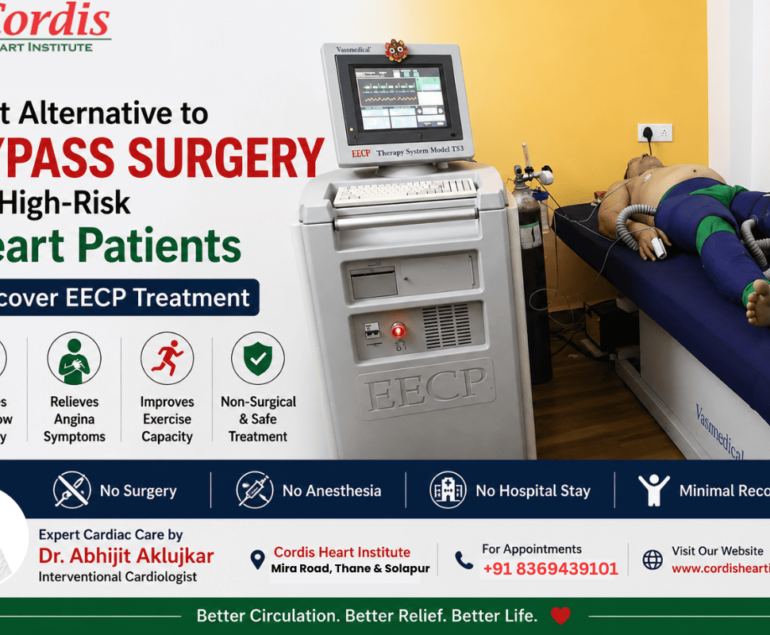
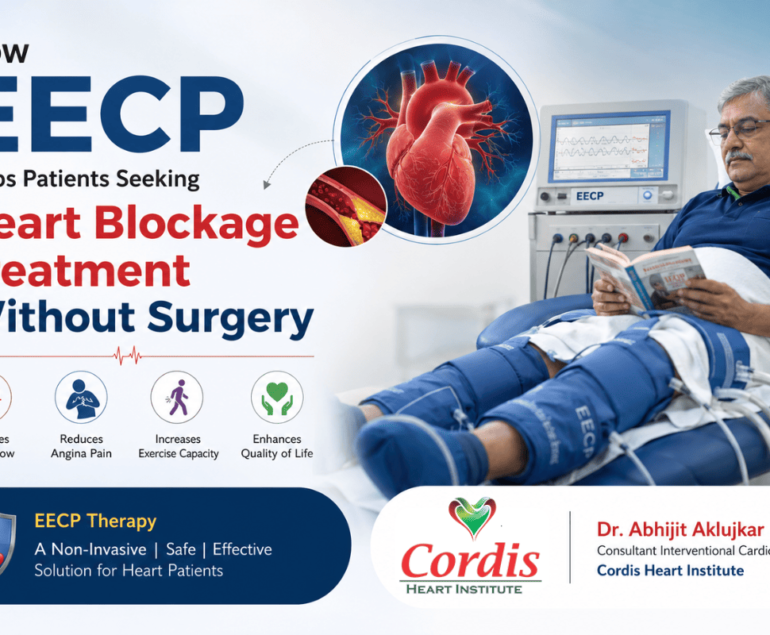
Enhanced External Counterpulsation, commonly known as EECP, is an FDA-cleared, non-invasive treatment that uses specially designed inflatable cuffs wrapped around the calves, thighs, and lower hips.
These cuffs inflate and deflate in sync with the patient’s heartbeat. The timing is controlled by a computer connected to an ECG monitor, ensuring the pressure is applied at the correct moment during each cardiac cycle.
The treatment is designed to improve blood flow back to the heart and encourage the development of collateral circulation, which are small blood vessels that may help improve blood supply to areas affected by narrowed coronary arteries.
EECP does not remove plaque or physically open blocked arteries. Instead, it works by supporting the heart’s blood circulation in carefully selected patients.
How EECP Improves Blood Flow Naturally
During every treatment session, the inflatable cuffs apply gentle pressure to the lower limbs while the heart relaxes between beats.
This process may help:
- Improve oxygen-rich blood supply to the heart
- Increase circulation in narrowed coronary arteries
- Reduce the workload on the heart
- Improve exercise tolerance
- Decrease episodes of chest discomfort in eligible patients
Many patients notice gradual improvement over the course of treatment rather than after a single session.
What Happens During an EECP Session?
One reason many patients consider EECP is because the treatment is simple and does not require hospitalization.
A typical session includes:
- The patient lies comfortably on a treatment bed.
- Inflatable cuffs are placed around both legs.
- ECG electrodes monitor the heartbeat throughout the session.
- The computer coordinates inflation and deflation of the cuffs with every heartbeat.
- The patient remains awake, relaxed, and can usually listen to music or watch television during treatment.
No injections, surgical cuts, or anesthesia are required.
How Long Does EECP Treatment Take?
A standard EECP session usually lasts about one hour.
Most treatment plans involve 35 sessions, typically completed over 6 to 7 weeks. However, the exact number of sessions depends on the patient’s condition and the cardiologist’s recommendations.
Regular attendance is important because the benefits of EECP are generally seen after completing the prescribed treatment schedule.
Who Can Benefit from Non-Surgical Heart Blockage Treatment with EECP?
EECP is not suitable for everyone. Before recommending the therapy, a cardiologist evaluates the patient’s symptoms, medical history, imaging results, and overall cardiovascular health.
The goal is to determine whether EECP can safely complement the patient’s existing treatment plan.
Patients with Stable Angina
Patients experiencing chronic stable angina often feel chest discomfort during physical activity or emotional stress because the heart muscle receives less oxygen-rich blood.
For selected individuals, EECP may help reduce the frequency and intensity of angina symptoms while improving day-to-day comfort.
Patients Looking to Avoid Surgery
Some patients wish to explore non-surgical treatment options before considering invasive procedures.
Depending on the severity of the blockage and other clinical findings, a cardiologist may discuss whether EECP is appropriate as part of the treatment strategy.
It is important to understand that choosing a non-surgical option depends entirely on medical evaluation and not on personal preference alone.
Patients Unsuitable for Angioplasty or Bypass Surgery
Certain patients may not be ideal candidates for invasive procedures due to:
- Advanced age
- Multiple medical conditions
- Previous heart surgeries
- Diffuse coronary artery disease
- Increased surgical risk
In selected cases, EECP may be considered to help manage symptoms after careful assessment.
Patients with Multiple Heart Risk Factors
People with several cardiovascular risk factors should seek regular cardiac evaluations, especially if they experience symptoms.
Risk factors include:
- Diabetes
- High blood pressure
- High cholesterol
- Smoking
- Obesity
- Family history of heart disease
- Sedentary lifestyle
Early diagnosis often allows treatment to begin before complications develop.
Benefits of EECP Therapy for Heart Blockage
One of the main reasons EECP has gained attention is because it offers a non-invasive treatment option for carefully selected patients.
The following benefits have been reported in appropriate candidates after completing the recommended course of therapy.
Completely Non-Invasive
Unlike surgical procedures, EECP does not involve incisions, stitches, or catheters.
The therapy is performed externally using inflatable cuffs placed around the legs.
No Surgery or Stitches
Patients who are anxious about surgical procedures often appreciate that EECP requires no operating room, no surgical wounds, and no anesthesia.
No Hospital Stay Required
Most patients return home immediately after each treatment session.
Hospital admission is generally not required, allowing patients to continue many of their normal daily activities during the treatment period.
Improved Blood Circulation
EECP is designed to improve blood flow to the heart by increasing circulation during the relaxation phase of the heartbeat.
Better circulation may contribute to improved oxygen delivery in selected patients.
Reduced Chest Pain
Many patients receiving EECP for chronic stable angina report fewer episodes of chest discomfort after completing treatment.
Symptom improvement varies from person to person and depends on several medical factors.
Better Exercise Capacity
Patients who previously experienced chest pain while walking or climbing stairs may find it easier to perform routine physical activities after successful treatment, provided they continue their prescribed medications and lifestyle changes.
Improved Quality of Life
When symptoms become less frequent, many patients are able to:
- Walk longer distances
- Perform household activities comfortably
- Sleep better
- Return to work with greater confidence
- Participate more actively in family life
These improvements can positively affect overall well-being.
Faster Return to Daily Activities
Since EECP is non-invasive, there is no surgical recovery period.
Patients usually resume their normal routine immediately after each session unless advised otherwise by their cardiologist.
EECP vs Angioplasty vs Bypass Surgery
Understanding the differences between these treatment options helps patients have informed discussions with their cardiologist.
Feature | EECP Therapy | Angioplasty | Bypass Surgery |
Procedure | External therapy using inflatable cuffs | Catheter-based procedure with balloon and stent | Open-heart surgery using grafts |
Invasiveness | Non-invasive | Minimally invasive | Highly invasive |
Anesthesia | Not required | Local anesthesia | General anesthesia |
Hospital Stay | Usually not required | Usually 1 to 3 days | Around 5 to 7 days or longer |
Recovery Time | No surgical recovery | Several days to a few weeks | Several weeks to a few months |
Surgical Incisions | None | Small puncture site | Chest incision required |
Suitable For | Selected patients after evaluation | Specific blocked arteries | Severe or multiple coronary blockages |
Primary Goal | Improve circulation and reduce symptoms | Restore blood flow through blocked arteries | Create new pathways for blood flow |
Which Treatment Is Right for You?
There is no single treatment that is best for every patient.
The right option depends on several factors, including:
- Number of blocked arteries
- Severity and location of the blockage
- Symptoms
- Heart pumping function
- Overall medical condition
- Existing illnesses such as diabetes or kidney disease
- Previous cardiac procedures
A detailed evaluation by an experienced cardiologist is essential before deciding on any treatment.
How Cordis Heart Institute Provides Advanced Heart Care
Receiving the right heart treatment begins with an accurate diagnosis and a personalized care plan. At Cordis Heart Institute, every patient undergoes a detailed cardiac evaluation before any treatment is recommended. The goal is to understand the underlying cause of the symptoms and provide treatment that matches the patient’s medical condition.
Whether you visit for chest pain, breathlessness, high blood pressure, or a second opinion for heart blockage, the team follows a structured approach to help you make informed decisions about your heart health.
Comprehensive Cardiac Evaluation
Every heart condition is different. Some patients may have mild coronary artery disease that responds well to medication and lifestyle changes, while others may require advanced treatment.
A detailed evaluation may include:
- Electrocardiogram (ECG)
- 2D Echocardiography
- Treadmill Test (TMT)
- Blood investigations
- CT Coronary Angiography
- Coronary Angiography (when clinically required)
These investigations help identify:
- The location and severity of heart blockage
- Heart pumping function
- Valve abnormalities
- Heart rhythm disorders
- Risk of future cardiac events
This information enables the cardiologist to recommend the most appropriate treatment plan.
Modern Diagnostic Facilities
Early diagnosis often leads to better treatment outcomes.
Cordis Heart Institute uses modern diagnostic technology to evaluate heart function with accuracy. Detailed reports help doctors understand the condition before recommending medication, EECP, angioplasty, bypass surgery, or preventive treatment.
Accurate diagnosis also helps avoid unnecessary procedures and ensures that patients receive treatment based on clinical findings rather than symptoms alone.
Personalized EECP Treatment Plans
EECP is not a standard treatment for every patient with heart blockage.
Before recommending EECP Therapy for Heart Blockage, Dr Abhijit Aklujkar carefully reviews:
- Medical history
- Existing medications
- Angiography findings
- Heart function
- Presence of diabetes
- Blood pressure
- Previous heart procedures
- Overall physical health
Only patients who meet the appropriate medical criteria are advised to undergo EECP therapy.
This personalized approach helps improve patient safety while focusing on better long-term symptom management.
Experienced Cardiology Team
Managing heart disease often requires teamwork.
At Cordis Heart Institute, patients benefit from coordinated care involving experienced cardiologists, trained nursing staff, cardiac technicians, and rehabilitation professionals.
The team works together to monitor progress, answer patient questions, and provide continuous support throughout the treatment journey.
Focus on Long-Term Heart Health
Treating heart disease goes beyond relieving symptoms.
The team also focuses on reducing future cardiac risk through:
- Blood pressure management
- Cholesterol control
- Diabetes management
- Weight management
- Smoking cessation
- Exercise guidance
- Dietary counseling
- Regular follow-up appointments
This long-term approach helps patients maintain better heart health even after completing treatment.
Why Patients Choose Dr Abhijit Aklujkar for Heart Care in Mumbai
Choosing a cardiologist is an important decision. Patients often look for a doctor who combines clinical expertise with clear communication and compassionate care.
At Cordis Heart Institute, Dr Abhijit Aklujkar believes that every patient should understand their diagnosis and treatment options before making healthcare decisions.
Individual Attention
Heart conditions affect people differently.
Some patients experience severe chest pain, while others may have no symptoms despite significant blockage. Understanding these differences requires careful listening and detailed evaluation.
During consultations, patients receive sufficient time to discuss:
- Symptoms
- Medical history
- Previous reports
- Current medications
- Lifestyle habits
- Family history
This helps create a treatment plan that fits the patient’s individual needs.
Evidence-Based Treatment
Modern cardiology is guided by scientific research and established clinical guidelines.
Treatment recommendations are based on:
- Current symptoms
- Diagnostic findings
- International cardiology guidelines
- Risk assessment
- Individual patient goals
Whether the recommendation involves medication, lifestyle changes, EECP, angioplasty, or bypass surgery, decisions are made after carefully reviewing the patient’s condition.
Focus on Preventive Cardiology
Many heart attacks can be prevented through early intervention.
Preventive cardiology focuses on identifying risk factors before they lead to serious complications.
Patients receive guidance on:
- Maintaining healthy cholesterol levels
- Controlling blood pressure
- Managing diabetes
- Achieving a healthy weight
- Increasing physical activity
- Eating a balanced diet
- Reducing stress
Small lifestyle improvements made consistently can significantly reduce the risk of future heart disease.
Complete Heart Care Under One Roof
Managing heart disease becomes easier when diagnostic services, consultations, treatment planning, and follow-up care are available at one location.
Cordis Heart Institute offers an integrated approach that allows patients to receive continuous cardiac care without unnecessary delays.
This coordinated model improves communication between healthcare providers and helps patients stay on track with their treatment plans.
Lifestyle Changes That Support Better Heart Health
Medical treatment is only one part of managing heart disease. Healthy daily habits play an equally important role in improving heart function and reducing future complications.
Even small lifestyle changes, when followed consistently, can make a meaningful difference.
Follow a Heart-Healthy Diet
Your diet directly affects cholesterol levels, blood pressure, blood sugar, and body weight.
A heart-friendly eating plan should include:
- Fresh fruits and vegetables
- Whole grains
- Pulses and legumes
- Lean sources of protein
- Healthy fats from nuts and seeds
- Low-fat dairy products
Try to limit:
- Fried foods
- Processed snacks
- Sugary beverages
- Excess salt
- Foods high in saturated and trans fats
A registered dietitian can help create a meal plan based on your medical condition.
Stay Physically Active
Regular physical activity helps strengthen the heart and improves blood circulation.
Depending on your cardiologist’s advice, aim for:
- Brisk walking
- Cycling
- Light jogging
- Swimming
- Yoga
- Stretching exercises
Never begin an exercise program without consulting your cardiologist if you have known heart disease.
Control Diabetes and Blood Pressure
Diabetes and hypertension are among the leading causes of coronary artery disease.
Regular monitoring, medication adherence, healthy eating, and physical activity help keep these conditions under control.
Well-managed diabetes and blood pressure significantly reduce the risk of future heart complications.
Quit Smoking
Smoking damages blood vessels, increases blood pressure, reduces oxygen supply, and accelerates plaque formation inside the arteries.
Stopping smoking is one of the most effective ways to improve heart health.
Many patients notice improvements in circulation and breathing within weeks of quitting.
Manage Stress Effectively
Long-term stress may contribute to unhealthy lifestyle habits and increase cardiovascular risk.
Healthy ways to reduce stress include:
- Deep breathing exercises
- Meditation
- Yoga
- Spending time with family
- Reading
- Adequate sleep
- Regular physical activity
Managing stress supports both mental well-being and heart health.
Schedule Regular Heart Checkups
Routine health checkups help detect problems before symptoms become severe.
Adults with diabetes, hypertension, high cholesterol, obesity, or a family history of heart disease should undergo regular cardiac screening as advised by their cardiologist.
Early detection often allows treatment to begin before complications develop.
When Should You Visit a Cardiologist?
Many people delay seeing a heart specialist because they assume their symptoms are minor.
Ignoring warning signs can increase the risk of serious complications.
Consult a Cardiologist in Mumbai if you experience any of the following symptoms.
Persistent Chest Pain
Chest pain, pressure, heaviness, or discomfort that occurs during activity or emotional stress should never be ignored.
Prompt evaluation helps determine whether the symptoms are related to heart disease or another medical condition.
Shortness of Breath While Walking
Feeling unusually breathless during routine activities such as climbing stairs or walking short distances may indicate reduced heart function.
A cardiac evaluation can identify the underlying cause.
Family History of Heart Disease
If your parents or siblings developed heart disease at an early age, your own risk may be higher.
Regular heart screenings help detect potential problems before symptoms appear.
High Cholesterol, Diabetes, or High Blood Pressure
These conditions often damage blood vessels gradually without causing noticeable symptoms.
Routine monitoring and timely treatment help reduce the risk of heart attack and stroke.
Previous Heart Attack or Angioplasty
Patients who have already experienced a heart attack or undergone angioplasty should continue regular follow-up with their cardiologist.
Ongoing monitoring helps assess recovery, optimize medications, and reduce the risk of future cardiac events.
Why Choose Cordis Heart Institute for EECP Treatment in Mumbai?
When it comes to heart care, experience, accurate diagnosis, and personalized treatment make a real difference. At Cordis Heart Institute, every patient receives an individualized treatment plan based on their symptoms, diagnostic reports, and overall health. The focus is not just on treating the disease but also on improving long-term heart health and quality of life.
Experienced Cardiologists
Heart disease requires careful evaluation and clinical expertise. At Cordis Heart Institute, patients are guided by experienced cardiologists who recommend treatment based on current medical guidelines and individual patient needs.
Personalized Treatment Plans
No two patients have the same heart condition. Factors such as age, medical history, existing illnesses, heart function, and lifestyle are considered before preparing a treatment plan. Whether the recommendation involves medication, lifestyle modification, EECP therapy, angioplasty, or bypass surgery, the decision is always based on a detailed clinical assessment.
Advanced Cardiac Care
Cordis Heart Institute offers a complete range of cardiac services, including diagnostic testing, preventive cardiology, heart disease management, and follow-up care. This integrated approach allows patients to receive coordinated treatment under one roof.
Modern EECP Technology
For patients who are suitable candidates, the institute provides EECP therapy using advanced technology under medical supervision. Each treatment session is monitored carefully to ensure patient comfort and safety.
Comprehensive Patient Support
Managing heart disease requires continuous care. From the first consultation to follow-up appointments, patients receive guidance on medication, lifestyle changes, diet, exercise, and risk factor management to support better long-term outcomes.
Frequently Asked Questions
Who is the best cardiologist in Mumbai for EECP treatment?
If you are looking for the Best Cardiologist in Mumbai for Non-Surgical Heart Blockage Treatment with EECP, Dr Abhijit Aklujkar at Cordis Heart Institute provides detailed cardiac evaluations and personalized treatment plans. The most appropriate treatment depends on your medical condition and diagnostic findings.
Is EECP effective for heart blockage?
EECP may help improve symptoms such as chronic stable angina and improve blood circulation in selected patients. It is not suitable for every patient, and eligibility should always be determined by a qualified cardiologist.
Can EECP replace angioplasty?
No. EECP is not a replacement for angioplasty or bypass surgery in every case. Some patients require invasive procedures based on the severity of their coronary artery disease. Your cardiologist will recommend the treatment that is most appropriate for your condition.
Who is eligible for EECP therapy?
Patients with chronic stable angina, persistent symptoms despite medication, or those who are not suitable candidates for certain invasive procedures may be evaluated for EECP. A complete cardiac assessment is required before starting treatment.
How many EECP sessions are required?
Most patients undergo around 35 one-hour sessions over six to seven weeks. However, the exact treatment schedule depends on the patient’s condition and the cardiologist’s recommendation.
Is EECP painful?
No. EECP is generally well tolerated. Patients may feel firm pressure around their legs as the cuffs inflate and deflate, but the treatment is not considered painful.
Are there any side effects of EECP?
Most patients complete EECP without major problems. Some people may experience mild skin irritation or temporary discomfort from the pressure cuffs. Your medical team will monitor you throughout the treatment.
What is the success rate of EECP treatment?
The results of EECP vary from patient to patient. Many suitable candidates report improvement in symptoms, exercise capacity, and quality of life after completing the recommended treatment. Individual outcomes depend on the severity of heart disease, overall health, and adherence to medications and lifestyle changes.
How much does EECP treatment cost in Mumbai?
The cost of EECP treatment depends on several factors, including the number of sessions required and the patient’s overall treatment plan. Contact Cordis Heart Institute for current pricing and consultation details.
Where can I get non-surgical heart blockage treatment in Mumbai?
If you are exploring Non-Surgical Heart Blockage Treatment options, you can consult Dr Abhijit Aklujkar at Cordis Heart Institute. After a detailed evaluation, the doctor will determine whether EECP or another treatment is appropriate for your condition.
Conclusion
Heart blockage is a serious condition, but timely diagnosis and the right treatment can make a meaningful difference. Regular heart checkups, healthy lifestyle choices, and early medical attention play an important role in reducing the risk of complications.
If you are searching for the Best Cardiologist in Mumbai for Non-Surgical Heart Blockage Treatment with EECP, remember that the first step is a detailed evaluation by an experienced cardiologist. Every patient is different, and the most suitable treatment depends on the severity of the blockage, symptoms, medical history, and overall heart health.
At Cordis Heart Institute, Dr Abhijit Aklujkar and the cardiac care team focus on evidence-based treatment, personalized care, and long-term heart health. For eligible patients, EECP may be considered as part of a comprehensive treatment plan designed to improve symptoms and quality of life.
Do not ignore warning signs such as chest pain, shortness of breath, or unusual fatigue. Early consultation can help identify the cause and provide timely treatment.
Book Your Heart Health Consultation Today
If you or a loved one has been diagnosed with heart blockage or is experiencing symptoms of coronary artery disease, schedule a consultation with Dr Abhijit Aklujkar at Cordis Heart Institute.
Our team will perform a detailed cardiac assessment, explain all suitable treatment options, and help you understand whether EECP Treatment in Mumbai is appropriate for your condition.
Take the first step toward better heart health. Book your appointment today and receive a personalized treatment plan from an experienced cardiac care team.