Diabetes and heart disease are closely connected. In fact, people with diabetes are much more likely to develop heart-related complications such as blocked arteries, poor blood circulation, chest pain, and heart failure. The challenge becomes even bigger when surgery is risky due to high blood sugar levels, slow healing, or other medical conditions.
That is why many patients today are searching for a safer and less stressful option. Non-surgical heart treatment has become a preferred choice for many diabetic patients who want relief from heart symptoms without going through major surgery.
At Cordis Heart Institute, experienced cardiac specialists like Dr Abhijit Aklujkar help patients understand whether non-invasive treatments such as EECP therapy can improve heart health safely and effectively.
In this article, we’ll look at how non-surgical heart treatment works, whether it is safe for diabetic patients, its benefits, risks, and what you should know before choosing a treatment plan.
Understanding the Link Between Diabetes and Heart Disease
Diabetes does more than raise blood sugar levels. Over time, it can damage blood vessels and nerves that control the heart. This increases the risk of serious cardiovascular conditions.
Why Are Diabetic Patients More Prone to Heart Problems?
When blood sugar remains high for long periods, arteries can become narrow and stiff. This makes it harder for oxygen-rich blood to reach the heart.
Some common reasons include:
- Increased cholesterol buildup in arteries
- High blood pressure
- Inflammation in blood vessels
- Poor circulation
- Reduced oxygen supply to heart muscles
Many diabetic patients also experience delayed healing after surgery, which is one reason doctors often consider non-invasive cardiac care whenever possible.
Common Heart Conditions Seen in Diabetic Patients
People with diabetes are more likely to develop:
- Coronary artery disease
- Angina (chest pain)
- Heart failure
- Peripheral artery disease
- Silent heart attacks
These complications can affect daily life, energy levels, and overall health if not managed early.
What Is Non-Surgical Heart Treatment?
Non-surgical heart treatment refers to medical therapies that improve heart function and blood circulation without open-heart surgery or invasive procedures.
These treatments are designed to reduce symptoms, improve blood flow, and support heart health while minimizing recovery time.
Popular Non-Surgical Heart Treatments
Some widely used options include:
- EECP Therapy
Enhanced External Counter Pulsation (EECP) is one of the most recognized non-invasive heart therapies.
- Lifestyle Modification
Changes in diet, exercise, stress management, and smoking habits can improve cardiovascular health.
- Medication Management
Doctors may prescribe medicines to control cholesterol, blood pressure, and blood sugar.
- Cardiac Rehabilitation
Structured rehabilitation programs help patients regain strength safely after cardiac events.
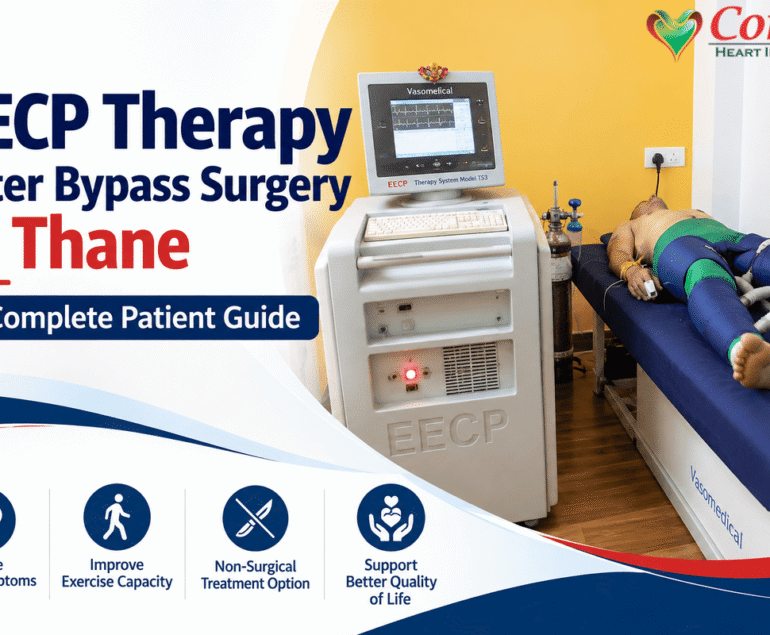
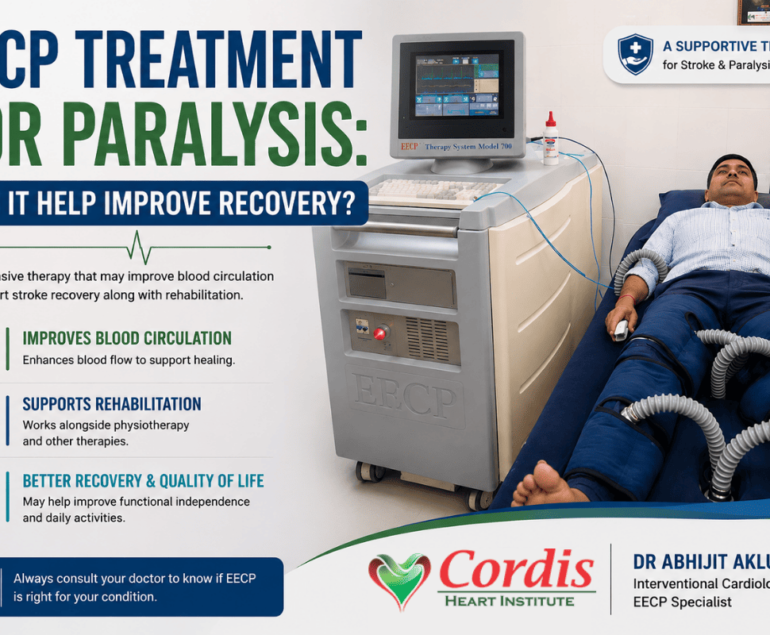
How Does EECP Therapy Work?
EECP therapy is commonly recommended for patients with chronic chest pain or poor circulation who want an alternative to surgery.
During treatment:
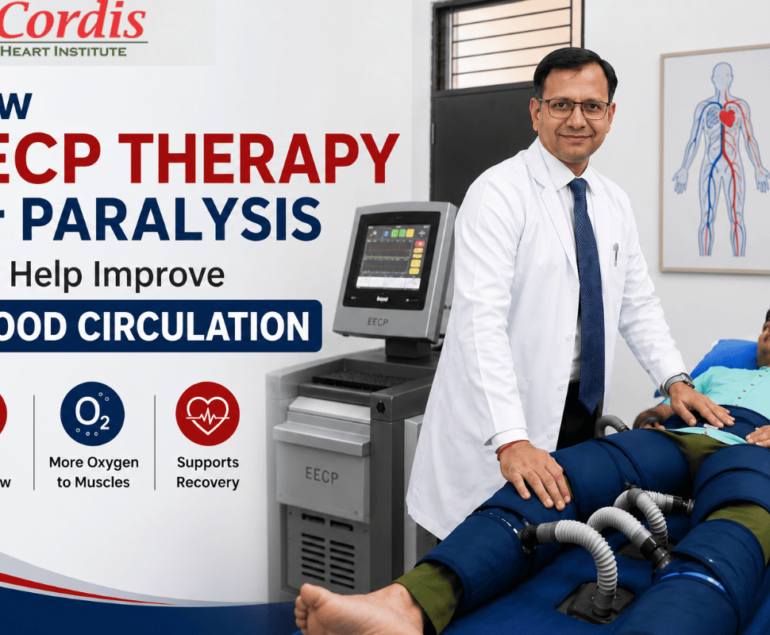
- Special cuffs are wrapped around the legs
- The cuffs inflate and deflate in sync with the heartbeat
- This process improves blood circulation toward the heart
- Over time, the body may form natural bypass blood vessels
The goal is to increase oxygen supply to heart muscles naturally.
Many patients describe EECP sessions as relaxing and painless.
Is Non-Surgical Heart Treatment Safe for Diabetic Patients?
For many diabetic patients, non-surgical heart treatment can be a safer option compared to bypass surgery or angioplasty. However, suitability depends on the patient’s overall condition, medical history, and severity of heart disease.
Why Doctors Often Recommend Non-Surgical Options for Diabetics
Diabetic patients may face higher surgical risks because of:
- Slow wound healing
- Increased infection risk
- Blood sugar fluctuations
- Kidney complications
- Higher recovery stress on the body
Non-invasive treatments avoid large incisions and general anesthesia, making recovery easier for many patients.
At Cordis Heart Institute, treatment plans are customized based on each patient’s heart condition, diabetes status, age, and lifestyle.
Benefits of Non-Surgical Heart Treatment for Diabetes Patients
Faster Recovery
Most patients can return to normal activities quickly.
Lower Infection Risk
Because there are no surgical cuts, chances of infection are reduced.
Minimal Downtime
Many therapies are performed on an outpatient basis.
Better Blood Circulation
Improved circulation can help reduce chest pain and fatigue.
Less Physical Stress
Non-invasive therapies are often easier on elderly or medically fragile patients.
Safety Measures During Treatment
Doctors closely monitor diabetic patients throughout treatment.
Important safety steps include:
- Regular blood sugar monitoring
- Blood pressure checks
- Medication review
- Heart function assessment
- Personalized treatment scheduling
Patients with uncontrolled diabetes or severe complications may require additional evaluation before starting therapy.
When Non-Surgical Heart Treatment May Not Be Suitable
Although many patients benefit from non-invasive care, it may not work for everyone.
Doctors may recommend other procedures in cases involving:
- Severe artery blockage
- Emergency cardiac conditions
- Advanced heart failure
- Unstable blood pressure
- Serious valve disease
This is why expert evaluation is essential before choosing a treatment plan.
Benefits of EECP Therapy for Diabetic Patients
EECP therapy has become increasingly popular because it offers a non-invasive approach for improving blood circulation and reducing heart symptoms.
Improved Blood Flow Naturally
EECP therapy encourages better circulation without surgery. Improved blood flow helps the heart receive more oxygen.
This can reduce discomfort during walking or physical activity.
Reduced Chest Pain and Fatigue
Many patients report:
- Less chest heaviness
- Better breathing
- Improved stamina
- Reduced tiredness
For diabetic patients struggling with low energy levels, this can make everyday activities easier.
Better Quality of Life
When symptoms improve, patients often experience:
- Better sleep
- Increased confidence
- Improved mobility
- More independence in daily routines
Non-Invasive Alternative to Surgery
One of the biggest reasons patients choose EECP therapy is the ability to avoid major surgery whenever medically appropriate.
According to research available through the National Library of Medicine, EECP therapy has shown positive outcomes in selected heart patients, especially those with chronic angina.
Surgical vs Non-Surgical Heart Treatment for Diabetic Patients
Surgical Treatment | Non-Surgical Heart Treatment |
Longer recovery time | Faster recovery |
Higher infection risk | Lower infection risk |
Hospital stay required | Usually outpatient |
Invasive procedure | Non-invasive approach |
More physical stress | Less stress on the body |
Which Option Is Better for Elderly Diabetic Patients?
Older patients often have multiple health conditions, making recovery from surgery more difficult.
Non-surgical heart treatment may be considered when:
- Surgery risk is high
- Recovery capacity is low
- Symptoms are manageable without invasive procedures
However, the final decision should always be made by an experienced heart specialist.
Signs a Diabetic Patient Should See a Heart Specialist
Heart disease symptoms in diabetic patients can sometimes appear mild or confusing.
Do not ignore these warning signs:
Chest Pain or Pressure
Even mild discomfort should be evaluated.
Shortness of Breath
Difficulty breathing during normal activities may indicate circulation problems.
Frequent Fatigue
Constant tiredness can be linked to reduced heart function.
Swelling in Legs or Feet
Fluid buildup may signal heart-related complications.
High Blood Pressure with Diabetes
This combination significantly increases cardiovascular risk.
Early diagnosis often leads to better treatment outcomes.
Why Patients Choose Cordis Heart Institute
Cordis Heart Institute is known for patient-focused cardiac care and advanced non-invasive treatment options.
Advanced Cardiac Care Technology
The institute uses modern diagnostic and treatment approaches for heart patients seeking alternatives to surgery.
Experienced Cardiac Specialists
Under the guidance of Dr Abhijit Aklujkar, patients receive personalized care plans designed around their condition and recovery goals.
Personalized Treatment Plans
Every patient is different. Factors such as age, diabetes history, heart condition, and lifestyle are carefully considered before treatment.
Patient-Centered Care
The focus remains on safety, comfort, and long-term heart health.
Frequently Asked Questions
Can diabetic patients safely undergo EECP therapy?
Yes, many diabetic patients can safely undergo EECP therapy under proper medical supervision.
Is non-surgical heart treatment painful?
Most non-invasive treatments are painless or involve minimal discomfort.
How long does EECP therapy take?
A typical EECP program may involve daily sessions over several weeks.
Can non-surgical treatment remove heart blockage completely?
These treatments mainly improve blood circulation and reduce symptoms. Results vary depending on the patient’s condition.
Are there side effects of EECP therapy?
Some patients may experience mild leg discomfort or fatigue initially, but serious complications are uncommon when supervised properly.
Is non-surgical treatment better than bypass surgery?
It depends on the severity of heart disease and the patient’s overall health. Some patients benefit more from surgery, while others are ideal candidates for non-invasive treatment.
Conclusion
Living with diabetes already requires constant attention to health. Adding heart disease to the picture can feel overwhelming, especially when surgery is involved. The good news is that many patients today have access to safer and less invasive options.
For the right candidates, non-surgical heart treatment can improve circulation, reduce symptoms, and support better quality of life without the stress of major surgery.
Treatments like EECP therapy continue to help many diabetic patients manage heart-related symptoms more comfortably. Still, every patient’s condition is different, which makes professional evaluation extremely important.
If you or a loved one is looking for a safer approach to cardiac care, consulting an experienced specialist like Dr Abhijit Aklujkar at Cordis Heart Institute can help you understand the best treatment options available.