Heart blockage is one of the leading causes of heart-related complications in India, affecting people across different age groups. While angioplasty and bypass surgery remain common treatment options, many patients today are looking for non-surgical alternatives that may help improve blood flow and reduce symptoms. One such option is EECP for Heart Blockage Treatment in Thane, which has gained attention for selected patients with stable coronary artery disease.
Enhanced External Counterpulsation (EECP) is a non-invasive therapy designed to improve blood circulation to the heart without surgery. It is often considered for patients experiencing angina (chest pain), reduced exercise tolerance, or those who are not suitable candidates for invasive procedures. Although EECP does not remove arterial plaque, it may help relieve symptoms by promoting better blood flow through the development of collateral circulation.
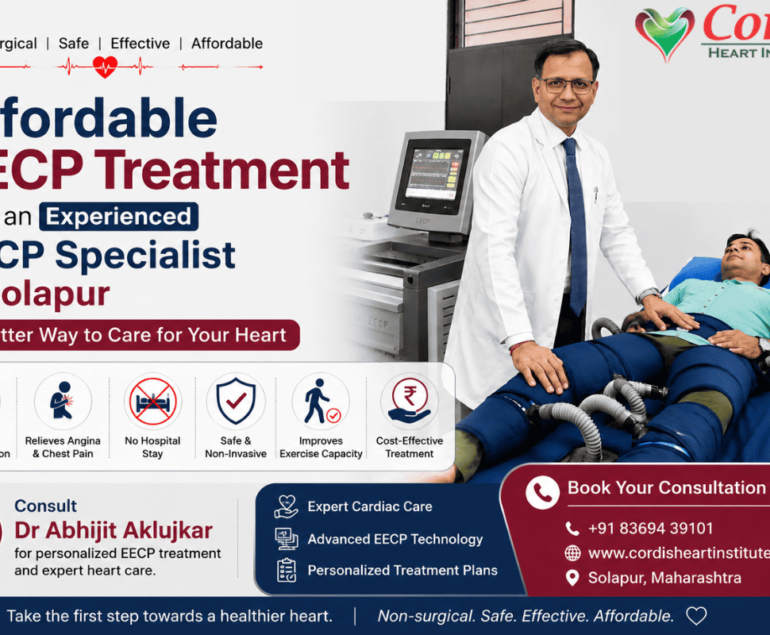
At Cordis Heart Institute, every patient undergoes a detailed cardiac assessment before a treatment plan is recommended. Under the guidance of Dr Abhijit Aklujkar, patients receive individualized care based on their heart condition, medical history, symptoms, and treatment goals. The focus is always on choosing the most appropriate and evidence-based approach for each patient.
If you have recently been diagnosed with heart blockage or are exploring alternatives to surgery, this guide explains how EECP works, who may benefit from it, and what you should know before considering treatment.
What Is Heart Blockage?
Heart blockage, also known as coronary artery disease (CAD), occurs when the arteries supplying oxygen-rich blood to the heart become narrowed or blocked. This usually happens because of a gradual buildup of fatty deposits called plaque inside the artery walls.
As the blockage increases, less blood reaches the heart muscle. This reduced blood flow can cause symptoms such as chest pain during physical activity, shortness of breath, or fatigue. If a blockage becomes severe or completely obstructs blood flow, it can result in a heart attack.
Heart blockage develops over many years and is often linked to lifestyle habits and medical conditions such as:
- High cholesterol
- High blood pressure
- Diabetes
- Smoking
- Obesity
- Lack of physical activity
- Family history of heart disease
- Chronic stress
Early diagnosis and proper treatment can reduce complications and improve quality of life.
How Does Heart Blockage Develop?
Healthy coronary arteries allow blood to flow freely to the heart muscle. Over time, excess cholesterol, inflammatory cells, calcium, and other substances may collect along the artery walls, forming plaque.
As plaque grows:
- The artery gradually narrows.
- Blood flow to the heart decreases.
- The heart receives less oxygen during physical activity.
- Patients may begin experiencing chest discomfort or breathlessness.
In some cases, plaque can rupture suddenly, leading to the formation of a blood clot that blocks blood flow completely. This is one of the main causes of heart attacks.
Several factors can accelerate plaque buildup, including uncontrolled diabetes, smoking, high LDL cholesterol, and poorly managed blood pressure.
Common Symptoms of Heart Blockage
Many people do not experience symptoms during the early stages of coronary artery disease. Symptoms often appear only when the blockage becomes significant enough to reduce blood supply to the heart.
Common signs include:
Chest Pain (Angina)
Angina is often described as pressure, heaviness, squeezing, or discomfort in the center or left side of the chest. It may occur during exercise, climbing stairs, or emotional stress and usually improves with rest.
Shortness of Breath
When the heart cannot pump efficiently due to reduced blood flow, everyday activities such as walking or climbing stairs may become difficult.
Fatigue
Persistent tiredness or reduced stamina can sometimes indicate poor blood supply to the heart, especially in older adults or people with diabetes.
Pain in the Arm, Jaw, Neck, or Back
Heart-related pain is not always limited to the chest. Some patients experience discomfort radiating to the left arm, shoulders, jaw, neck, or upper back.
Other Symptoms
Depending on the individual, symptoms may also include:
- Dizziness
- Excessive sweating
- Nausea
- Palpitations
- Reduced exercise capacity
Anyone experiencing sudden or severe chest pain should seek emergency medical attention immediately, as it could indicate a heart attack.
Can Heart Blockage Be Treated Without Surgery?
Not every patient with heart blockage requires surgery. The right treatment depends on several factors, including:
- The number and severity of blockages
- Whether symptoms are stable or worsening
- Heart pumping function
- Overall health
- Other medical conditions
For many patients, treatment begins with lifestyle changes and medications to control cholesterol, blood pressure, diabetes, and symptoms.
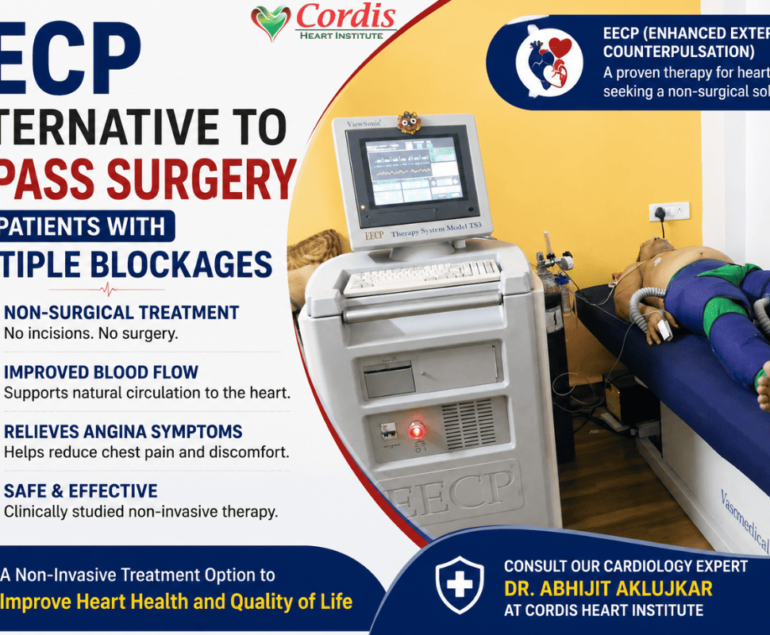
In selected cases, non-invasive therapies such as Enhanced External Counterpulsation (EECP) may also be considered. EECP is intended to improve blood flow and relieve symptoms in suitable patients. However, it is not a replacement for emergency procedures such as angioplasty or bypass surgery when those treatments are medically necessary.
A detailed evaluation by a qualified cardiologist is essential before deciding whether EECP is an appropriate option.
What Is EECP Therapy?
Enhanced External Counterpulsation (EECP) is a non-invasive therapy used to improve blood flow to the heart in selected patients with coronary artery disease and chronic stable angina.
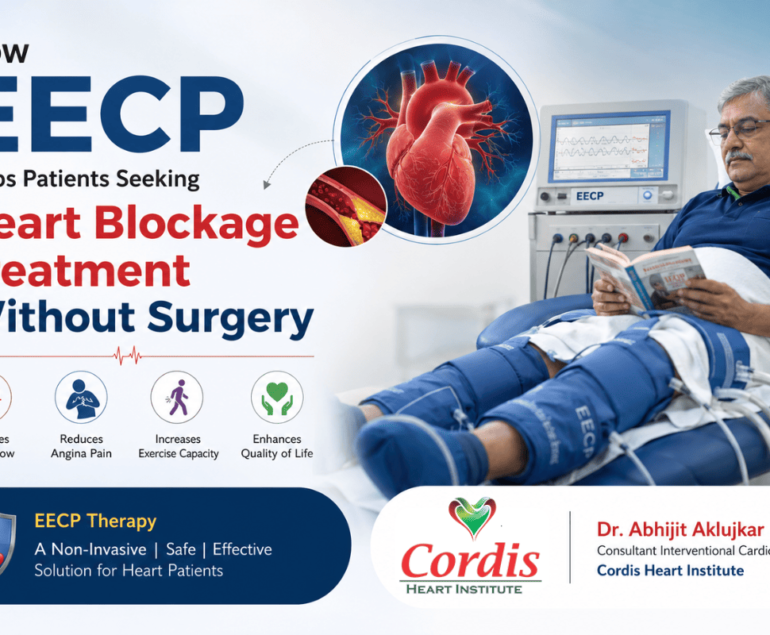
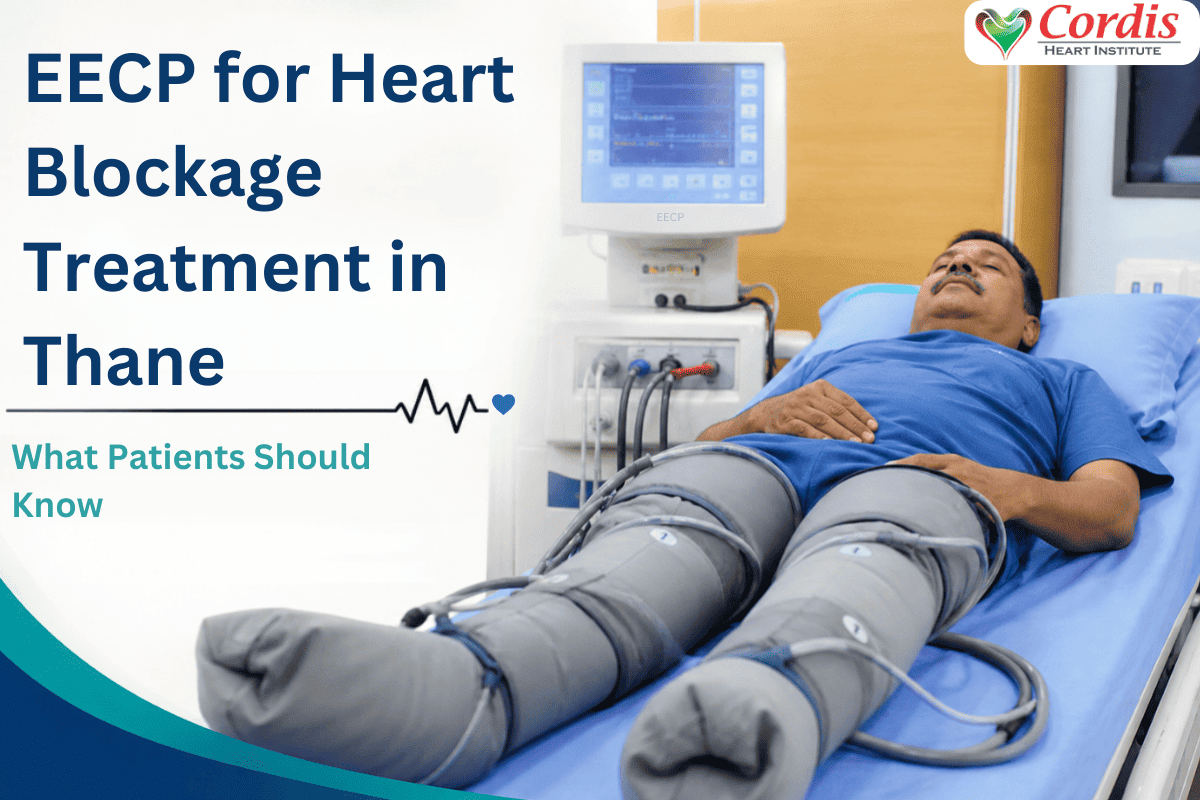
Unlike surgery, EECP does not involve incisions, anesthesia, or implanted devices. During treatment, inflatable cuffs are wrapped around the calves, thighs, and buttocks. These cuffs inflate and deflate in a carefully timed sequence that matches the patient’s heartbeat.
This synchronized compression helps increase blood flow back to the heart during relaxation (diastole), improving oxygen delivery to the heart muscle.
EECP is often recommended for patients who:
- Continue to experience angina despite medication
- Are not ideal candidates for angioplasty or bypass surgery
- Have persistent symptoms after previous cardiac procedures
- Need additional symptom management under specialist supervision
Treatment is provided over multiple sessions and is performed under medical supervision.
Understanding Enhanced External Counterpulsation (EECP)
The principle behind EECP is to improve circulation naturally.
Each heartbeat has two phases:
- Systole: The heart pumps blood to the body.
- Diastole: The heart relaxes and receives its own blood supply through the coronary arteries.
EECP works during diastole. The cuffs inflate from the lower legs upward in a precise sequence, gently pushing blood toward the heart. Just before the next heartbeat, the cuffs rapidly deflate, reducing the workload on the heart as it pumps blood forward.
This coordinated action may help improve coronary blood flow and reduce the symptoms of angina in appropriate patients.
How EECP Treatment Works
Each EECP session generally lasts about one hour.
During treatment:
- The patient lies comfortably on a treatment bed.
- Electrodes monitor the heartbeat continuously.
- Blood pressure is monitored throughout the session.
- Inflatable cuffs are placed around the legs.
- The machine synchronizes cuff inflation and deflation with the ECG.
- Treatment continues while the patient remains awake and relaxed.
Most patients can read, listen to music, or watch television during therapy.
A standard course often includes around 35 sessions, although the exact duration depends on the individual’s condition and the treating cardiologist’s recommendations.
How EECP Improves Blood Flow to the Heart
One of the primary goals of EECP therapy is to improve circulation to areas of the heart receiving reduced blood supply.
Potential benefits include:
- Increased oxygen-rich blood reaching heart tissue
- Better circulation through existing coronary arteries
- Development of collateral blood vessels that can help bypass narrowed arteries
- Reduced workload on the heart
- Improved exercise tolerance
- Relief from chronic angina symptoms in suitable patients
It is important to understand that EECP does not dissolve or remove plaque from blocked arteries. Instead, it aims to improve blood flow around the blockage and reduce symptoms.
Patients should discuss expected outcomes with their cardiologist before starting therapy.
Is EECP Approved and Safe?
EECP has been used internationally for many years and is considered a non-invasive treatment option for carefully selected patients with chronic stable angina. Clinical studies have shown that many suitable patients experience fewer episodes of chest pain and improved exercise capacity after completing treatment.
Because the therapy does not involve surgery, anesthesia, or hospital admission, the risk of procedure-related complications is generally lower than with invasive interventions. However, like any medical treatment, EECP is not suitable for everyone.
Patients with severe valve disease, uncontrolled hypertension, active blood clots, or certain vascular conditions may require different treatment approaches.
Before recommending EECP, the cardiology team at Cordis Heart Institute performs a detailed evaluation to determine whether the therapy is appropriate for the patient’s specific condition. This careful assessment helps ensure that each patient receives a treatment plan based on current medical evidence and individual health needs.
How EECP Helps Patients with Heart Blockage
For many patients living with coronary artery disease, the biggest challenge is managing symptoms that affect daily life. Chest pain while walking, getting tired after climbing a few stairs, or feeling breathless during routine activities can significantly reduce confidence and independence.
EECP therapy is designed to improve blood circulation to the heart muscle in selected patients. While it does not remove plaque from blocked arteries, it can help improve blood flow through natural pathways, reduce symptoms, and support a better quality of life when combined with medications and healthy lifestyle changes.
Improves Blood Circulation
The primary goal of EECP therapy is to improve blood supply to the heart muscle.
During each treatment session, specially designed cuffs wrapped around the legs inflate and deflate in synchronization with your heartbeat. This process increases blood flow back to the heart during its relaxation phase (diastole), allowing more oxygen-rich blood to reach areas affected by reduced circulation.
Better blood flow may help relieve symptoms in patients with chronic stable angina and improve overall heart function.
Encourages the Development of Natural Bypass Blood Vessels
One of the most discussed benefits of EECP is its ability to encourage the formation and use of collateral blood vessels.
Collateral vessels are small natural blood vessels that can enlarge over time and help carry blood around narrowed or blocked arteries. Many people already have these tiny vessels, but they may not be fully developed.
By repeatedly improving blood flow during treatment sessions, EECP may stimulate these alternate pathways, allowing oxygen-rich blood to reach heart muscle that was previously receiving less circulation.
This is one of the reasons why EECP is sometimes referred to as a therapy that supports the body’s natural bypass system.
Reduces Chest Pain (Angina)
Angina is one of the most common symptoms experienced by patients with heart blockage.
When the heart muscle does not receive enough oxygen during physical activity or emotional stress, patients may experience:
- Pressure in the chest
- Tightness
- Burning sensation
- Pain radiating to the shoulder, neck, jaw, or left arm
Many patients who complete a full course of EECP report fewer episodes of angina and improved comfort while performing routine activities.
However, results vary from person to person, and symptom improvement depends on the severity of heart disease, other medical conditions, and adherence to prescribed treatment.
Improves Exercise Capacity
Patients with coronary artery disease often avoid physical activity because of discomfort or fear of triggering chest pain.
By improving blood circulation, EECP may help suitable patients gradually tolerate more physical activity.
Some patients notice improvements such as:
- Walking longer distances
- Climbing stairs more comfortably
- Performing household work with less fatigue
- Feeling less breathless during daily activities
Regular exercise remains an important part of long-term heart health. Your cardiologist may recommend a personalized exercise program after completing EECP therapy.
Enhances Quality of Life
Living with chronic heart disease affects more than physical health. It can also impact emotional well-being, sleep quality, work, and social life.
Patients who experience relief from angina often report improvements in:
- Daily independence
- Confidence during physical activity
- Energy levels
- Sleep
- Emotional well-being
- Participation in family and social activities
While EECP is not a cure for coronary artery disease, it may help suitable patients live more comfortably by reducing symptoms and improving functional capacity.
Who Is a Good Candidate for EECP for Heart Blockage?
Not everyone with heart blockage requires the same treatment. The decision depends on factors such as the severity of blockage, symptoms, heart function, existing medical conditions, and previous cardiac procedures.
A detailed cardiac evaluation at Cordis Heart Institute helps determine whether EECP is the right option for each patient.
Below are some situations where EECP may be considered.
Patients with Stable Angina
Patients who continue to experience predictable chest pain despite taking prescribed medications may benefit from EECP therapy.
Stable angina usually occurs during:
- Walking
- Climbing stairs
- Physical activity
- Emotional stress
Symptoms generally improve with rest or medication.
EECP is often considered for these patients after careful assessment by a cardiologist.
Patients Looking for a Non-Surgical Treatment Option
Many people prefer to explore treatment options that do not involve surgery whenever medically appropriate.
EECP may be suitable for selected patients because it:
- Does not require surgery
- Does not involve hospital admission
- Does not require general anesthesia
- Allows patients to return home after each session
It is important to remember that avoiding surgery is not always the safest choice. Some patients with severe blockages may still require angioplasty or bypass surgery. The most appropriate treatment should always be decided after a thorough cardiac evaluation.
Patients Who Are Not Suitable for Angioplasty or Bypass Surgery
Some individuals have medical conditions that increase the risks associated with invasive procedures.
These may include:
- Advanced age
- Multiple medical conditions
- Diffuse coronary artery disease
- Previous unsuccessful interventions
- High surgical risk
In such cases, EECP may be considered as part of an individualized treatment strategy aimed at reducing symptoms and improving quality of life.
Patients with Multiple Coronary Artery Blockages
When several arteries are affected, treatment planning becomes more complex.
Depending on the pattern of disease and overall heart health, some patients with multiple blockages may be evaluated for EECP as an additional therapy, especially if symptoms continue despite medications.
The decision should always be made by an experienced cardiologist after reviewing angiography findings and other cardiac investigations.
Patients After Angioplasty or Bypass Surgery
Some patients continue to experience chest discomfort even after undergoing angioplasty or bypass surgery.
Possible reasons include:
- Progression of coronary artery disease
- Narrowing of treated arteries over time
- Disease affecting smaller blood vessels
- Persistent angina despite successful procedures
For selected patients, EECP may help improve blood circulation and reduce ongoing symptoms when recommended by their treating cardiologist.
Who Should Avoid EECP Therapy?
Although EECP is considered safe for many patients, it is not suitable for everyone.
A complete medical assessment is necessary before starting treatment to identify conditions where EECP may not be recommended.
Severe Valve Disease
Patients with significant aortic valve leakage or other severe valvular heart diseases may not be suitable candidates for EECP.
The increased blood flow generated during treatment may not be appropriate for these conditions.
Uncontrolled High Blood Pressure
Patients with severely elevated blood pressure should first have their condition brought under control before considering EECP therapy.
Managing hypertension reduces the risk of complications and improves overall treatment outcomes.
Active Blood Clots
Individuals with active deep vein thrombosis (DVT) or certain clotting disorders generally should not undergo EECP until the condition has been treated.
Inflating the leg cuffs could potentially increase the risk of complications in these situations.
Severe Peripheral Artery Disease
Patients with advanced blockage in the arteries of the legs require careful evaluation.
Because EECP involves repeated compression of the lower limbs, severe peripheral artery disease may limit its suitability.
Other Medical Conditions Requiring Specialist Evaluation
Your cardiologist may also recommend against EECP or postpone treatment if you have:
- Severe irregular heart rhythms
- Active infections
- Severe heart failure requiring urgent intervention
- Recent heart attack requiring immediate invasive treatment
- Bleeding disorders
- Certain vascular abnormalities
Every patient is different. A personalized evaluation is the safest way to determine eligibility.
EECP Treatment Procedure at Cordis Heart Institute
Understanding the treatment process often helps patients feel more comfortable before beginning therapy.
At Cordis Heart Institute, EECP treatment is carried out under medical supervision with continuous monitoring to ensure patient safety and comfort.
Initial Heart Evaluation
The first step is a detailed consultation and cardiac assessment.
This may include:
- Review of symptoms
- Medical history
- Physical examination
- Blood pressure assessment
- ECG
- Echocardiography
- Previous angiography reports
- Current medications
Additional investigations may be recommended depending on the patient’s condition.
Consultation with Dr Abhijit Aklujkar
After reviewing the evaluation, Dr Abhijit Aklujkar discusses the available treatment options with the patient.
During the consultation, patients can expect guidance on:
- Whether EECP is appropriate
- Expected benefits
- Possible limitations
- Alternative treatment options if needed
- Lifestyle changes to support heart health
The treatment plan is individualized based on each patient’s medical condition and goals.
Number of Sessions Required
A standard EECP treatment course typically consists of 35 one-hour sessions, usually completed over seven weeks with five sessions each week.
Some patients may require additional sessions depending on:
- Symptom severity
- Clinical response
- Overall heart condition
- Cardiologist’s recommendations
Treatment schedules can often be adjusted to accommodate individual needs.
Duration of Each Session
Each session lasts approximately 60 minutes.
Patients remain awake throughout the procedure and are monitored continuously.
Many people choose to:
- Read a book
- Listen to music
- Watch television
- Practice relaxation techniques
Most patients are able to return to their normal routine immediately after treatment.
What Patients Can Expect During Treatment
The therapy itself is generally painless, although patients may initially notice a firm squeezing sensation around the legs as the cuffs inflate.
As treatment progresses, most people become accustomed to this rhythmic compression.
Throughout each session:
- Heart rhythm is monitored.
- Blood pressure is observed.
- The treatment team checks patient comfort.
- The machine adjusts cuff timing according to the heartbeat.
Patients are encouraged to report any discomfort so adjustments can be made promptly.
EECP vs Angioplasty: What’s the Difference?
Patients diagnosed with heart blockage often ask the same question: Should I choose EECP or angioplasty?
The answer depends on several factors, including the severity of the blockage, symptoms, overall heart function, and the recommendations of a cardiologist.
Both treatments have an important role in heart care, but they serve different purposes and are recommended for different patient groups.
Feature | EECP Therapy | Angioplasty |
Procedure | Non-invasive | Minimally invasive catheter-based procedure |
Hospital Stay | Usually not required | Usually 1-3 days |
Anesthesia | Not required | Local anesthesia with sedation if needed |
Stent Placement | No | Yes, in most cases |
Recovery | Patients usually resume routine activities the same day | Recovery generally takes a few days |
Purpose | Improve blood circulation and relieve symptoms | Open significantly narrowed or blocked arteries |
Suitable For | Selected patients with stable symptoms | Patients who need immediate restoration of blood flow or meet guideline-based indications |
It is important to understand that EECP is not a replacement for angioplasty in emergency situations, such as an acute heart attack or severe blockage requiring immediate intervention.
However, for carefully selected patients with chronic stable angina or persistent symptoms despite medication, EECP may be considered as part of a personalized treatment plan.
The most appropriate treatment should always be decided after reviewing investigations such as ECG, echocardiography, stress testing, and coronary angiography.
EECP vs Bypass Surgery
Bypass surgery is another well-established treatment for patients with complex coronary artery disease, especially when multiple arteries are severely blocked.
Like angioplasty, bypass surgery has clear medical indications and can be life-saving in appropriate patients.
EECP differs because it is a non-surgical therapy designed to improve circulation rather than create a surgical bypass.
Comparison | EECP Therapy | Bypass Surgery |
Procedure | External compression therapy | Open-heart surgery |
Incisions | None | Chest incision required |
General Anesthesia | No | Yes |
Hospital Admission | Usually not required | Several days |
Recovery Time | Patients usually continue normal activities during treatment | Recovery may take several weeks |
Primary Goal | Improve blood flow and relieve symptoms | Surgically restore blood supply beyond blocked arteries |
Some patients are not suitable candidates for bypass surgery because of age, existing medical conditions, or surgical risk. In these situations, EECP may be considered if it is clinically appropriate.
It is equally important to remember that when bypass surgery is strongly recommended by a cardiologist or cardiac surgeon, delaying necessary treatment can increase health risks. Treatment decisions should always be based on a thorough medical evaluation rather than personal preference alone.
Benefits of Getting EECP Treatment in Thane
Choosing a treatment centre close to home can make the therapy process more convenient, especially because EECP typically involves multiple sessions over several weeks.
For patients living in Thane and nearby areas, receiving treatment locally offers several practical advantages.
Easy Access for Regular Treatment
A standard EECP course usually includes multiple sessions each week.
Receiving treatment in Thane can help patients:
- Reduce travel time
- Maintain treatment consistency
- Minimize physical strain
- Stay close to family support
This can make completing the recommended treatment schedule more manageable.
Experienced Cardiology Team
Successful heart care involves more than the treatment itself.
An experienced cardiology team helps by:
- Assessing whether EECP is appropriate
- Monitoring progress throughout therapy
- Adjusting treatment plans when necessary
- Managing medications alongside EECP
- Identifying when other interventions may be required
Continuous medical supervision contributes to safe and effective patient care.
Personalized Treatment Plans
Every patient has a unique medical history.
Factors considered before recommending EECP include:
- Severity of coronary artery disease
- Existing medications
- Blood pressure control
- Diabetes
- Previous angioplasty or bypass surgery
- Heart pumping function
- Lifestyle and activity level
Rather than using a one-size-fits-all approach, treatment plans should be tailored to each patient’s condition and goals.
Advanced Cardiac Care at Cordis Heart Institute
At Cordis Heart Institute, patient care begins with a detailed evaluation instead of immediately recommending a particular procedure.
The team focuses on understanding:
- The patient’s symptoms
- Diagnostic reports
- Risk factors
- Previous treatments
- Overall cardiovascular health
Based on this assessment, an individualized treatment strategy is developed. If EECP is considered suitable, patients receive therapy under medical supervision with ongoing monitoring throughout the treatment course.
Why Choose Cordis Heart Institute for EECP Treatment?
Selecting the right heart care centre is an important part of the treatment journey.
Patients should look for a hospital that combines experienced specialists, modern technology, and individualized care.
Experienced Cardiology Team
Heart disease often requires long-term management rather than a single procedure.
An experienced team can help patients:
- Understand their diagnosis
- Review available treatment options
- Monitor treatment response
- Manage medications
- Plan long-term heart health
Advanced EECP Equipment
Modern EECP systems are designed to synchronize cuff inflation and deflation with the patient’s heartbeat using continuous ECG monitoring.
This precise timing helps optimize blood flow while maintaining patient comfort throughout each session.
Comprehensive Cardiac Evaluation
Before beginning EECP therapy, patients undergo a detailed cardiac assessment.
Depending on individual needs, this may include:
- ECG
- Echocardiography
- Blood investigations
- Blood pressure evaluation
- Coronary angiography review
- Medication assessment
A complete evaluation helps determine whether EECP is appropriate or if another treatment would be more beneficial.
Personalized Patient Care
Every patient responds differently to treatment.
At Cordis Heart Institute, care plans are individualized based on:
- Medical history
- Current symptoms
- Risk factors
- Lifestyle
- Treatment goals
- Existing medications
Patients are encouraged to ask questions and participate in treatment decisions throughout their care.
Modern Infrastructure
Comfortable treatment facilities contribute to a better patient experience during the several weeks typically required for EECP therapy.
A well-equipped cardiac centre also supports:
- Continuous patient monitoring
- Emergency preparedness
- Coordinated multidisciplinary care
- Efficient follow-up appointments
Ongoing Monitoring Throughout Treatment
Regular monitoring allows the medical team to evaluate:
- Symptom improvement
- Exercise tolerance
- Blood pressure
- Overall treatment response
If needed, treatment plans can be adjusted to provide the most appropriate care.
Treatment Under Dr Abhijit Aklujkar
Patients receiving care at Cordis Heart Institute are evaluated by Dr Abhijit Aklujkar, who develops individualized treatment plans based on each patient’s heart condition, investigations, symptoms, and overall health.
The objective is to recommend the treatment that offers the greatest potential benefit while following established cardiology guidelines.
What Results Can Patients Expect After EECP?
Many patients considering EECP naturally want to know when they may notice improvements.
Results vary depending on factors such as:
- Severity of coronary artery disease
- Existing heart function
- Diabetes
- Blood pressure control
- Smoking status
- Physical activity
- Medication adherence
While individual experiences differ, suitable patients may notice gradual improvement over the course of treatment.
Improved Blood Flow
EECP is designed to improve circulation to the heart muscle by increasing blood flow during the relaxation phase of the heartbeat.
Better circulation may allow the heart to receive more oxygen during daily activities.
Reduced Angina Episodes
Many patients report fewer episodes of chest discomfort after completing the recommended treatment course.
Reduced angina can make routine activities more comfortable and lessen the need for emergency medical visits related to recurring symptoms.
Better Stamina
As symptoms improve, patients may gradually find it easier to:
- Walk longer distances
- Perform household activities
- Climb stairs
- Participate in light exercise
These improvements should always be supported by a cardiologist-approved exercise program.
Improved Daily Activities
Simple daily tasks often become easier when symptoms are better controlled.
Patients may notice improvements in:
- Household work
- Shopping
- Office work
- Social activities
- Travelling short distances
Improvement varies between individuals and should not be viewed as a guarantee of specific outcomes.
Long-Term Heart Health Requires Lifestyle Changes
EECP works best when combined with healthy habits.
Patients are encouraged to continue:
- Prescribed medications
- Regular follow-up appointments
- Healthy eating
- Physical activity
- Blood pressure control
- Diabetes management
These measures help reduce future cardiovascular risk.
Lifestyle Tips to Improve Heart Health Along with EECP
EECP is only one part of a complete heart care plan. Long-term results depend heavily on everyday lifestyle choices.
Follow a Heart-Healthy Diet
Choose foods that support cardiovascular health, including:
- Fresh fruits
- Green vegetables
- Whole grains
- Pulses
- Lean protein
- Healthy fats such as nuts and seeds
Limit foods high in salt, sugar, saturated fat, and trans fat.
Stay Physically Active
After approval from your cardiologist, aim for regular physical activity such as:
- Walking
- Cycling
- Light stretching
- Cardiac rehabilitation exercises
Even moderate activity performed consistently can support heart health.
Manage Diabetes Carefully
High blood sugar damages blood vessels over time.
Patients with diabetes should:
- Monitor blood glucose regularly
- Take medications as prescribed
- Follow dietary advice
- Attend routine medical check-ups
Good diabetes control lowers the risk of future heart complications.
Control Blood Pressure
Keeping blood pressure within the target range reduces stress on the heart and arteries.
Lifestyle measures include:
- Reducing salt intake
- Maintaining a healthy weight
- Exercising regularly
- Taking prescribed medications consistently
Quit Smoking
Smoking accelerates plaque buildup and reduces oxygen supply to the heart.
Stopping smoking remains one of the most effective ways to improve long-term cardiovascular health, regardless of the treatment chosen.
If needed, ask your healthcare provider about smoking cessation programs and support.
Reduce Stress
Long-term stress may contribute to unhealthy lifestyle habits and affect heart health.
Helpful stress management techniques include:
- Meditation
- Deep breathing exercises
- Yoga
- Adequate sleep
- Spending time with family
- Pursuing hobbies
Small, consistent changes often make a meaningful difference over time.
Frequently Asked Questions (FAQs)
Is EECP effective for heart blockage?
EECP has been shown to help selected patients with chronic stable angina by improving blood circulation to the heart muscle and reducing symptoms such as chest pain and shortness of breath. It is important to understand that EECP does not remove plaque from blocked arteries. Instead, it helps improve blood flow through collateral circulation and may improve quality of life in suitable patients. Your cardiologist will determine whether EECP is appropriate based on your medical condition.
Can EECP remove artery blockage?
No. EECP does not dissolve or remove cholesterol plaque from the coronary arteries.
Its purpose is to improve blood flow to the heart by encouraging the development and use of natural collateral blood vessels. Patients should continue taking prescribed medications and follow their cardiologist’s advice to manage coronary artery disease.
How many EECP sessions are required?
A standard EECP treatment course generally consists of 35 sessions, with each session lasting approximately one hour.
Most patients complete treatment over seven weeks, attending five sessions each week. However, the number of sessions may vary depending on the patient’s condition and the treating cardiologist’s recommendation.
Is EECP painful?
EECP is generally considered a comfortable and non-invasive treatment.
During therapy, patients experience rhythmic pressure from inflatable cuffs wrapped around the legs. While this squeezing sensation may feel unusual during the first few sessions, most patients adjust quickly.
If any discomfort occurs, the treatment team can make adjustments to improve comfort.
What is the success rate of EECP therapy?
Clinical studies have shown that many appropriately selected patients experience:
- Reduced angina symptoms
- Improved exercise tolerance
- Better quality of life
- Reduced need for nitroglycerin medication in some cases
The degree of improvement varies from person to person and depends on factors such as the severity of coronary artery disease, other medical conditions, and adherence to the overall treatment plan.
Can people with diabetes undergo EECP treatment?
Many patients with diabetes can undergo EECP after a detailed medical evaluation.
Since diabetes is a major risk factor for coronary artery disease, careful assessment of blood sugar control, circulation, kidney function, and overall health is important before beginning therapy.
Can EECP help avoid bypass surgery?
For some carefully selected patients, EECP may help reduce symptoms and improve daily functioning without surgery.
However, it should not be viewed as a substitute for bypass surgery when surgery is medically necessary. Patients with severe coronary artery disease may still require angioplasty or bypass surgery based on current cardiology guidelines.
The most appropriate treatment should always be determined after consultation with an experienced cardiologist.
Is EECP covered by insurance?
Insurance coverage for EECP varies depending on the insurance provider, policy terms, and medical indication.
Patients should contact their insurance company or speak with the hospital’s billing team to understand their individual coverage and reimbursement options.
How long do the benefits of EECP last?
Many patients continue to experience symptom relief for months or even years after completing treatment.
The duration of benefits depends on several factors, including:
- Lifestyle habits
- Medication adherence
- Blood pressure control
- Diabetes management
- Smoking status
- Regular follow-up with a cardiologist
Maintaining a heart-healthy lifestyle plays an important role in preserving the benefits of treatment.
Where can I get EECP treatment in Thane?
Patients looking for EECP for Heart Blockage Treatment in Thane can consult Cordis Heart Institute for a detailed cardiac evaluation.
Under the guidance of Dr Abhijit Aklujkar, patients receive individualized treatment recommendations based on their symptoms, medical history, and diagnostic findings.
Conclusion
Heart blockage is a serious condition, but advances in cardiac care have made it possible to offer different treatment options based on each patient’s needs. While angioplasty and bypass surgery remain the most appropriate treatments for many patients, selected individuals with chronic stable angina may benefit from EECP for Heart Blockage Treatment in Thane as part of a personalized care plan.
EECP is a non-invasive therapy designed to improve blood circulation and reduce symptoms. Although it does not remove arterial blockages, it may help suitable patients experience fewer episodes of chest pain, better exercise tolerance, and an improved quality of life when combined with medications and healthy lifestyle changes.
Choosing the right treatment begins with an accurate diagnosis. A detailed cardiac evaluation helps determine whether EECP, angioplasty, bypass surgery, or another approach is the safest and most effective option.
At Cordis Heart Institute, every patient receives an individualized assessment to ensure treatment decisions are based on clinical findings and current medical guidelines. Under the care of Dr Abhijit Aklujkar, the focus is on recommending the treatment that best supports each patient’s long-term heart health.
Ready to Find Out if EECP Is Right for You?
If you have been diagnosed with heart blockage, experience recurring chest pain, or want to understand your treatment options, scheduling a consultation is the first step.
At Cordis Heart Institute, Dr Abhijit Aklujkar provides detailed evaluations and personalized treatment recommendations based on your heart condition, symptoms, and overall health.
Whether you are exploring a non-surgical option or seeking a second opinion before angioplasty or bypass surgery, a professional assessment can help you make an informed decision.
Book your consultation today and take a proactive step toward better heart health.