Hearing that you have a heart blockage can feel overwhelming. For many people, the first thought is surgery, stents, or bypass procedures. But here’s the question more patients are asking today: Is there a way to manage or treat heart blockage without going under the knife?
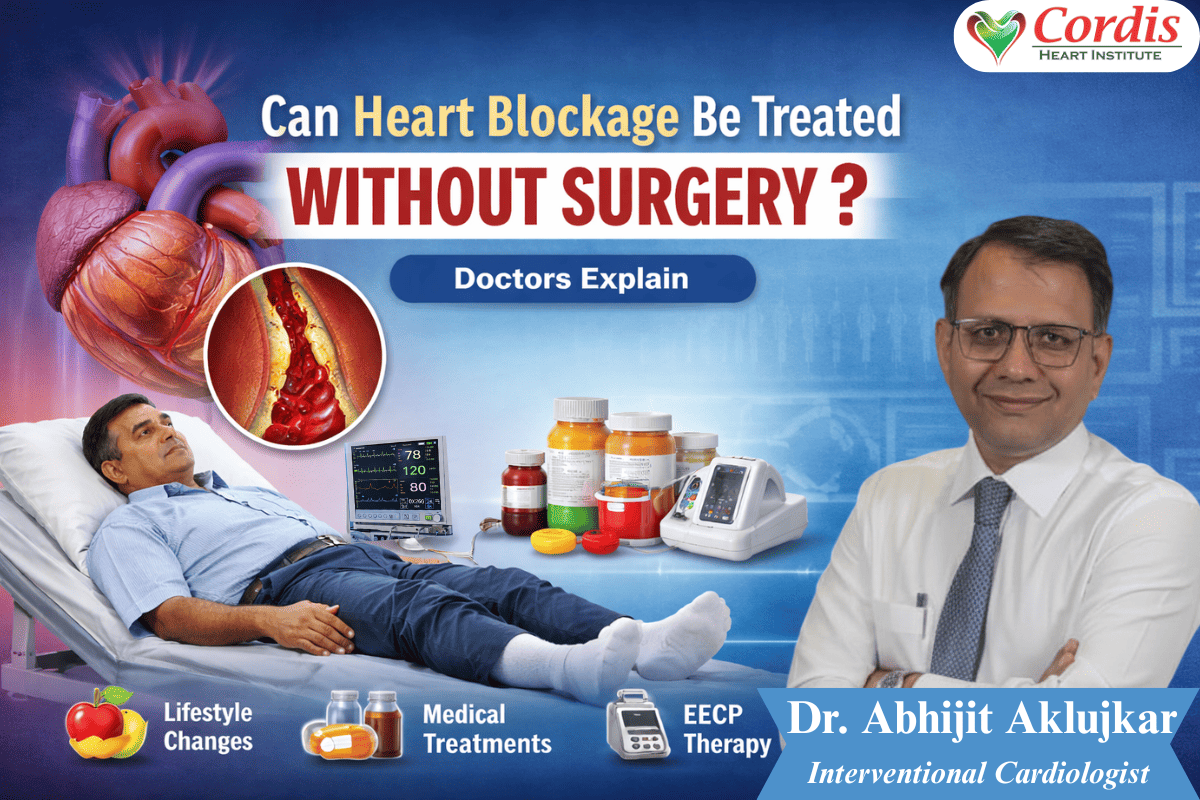
The good news is that heart blockage treatment without surgery is not just possible in many cases, but also increasingly preferred by patients looking for safer and less invasive options. Advances in medical science have made it possible to improve heart health through non-surgical treatments, lifestyle changes, and therapies like EECP.
At places like Cordis Heart Institute, under the guidance of Dr. Abhijit Aklujkar, patients are exploring these alternatives with confidence. In this article, you’ll learn how heart blockage happens, when surgery is needed, and how non-surgical treatments can help you recover and live a healthier life.
What Is Heart Blockage? Understanding the Basics
What Causes Heart Blockage?
Heart blockage occurs when the arteries supplying blood to your heart become narrow or blocked. This is usually due to plaque buildup, made of cholesterol, fat, calcium, and other substances.
Common causes include:
- High cholesterol levels
- Smoking
- Diabetes
- Lack of physical activity
- Chronic stress
Over time, this buildup restricts blood flow, increasing the risk of serious complications.
Common Symptoms of Heart Blockage
Recognizing symptoms early can make a big difference in outcomes. Some warning signs include:
- Chest pain or discomfort (angina)
- Shortness of breath
- Fatigue, especially during activity
- Pain in the neck, jaw, or arms
In some cases, people may not notice symptoms until the condition becomes serious.
Why Early Diagnosis Matters
Ignoring early signs can lead to severe complications like heart attacks. Early diagnosis allows doctors to recommend the right heart blockage treatment, often avoiding surgery if caught in time.
Can Heart Blockage Be Treated Without Surgery?
Is Surgery Always Necessary?
Not always. Surgery is typically recommended in severe cases where arteries are heavily blocked. However, many patients with mild to moderate blockages can benefit from non-surgical treatment for heart blockage.
Doctor’s Perspective – What Experts Say
According to Dr. Abhijit Aklujkar, treatment depends on factors like:
- Severity of blockage
- Patient’s overall health
- Symptoms and risk factors
At Cordis Heart Institute, patients are evaluated carefully to determine whether they can safely avoid surgery and opt for alternative treatments.
Top Non-Surgical Heart Blockage Treatment Options
EECP Treatment (Enhanced External Counterpulsation)
EECP is one of the most talked-about options for heart blockage treatment without surgery.
How it works:
- Cuffs are wrapped around the legs
- These inflate and deflate in sync with your heartbeat
- This improves blood flow to the heart
Benefits:
- Improves circulation
- Reduces chest pain
- Enhances overall heart function
Who can benefit:
- Patients with angina
- Those not fit for surgery
- People looking for non-invasive solutions
Medications for Heart Blockage Treatment
Doctors often prescribe medications to manage and reduce blockage risk:
- Blood thinners to prevent clots
- Statins to lower cholesterol
- Medicines to control blood pressure
These are often combined with other treatments for better results.
Lifestyle Changes That Help Reverse Blockage
Lifestyle plays a major role in how to remove heart blockage naturally.
Key changes include:
- Eating a heart-friendly diet (low fat, high fiber)
- Regular exercise (at least 30 minutes daily)
- Stress management through yoga or meditation
- Quitting smoking and limiting alcohol
These habits not only slow blockage progression but can also improve overall heart health.
EECP Treatment – A Proven Non-Surgical Solution
How EECP Improves Blood Flow
EECP encourages the formation of natural bypass vessels in the heart. This means your body creates new pathways for blood to flow, reducing strain on blocked arteries.
Benefits Over Surgery
- No cuts or anesthesia
- No hospital stay required
- Minimal risk
- Faster recovery time
This makes it an attractive option for many patients.
Success Stories at Cordis Heart Institute
At Cordis Heart Institute, many patients have reported:
- Reduced chest pain
- Better stamina
- Improved quality of life
These outcomes make EECP a trusted option for non-surgical care.
Who Is the Right Candidate for Non-Surgical Treatment?
Not everyone needs surgery. You may be a good candidate if:
Mild to Moderate Blockages
Patients with less severe narrowing often respond well to non-invasive methods.
Patients Unfit for Surgery
Older adults or those with other health conditions may prefer safer options.
Those Seeking Alternative Treatments
Some patients choose non-surgical paths to avoid risks associated with surgery.
Risks and Limitations of Non-Surgical Treatments
While effective, non-surgical treatments are not suitable for all cases.
When Surgery Becomes Necessary
- Severe artery blockage
- High risk of heart attack
- Ineffective response to non-surgical methods
Importance of Doctor Consultation
A proper diagnosis is essential. Always consult a qualified specialist before deciding on treatment.
How to Choose the Best Heart Specialist?
Experience and Expertise Matter
Choosing the right doctor can significantly impact your recovery. Dr. Abhijit Aklujkar is known for his experience in managing heart conditions with both surgical and non-surgical approaches.
Advanced Treatment Facilities
Institutes like Cordis Heart Institute offer advanced diagnostics and therapies, making them a reliable choice for heart care.
FAQs on Heart Blockage Treatment Without Surgery
Can heart blockage be cured without surgery?
In many cases, heart blockage can be managed and improved without surgery using lifestyle changes, medications, and therapies like EECP. However, complete reversal depends on severity and individual health conditions.
How effective is EECP treatment?
EECP has shown strong results in improving blood flow, reducing chest pain, and increasing exercise tolerance in many patients, especially those with chronic angina.
How long does non-surgical treatment take?
EECP treatment usually lasts for several weeks, while lifestyle and medication-based approaches are ongoing and require consistency.
Is EECP safe for elderly patients?
Yes, EECP is generally considered safe and is often recommended for elderly patients who may not be suitable for surgery.
What is the cost of heart blockage treatment without surgery?
Costs vary depending on the treatment type, duration, and hospital. Non-surgical options are often more affordable compared to surgery.
Conclusion: A Safer Path to Heart Health
Not all heart blockages require surgical intervention. Many patients with heart blockages can control their condition (manage their heart blockage) with non-surgical heart blockage treatment; it is possible to do this by using various treatment methods.
EECP therapy, medications, and dietary/lifestyle changes are effective methods to improve the overall health of the heart and improve heart health, and most importantly, take into consideration early diagnosis and seek guidance from experts in treating heart blockages.
If you have a heart blockage, or have someone close who has a heart blockage, we recommend consulting with Dr. Abhijit Aklujkar at the Cordis Heart Institute to seek out the best non-surgical treatment option(s) for your heart blocking condition.