Angioplasty is often the first recommendation for patients who have a heart condition. Although this procedure has been very successful, there are many patients who would rather not have surgical procedures or stents, nor would they want to spend a long time recovering from their heart surgery.
Therefore, there are many options available for patients to choose from, including noninvasive treatments. You might be exploring what options are available to you either because you have been advised that you need an angioplasty or because you are looking for a noninvasive way to improve your heart health.
The goal of the following guide is to provide patients with valuable information related to the best alternative options available when choosing an angioplasty alternative, including numerous noninvasive treatment options that are becoming increasingly popular throughout India and around the world.
With Dr. Abhijit Aklujkar and the Cordis Heart Institute, the focus has been placed on providing patients with the opportunity to receive safe and effective treatments in the forms of noninvasive methods to improve the health of their heart without the need for surgery.
What is Angioplasty?
Understanding the Procedure
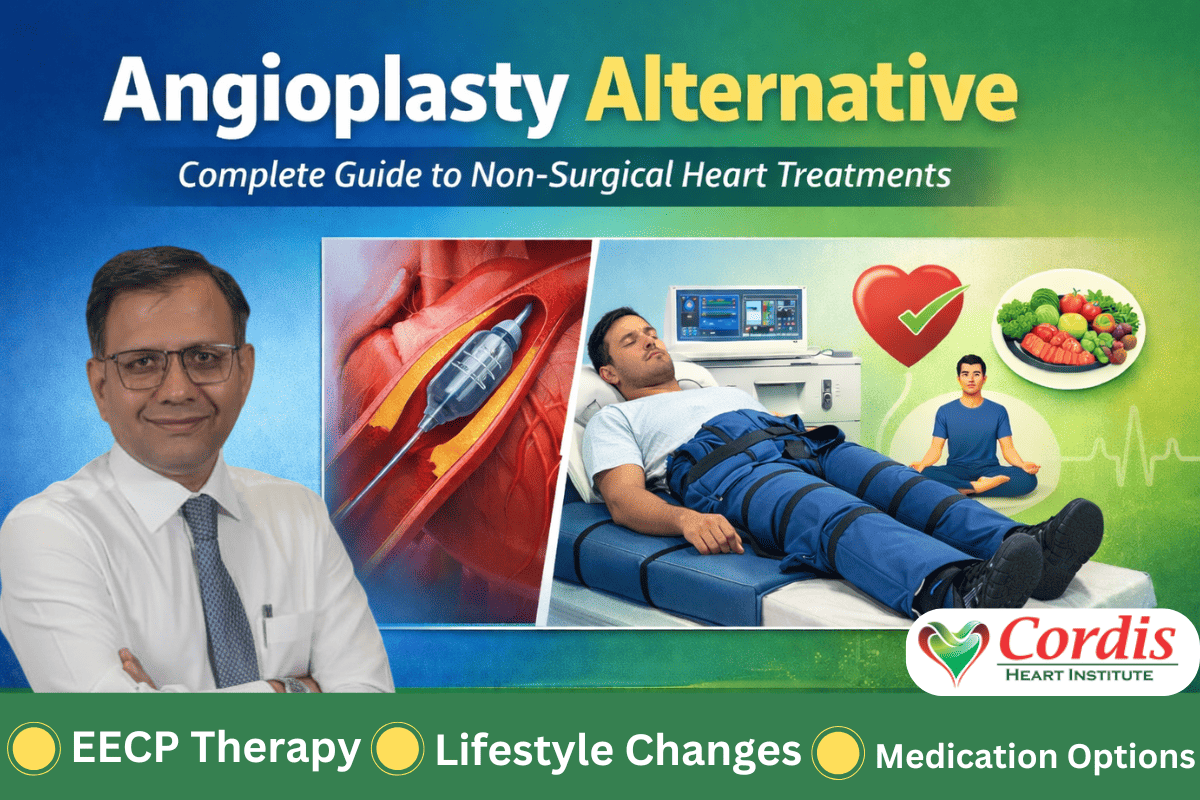
Angioplasty is a medical procedure used to open blocked or narrowed coronary arteries. A small balloon is inserted and inflated to restore blood flow, often followed by placing a stent to keep the artery open.
When is Angioplasty Recommended?
Doctors usually suggest angioplasty when:
- There is significant artery blockage
- Patients experience chest pain (angina)
- There’s a risk of heart attack
Risks & Limitations of Angioplasty
While angioplasty can save lives, it’s not without downsides:
- Risk of infection or bleeding
- Possibility of artery re-blockage
- Dependence on stents
- Recovery time and hospital stay
This is why many patients actively search for an alternative for angioplasty that is safer and less invasive.
Why Look for an Angioplasty Alternative?
Common Reasons Patients Avoid Surgery
- Fear of invasive procedures
- High treatment cost
- Existing conditions like diabetes or kidney issues
- Preference for natural or non-surgical healing
Who Should Consider Alternatives?
You may benefit from an alternative to angioplasty if:
- You are not fit for surgery
- You have multiple blockages
- You want to avoid stents
- You’re looking for long-term lifestyle-based recovery
Best Angioplasty Alternatives (Non-Surgical Options)
This is the most important section if you’re researching angioplasty alternative treatments.
1. EECP Treatment (Enhanced External Counterpulsation)
EECP is one of the most trusted non-surgical treatments for heart blockages.
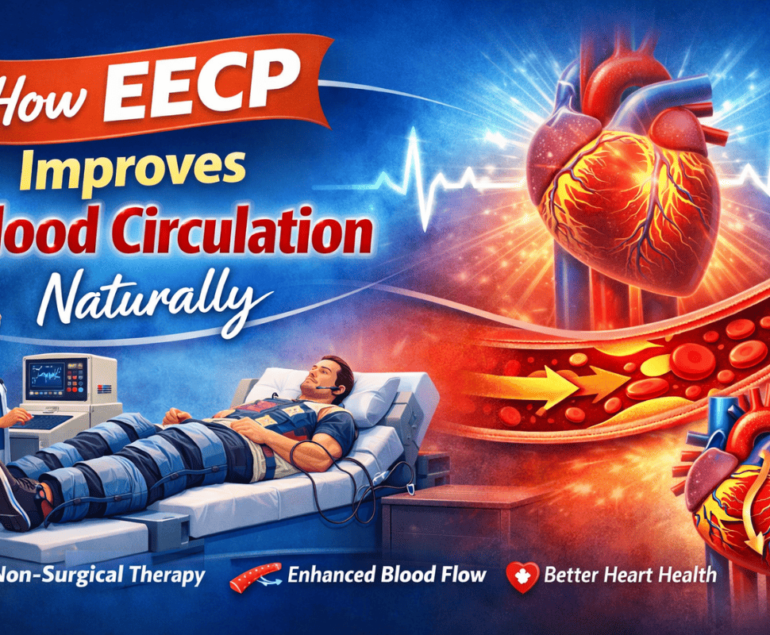
How EECP Works
- Cuffs are wrapped around the legs
- They inflate and deflate in sync with your heartbeat
- This improves blood flow to the heart
Benefits of EECP
- No surgery or cuts
- No hospitalization
- Improves natural blood circulation
- Helps create new blood vessels (natural bypass)
Success Rate
EECP has shown strong results in reducing chest pain and improving heart function in many patients.
👉 This is widely considered the best alternative to angioplasty without surgery.
2. Medication-Based Management
Doctors may prescribe:
- Blood thinners
- Cholesterol-lowering drugs (statins)
- Blood pressure medication
This works best when combined with lifestyle changes.
3. Lifestyle & Cardiac Rehabilitation
A strong lifestyle plan can act as a long-term alternative for angioplasty.
Key components:
- Heart-friendly diet
- Regular walking or yoga
- Stress control
- Smoking cessation
4. Natural Bypass (Collateral Circulation)
The body has an amazing ability to form new blood vessels around blocked arteries. Treatments like EECP help speed up this process.
EECP vs Angioplasty: Which is Better?
Factor | Angioplasty | EECP |
Type | Surgical | Non-surgical |
Hospital Stay | Required | Not needed |
Risk | Moderate | Very low |
Recovery | Fast but invasive | Gradual but safe |
Cost | Higher | More affordable |
For many patients, EECP is becoming the preferred angioplasty alternative due to its safety and comfort.
Benefits of Choosing a Non-Surgical Angioplasty Alternative
- No surgery or anesthesia
- Minimal risk
- Lower cost
- No downtime
- Improves overall heart health
This makes non-invasive treatments a strong alternative to angioplasty, especially for long-term care.
Why Choose Cordis Heart Institute?
If you’re considering an angioplasty alternative, choosing the right clinic matters.
At Cordis Heart Institute, patients receive:
- Advanced EECP technology
- Personalized treatment plans
- Care under Dr Abhijit Aklujkar
- Proven patient outcomes
The focus here is not just treatment, but improving your overall heart health safely.
Who is the Right Candidate for EECP?
You may be a good fit if you:
- Have blocked arteries
- Experience chest pain
- Are not eligible for surgery
- Want a non-invasive solution
A proper evaluation by a specialist is always recommended before starting treatment.
FAQs About Alternative to Angioplasty
What is the best alternative to angioplasty?
EECP is widely considered the best non-surgical alternative as it improves blood flow naturally without surgery.
Is EECP better than angioplasty?
It depends on the patient. EECP is safer and non-invasive, while angioplasty may be required in emergency cases.
Can blocked arteries be treated without surgery?
Yes, treatments like EECP, medication, and lifestyle changes can help manage and improve heart conditions.
How long does EECP treatment take?
Typically, EECP is done for 1 hour daily over 5–7 weeks.
Is EECP safe for heart patients?
Yes, it is considered very safe with minimal side effects.
What is the cost of angioplasty alternative treatments in India?
EECP is generally more affordable than angioplasty, but costs vary depending on the clinic and treatment plan.
Conclusion: A Safer Path to Heart Health
If you’re worried about surgery, cost, or recovery, choosing an angioplasty alternative could be the right decision.
Non-surgical treatments like EECP are helping thousands of patients manage heart disease safely and effectively.
Instead of rushing into surgery, take time to explore options, get expert advice, and choose what fits your condition best.
Consult Dr Abhijit Aklujkar at Cordis Heart Institute to find the best treatment plan for your heart.