Chest pain that keeps coming back can quietly take over your daily life. Simple things like walking, climbing stairs, or even stress can trigger discomfort. For many patients, surgery feels like the only option. But that’s not always true.
EECP treatment for angina is a non-surgical approach that helps improve blood flow to the heart and reduce symptoms without the risks of major procedures. It’s gaining attention as a practical option for patients who want relief without going under the knife.
At Cordis Heart Institute, under the care of Dr Abhijit Aklujkar, many patients have already experienced how this therapy can improve quality of life.
This guide breaks everything down step by step so you know exactly what to expect.
What Is Angina? Understanding the Condition
Angina is not a disease itself. It’s a symptom that points to reduced blood flow to the heart.
Types of Angina
- Stable angina: predictable and triggered by activity
- Unstable angina: sudden and more serious
- Variant angina: caused by artery spasms
Common Symptoms
- Chest pain or pressure
- Tightness in the chest
- Pain radiating to arms, neck, or jaw
- Shortness of breath
Causes and Risk Factors
- Blocked or narrowed arteries
- High cholesterol
- Diabetes
- Smoking and sedentary lifestyle
What Is EECP Treatment for Angina?
EECP stands for Enhanced External Counterpulsation. It’s a non-invasive therapy designed to improve blood circulation to the heart.
How It’s Different from Surgery
- No cuts or stitches
- No hospital admission
- No long recovery time
Unlike bypass surgery or angioplasty, EECP works with your body’s natural ability to form new blood vessels.
Who Should Consider EECP Therapy
- Patients with chronic angina
- Those not eligible for surgery
- Patients who still have symptoms after angioplasty or bypass
How EECP Treatment for Angina Works (Step-by-Step Guide)
Step 1 – Patient Evaluation
Before starting, doctors review:
- Medical history
- ECG and stress test
- Current medications
This ensures EECP is safe and suitable.
Step 2 – Preparation Before the Session
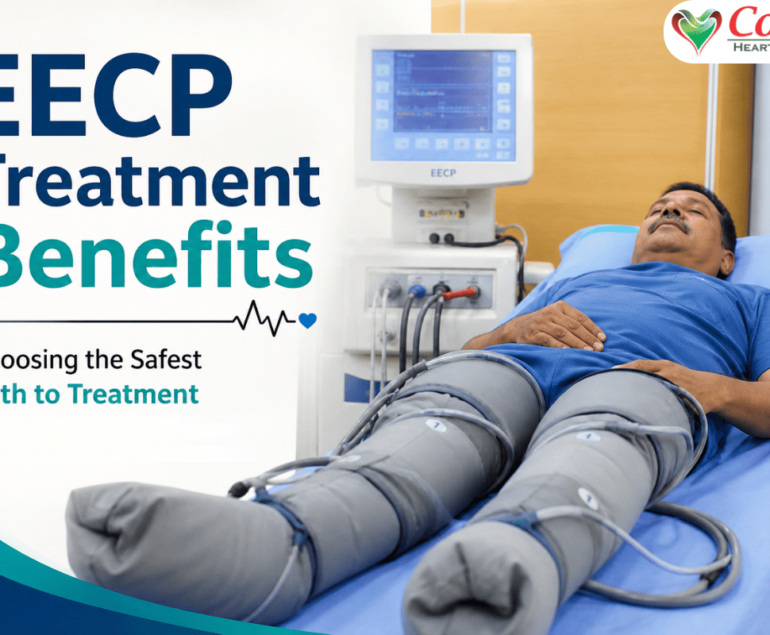
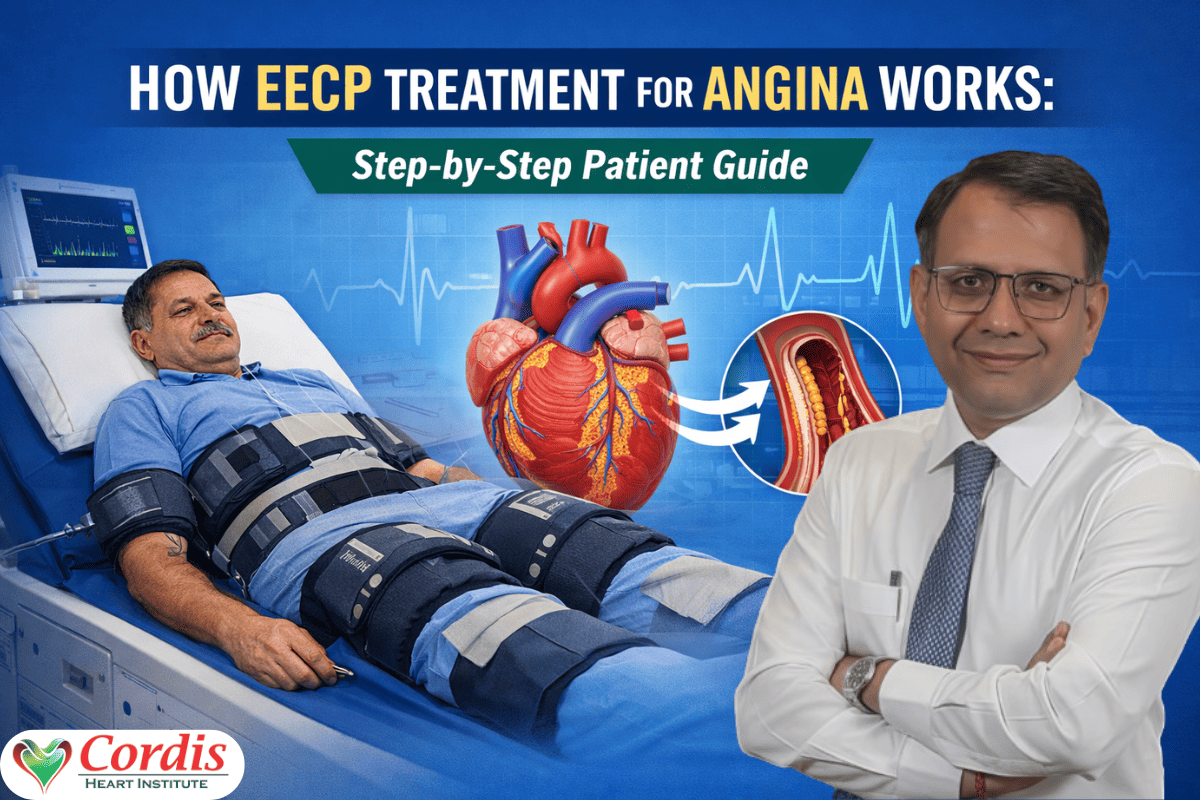
- You lie comfortably on a treatment bed
- Cuffs are wrapped around your calves, thighs, and hips
- Monitoring devices track your heart rhythm
Step 3 – The EECP Procedure
This is where the therapy begins.
- Cuffs inflate and deflate in sync with your heartbeat
- Inflation pushes blood toward the heart
- Deflation reduces pressure, making it easier for the heart to pump
This process improves oxygen supply to heart muscles over time.
Step 4 – Duration and Sessions
- Each session lasts about 1 hour
- Standard treatment: 35 sessions over 6–7 weeks
Step 5 – Monitoring During Treatment
Patients are monitored throughout:
- Heart rate
- Blood pressure
- Comfort level
The process is supervised by trained professionals.
Step 6 – Post-Treatment Results
Many patients notice:
- Reduced chest pain
- Better stamina
- Improved daily activity levels
Benefits of EECP Treatment for Angina
Improves Blood Flow Naturally
Encourages formation of new blood vessels (collateral circulation)
Reduces Chest Pain
Less frequent angina episodes
Better Exercise Capacity
Patients can walk longer distances without discomfort
No Surgery Required
No downtime or hospital stay
Who Is the Right Candidate for EECP Therapy?
EECP is suitable for:
- Patients with chronic stable angina
- Those not fit for surgery
- Patients with recurring symptoms after procedures
However, a proper evaluation is always necessary.
Are There Any Side Effects of EECP Treatment?
EECP is generally safe, but mild effects may include:
- Leg discomfort
- Fatigue after sessions
- Skin irritation from cuffs
Who Should Avoid EECP
- Severe valve disease
- Uncontrolled hypertension
- Certain heart rhythm disorders
EECP Treatment vs Angioplasty vs Bypass Surgery
Factor | EECP | Angioplasty | Bypass Surgery |
Invasive | No | Yes | Yes |
Recovery Time | Minimal | Few days | Weeks |
Risk Level | Low | Moderate | High |
Hospital Stay | Not required | Required | Required |
Why Patients Choose EECP
- Lower risk
- No surgery anxiety
- Gradual and natural improvement
EECP Treatment Success Rate for Angina
Clinical studies and patient outcomes show:
- Significant reduction in angina symptoms
- Improved quality of life
- Long-lasting benefits in many cases
Success often depends on:
- Patient condition
- Lifestyle changes
- Consistency of sessions
Why Choose Cordis Heart Institute for EECP Treatment?
Experienced Care
Led by Dr Abhijit Aklujkar
Advanced Technology
Modern EECP systems for accurate treatment
Personalized Approach
Treatment plans tailored to each patient
Patient-Focused Care
Strong track record of positive outcomes
Cost of EECP Treatment for Angina in India
Average Cost
- Typically ranges between ₹1.2 to ₹1.5 lakhs
Factors Affecting Cost
- Number of sessions
- Hospital facilities
- Doctor expertise
Insurance Coverage
Some policies may partially cover EECP. Always check with your provider.
FAQs on EECP Treatment for Angina
What is the success rate of EECP treatment for angina?
Many patients experience symptom relief, especially in stable angina cases.
How long does EECP take to work?
Some patients notice improvement within a few weeks, while full benefits appear after completing sessions.
Is EECP treatment painful?
No. Most patients find it comfortable, though pressure from cuffs is noticeable.
Can EECP cure heart blockage permanently?
It doesn’t remove blockages but improves blood flow through natural bypass pathways.
How many sessions are required?
Typically 35 sessions.
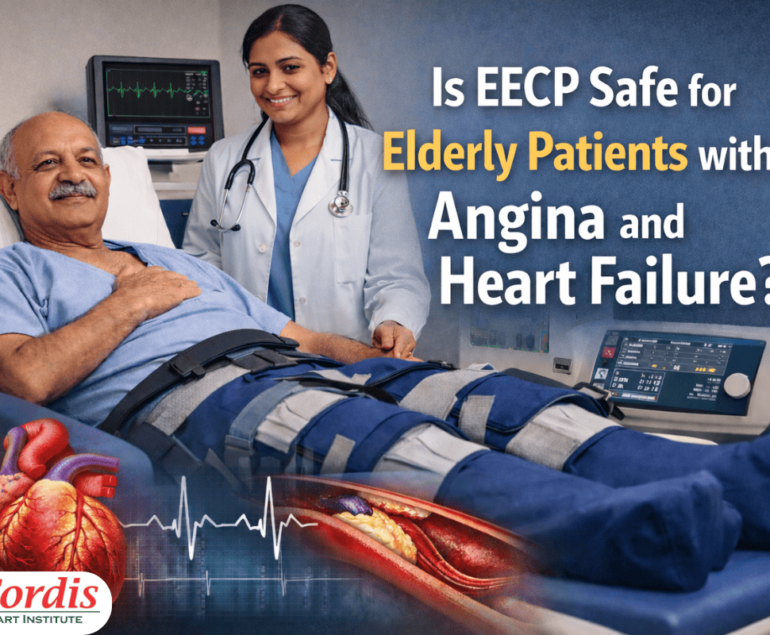
Is EECP safe for elderly patients?
Yes, with proper medical supervision.
What should I expect after treatment?
Better stamina, reduced chest pain, and improved daily life.
Final Thoughts: Is EECP Treatment Right for You?
If you’re dealing with recurring chest pain and want to avoid surgery, EECP offers a practical alternative. It focuses on improving blood flow naturally, helping your heart function better over time.
That said, the right treatment always depends on your condition. A proper evaluation is the first step.
If you’re considering EECP treatment for angina, consult the experts at Cordis Heart Institute.
Book an appointment with Dr Abhijit Aklujkar and get a personalized treatment plan based on your heart health.
Early action can make a real difference.