If you have tried dieting or exercising and had trouble losing weight, you are not by yourself! The leading cause of your failure is simple; you are following a generalized program and this program does not apply to your body.
The real truth is that there is no one size fits all Treatment for Overweight. The way that your body functions, your body type, your metabolism and your medical condition (if any) all contribute to how your body stores and burns away fat.
At Cordis Heart Institute, the specialists find that many of their patients have tried every kind of weight loss system or method possible but have been unsuccessful in achieving their goals. The most repeated pattern between these patients is that they were using the wrong method or program for their body!
In the following guide, you will learn how to determine which of the many different Treatment Program that will work for your body, your work/lifestyle and also for your medical needs, and therefore you will achieve actual results!
What Does “Overweight” Really Mean?
BMI vs Body Fat Percentage – What Matters More?
Most people rely on BMI (Body Mass Index) to determine if they are overweight. While BMI is useful, it doesn’t tell the full story.
- BMI measures weight relative to height
- Body fat percentage shows actual fat levels
For example, someone with high muscle mass may have a high BMI but low body fat.
Pro tip: For accurate results, combine BMI with waist measurement and body fat analysis.
Common Causes of Being Overweight
Understanding the root cause helps you choose the right Treatment for Overweight.
- Sedentary lifestyle (desk jobs, low activity)
- High-calorie processed foods
- Hormonal imbalances (thyroid, insulin resistance)
- Genetics and family history
- Poor sleep and stress
Why Body Type Matters in Choosing Treatment for Overweight
The Science Behind Different Body Types
Your body type affects:
- How fast you burn calories
- Where fat is stored
- How your body responds to diet and exercise
This is why two people following the same diet can get completely different results.
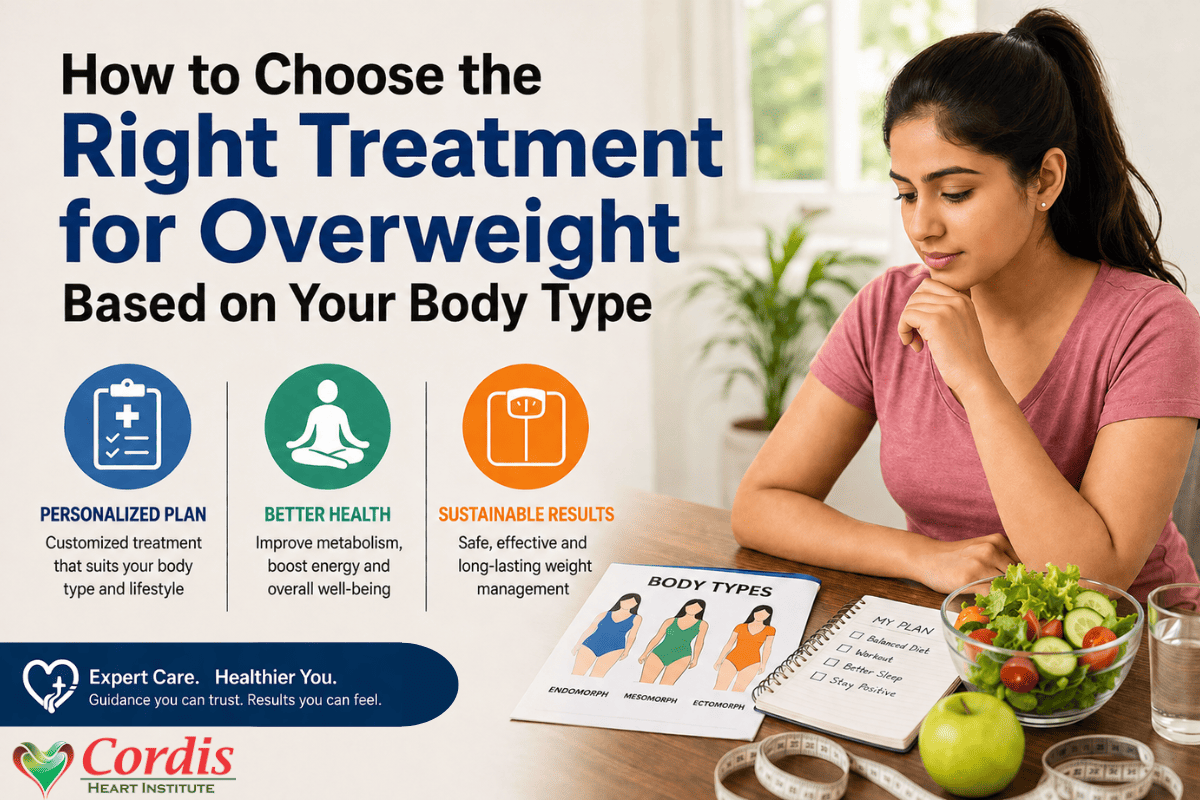
Endomorph vs Mesomorph vs Ectomorph Explained
- Endomorph: Gains fat easily, slower metabolism
- Mesomorph: Naturally muscular, balanced metabolism
- Ectomorph: Lean body, fast metabolism
Why One-Size-Fits-All Diets Fail
Generic diet plans ignore:
- Hormonal differences
- Metabolic rate
- Lifestyle factors
This leads to frustration and often weight regain.
Best Treatment for Overweight Based on Your Body Type
Treatment for Overweight in Endomorph Body Type
Endomorphs tend to gain weight easily and struggle to lose it.
Best approach:
- Low-carb or controlled-carb diet
- High-protein meals
- Strength training + HIIT workouts
Medical support: In some cases, doctors may recommend supervised programs.
Treatment for Overweight in Mesomorph Body Type
Mesomorphs respond well to most fitness plans.
Best approach:
- Balanced diet (protein, carbs, fats)
- Mix of cardio and strength training
- Moderate calorie control
Treatment for Overweight in Ectomorph Body Type
Ectomorphs rarely gain fat, but poor lifestyle habits can still lead to weight gain.
Best approach:
- Focus on nutrition quality
- Avoid processed foods
- Light to moderate exercise
Medical Treatment Options for Overweight
When Lifestyle Changes Are Not Enough
If diet and exercise aren’t working, it may be time to consider medical options.
Medications for Weight Loss – Are They Safe?
Weight loss medications can help:
- Control appetite
- Improve metabolism
But they should only be taken under medical supervision.
Bariatric Procedures – Who Should Consider Them?
For severe cases, surgical options may be recommended:
- Gastric bypass
- Sleeve gastrectomy
At Cordis Heart Institute, doctors assess:
- BMI
- Heart health
- Overall risk factors
Diet Plans That Actually Work for Overweight Individuals
Low-Carb vs Balanced Diet – Which Is Better?
- Low-carb works well for insulin resistance
- Balanced diets are easier to sustain long-term
Role of Protein, Fiber, and Healthy Fats
- Protein: Keeps you full, supports muscle
- Fiber: Improves digestion and satiety
- Healthy fats: Support hormones
Foods to Avoid for Faster Results
- Sugary drinks
- Processed snacks
- Refined carbs (white bread, pastries)
Exercise Strategies Based on Body Type
Best Workouts for Faster Fat Loss
- HIIT for quick fat burning
- Strength training to boost metabolism
Cardio vs Strength Training – What You Need
- Cardio burns calories
- Strength training builds muscle and improves long-term fat loss
Best results come from combining both.
Weekly Workout Plan Example
- Monday: Strength training
- Tuesday: Cardio
- Wednesday: Rest
- Thursday: HIIT
- Friday: Strength
- Weekend: Light activity
Common Mistakes to Avoid When Choosing Treatment for Overweight
- Following crash diets
- Ignoring medical conditions
- Overtraining without rest
- Relying only on supplements
Sustainable habits always win over quick fixes.
When to Consult a Doctor
Warning Signs You Shouldn’t Ignore
- Rapid weight gain
- Fatigue or hormonal symptoms
- Breathlessness or chest discomfort
Benefits of Professional Guidance
Getting help from experts at Cordis Heart Institute ensures:
- Personalized treatment plans
- Safe weight loss
- Better long-term results
FAQs: Treatment for Overweight
What is the best treatment for overweight adults?
A combination of diet, exercise, and medical support based on individual body type works best.
Can body type really affect weight loss results?
Yes. Body type influences metabolism and fat storage, which affects how quickly you lose weight.
Is medication necessary for overweight treatment?
Not always. It’s recommended only when lifestyle changes are not enough.
How long does it take to see results?
Most people start noticing changes within 4–8 weeks with consistent effort.
Can overweight lead to heart problems?
Yes. Being overweight increases the risk of heart disease, high blood pressure, and diabetes.
Conclusion: Choose the Right Path, Not the Fastest One
The biggest mistake people make is chasing quick results instead of the right solution.
The right Treatment for Overweight depends on:
- Your body type
- Your lifestyle
- Your medical condition
Once you align these factors, weight loss becomes much easier and more sustainable.
Don’t guess your treatment. Get a plan that actually fits your body.
If you’re struggling to lose weight despite trying everything, it’s time to get expert help.
Consult specialists at Cordis Heart Institute today and get a personalized Treatment for Overweight plan designed specifically for you.