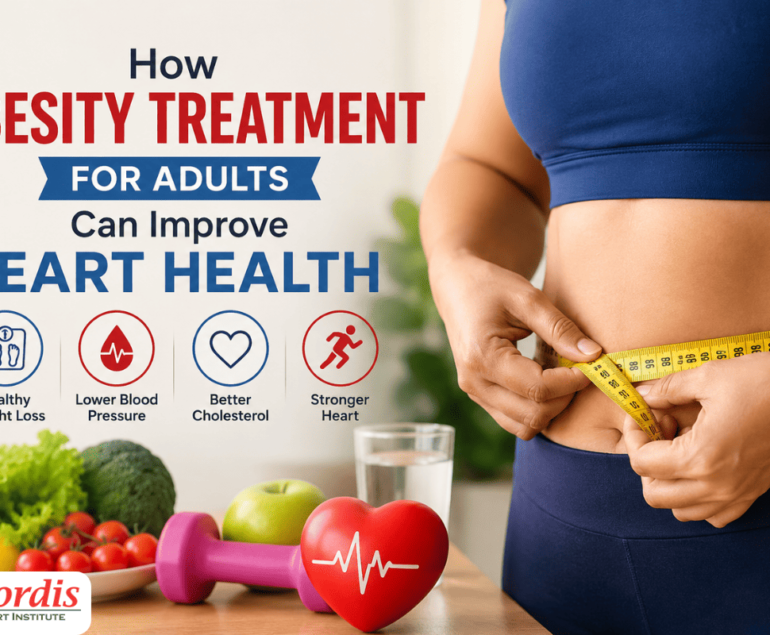
Obesity is no longer just about carrying extra weight. It is a medical condition that increases the risk of heart disease, Type 2 diabetes, high blood pressure, fatty liver disease, joint problems, and several other health issues. Many adults try crash diets, intense workout plans, or weight loss supplements hoping for quick results. While some may lose weight temporarily, they often gain it back because the real cause of obesity remains untreated.
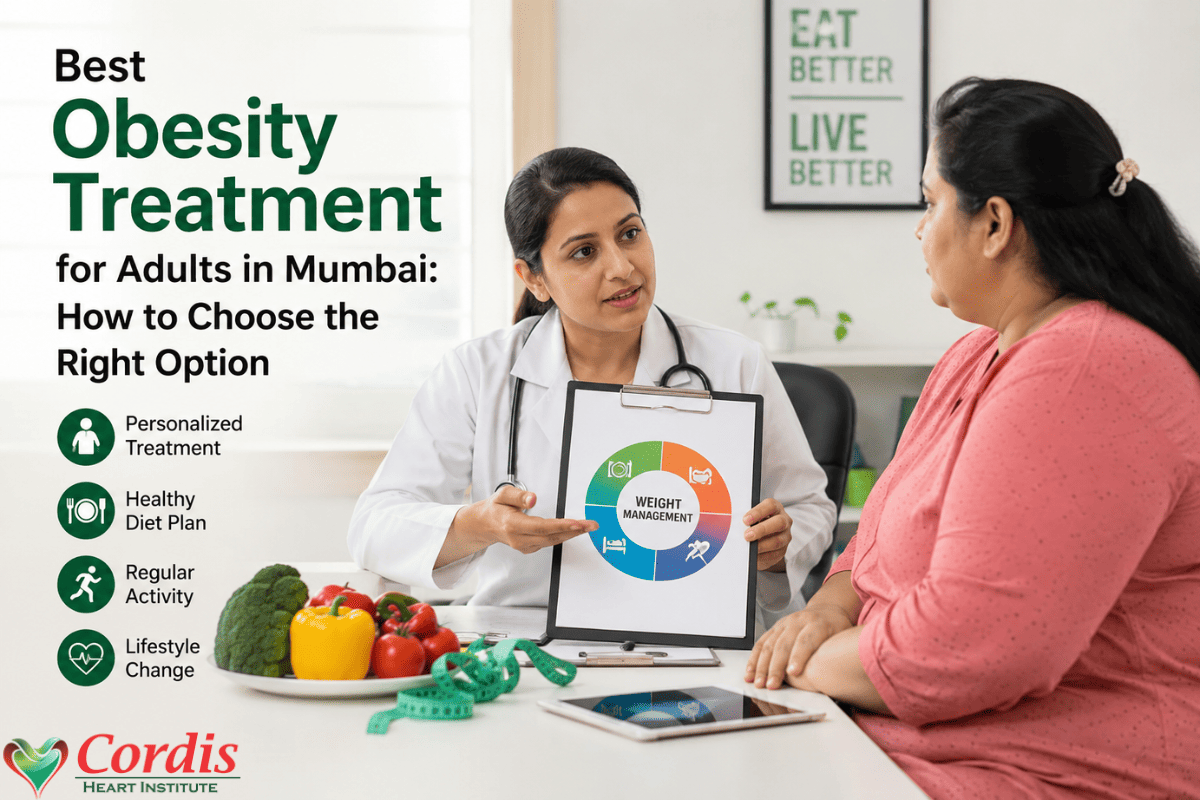
If you’re looking for the best obesity treatment for adults in Mumbai, the most important step is choosing a medically supervised program that focuses on your overall health rather than just reducing the number on the weighing scale.
At Cordis Heart Institute, obesity management is approached through personalized medical evaluation, nutrition planning, lifestyle changes, and continuous monitoring to help patients achieve safe and sustainable weight loss.
Key Takeaways
- Obesity is a chronic medical condition that requires proper treatment.
- BMI is one of the tools used to assess obesity risk.
- Medical weight loss programs are safer than fad diets.
- Sustainable weight loss depends on lifestyle changes and regular follow-ups.
- A personalized treatment plan offers better long-term results than one-size-fits-all approaches.
Why Obesity Is Becoming a Serious Health Concern for Adults
Modern lifestyles have made obesity one of the fastest-growing health concerns among adults. Long working hours, unhealthy eating habits, lack of exercise, poor sleep, and stress all contribute to gradual weight gain.
Many people don’t realize that obesity affects almost every organ in the body. As excess body fat increases, so does the risk of developing chronic diseases that can reduce both quality of life and life expectancy.
Instead of treating obesity as only a cosmetic concern, it should be viewed as a medical condition that deserves proper evaluation and treatment.
What Is Obesity?
Obesity is a condition in which excess body fat accumulates to a level that affects health. It develops when calorie intake consistently exceeds calorie expenditure over a long period.
While anyone can gain weight, obesity often results from a combination of lifestyle, genetics, hormonal changes, medical conditions, medications, and environmental factors.
How BMI Helps Identify Obesity
One of the simplest ways doctors assess obesity is through Body Mass Index (BMI).
BMI compares your weight to your height and provides an estimate of whether your weight falls within a healthy range.
Generally:
BMI | Category |
Below 18.5 | Underweight |
18.5 – 24.9 | Healthy Weight |
25 – 29.9 | Overweight |
30 or above | Obesity |
Although BMI is useful, doctors also consider waist circumference, body fat percentage, medical history, and existing health conditions before recommending treatment.
Common Causes of Adult Obesity
No two patients gain weight for exactly the same reason.
Common causes include:
- High-calorie processed foods
- Sugary beverages
- Sedentary lifestyle
- Desk jobs with minimal physical activity
- Hormonal disorders
- Poor sleep quality
- Chronic stress
- Emotional eating
- Genetic factors
- Certain medications
Understanding the root cause helps doctors create a treatment plan that works for the individual rather than following generic weight loss advice.
Health Risks of Untreated Obesity
Ignoring obesity can lead to serious health complications over time.
Type 2 Diabetes
Excess body fat makes it harder for insulin to regulate blood sugar levels, increasing the risk of diabetes.
High Blood Pressure
Extra body weight forces the heart to work harder, increasing blood pressure and putting strain on blood vessels.
Heart Disease
Obesity raises cholesterol levels, increases inflammation, and contributes to plaque buildup inside arteries, significantly increasing the risk of heart attack and stroke.
Fatty Liver Disease
Fat can accumulate inside the liver, affecting its normal function and leading to liver damage if left untreated.
Sleep Apnea
People with obesity often experience interrupted breathing during sleep, leading to fatigue, poor concentration, and increased cardiovascular risk.
Joint Pain and Arthritis
Carrying excess weight places additional pressure on the knees, hips, and spine, accelerating joint wear and tear.
Reduced Quality of Life
Obesity can affect mobility, energy levels, confidence, and mental well-being, making everyday activities more difficult.
Signs You Should Seek Professional Obesity Treatment
Many adults postpone seeking medical help because they believe they can lose weight on their own.
You should consider consulting an obesity specialist if you experience:
- BMI above the healthy range
- Difficulty losing weight despite diet and exercise
- Frequent weight regain after dieting
- Diabetes or prediabetes
- High blood pressure
- High cholesterol
- Persistent fatigue
- Breathlessness during routine activities
- Joint pain due to excess weight
Early treatment can prevent complications and improve long-term health outcomes.
Best Obesity Treatment Options for Adults in Mumbai
There is no single treatment suitable for everyone. The best obesity treatment for adults in Mumbai depends on individual health conditions, lifestyle, and treatment goals.
Medical Weight Loss Programs
Doctor-supervised medical weight loss programs begin with a complete health assessment.
The treatment may include:
- Body composition analysis
- Medical history review
- Blood investigations
- Lifestyle evaluation
- Nutrition counseling
- Regular monitoring
These programs focus on improving overall health rather than promoting rapid weight loss.
Personalized Nutrition Plans
Healthy eating does not mean starving yourself.
A qualified nutritionist designs meal plans based on:
- Lifestyle
- Food preferences
- Medical conditions
- Work schedule
- Calorie requirements
This makes the plan easier to follow for the long term.
Exercise and Lifestyle Modification
Exercise recommendations should match your fitness level.
Activities may include:
- Walking
- Strength training
- Cycling
- Swimming
- Yoga
- Stretching exercises
Lifestyle improvements such as reducing screen time, improving sleep, and managing stress also play an important role.
Behavioral Counseling
Many people struggle with emotional eating or unhealthy food habits.
Behavioral counseling helps patients:
- Identify eating triggers
- Build healthier routines
- Improve motivation
- Develop sustainable habits
Weight Management Through Regular Monitoring
Weight loss is easier to maintain when progress is tracked regularly.
Routine follow-up appointments allow healthcare providers to:
- Monitor progress
- Modify treatment plans
- Address challenges
- Encourage consistency
Advanced Non-Surgical Weight Loss Programs
Many adults prefer non-surgical obesity treatment options before considering invasive procedures.
These doctor-guided programs combine medical evaluation, nutrition planning, exercise, and lifestyle modification to promote gradual and sustainable weight loss.
How to Choose the Right Obesity Treatment in Mumbai
Choosing the right clinic is just as important as choosing the right treatment.
Understand the Root Cause of Weight Gain
The best treatment starts by identifying why weight gain occurred in the first place.
Choose a Doctor-Supervised Program
Medical supervision improves safety and ensures treatment is tailored to your health condition.
Look for Personalized Treatment Plans
Avoid programs that promise the same solution for everyone.
Each patient has different health goals, metabolism, and medical history.
Check the Experience of the Healthcare Team
A multidisciplinary team including doctors, nutritionists, and lifestyle experts usually provides better outcomes.
Focus on Long-Term Weight Management
Successful obesity treatment is about maintaining results, not just losing weight quickly.
Avoid Crash Diets and Quick Fixes
Rapid weight loss often results in muscle loss, nutritional deficiencies, and weight regain.
Healthy weight loss is gradual and sustainable.
What Makes a Good Obesity Treatment Program?
An effective obesity treatment program includes:
Complete Health Assessment
Understanding current health status before starting treatment.
Customized Diet Plan
Practical meal plans that suit individual lifestyles.
Lifestyle Coaching
Helping patients build healthy daily habits.
Regular Follow-Ups
Tracking progress and making necessary adjustments.
Sustainable Weight Loss Goals
Realistic targets improve motivation and long-term success.
Why Choose Cordis Heart Institute for Obesity Treatment?
At Cordis Heart Institute, obesity management focuses on improving overall health rather than promoting temporary weight loss.
Patients receive:
- Personalized treatment plans
- Detailed medical evaluation
- Nutrition guidance
- Lifestyle counseling
- Exercise recommendations
- Regular progress monitoring
- Heart health assessment
- Support for managing obesity-related conditions
The goal is to help patients lose weight safely while reducing the risk of future health complications.
Lifestyle Tips to Improve Weight Loss Results
Medical treatment works best when combined with healthy habits.
Eat More Whole Foods
Choose vegetables, fruits, whole grains, lean proteins, and healthy fats.
Stay Physically Active
Aim for at least 150 minutes of moderate physical activity every week.
Sleep 7–8 Hours Daily
Poor sleep affects hunger hormones and increases cravings.
Reduce Stress
Practice meditation, deep breathing, yoga, or hobbies that help reduce stress.
Drink Enough Water
Staying hydrated supports metabolism and helps control unnecessary snacking.
Stay Consistent
Small daily improvements produce better long-term results than short periods of extreme dieting.
Common Mistakes Adults Make While Trying to Lose Weight
Many people unknowingly slow their progress by making avoidable mistakes.
Following Fad Diets
Restrictive diets often provide temporary results but are difficult to maintain.
Skipping Meals
Skipping meals may lead to overeating later in the day.
Ignoring Medical Conditions
Hormonal disorders and other medical issues should be evaluated before starting a weight loss program.
Unrealistic Expectations
Healthy weight loss takes time and consistency.
Stopping the Program Too Early
Many people quit once they lose a few kilograms, making weight regain more likely.
Frequently Asked Questions
What is the best obesity treatment for adults in Mumbai?
The best treatment depends on your health condition, BMI, lifestyle, and medical history. Doctor-supervised weight management programs generally provide the safest and most sustainable results.
How do I know if I need obesity treatment?
If your BMI is above the healthy range or excess weight is affecting your health, it is advisable to consult an obesity specialist.
Can obesity be treated without surgery?
Yes. Many adults achieve successful weight loss through medically supervised non-surgical treatment programs involving nutrition, exercise, and lifestyle modification.
How long does medical weight loss take?
The timeline varies from person to person. Sustainable weight loss is gradual and depends on consistency and individual health conditions.
Is obesity treatment safe?
Doctor-supervised obesity treatment is generally safe because it is personalized and monitored regularly.
What is the difference between weight loss and obesity treatment?
Weight loss focuses on reducing body weight, while obesity treatment addresses the underlying medical, nutritional, and lifestyle factors contributing to excess weight.
How much weight can I lose in a medically supervised program?
Weight loss varies depending on individual factors, but gradual and consistent progress is considered healthier and easier to maintain.
Who is the right candidate for obesity treatment?
Adults with obesity, overweight individuals with lifestyle diseases, or those struggling to lose weight despite repeated efforts may benefit from professional treatment.
Does obesity increase the risk of heart disease?
Yes. Obesity is associated with high blood pressure, diabetes, high cholesterol, and increased risk of heart attack and stroke.
How do I book an obesity consultation at Cordis Heart Institute?
You can contact Cordis Heart Institute through the hospital’s website or appointment desk to schedule a consultation with the healthcare team.
Conclusion
Choosing the best obesity treatment for adults in Mumbai is about more than losing weight. It is about improving your overall health, reducing the risk of chronic diseases, and building habits that support lifelong wellness.
Avoid shortcuts that promise unrealistic results. Instead, choose a medically supervised program that identifies the root cause of weight gain and provides a personalized treatment plan.
At Cordis Heart Institute, patients receive professional guidance, individualized care, and ongoing support to help them achieve safe and sustainable weight loss. If you’re ready to take control of your health, schedule a consultation and begin your journey toward a healthier future today.