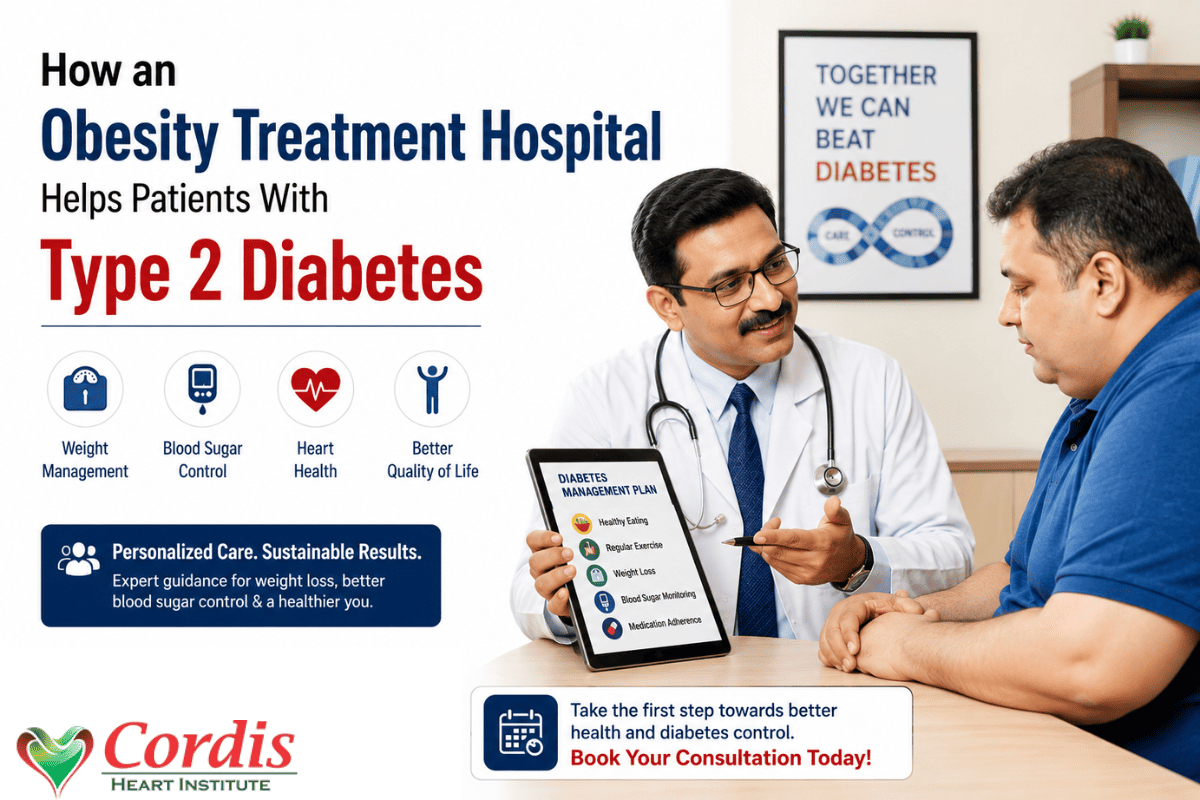
Type 2 diabetes and obesity are two health conditions that often go hand in hand. As body weight increases, the risk of developing insulin resistance also rises, making it harder for the body to regulate blood sugar levels. Many people try crash diets, intense workout routines, or weight loss supplements in the hope of improving their health. While these methods may offer temporary results, they often fail to address the medical reasons behind weight gain and diabetes.
This is where an obesity treatment hospital plays an important role. Instead of offering a one-size-fits-all solution, a specialized hospital provides a medically supervised treatment plan that focuses on sustainable weight loss, better blood sugar control, and reducing the risk of diabetes-related complications.
At Cordis Heart Institute, obesity treatment is designed around each patient’s health condition, lifestyle, and long-term goals. A team of healthcare professionals works together to help patients lose weight safely while improving their overall metabolic health. Whether you’ve recently been diagnosed with type 2 diabetes or have been managing it for years, the right medical support can make a meaningful difference.
In this article, we’ll explain how an obesity treatment hospital helps patients with type 2 diabetes, what treatments are available, and why professional guidance can lead to better long-term results.
Understanding the Link Between Obesity and Type 2 Diabetes
Obesity is one of the leading risk factors for type 2 diabetes. According to global health data, people who are overweight or obese are significantly more likely to develop insulin resistance, which can eventually lead to diabetes.
Understanding this connection is the first step toward effective treatment.
Why Obesity Increases the Risk of Type 2 Diabetes
When the body stores excess fat, especially around the abdomen, it begins to affect how insulin works. Insulin is the hormone responsible for helping glucose move from the bloodstream into the body’s cells, where it is used for energy.
As body fat increases, the cells become less responsive to insulin. This condition is known as insulin resistance. To compensate, the pancreas produces more insulin. Over time, it may no longer be able to keep up with the body’s increasing demand, causing blood sugar levels to rise.
Several factors contribute to this process, including:
- Excess abdominal fat
- Physical inactivity
- Poor eating habits
- Family history of diabetes
- Hormonal imbalances
- Chronic inflammation associated with obesity
Although obesity increases the risk, it does not mean everyone with obesity will develop diabetes. However, maintaining a healthy weight can greatly reduce the chances of developing the condition.
How Excess Body Fat Affects Insulin Resistance
Body fat is more than just stored energy. Fat tissue releases hormones and inflammatory substances that influence how the body functions.
Excess fat, particularly visceral fat surrounding internal organs, can:
- Reduce insulin sensitivity
- Increase inflammation
- Raise blood sugar levels
- Affect liver function
- Increase cholesterol and triglycerides
- Raise blood pressure
These changes not only contribute to diabetes but also increase the risk of heart disease, stroke, fatty liver disease, and kidney problems.
Since obesity and type 2 diabetes affect multiple systems in the body, treatment should go beyond simple calorie restriction. A medically supervised approach helps identify and manage all contributing factors.
Can Weight Loss Improve Diabetes?
One of the most encouraging facts about type 2 diabetes is that even modest weight loss can produce measurable health benefits.
Research has shown that losing 5% to 10% of total body weight may help:
- Improve insulin sensitivity
- Lower blood sugar levels
- Reduce HbA1c
- Improve blood pressure
- Lower cholesterol
- Reduce inflammation
- Improve energy levels
- Decrease the risk of cardiovascular disease
Some individuals may also require lower doses of diabetes medications after achieving sustained weight loss. However, medication adjustments should always be made under medical supervision.
Weight loss is not about achieving a specific number on the scale. The goal is to improve overall health and reduce the burden of obesity-related conditions.
Why Choose an Obesity Treatment Hospital Instead of Trying to Lose Weight Alone?
Many people begin their weight loss journey by following online diet plans or fitness trends. While some may experience short-term success, maintaining those results is often difficult.
An obesity treatment hospital provides medical guidance, continuous monitoring, and personalized care that addresses the underlying causes of weight gain rather than focusing only on calorie reduction.
Here is how professional obesity treatment differs from self-directed weight loss.
Personalized Medical Evaluation
Every patient has a different health profile.
Before recommending a treatment plan, specialists perform a complete evaluation that may include:
- Medical history
- Current medications
- Previous weight loss attempts
- Existing health conditions
- Blood investigations
- Body composition analysis
- Lifestyle assessment
- Dietary habits
This assessment helps identify barriers that may be preventing successful weight loss.
For example, some patients struggle with hormonal disorders, while others may have emotional eating habits or metabolic conditions that require specific interventions.
A personalized treatment plan is far more effective than generic advice found online.
Expert Care From a Multidisciplinary Team
Managing obesity and type 2 diabetes requires expertise from different healthcare professionals.
At a specialized obesity treatment hospital, patients may receive care from:
- Obesity specialists
- Physicians
- Clinical nutritionists
- Diabetes educators
- Physiotherapists
- Exercise specialists
- Behavioral counselors
Each professional focuses on a different aspect of the patient’s health, creating a coordinated treatment plan that addresses both obesity and diabetes.
This team-based approach improves long-term success and helps patients stay motivated throughout their journey.
Safe Weight Loss Under Medical Supervision
Rapid weight loss may seem appealing, but losing weight too quickly can lead to several health problems, including:
- Muscle loss
- Nutritional deficiencies
- Gallstones
- Fatigue
- Slower metabolism
- Weight regain
Medical supervision helps patients lose weight gradually while preserving muscle mass and maintaining nutritional balance.
Regular follow-up appointments also allow healthcare providers to:
- Monitor progress
- Adjust treatment plans
- Evaluate medication response
- Track blood sugar levels
- Identify any side effects early
This makes the weight loss journey safer and more effective.
Long-Term Lifestyle Support
One of the biggest challenges in weight management is maintaining results after losing weight.
Many people regain lost weight because temporary diets do not create lasting habits.
An obesity treatment hospital focuses on sustainable lifestyle changes by helping patients:
- Build healthier eating habits
- Develop realistic exercise routines
- Improve sleep quality
- Manage emotional eating
- Reduce stress
- Stay accountable through regular follow-ups
Instead of promoting quick fixes, the goal is to help patients adopt healthy routines they can maintain for years.
This long-term approach also improves diabetes management and lowers the risk of future health complications.
How an Obesity Treatment Hospital Helps Patients With Type 2 Diabetes
Treating obesity in patients with type 2 diabetes involves much more than helping them lose weight. The primary goal is to improve metabolic health, reduce insulin resistance, and lower the risk of complications affecting the heart, kidneys, eyes, and nerves.
At Cordis Heart Institute, every treatment plan begins with a detailed medical evaluation to understand each patient’s overall health. Rather than relying on a standard weight loss program, specialists create an individualized plan based on clinical findings, lifestyle, and diabetes control.
Comprehensive Health Assessment
Before starting treatment, patients undergo a thorough assessment to identify the factors contributing to obesity and diabetes. This evaluation helps the medical team design a safe and effective treatment strategy while setting realistic health goals.
A comprehensive assessment typically includes:
- Body Mass Index (BMI): Measures whether a person’s weight falls within a healthy range based on their height.
- Body Composition Analysis: Evaluates body fat percentage, muscle mass, and visceral fat, providing a clearer picture than weight alone.
- Blood Sugar Levels: Fasting and post-meal glucose tests help determine how well diabetes is currently controlled.
- HbA1c Test: Shows the average blood sugar level over the past two to three months and is one of the most important markers for diabetes management.
- Cholesterol Profile: High cholesterol often accompanies obesity and diabetes, increasing the risk of cardiovascular disease.
- Blood Pressure Monitoring: Hypertension is common in people with obesity and type 2 diabetes and requires careful management.
This detailed evaluation allows specialists to identify health risks early and develop a personalized treatment plan that targets both weight loss and better diabetes control.
Customized Weight Loss Treatment Plans
No two people gain weight for the same reasons, so a personalized approach is far more effective than a generic diet plan. At Cordis Heart Institute, treatment plans are created after evaluating the patient’s medical history, diabetes status, lifestyle, eating habits, and weight-loss goals.
The focus is not only on reducing body weight but also on improving blood sugar control and lowering the risk of diabetes-related complications.
A personalized treatment plan may include:
Diet Planning
Healthy eating is one of the most effective ways to manage both obesity and type 2 diabetes. Instead of promoting restrictive diets, nutrition experts create meal plans that are practical, balanced, and easy to follow.
Diet recommendations may include:
- Eating more vegetables and whole grains
- Choosing lean protein sources
- Limiting refined carbohydrates and sugary foods
- Including healthy fats in moderation
- Controlling portion sizes
- Planning meals to maintain stable blood sugar levels
The goal is to help patients develop eating habits they can continue for years rather than following a temporary diet.
Physical Activity Recommendations
Exercise plays an important role in improving insulin sensitivity and supporting healthy weight loss.
Depending on age, fitness level, and medical condition, specialists may recommend:
- Walking
- Cycling
- Swimming
- Strength training
- Low-impact aerobic exercises
- Flexibility and stretching exercises
Regular physical activity can help:
- Burn calories
- Improve glucose uptake by muscles
- Strengthen the heart
- Increase stamina
- Reduce stress
- Improve sleep quality
Patients are encouraged to begin gradually and increase activity levels safely under professional guidance.
Behavioral Counseling
Weight management is not only about food and exercise. Emotional health also influences eating habits.
Behavioral counseling helps patients identify patterns such as:
- Emotional eating
- Stress eating
- Binge eating
- Late-night snacking
- Lack of motivation
Counselors provide practical strategies to overcome these challenges and build healthier habits.
Regular Monitoring
Progress is reviewed through scheduled follow-up visits.
Healthcare professionals monitor:
- Weight changes
- Waist circumference
- Blood sugar levels
- HbA1c
- Blood pressure
- Cholesterol
- Physical activity
- Dietary adherence
Regular monitoring allows treatment plans to be adjusted whenever necessary.
Medical Management of Obesity
Lifestyle changes remain the foundation of weight loss treatment, but some patients may benefit from medical therapy.
Prescription medications are considered only after a complete medical evaluation and when lifestyle modifications alone are not producing adequate results.
Prescription Medications (When Appropriate)
Weight-loss medications may help:
- Reduce appetite
- Increase feelings of fullness
- Improve metabolic health
- Support gradual weight loss
These medicines are never considered a replacement for healthy eating or regular exercise. Instead, they are used alongside lifestyle modification under close medical supervision.
Monitoring Side Effects
Every medication has potential benefits and possible side effects.
Patients receiving medical treatment are monitored regularly to assess:
- Weight-loss progress
- Blood sugar control
- Blood pressure
- Medication tolerance
- Possible adverse effects
This ongoing supervision helps ensure safe and effective treatment.
Improving Metabolic Health
Medical obesity treatment is about more than reducing body weight.
Treatment also aims to improve:
- Insulin sensitivity
- Cholesterol levels
- Blood pressure
- Fatty liver disease
- Inflammation
- Overall cardiovascular health
These improvements can significantly lower the risk of long-term diabetes complications.
Managing Blood Sugar Alongside Weight Loss
As patients begin losing weight, their blood sugar levels often improve. Because of this, diabetes medications may need adjustment during treatment.
This is one reason why medically supervised weight loss is safer than attempting rapid weight loss without professional guidance.
Medication Adjustments
Improved insulin sensitivity may reduce the body’s need for certain diabetes medications.
Doctors regularly review:
- Blood glucose readings
- HbA1c levels
- Episodes of low blood sugar
- Weight-loss progress
If necessary, medications are adjusted to maintain safe blood sugar levels.
Patients should never stop or reduce diabetes medications without consulting their healthcare provider.
Better Glucose Control
Weight reduction helps the body use insulin more efficiently.
Many patients experience:
- Lower fasting blood sugar
- Better post-meal glucose control
- Improved HbA1c
- Reduced blood sugar fluctuations
These improvements contribute to better day-to-day diabetes management.
Preventing Diabetes Complications
Poorly controlled diabetes can affect several organs over time.
Maintaining a healthy weight helps reduce the risk of:
- Heart disease
- Stroke
- Kidney disease
- Nerve damage
- Eye complications
- Poor wound healing
Addressing obesity early can improve long-term health outcomes.
Ongoing Monitoring and Follow-Up
Successful weight management does not end after the first few months.
Long-term follow-up is one of the most valuable services offered by an obesity treatment hospital.
Progress Tracking
Healthcare professionals regularly assess:
- Weight
- BMI
- Waist circumference
- Body fat percentage
- Blood sugar
- HbA1c
- Blood pressure
- Cholesterol
Tracking these markers helps measure overall health improvement rather than focusing only on body weight.
Motivation and Accountability
Many people lose motivation after the initial excitement of starting a weight-loss program.
Regular consultations help patients:
- Stay focused
- Celebrate milestones
- Address setbacks
- Maintain healthy habits
Consistent support often leads to better long-term results.
Preventing Weight Regain
Weight regain is common after crash diets because the underlying habits remain unchanged.
Professional follow-up helps patients:
- Identify early warning signs
- Adjust meal plans
- Modify exercise routines
- Maintain realistic goals
- Continue healthy lifestyle practices
This ongoing care supports sustainable weight management.
Benefits of Weight Loss for People With Type 2 Diabetes
Even modest weight loss can lead to noticeable improvements in overall health.
For many patients, losing just 5% to 10% of body weight can produce meaningful metabolic benefits.
Better Blood Sugar Control
Reduced body fat improves insulin function, making it easier to keep blood sugar levels within the target range.
Patients often notice:
- Lower fasting glucose
- Improved post-meal blood sugar
- Better HbA1c readings
Improved Insulin Sensitivity
Weight loss allows the body’s cells to respond more effectively to insulin.
Improved insulin sensitivity means:
- Better glucose utilization
- Reduced insulin resistance
- Lower stress on the pancreas
Reduced Need for Diabetes Medication
Some patients may require lower doses of diabetes medication after sustained weight loss.
Medication changes should always be made by a healthcare professional after reviewing blood sugar levels and overall health.
Lower Risk of Heart Disease
People with obesity and diabetes are at higher risk of cardiovascular disease.
Healthy weight loss can improve:
- Blood pressure
- Cholesterol
- Triglycerides
- Inflammation
These changes help protect heart health and reduce future cardiovascular events.
Increased Energy Levels
Many patients report feeling more energetic after losing weight.
Daily activities become easier because the body requires less effort to move and blood sugar remains more stable throughout the day.
Better Sleep Quality
Excess body weight is linked to sleep disorders such as obstructive sleep apnea.
Weight reduction may help:
- Improve breathing during sleep
- Reduce snoring
- Increase daytime alertness
- Improve overall sleep quality
Improved Joint Health
Carrying excess body weight places additional stress on the knees, hips, and lower back.
Weight loss reduces pressure on joints, making physical activity more comfortable and supporting an active lifestyle.
Better Quality of Life
The combined benefits of weight loss often extend beyond physical health.
Patients frequently experience improvements in:
- Confidence
- Mobility
- Mental well-being
- Independence
- Social participation
- Overall quality of life
These positive changes make it easier to continue healthy habits over the long term.
Who Should Visit an Obesity Treatment Hospital?
Professional obesity treatment is not only for people with severe obesity. Many individuals can benefit from early medical support before serious complications develop.
You should consider consulting an obesity treatment hospital if you fall into any of these categories.
Adults With Obesity and Type 2 Diabetes
People living with both obesity and diabetes often benefit from an integrated treatment plan that addresses weight management and blood sugar control together.
People Struggling to Lose Weight
If repeated attempts with dieting and exercise have not produced lasting results, medical evaluation can help identify underlying causes and provide a structured treatment approach.
Patients With High Blood Pressure and Diabetes
Obesity frequently coexists with hypertension. Managing weight under medical supervision can help improve both conditions and lower cardiovascular risk.
Individuals at Risk of Diabetes
People with prediabetes, a family history of diabetes, excess abdominal fat, or metabolic syndrome may benefit from early intervention. Starting treatment before diabetes develops can reduce the likelihood of future complications.
Treatment Options Available at Cordis Heart Institute
Managing obesity and type 2 diabetes requires a treatment plan that fits each patient’s health condition and lifestyle. At Cordis Heart Institute, the focus is on achieving steady, long-term weight loss while improving blood sugar control and reducing the risk of obesity-related complications.
Here are some of the treatment options available.
Medical Weight Loss Programs
Medical weight loss programs are designed for individuals who need professional guidance to lose weight safely. These programs begin with a detailed health assessment and are tailored to each patient’s needs.
The program may include:
- Medical evaluation
- Weight and BMI assessment
- Blood sugar monitoring
- Personalized nutrition plan
- Physical activity guidance
- Regular follow-up visits
The aim is to help patients achieve sustainable weight loss rather than quick, temporary results.
Personalized Nutrition Counseling
Healthy eating is one of the cornerstones of diabetes management.
A nutrition expert works with each patient to create a meal plan based on:
- Age
- Lifestyle
- Medical history
- Blood sugar levels
- Food preferences
- Weight-loss goals
Patients also learn practical strategies such as:
- Reading food labels
- Planning balanced meals
- Choosing healthier snacks
- Managing portion sizes
- Eating out wisely
These habits make it easier to maintain a healthy weight over time.
Exercise Planning
Physical activity improves insulin sensitivity and supports weight loss.
Exercise recommendations are personalized based on the patient’s fitness level and any existing medical conditions.
Plans may include:
- Walking
- Cycling
- Swimming
- Resistance training
- Stretching exercises
- Low-impact aerobic workouts
The goal is to encourage regular movement that patients can continue safely.
Lifestyle Modification Programs
Long-term success depends on healthy daily habits.
Lifestyle modification programs help patients:
- Develop realistic goals
- Improve eating patterns
- Stay physically active
- Manage stress
- Improve sleep quality
- Build healthy routines
Rather than focusing on short-term diets, these programs encourage lasting behavior change.
Diabetes Monitoring
Managing diabetes requires regular monitoring to ensure treatment remains effective.
Patients may receive routine assessments of:
- Blood glucose levels
- HbA1c
- Blood pressure
- Cholesterol
- Weight
- Waist circumference
These check-ups help doctors make timely adjustments to the treatment plan.
Regular Follow-Up Consultations
Weight management is an ongoing process.
Follow-up appointments allow healthcare professionals to:
- Review progress
- Address challenges
- Adjust meal plans
- Update exercise recommendations
- Modify medications if required
- Keep patients motivated
Consistent follow-up greatly improves the chances of long-term success.
Lifestyle Tips to Support Diabetes and Weight Loss
Professional treatment works best when combined with healthy lifestyle choices.
Here are a few habits that can support your progress.
Eat Balanced Meals
Choose meals that include:
- High-fiber vegetables
- Whole grains
- Lean protein
- Healthy fats
- Fresh fruits in moderation
Limiting sugary drinks, processed foods, and refined carbohydrates can help improve blood sugar control.
Stay Physically Active
Aim for at least 150 minutes of moderate physical activity each week, or as recommended by your doctor.
Simple activities like walking after meals, climbing stairs, or cycling can make a noticeable difference.
Sleep 7–8 Hours Daily
Poor sleep can affect hormones that regulate hunger and blood sugar.
Maintaining a regular sleep schedule supports both weight management and diabetes control.
Manage Stress Effectively
Chronic stress may increase blood sugar levels and lead to unhealthy eating habits.
Helpful stress-management techniques include:
- Deep breathing
- Meditation
- Yoga
- Walking outdoors
- Spending time with family
- Enjoying hobbies
Monitor Blood Sugar Regularly
Checking blood sugar as advised by your doctor helps you understand how food, exercise, and medications affect your glucose levels.
Keeping a record also helps your healthcare team make informed treatment decisions.
Stay Consistent With Medical Advice
Small, consistent changes usually produce better results than drastic lifestyle changes that are difficult to maintain.
Attend scheduled appointments, take medications as prescribed, and communicate openly with your healthcare team if you experience any concerns.
Why Choose Cordis Heart Institute for Obesity Treatment?
Choosing the right obesity treatment hospital can have a lasting impact on your health. At Cordis Heart Institute, patients receive personalized care that focuses on long-term weight management and better diabetes control.
Reasons to choose Cordis Heart Institute include:
- Experienced obesity treatment specialists
- Individualized treatment plans
- Evidence-based medical care
- Comprehensive diabetes management
- Modern diagnostic facilities
- Personalized nutrition guidance
- Lifestyle modification support
- Regular follow-up and progress monitoring
- Patient-centered approach
- Focus on sustainable, long-term results
Every patient has unique health goals, and the treatment approach is designed to provide ongoing support throughout the weight-loss journey.
Frequently Asked Questions (FAQs)
Can losing weight reverse type 2 diabetes?
Weight loss can significantly improve blood sugar control, especially in the early stages of type 2 diabetes. Some people may achieve diabetes remission, but this varies from person to person. Always consult your doctor before making changes to your treatment plan.
How much weight should I lose to improve diabetes?
Losing 5% to 10% of your body weight can improve insulin sensitivity, blood sugar levels, blood pressure, and cholesterol. Your healthcare provider can recommend a realistic target based on your overall health.
Is medical weight loss better than dieting on my own?
Medical weight loss provides personalized guidance, regular monitoring, and treatment based on your health condition. This approach is generally safer and more sustainable than following fad diets without professional supervision.
What treatments are available at an obesity treatment hospital?
Treatment options may include medical evaluation, nutrition counseling, exercise planning, lifestyle modification, prescription medications when appropriate, diabetes monitoring, and ongoing follow-up care.
How long does a medical weight loss program take?
The duration depends on your health condition, weight-loss goals, and progress. Many patients participate in structured programs for several months while continuing regular follow-up visits for long-term support.
Can obesity treatment reduce diabetes medication?
As weight loss improves blood sugar control, some patients may need lower doses of diabetes medication. Any medication changes should only be made under the supervision of a qualified doctor.
Who is eligible for obesity treatment?
People with obesity, overweight individuals with obesity-related health conditions, those with type 2 diabetes, and individuals who have difficulty losing weight despite lifestyle changes may benefit from medical obesity treatment.
Is obesity treatment safe for older adults?
Yes. Treatment plans are personalized according to age, overall health, existing medical conditions, and mobility. Close medical supervision helps ensure patient safety throughout the program.
How often should I visit an obesity treatment hospital?
The frequency depends on your treatment plan. Many patients have monthly follow-up appointments during the initial phase, followed by periodic reviews based on their progress.
Does health insurance cover obesity treatment?
Insurance coverage varies depending on your provider and policy. It is best to check with your insurance company or the hospital’s billing team to understand your available benefits.
Conclusion
Obesity and type 2 diabetes are closely connected, but both conditions can be managed with the right medical care and long-term lifestyle changes. Losing weight under professional supervision not only helps improve blood sugar control but also lowers the risk of heart disease, high blood pressure, joint problems, and other obesity-related complications.
An obesity treatment hospital offers much more than a weight-loss program. It provides personalized medical evaluation, nutrition counseling, exercise guidance, diabetes monitoring, and ongoing support to help patients achieve lasting results.
If you have been struggling to manage your weight and diabetes on your own, seeking professional guidance can make a meaningful difference. Early intervention and a personalized treatment plan can improve your health today while reducing the risk of future complications.
Take the First Step Toward Better Health
If you’re looking for a trusted obesity treatment hospital to help manage obesity and type 2 diabetes, Cordis Heart Institute is here to support you.
Our experienced healthcare team provides personalized treatment plans focused on safe weight loss, improved blood sugar control, and long-term wellness.
Book your consultation today and take the first step toward a healthier future with expert medical guidance tailored to your needs.