Obesity is often viewed as a weight-related issue, but its impact extends far beyond appearance. Excess body weight places significant strain on the heart, blood vessels, and other vital organs, increasing the risk of serious cardiovascular conditions. As obesity rates continue to rise worldwide, healthcare professionals are seeing a direct link between obesity and heart disease, making early intervention more important than ever.
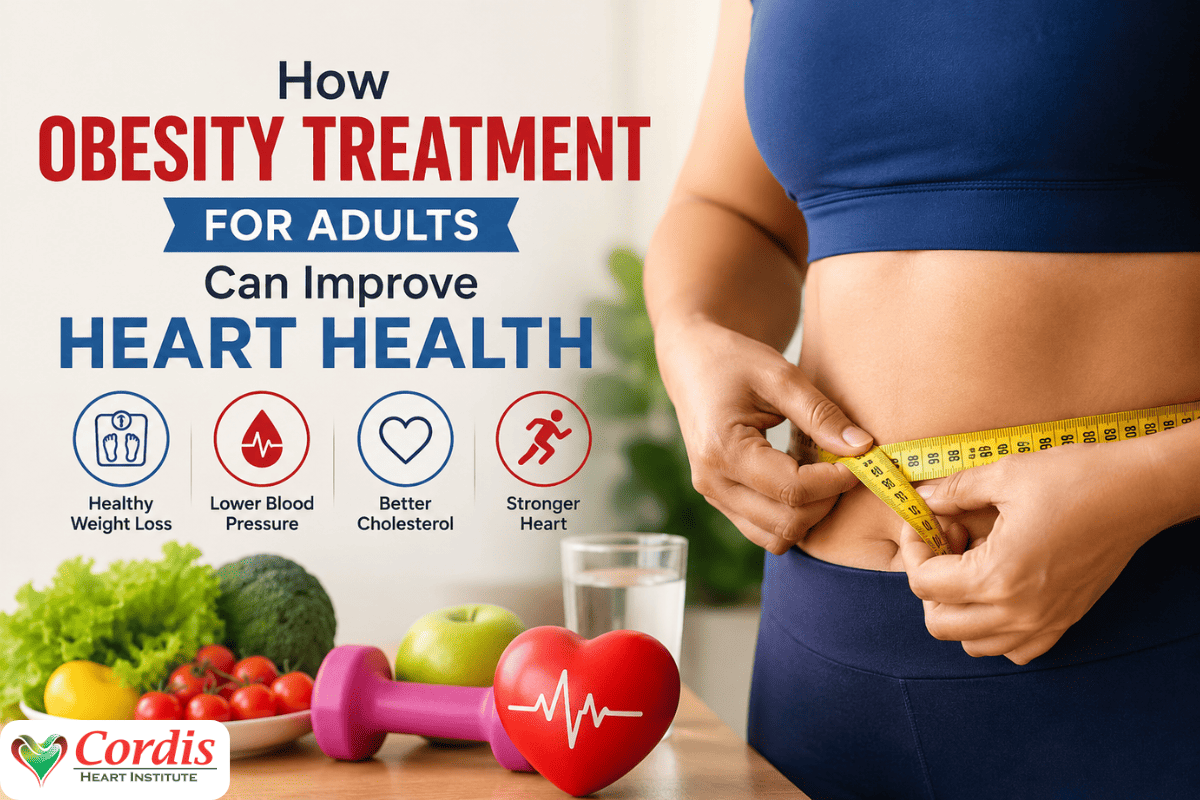
The good news is that effective obesity treatment for adults can do much more than help people lose weight. It can improve blood pressure, cholesterol levels, blood sugar control, and overall cardiovascular health. Even modest weight loss can lead to measurable improvements in heart function and reduce the likelihood of developing life-threatening complications.
At Cordis Heart Institute, obesity management is approached with a strong focus on heart health. Through personalized treatment plans, lifestyle guidance, and advanced medical care, patients receive the support they need to achieve sustainable weight loss and protect their cardiovascular well-being.
Understanding Obesity and Its Impact on Heart Health
What Is Obesity?
Obesity is a chronic medical condition characterized by excessive body fat that can negatively affect health. It is commonly measured using Body Mass Index (BMI), a calculation based on height and weight.
For adults:
- BMI of 18.5–24.9 is considered healthy
- BMI of 25–29.9 is classified as overweight
- BMI of 30 or above is considered obese
Obesity can result from a combination of factors, including unhealthy eating habits, physical inactivity, genetics, hormonal imbalances, stress, sleep deprivation, and certain medications.
While many people associate obesity with cosmetic concerns, the condition significantly increases the risk of numerous health problems, especially heart disease.
How Obesity Affects the Heart
The heart is responsible for pumping blood throughout the body. When a person carries excess weight, the heart must work harder to supply oxygen and nutrients to additional tissues. Over time, this increased workload can damage the cardiovascular system.
Increased Blood Pressure
Obesity is one of the leading causes of hypertension. Excess fat tissue requires additional blood supply, which increases pressure within the blood vessels and forces the heart to work harder.
Unhealthy Cholesterol Levels
People with obesity often experience higher levels of LDL (bad cholesterol) and triglycerides while having lower levels of HDL (good cholesterol). This imbalance contributes to plaque buildup inside arteries.
Chronic Inflammation
Fat tissue is not simply a storage site for energy. It actively releases inflammatory substances that can damage blood vessels and contribute to cardiovascular disease.
Insulin Resistance
Obesity is closely linked to insulin resistance and Type 2 diabetes, both of which significantly increase the risk of heart disease.
Obesity-Related Heart Conditions
Without proper obesity treatment, adults may develop several serious cardiovascular conditions, including:
- Coronary artery disease
- Heart attack
- Heart failure
- Stroke
- Peripheral artery disease
- Atrial fibrillation
These conditions can reduce quality of life and, in severe cases, become life-threatening.
Why Obesity Treatment Is Essential for Adults
Health Risks of Untreated Obesity
Many people underestimate the long-term consequences of obesity. Untreated obesity can lead to:
Type 2 Diabetes
Excess body fat affects how the body uses insulin, increasing blood sugar levels and the risk of diabetes-related complications.
Hypertension
High blood pressure damages blood vessels and increases the likelihood of heart attack and stroke.
Sleep Apnea
Obesity is a major risk factor for obstructive sleep apnea, a condition that disrupts breathing during sleep and places additional strain on the heart.
Fatty Liver Disease
Excess fat accumulation in the liver can lead to inflammation, scarring, and liver dysfunction.
Benefits of Early Obesity Treatment
Starting obesity therapy early can provide several health benefits:
- Improved energy levels
- Better mobility and physical fitness
- Reduced risk of chronic diseases
- Enhanced mental well-being
- Longer life expectancy
- Lower healthcare expenses
Most importantly, early treatment can help prevent irreversible damage to the heart and blood vessels.
How Weight Loss Improves Heart Health
Lowering Blood Pressure Naturally
Weight loss is one of the most effective ways to reduce blood pressure. Research shows that even a modest reduction in body weight can significantly lower blood pressure readings.
When excess weight is lost, blood vessels become more flexible and circulation improves, reducing stress on the cardiovascular system.
Improving Cholesterol Levels
Losing weight often leads to:
- Lower LDL cholesterol
- Lower triglycerides
- Higher HDL cholesterol
These changes help reduce plaque buildup and improve blood flow throughout the body.
Reducing Inflammation
Weight loss helps decrease inflammatory markers associated with obesity. Lower inflammation means healthier blood vessels and a lower risk of cardiovascular disease.
Improving Blood Sugar Control
Medical weight loss treatment can improve insulin sensitivity, making it easier for the body to regulate blood sugar levels. Better glucose control helps reduce the risk of diabetes-related heart complications.
Reducing the Risk of Heart Attack and Stroke
By improving blood pressure, cholesterol, inflammation, and blood sugar control, obesity treatment significantly reduces the likelihood of heart attack and stroke.
Improving Overall Heart Function
As body weight decreases, the heart becomes more efficient. Patients often report better stamina, less shortness of breath, and improved physical performance.
Effective Obesity Treatment Options for Adults
There is no one-size-fits-all solution for obesity. Successful treatment often combines multiple approaches.
Lifestyle Modification Programs
Lifestyle changes remain the foundation of obesity management.
Healthy Eating Habits
Patients are encouraged to:
- Eat more fruits and vegetables
- Choose lean proteins
- Reduce processed foods
- Limit sugary beverages
Portion Control
Managing portion sizes helps create a sustainable calorie deficit without extreme dieting.
Physical Activity
Adults should aim for at least 150 minutes of moderate exercise per week, along with strength training activities.
Medical Nutrition Therapy
Registered dietitians create personalized meal plans based on a patient’s health status, goals, and lifestyle.
Behavioral and Psychological Support
Many individuals struggle with emotional eating, stress-related eating, or unhealthy habits. Counseling and behavioral therapy can help address these challenges.
Obesity Medications
Prescription medications may be recommended for eligible patients who have not achieved sufficient results through lifestyle changes alone.
These medications work by:
- Reducing appetite
- Increasing feelings of fullness
- Improving metabolic function
Bariatric Surgery for Severe Obesity
For patients with severe obesity, bariatric surgery may be considered.
Common procedures include:
- Gastric Sleeve Surgery
- Gastric Bypass Surgery
These procedures can lead to substantial weight loss and significant improvements in cardiovascular risk factors.
Personalized Obesity Therapy at Cordis Heart Institute
At Cordis Heart Institute, obesity treatment focuses on both weight management and cardiovascular health.
Patients benefit from:
- Detailed cardiovascular assessments
- Personalized treatment plans
- Nutrition counseling
- Lifestyle coaching
- Long-term monitoring and support
This integrated approach helps patients achieve lasting results while protecting heart health.
The Link Between Weight Loss and Better Cardiovascular Outcomes
Studies consistently show that weight loss leads to better cardiovascular outcomes. Losing just 5% to 10% of body weight can improve blood pressure, cholesterol, and blood sugar levels.
Long-term weight management is associated with:
- Lower rates of heart disease
- Reduced hospital admissions
- Better physical function
- Improved overall quality of life
Rather than pursuing rapid weight loss, patients should focus on sustainable lifestyle changes that can be maintained for years.
Signs You Should Seek Professional Obesity Treatment
Consider consulting an obesity specialist if you:
- Have a BMI above 30
- Have high blood pressure or diabetes
- Experience difficulty losing weight independently
- Have a family history of heart disease
- Suffer from obesity-related health conditions
Professional guidance can help identify underlying causes and develop a safe, effective treatment strategy.
Why Choose Cordis Heart Institute for Obesity and Heart Care?
Cordis Heart Institute combines advanced cardiac care with evidence-based obesity management.
Patients choose Cordis Heart Institute because of:
- Experienced cardiology specialists
- Comprehensive weight management programs
- Advanced diagnostic technology
- Individualized treatment plans
- Long-term focus on cardiovascular wellness
The goal is not simply weight loss but creating healthier lives through better heart health.
Frequently Asked Questions
Can obesity cause heart disease?
Yes. Obesity increases the risk of high blood pressure, diabetes, high cholesterol, and inflammation, all of which contribute to heart disease.
How much weight loss is needed to improve heart health?
Even a 5% to 10% reduction in body weight can provide meaningful cardiovascular benefits.
What is the best obesity treatment for adults?
The best treatment depends on individual factors such as BMI, medical history, lifestyle, and existing health conditions.
Can losing weight reduce heart disease risk?
Yes. Weight loss can improve several cardiovascular risk factors and lower the chances of heart attack and stroke.
Are obesity medications safe?
When prescribed and monitored by healthcare professionals, obesity medications can be safe and effective for eligible patients.
Take Control of Your Weight and Protect Your Heart
Obesity is more than a number on the scale. It is a major risk factor for heart disease, stroke, diabetes, and other chronic conditions that can affect both quality and length of life.
The encouraging news is that effective obesity treatment for adults can significantly improve heart health. Through healthy lifestyle changes, medical weight loss strategies, professional support, and ongoing care, patients can reduce cardiovascular risk and enjoy a healthier future.
If you are concerned about your weight or heart health, the specialists at Cordis Heart Institute can help you develop a personalized treatment plan designed for long-term success.
Ready to improve your heart health through effective obesity treatment? Schedule a consultation with Cordis Heart Institute today and take the first step toward a healthier weight, a stronger heart, and a better quality of life.