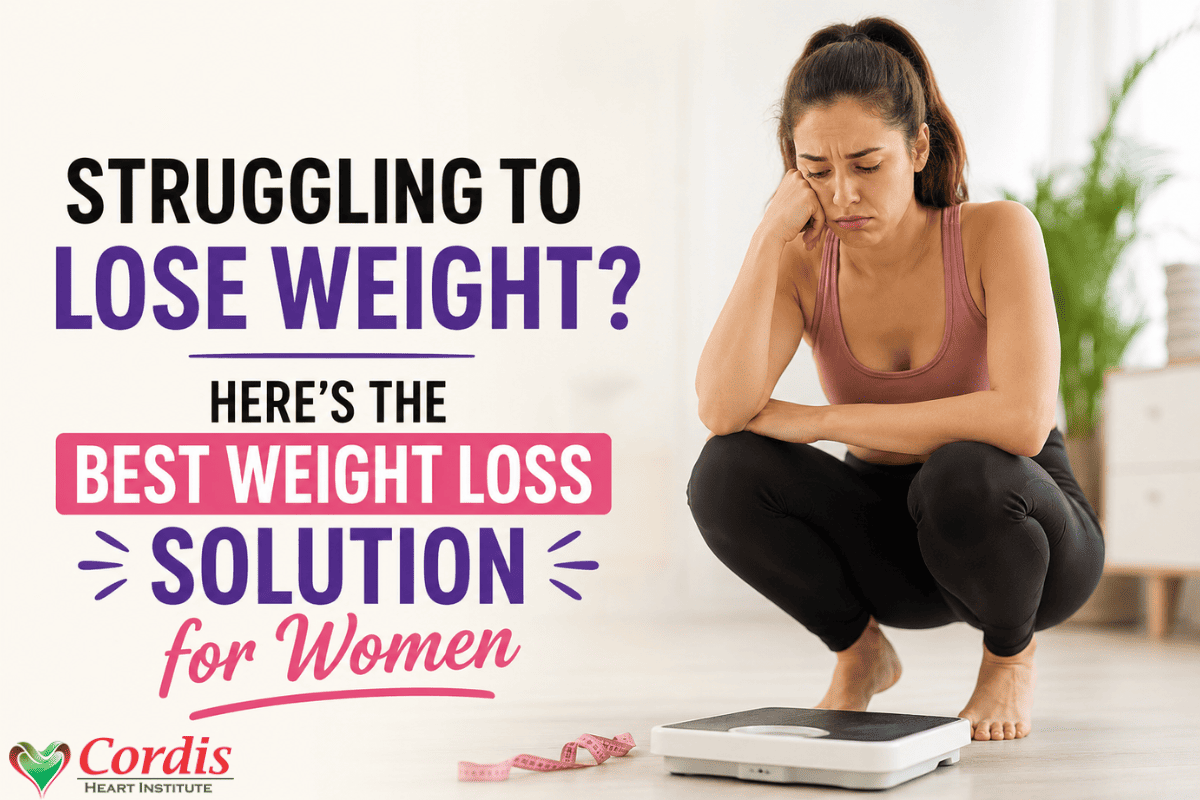
Losing weight sounds simple in theory. Eat less, exercise more, and the extra kilos should disappear. But for many women, the reality is far more frustrating. You may be eating healthy, trying different workouts, cutting sugar, and still not seeing results. If that sounds familiar, you are not alone.
Weight gain in women is often linked to hormonal imbalance, stress, poor sleep, thyroid problems, PCOS, pregnancy-related changes, menopause, and hectic lifestyles. Crash diets and random fitness trends may offer short-term changes, but they rarely solve the real issue. That’s why finding the best weight loss solution for women requires a more personalized and medically guided approach.
At Cordis Heart Institute, women receive structured support designed around their health conditions, lifestyle, and long-term wellness goals. Instead of temporary fixes, the focus is on healthy and sustainable weight management that improves overall health and confidence.
Why Is Weight Loss More Difficult for Women?
Women face unique biological and lifestyle factors that can make weight loss more challenging than expected. Understanding these causes is the first step toward finding the right solution.
Hormonal Changes and Weight Gain
Hormones play a major role in how the body stores fat and uses energy. Even small hormonal imbalances can affect metabolism and appetite.
PCOS and Insulin Resistance
Women with PCOS often struggle with stubborn belly fat, cravings, and irregular weight gain. Insulin resistance makes it harder for the body to burn stored fat efficiently.
Thyroid Disorders
An underactive thyroid slows metabolism, causing fatigue and weight gain even when calorie intake remains normal.
Menopause
During menopause, estrogen levels decline, which can lead to increased abdominal fat and slower calorie burning.
Pregnancy-Related Weight Retention
Many women find it difficult to lose post-pregnancy weight due to hormonal shifts, sleep deprivation, and lifestyle adjustments.
Stress, Sleep, and Emotional Eating
Modern lifestyles often push women into constant stress. When stress levels rise, the body produces more cortisol, a hormone linked to fat storage, especially around the abdomen.
Poor sleep also affects hunger hormones like leptin and ghrelin, increasing cravings for sugary and processed foods. Emotional eating becomes common during periods of anxiety, exhaustion, or emotional pressure.
Sedentary Lifestyle and Poor Nutrition
Long office hours, limited movement, and convenience foods can slowly contribute to obesity. Many women unintentionally consume more calories than they burn due to:
- Processed snacks
- Sugary beverages
- Irregular meal timings
- Lack of physical activity
- Excessive screen time
These habits gradually affect metabolism and overall health.
Signs You May Need Professional Weight Loss Support
Sometimes diet and exercise alone may not be enough. Professional medical support can help identify the root cause of weight gain and create a safer plan.
Constant Weight Gain Despite Dieting
If you continue gaining weight despite trying multiple diets, there may be underlying hormonal or metabolic issues that need medical attention.
Low Energy and Poor Fitness Levels
Constant tiredness, body pain, or shortness of breath during daily activities can indicate that excess weight is affecting your health.
Obesity-Related Health Risks
Being overweight increases the risk of several serious conditions, including:
- High blood pressure
- Diabetes
- Heart disease
- Fatty liver disease
- Joint pain
Women with obesity may also experience fertility issues and sleep disorders.
For women already dealing with cardiac concerns, proper weight management becomes even more important. Linking to heart health services and diabetes care pages can help readers discover related support options.
Emotional and Mental Impact of Obesity
Weight gain does not only affect physical health. Many women experience low confidence, anxiety, social discomfort, and emotional stress because of body image concerns.
A healthy weight loss journey should improve both physical and emotional well-being.
What Is the Best Weight Loss Solution for Women?
There is no one-size-fits-all answer. The best weight loss treatment for women is one that considers medical history, body type, lifestyle, eating habits, and health goals.
Personalized Weight Loss Programs
Every woman’s body responds differently to food and exercise. Personalized plans are more effective because they focus on individual needs rather than generic internet advice.
A customized weight management plan may include:
- Diet planning
- Fitness guidance
- Hormonal assessment
- Lifestyle changes
- Stress management
Doctor-Guided Nutrition Plans
Extreme diets often lead to weakness and rebound weight gain. A medically guided nutrition plan helps women lose weight while maintaining energy and muscle strength.
Balanced nutrition focuses on:
- Protein-rich meals
- Fiber intake
- Portion control
- Healthy fats
- Hydration
Fitness and Lifestyle Counseling
Exercise should match the individual’s fitness level and medical condition. Walking, yoga, strength training, and low-impact cardio can all be effective when done consistently.
Lifestyle counseling also helps women:
- Build healthy routines
- Improve sleep quality
- Manage stress
- Avoid emotional eating
Medical Weight Loss Treatments
Some women may require medical interventions depending on their condition. These can include:
- Metabolic evaluations
- Hormonal treatment support
- Obesity management plans
- Clinical monitoring
Professional supervision improves safety and long-term success.
Long-Term Weight Management Support
Quick fixes rarely last. Sustainable weight loss requires continuous motivation, monitoring, and realistic goal-setting.
The right medical team helps women maintain healthy habits even after reaching their target weight.
How Cordis Heart Institute Helps Women Achieve Healthy Weight Loss
Cordis Heart Institute focuses on a patient-centered approach to women’s wellness and obesity management.
Expert Medical Team for Obesity Management
The institute provides access to healthcare professionals who understand the connection between weight, metabolism, heart health, and lifestyle diseases.
Women receive guidance based on their medical history and wellness goals.
Customized Diet and Lifestyle Plans
Instead of generic meal charts, women receive tailored recommendations that fit their schedules and food preferences.
This makes healthy eating more practical and easier to maintain long-term.
Advanced Health Assessments
A detailed health assessment can help identify hidden causes of weight gain, including:
- Thyroid imbalance
- Blood sugar issues
- Cholesterol levels
- Hormonal changes
These assessments allow doctors to create more targeted solutions.
Safe and Sustainable Weight Loss Methods
The focus remains on gradual and healthy weight reduction rather than unrealistic promises.
Safe weight loss supports:
- Better heart health
- Improved mobility
- Increased energy
- Reduced health risks
Holistic Care for Overall Wellness
Healthy weight management is not only about appearance. It is about feeling stronger, healthier, and more confident in daily life.
Women are encouraged to improve:
- Nutrition
- Fitness
- Mental well-being
- Sleep quality
- Lifestyle habits
Healthy Habits That Support Sustainable Weight Loss
Long-term success depends on building healthy routines that become part of daily life.
Eat Balanced, Nutrient-Rich Meals
Avoid skipping meals or following starvation diets. Instead, focus on:
- Vegetables
- Fruits
- Lean protein
- Whole grains
- Healthy fats
Balanced eating supports metabolism and reduces cravings.
Stay Active Every Day
You do not need intense gym sessions to lose weight. Simple activities like walking, cycling, dancing, or yoga can make a big difference when done consistently.
Aim for at least 30 minutes of movement daily.
Improve Sleep Quality
Lack of sleep increases hunger and lowers energy levels. Women should aim for 7 to 8 hours of quality sleep each night.
Drink More Water
Hydration supports digestion, metabolism, and appetite control. Drinking water before meals may also reduce overeating.
Avoid Crash Diets
Crash diets often lead to muscle loss, weakness, and rapid weight regain. Sustainable changes work better than temporary restrictions.
Common Weight Loss Mistakes Women Should Avoid
Skipping Meals
Skipping meals slows metabolism and increases binge eating later in the day.
Over-Exercising
Excessive workouts without proper recovery can increase stress hormones and fatigue.
Following Internet Fad Diets
Many viral diets lack proper nutrition and are difficult to maintain long-term.
Ignoring Medical Conditions
Undiagnosed thyroid disorders, PCOS, or insulin resistance can prevent progress despite hard work.
Expecting Fast Results
Healthy weight loss takes time. Consistency matters more than rapid transformation.
Benefits of Choosing a Professional Weight Loss Program
Safe and Medically Supervised Care
Medical supervision reduces health risks and ensures weight loss methods are suitable for the individual.
Better Long-Term Results
Structured guidance improves consistency and reduces the chances of regaining lost weight.
Improved Heart Health and Energy Levels
Maintaining a healthy weight lowers the risk of cardiovascular disease and improves stamina.
Increased Confidence and Mental Well-Being
Successful weight management often improves self-esteem, mood, and emotional health.
FAQs About Weight Loss Solutions for Women
What is the most effective weight loss treatment for women?
The most effective solution combines balanced nutrition, regular physical activity, medical guidance, and lifestyle changes tailored to the individual.
How long does healthy weight loss take?
Healthy weight loss usually ranges from 0.5 to 1 kilogram per week depending on metabolism and lifestyle habits.
Can hormonal imbalance affect weight loss?
Yes. Conditions like PCOS, thyroid disorders, and menopause can slow metabolism and make weight loss more difficult.
Is medical weight loss safe?
When supervised by qualified healthcare professionals, medical weight loss programs are generally safe and effective.
What foods help women lose weight faster?
Protein-rich foods, vegetables, fruits, whole grains, and healthy fats support healthy weight management.
When should I visit a weight loss specialist?
You should consult a specialist if:
- Weight gain continues despite efforts
- You have obesity-related health issues
- You suspect hormonal imbalance
- You struggle with emotional eating
Conclusion
Weight loss is not about starving yourself or following unrealistic trends. It is about understanding your body, identifying the root cause of weight gain, and building habits that support long-term wellness.
Every woman’s body works differently, which is why personalized care matters. From hormonal health to lifestyle counseling and nutrition support, the right medical guidance can make the journey safer and more effective.
Cordis Heart Institute provides women-focused support designed to help patients achieve healthy and sustainable weight management while improving overall wellness.
If you have been struggling to lose weight despite repeated efforts, now may be the right time to seek professional support and take the first step toward a healthier life.