Heart disease is no longer something that affects only older adults. In cities like Mumbai, stress, unhealthy eating habits, lack of sleep, smoking, diabetes, and high blood pressure are increasing the risk of cardiac problems even among younger people.
Many people ignore early symptoms like chest discomfort, shortness of breath, fatigue, or irregular heartbeat until the condition becomes serious. That’s where timely heart screening plays a major role.
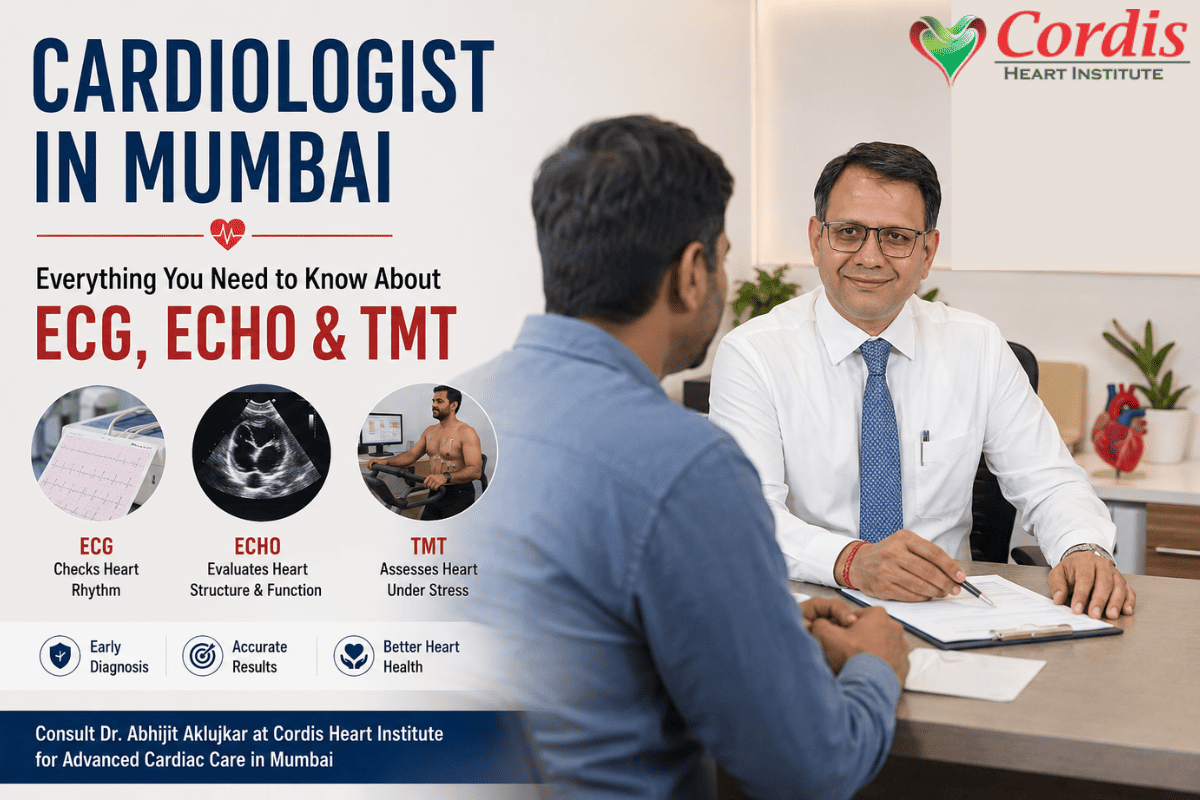
If you are searching for a trusted Cardiologist in Mumbai, understanding common heart tests like ECG, Echo, and TMT can help you take better decisions about your health.
At Cordis Heart Institute, Dr Abhijit Aklujkar helps patients detect heart problems early using advanced cardiac diagnostic tests and preventive heart care.
In this guide, we’ll explain what ECG, Echo, and TMT tests are, when you may need them, and how they help diagnose heart conditions before they become dangerous.
Why Regular Heart Checkups Are Important
Most heart problems don’t appear suddenly. The body often gives warning signs, but many people ignore them.
Increasing Heart Disease Cases in Mumbai
Mumbai’s fast-paced lifestyle has led to rising cases of:
- High blood pressure
- Diabetes
- Obesity
- Stress-related heart conditions
- Heart blockage
- Arrhythmia
Sedentary jobs, processed foods, and lack of exercise are major contributors.
According to World Health Organization, cardiovascular diseases remain one of the leading causes of death globally.
Common Warning Signs You Should Never Ignore
Visit a cardiologist if you experience:
- Chest pain or heaviness
- Breathlessness
- Sudden sweating
- Fatigue while walking
- Dizziness
- Irregular heartbeat
- Swelling in legs
- High BP
Early diagnosis can prevent serious complications like heart attack or heart failure.
When Should You Visit a Cardiologist in Mumbai?
You should consider a heart checkup if:
- You are above 35
- You have diabetes or hypertension
- You smoke
- There is a family history of heart disease
- You experience stress frequently
- You have obesity or high cholesterol
Who is Dr Abhijit Aklujkar?
Dr Abhijit Aklujkar is known for patient-focused cardiac care and preventive cardiology.
At Cordis Heart Institute, patients receive advanced heart diagnosis and personalized treatment plans based on their symptoms and medical history.
Conditions Treated
- High blood pressure
- Heart blockage
- Coronary artery disease
- Heart rhythm disorders
- Heart failure
- Preventive cardiac care
The goal is not just treatment but early detection and long-term heart health management.
What is an ECG Test?
Full Form of ECG
ECG stands for Electrocardiogram. It records the electrical activity of the heart.
An ECG test is one of the fastest and most commonly used cardiac tests.
How an ECG Test Works
Small electrodes are attached to the chest, arms, and legs. The machine records electrical signals produced by the heart.
The test usually takes only a few minutes.
What Does an ECG Detect?
An ECG helps identify:
- Irregular heartbeat
- Heart attack signs
- Abnormal heart rhythm
- Enlarged heart
- Reduced blood flow
Many cardiologists recommend ECG as an initial heart screening test.
When is ECG Recommended?
An ECG test in Mumbai is commonly advised if you experience:
- Chest pain
- Palpitations
- Dizziness
- Breathlessness
- High BP
It may also be done before surgery or during routine health checkups.
Is ECG Painful?
No. ECG is painless, non-invasive, and completely safe.
What is a 2D Echo Test?
Understanding Echo Test for Heart
A 2D Echo is an ultrasound of the heart. It uses sound waves to create live images of the heart structure and functioning.
Unlike ECG, which measures electrical activity, Echo shows how the heart muscles and valves are working.
What Can an Echo Detect?
An Echo test for heart can detect:
- Valve disorders
- Weak heart pumping
- Congenital heart disease
- Heart enlargement
- Fluid around the heart
Difference Between ECG and Echo
ECG | Echo |
Records electrical activity | Shows heart structure |
Quick screening test | Detailed imaging test |
Detects rhythm issues | Detects valve and muscle problems |
Who Needs an Echo Test?
A cardiologist may recommend an Echo if:
- You have breathlessness
- You hear abnormal heart sounds
- You have swelling in legs
- There’s suspicion of valve disease
What is a TMT Test?
Meaning of TMT
TMT stands for Treadmill Test. It is also called a stress test.
This test checks how your heart performs during physical activity.
Why Cardiologists Recommend TMT
A TMT test helps identify:
- Reduced blood supply to the heart
- Heart blockage
- Exercise-related chest pain
- Abnormal heart response during stress
What Happens During the Test?
You walk on a treadmill while your heart rate, blood pressure, and ECG are monitored.
The speed gradually increases to assess heart performance under stress.
Who Should Avoid TMT?
TMT may not be suitable for:
- Severe heart failure patients
- People with unstable chest pain
- Certain arrhythmia cases
Your cardiologist will determine whether the test is appropriate.
ECG vs Echo vs TMT: What’s the Difference?
Test | Purpose | Time Taken | Detects |
ECG | Electrical activity | Few minutes | Rhythm issues |
Echo | Heart structure | 15–30 mins | Valve & pumping problems |
TMT | Stress performance | 20–30 mins | Heart blockage |
Each test serves a different purpose. Sometimes your cardiologist may recommend all three for a clearer diagnosis.
Symptoms That Indicate You May Need Heart Tests
Don’t ignore these warning signs:
- Chest tightness
- Breathlessness while climbing stairs
- Frequent fatigue
- Irregular heartbeat
- High blood pressure
- Family history of cardiac disease
Even mild symptoms can indicate underlying heart issues.
Why Choose Cordis Heart Institute for Cardiac Diagnosis in Mumbai?
Cordis Heart Institute offers advanced cardiac diagnosis with a patient-first approach.
What Makes Cordis Heart Institute Different?
Advanced Diagnostic Technology
Modern ECG, Echo, and TMT systems for accurate results.
Experienced Cardiac Care
Led by Dr Abhijit Aklujkar with a focus on preventive cardiology.
Personalized Treatment
Every patient receives treatment based on symptoms, risk factors, and lifestyle.
Early Detection Approach
Heart problems detected early are easier to manage and treat.
How to Prepare for ECG, Echo & TMT Tests
Before an ECG
- Wear comfortable clothes
- Avoid body lotions on chest
Before an Echo
- Usually no fasting required
- Follow doctor instructions
Before a TMT
- Avoid heavy meals before the test
- Wear sports shoes
- Inform doctor about medications
Proper preparation helps improve test accuracy.
Cost of ECG, Echo & TMT Test in Mumbai
The cost depends on:
- Hospital facilities
- Technology used
- Cardiologist expertise
- Location
Choosing quality diagnosis is more important than selecting the cheapest option.
Accurate reports help prevent delayed treatment.
Tips to Maintain a Healthy Heart
Follow a Healthy Diet
Eat:
- Fruits
- Vegetables
- Whole grains
- Low-oil foods
Reduce:
- Processed foods
- Excess salt
- Sugary drinks
Exercise Regularly
Even 30 minutes of walking daily supports heart health.
Manage Stress
Meditation, sleep, and work-life balance matter more than people realize.
Quit Smoking
Smoking damages blood vessels and increases heart attack risk.
Schedule Regular Heart Checkups
Routine screening helps detect silent heart conditions early.
FAQs About ECG, Echo & TMT Tests
What is the difference between ECG and Echo?
ECG records electrical activity, while Echo shows heart structure and movement.
Which test detects heart blockage?
TMT helps identify reduced blood supply and possible blockages.
Is TMT safe for senior citizens?
Yes, but only after evaluation by a cardiologist.
Can ECG detect a silent heart attack?
Sometimes yes, especially if there are electrical changes in the heart.
Do I need fasting before TMT?
Usually not, but avoid heavy meals before the test.
How often should I get heart tests done?
People with BP, diabetes, or family history should consider annual screenings.
Final Thoughts
Heart disease often develops silently. Ignoring early symptoms can lead to serious complications later.
Tests like ECG, Echo, and TMT play a major role in identifying heart problems before they become emergencies.
If you are searching for an experienced Cardiologist in Mumbai, consulting Dr Abhijit Aklujkar at Cordis Heart Institute can help you take proactive steps toward better heart health.
Don’t wait for symptoms to worsen. Early diagnosis can save lives.
Schedule your ECG, Echo, or TMT test today and take the first step toward a healthier heart.